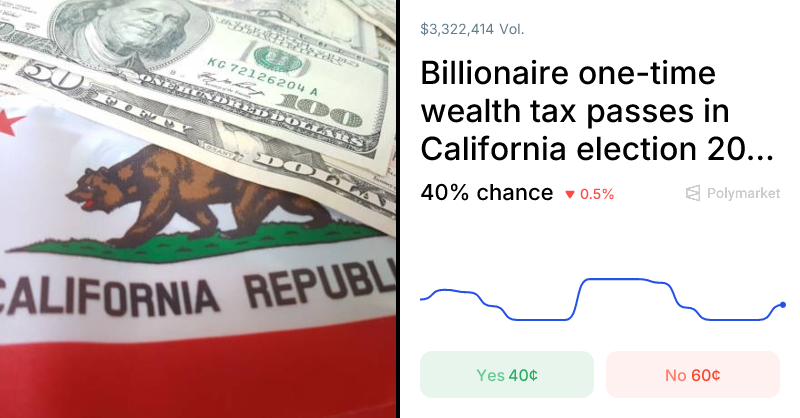
California’s proposed, one-time billionaire wealth tax has its fair share of critics. From the ultra-rich Californians who have already voted with their feet by leaving the state, to the Trump administration itself, a common line of attack has been that the measure could drive away more billionaires and eventually starve the state of tax revenue.
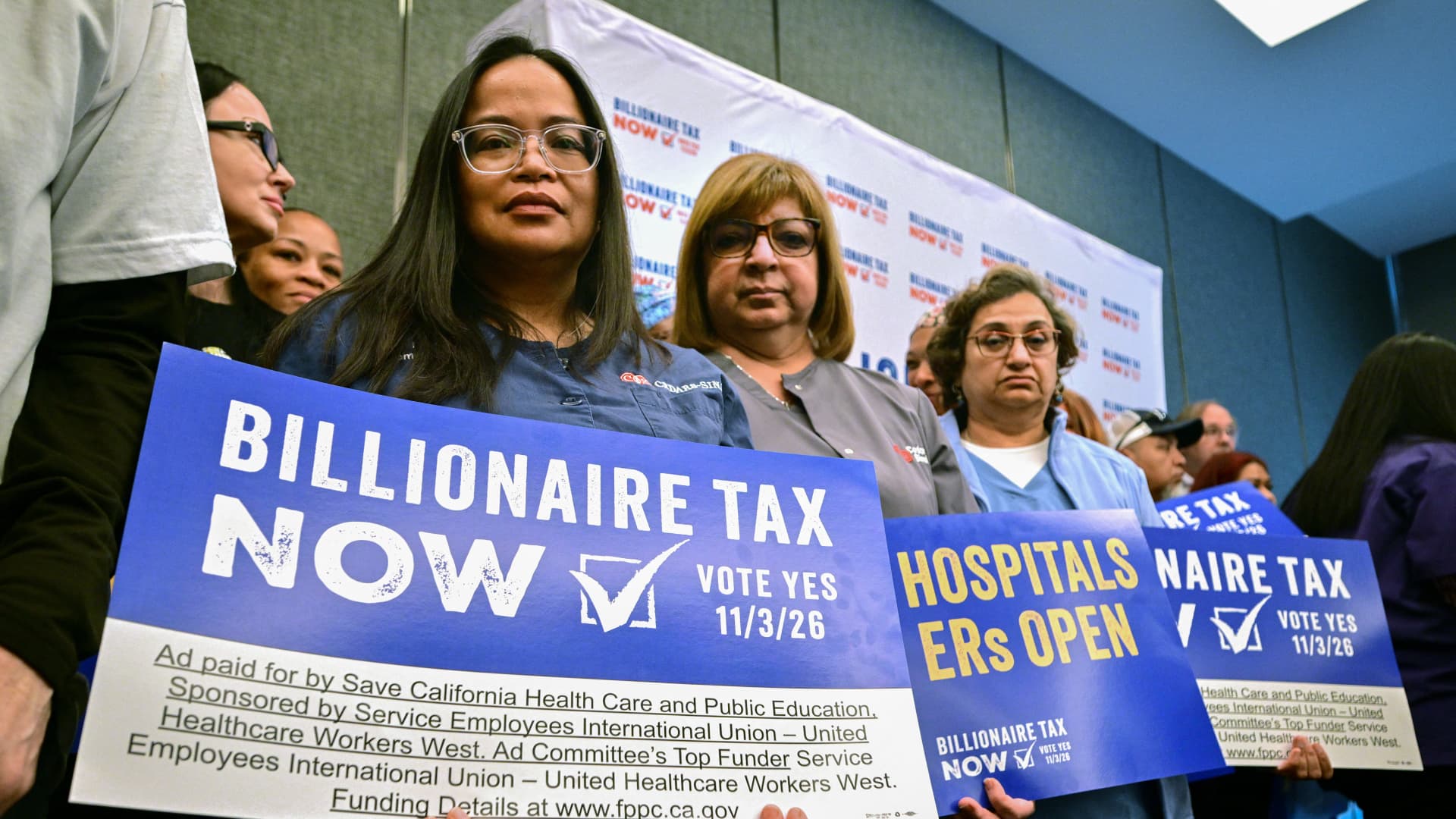
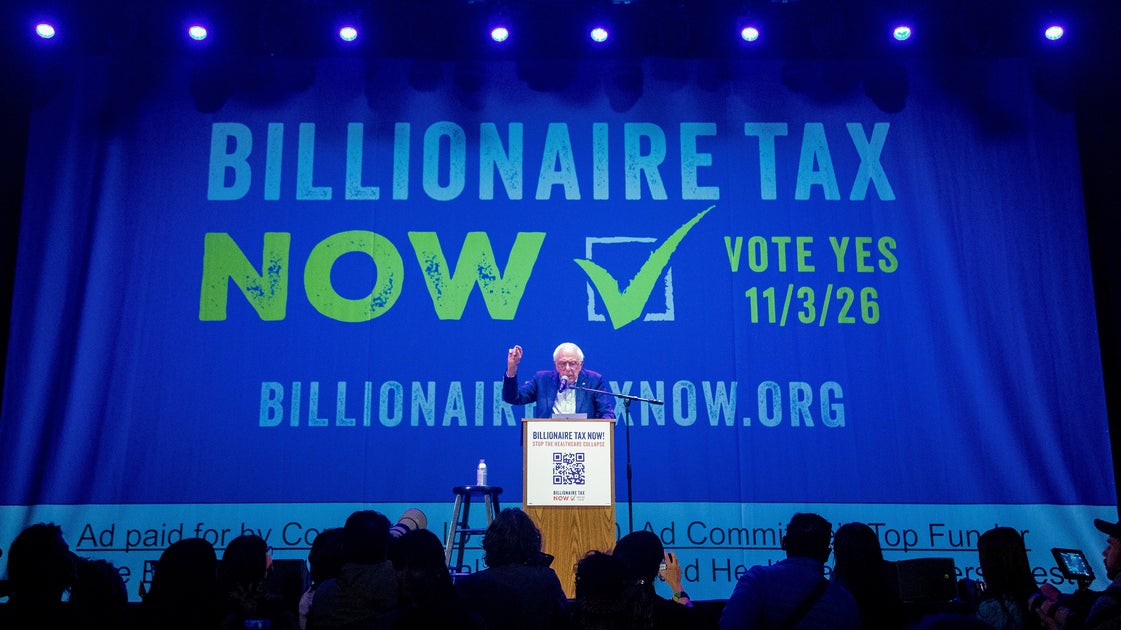
The tax, which will be on the ballot in November, would charge around 200 California billionaires a one-time 5% levy on their total wealth, with proponents targeting additional revenues worth $100 billion spread out over five years. Most of this revenue would go toward offsetting projected losses in health care funding worth tens of billions of dollars due to federal cuts.
But the criticisms directed at the tax are likely to fall on deaf ears when it comes to the accountants behind it. Even if every single one of California’s wealthiest residents decided to call time on the Golden State, it would take years to vindicate their protests, and the state would likely still come out ahead—for a while at least.
Last year, billionaires residing in California paid a grand total $4.1 billion in income tax, or around 0.2% of their collective net worth of over $2 trillion, according to a working paper published Monday by researchers at the National Bureau of Economic Research (NBER). That means that even under an extreme scenario in which every billionaire permanently severed ties with the state overnight, it would take 25 years for the lost income tax revenue to equal the $100 billion windfall California would receive from the wealth tax over five years.