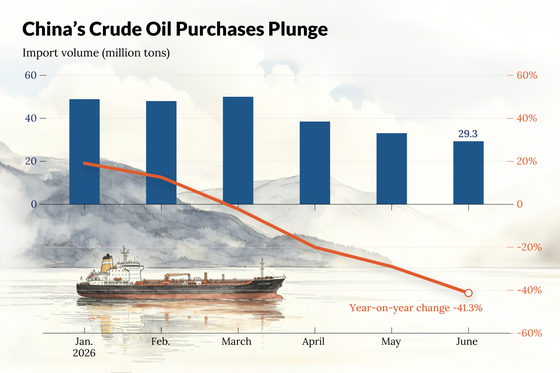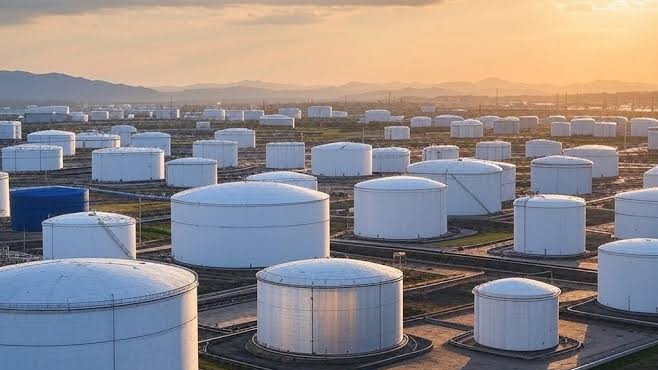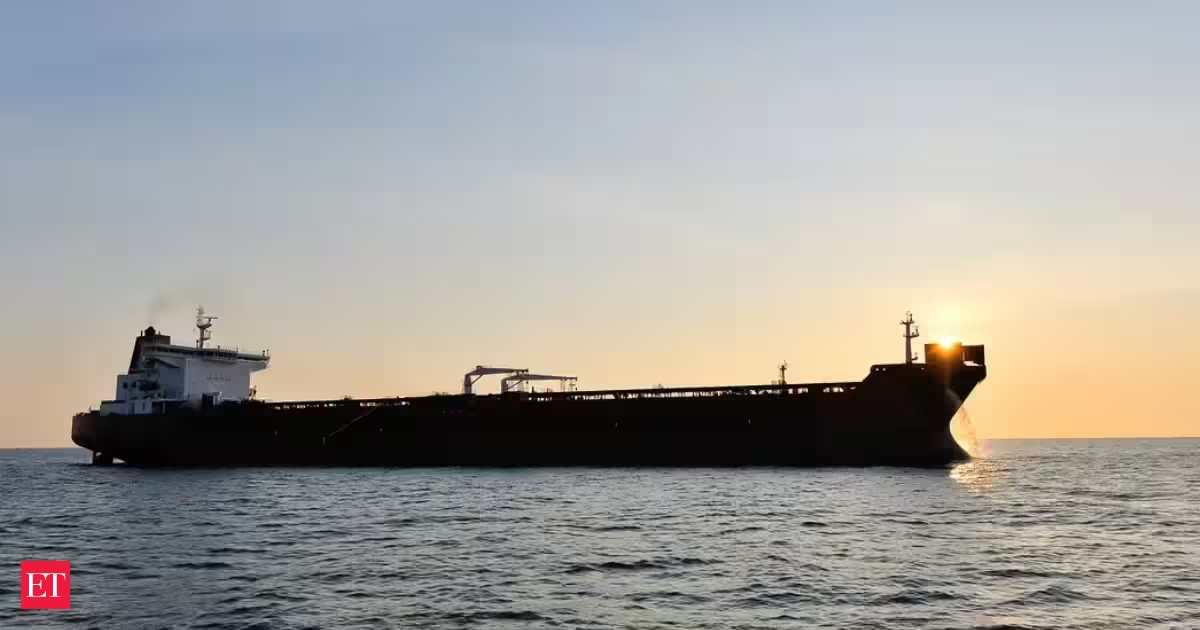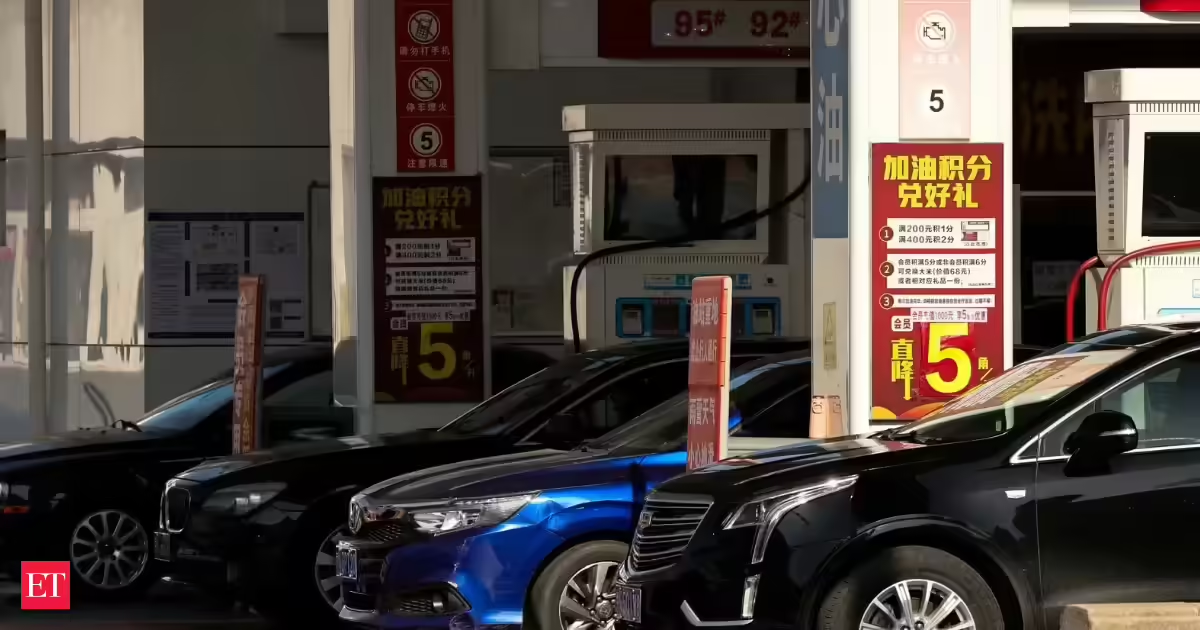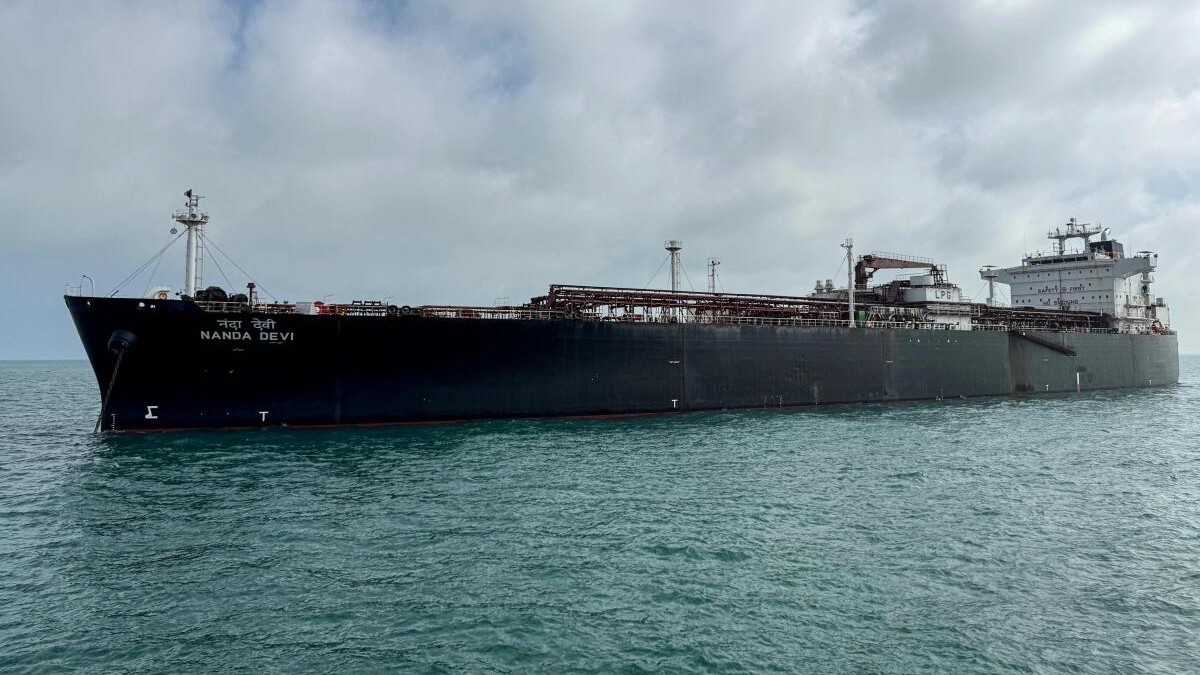
For months, China’s reduced appetite for oil and LNG imports has helped ease some of the pressure on already-strained global energy markets. But Beijing’s current strategy appears less about weakening demand and more about caution amid the Iran war and the growing risks surrounding Middle Eastern supply routes. Chinese buyers have been drawing down inventories, slowing refinery activity, and delaying spot purchases while waiting for safer and potentially cheaper cargo opportunities. The problem for global markets is that this balancing act may only buy China limited time before it is forced back more aggressively into international energy markets.The numbers are striking, as Chinese crude imports reportedly fell to around 6.6 million bpd in May, the lowest level since 2016. Last April's import figures already showed a severe contraction, indicating a decline of roughly 20% year-on-year to the lowest level since mid-2022. China’s independent refiners have cut runs sharply, not only due to high crude prices destroying margins. The main reason at present is that Chinese buyers have relied heavily on strategic and commercial inventories accumulated during previous years of low oil prices. This inventory drawn down should now be seen as the single most important hidden stabilizer in global oil markets.Global markets, betting on conventional and historical figures and data, expected a full-scale oil price explosion after the Hormuz disruptions removed major Gulf export capacity. The contrary, however, happened, as Brent retreated from the panic highs above $150 per barrel toward the $100–110 range. This only happened because China stepped back from the market. Beijing effectively absorbed the shock internally by consuming stored barrels, which are estimated at around 1.4 billion barrels, rather than, as expected, competing aggressively for seaborne cargoes. A growing number of analysts now believe that China’s opaque strategic reserves are being used far more aggressively than publicly acknowledged. This could mean that the same mechanism that stabilized prices could soon reverse, becoming highly bullish. There is no option for China to indefinitely reduce imports while simultaneously maintaining industrial activity, aviation recovery, petrochemical operations, and military-energy security. When looking at mobility indicators within China, they remain relatively stable at present, meaning actual end-user consumption has not collapsed at the same pace as imports. This gap is only bridged by inventory depletion.Markets should start to realize that the next three months will be critical.If Beijing concludes that Hormuz risks are easing structurally, or even perceives them as easing only partially, Chinese state firms and refiners are likely to re-enter the market aggressively. They will rebuild inventories before winter demand and to counter potential price spikes. Some indicators of this can be seen in recent tanker movements, which hint at cautious normalization. China-bound VLCCs carrying Iraqi crude have successfully crossed Hormuz under Iranian-controlled transit arrangements, while LNG cargoes from Qatar are again moving toward China. Sinopec-chartered cargoes are also resuming movement. The timing of this re-entry could be within the next few months, depending on geopolitical developments and market signals.Don’t even think that Beijing believes the crisis is over, as it only shows in reality that China may believe selective buying opportunities are reopening. For global markets, but also for China, this distinction matters enormously.China’s likely strategy for June-August 2026 is not a return to pre-crisis consumption patterns. It is a phased strategic replenishment campaign:Likely Chinese StrategyExpected Market EffectRebuild commercial crude inventories.Stronger Brent floor above $100Increase selective Russian, Iraqi, and West African importsTightening Atlantic Basin supplyResume limited LNG spot buying.Rising Asian LNG benchmark pricesExpand long-term LNG contract negotiations.Structural support for global LNG investmentsMaintain coal and pipeline gas flexibility.Limits full LNG demand surgeWhen looking at natural gas and LNG markets, China's importance is equally evident. Beijing has dramatically reduced LNG imports since the Hormuz crisis escalated, which has, without a doubt, enabled Asian markets to avoid an outright supply collapse. Chinese buyers have even been reselling LNG cargoes into regional markets, contrary to expectations, as all were preparing for Beijing to compete for expensive spot volumes. This withdrawal allowed Europe, Japan, and South Korea to secure cargoes that otherwise would have become unavailable.The last developments, however, indicate that China is cautiously returning.US LNG cargoes are now again heading toward China for the first time in more than a year, which clearly popped up after the renewed diplomatic engagement between Washington and Beijing. At the same time, other Asian governments are increasingly scrambling to lock in long-term LNG deals. This trend has become more evident as there is growing fear that Qatari export disruptions could last for years, not months. Reuters now reports that damage at Ras Laffan may remove around 12.8 mtpa, which is roughly 17% of Qatar’s export capacity, for 3-5 years. The Qatari issue, combined with market fundamentals, changes the LNG market structurally.China understands that future LNG availability may tighten considerably after 2026. This supply risk, or outright shortage, clearly creates incentives to secure long-term contracts now, especially with US, Canadian, and Australian suppliers. Recent discussions on the Canadian German LNG agreement show that buyers increasingly prioritize supply security over pure price optimization. The Old Continent is now facing major risks.Even though policymakers in Brussels will not admit it, Europe has benefited in part from China’s temporary retreat from LNG spot markets. If China reenters LNG markets to target imports, even modest volumes during summer 2026 could again put European buyers in direct competition for available cargoes, just as storage injections remain essential ahead of winter. What was expected before could now become reality. The old Europe-versus-Asia LNG bidding war could return much sooner than markets currently expect.On the other hand, the oil side may move even faster.Global inventories are already tightening rapidly. It is estimated that global stocks have fallen by around 246 million barrels during March-April alone. Goldman Sachs already warned that global oil reserves are approaching eight-year lows. At the same time, refinery outages, rerouting inefficiencies, and insurance constraints continue to limit effective supply availability even when physical barrels exist. In this very volatile and constricted environment, China does not need to “boom” economically to move prices sharply higher. The only move Beijing needs to make is to stop waiting.If Chinese crude buying rises by 500,000–1 million bpd over the next three months, Brent could rapidly move back toward $120–130 per barrel, even without any new Hormuz-Iran or elsewhere military escalation. If accompanied by renewed LNG buying, Asian spot gas prices would rise sharply, dragging European TTF higher again.The key factor now is China's inventory behavior, which will significantly influence future market stability. Monitoring this will help the audience understand the potential for sustained or reversed market trends.For months, China functioned as a stabilizer by stepping away from the market. The danger for global energy markets is that Beijing may soon decide that the best moment to rebuild stocks is before the next geopolitical shock arrives, not after.By Cyril Widdershoven for Oilprice.comMore Top Reads From Oilprice.comMozambique Contests TotalEnergies' $2 Billion Cost from LNG Project DelayDallas Fed Pres Says World Needs To Consume Less Oil And GasTotalEnergies Extends French Fuel Price Caps Through June
China’s Return to the Energy Market Could Become the Next Global Price Shock | OilPrice.com
China’s reduced oil and LNG imports have helped stabilize global energy markets during the Iran war, as Beijing drew down inventories, cut refinery runs, and delayed spot purchases instead of competing aggressively for scarce cargoes.
1,168 words~5 min read