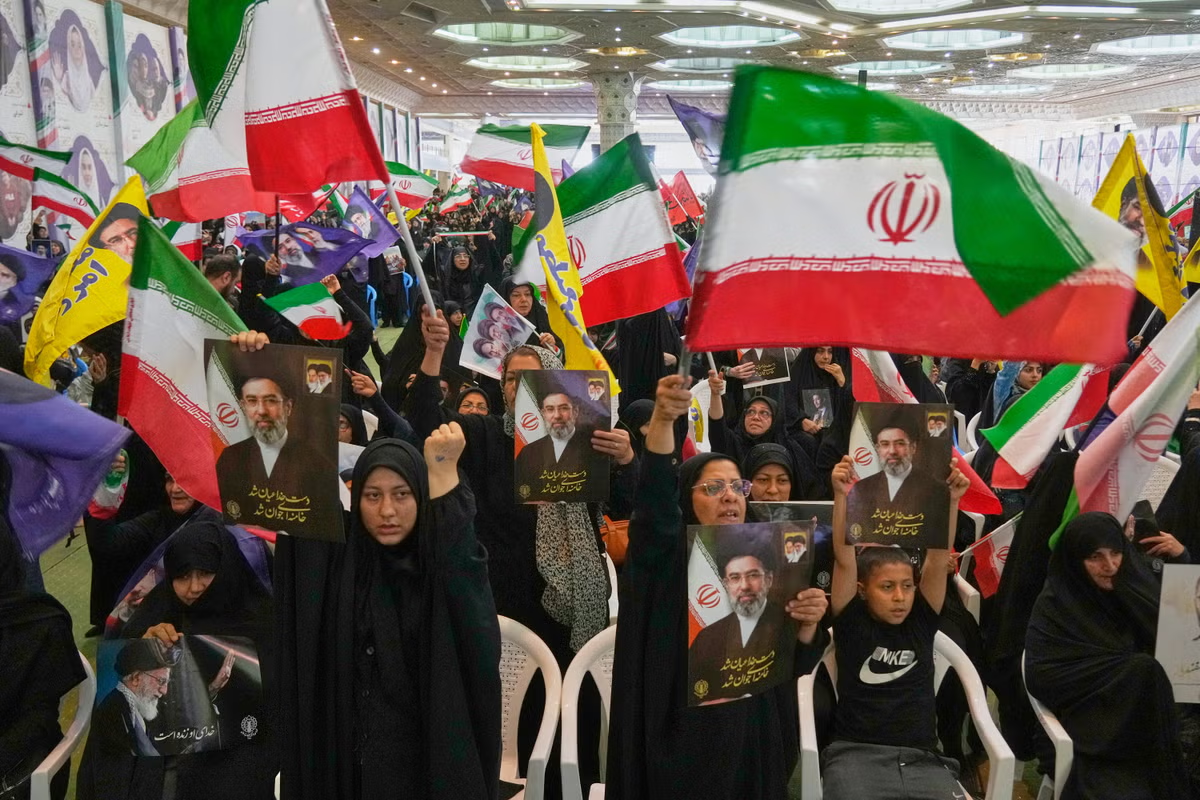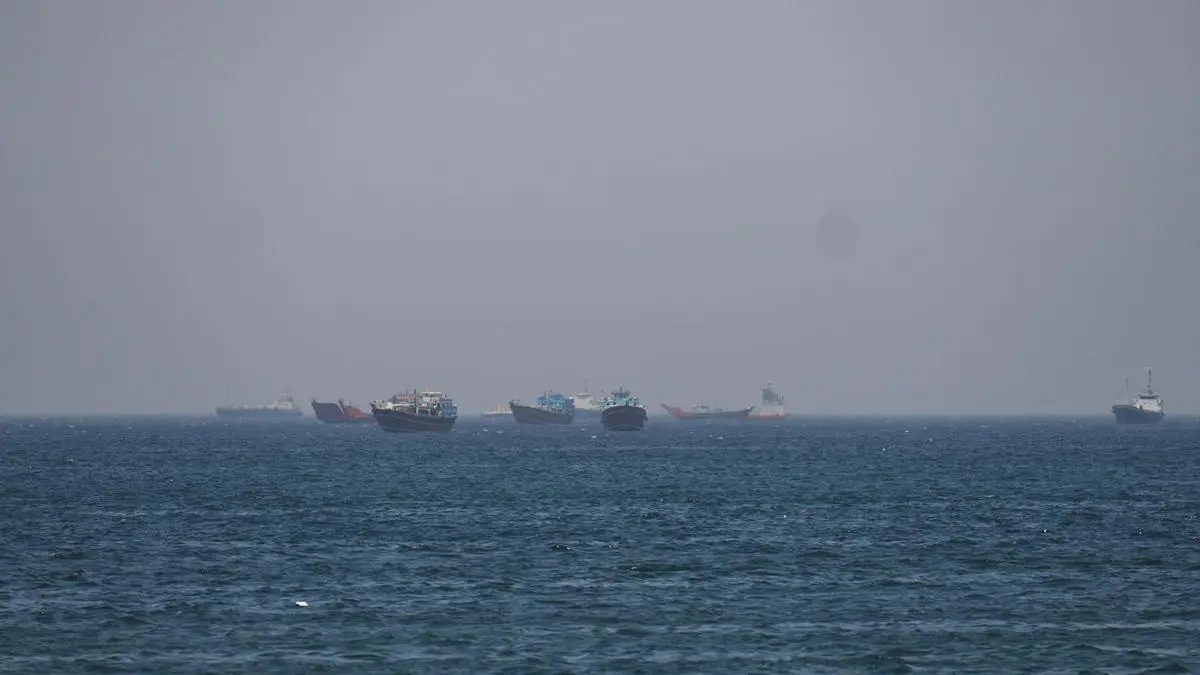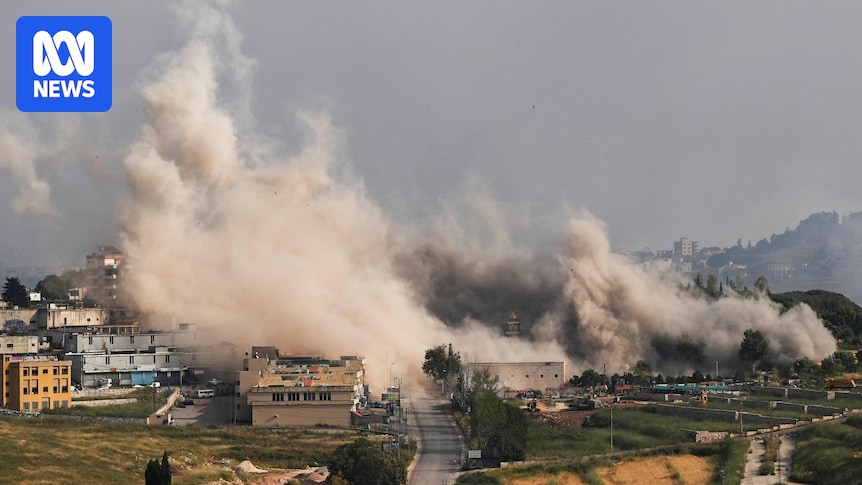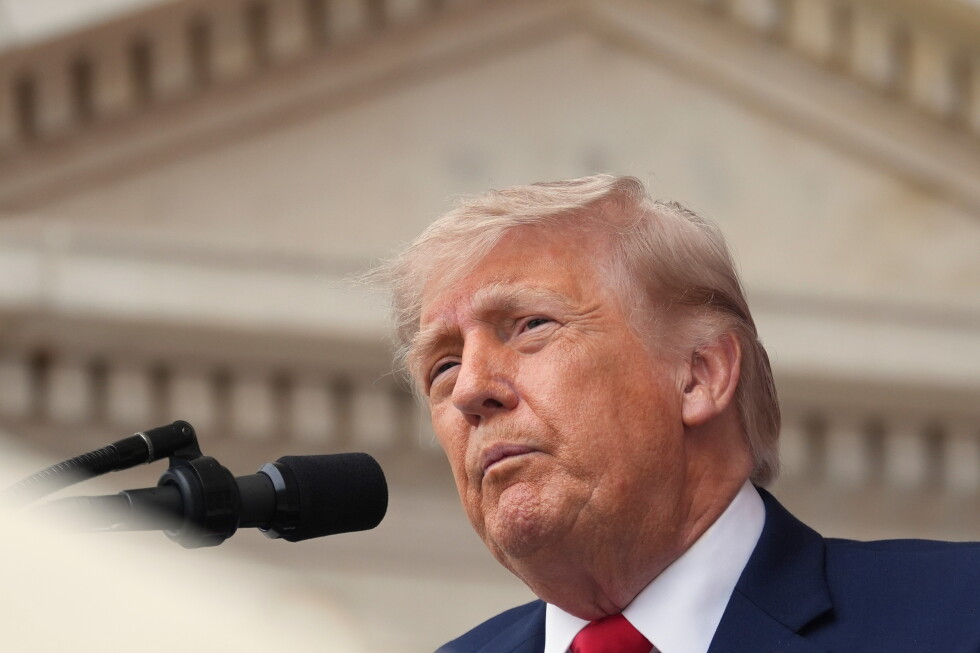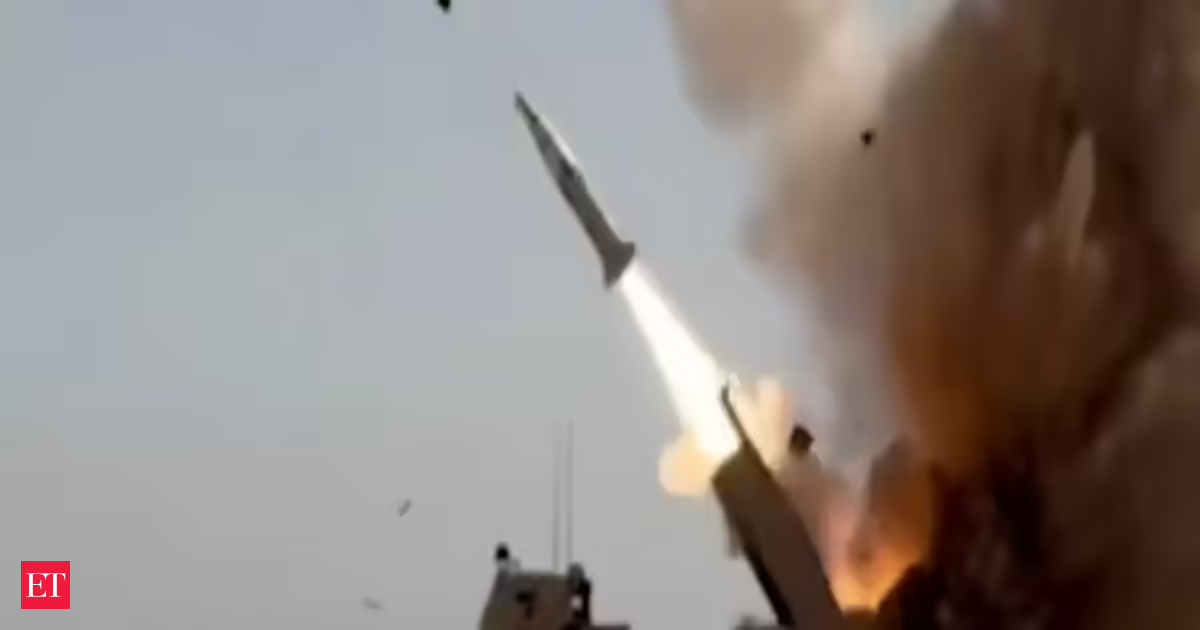
DUBAI (AP):Iran yesterday denounced the most recent US strikes as a sign of “bad faith and unreliability” as negotiations continued towards a possible deal to end the war, while the Islamic republic began restoring internet access after one of the longest nationwide shutdowns on record.The US military characterised Monday’s strikes in southern Iran as defensive, targeting missile launch sites and minelaying boats, and said the action was taken with “restraint” in light of the weekslong ceasefire.Iran’s foreign ministry called the strikes a violation of the ceasefire and warned that Washington would bear responsibility for “all consequences”, without elaborating.“The Islamic Republic of Iran will leave no act of aggression unanswered,” it added in a statement.Iran’s Revolutionary Guard said it shot down at least one drone and deterred another drone and a fighter jet that entered its airspace, according to Iran’s official Mizan news agency. It did not specify when the incidents occurred.Iran’s supreme leader, Mojtaba Khamenei, used a statement marking Islam’s annual Hajj pilgrimage to address his country’s confrontation with the US and Israel, declaring that other Middle Eastern nations “will no longer serve as a shield” for US military bases. Iran has previously criticised US military facilities in the region and targeted them.It was not immediately clear what the developments would mean for negotiations.Iranian state television reported yesterday that Iranian Parliament Speaker Mohammad Bagher Qalibaf and Foreign Minister Abbas Araghchi had left Qatar, where talks had been taking place. The report did not elaborate or indicate any next steps.US Secretary of State Marco Rubio said talks on extending the ceasefire and reopening the crucial Strait of Hormuz would “take a few days”.Meanwhile, Iranian authorities eased a monthslong internet shutdown which they described as a wartime necessity, but which has cost the country’s economy an estimated US$30 million to US$40 million a day. Internet users reported that access was gradually being restored, at least in some areas. State media said fixed broadband services had resumed. It was unclear when mobile internet would be widely restored.Iran has long enforced filters and policed content on platforms such as YouTube and Instagram. Before the war, however, many Iranians bypassed restrictions using inexpensive virtual private networks (VPNs) and other workarounds.Authorities cut off internet access in January during widespread anti-government demonstrations and later began relaxing those restrictions before imposing a complete blackout after the US and Israel attacked on February 28.The outage made it difficult for Iranians abroad to maintain contact with family members, while the lack of connectivity devastated the country’s relatively vibrant online businesses, adding further strain to an already battered economy.
Iran condemns US strikes as a show of ‘bad faith’
DUBAI (AP):Iran yesterday denounced the most recent US strikes as a sign of “bad faith and unreliability” as negotiations continued towards a possible deal to end the war, while the Islamic republic began restoring internet access after one of the longest nationwide shutdowns on record.The US military characterised Monday’s strikes in southern Iran as defensive, targeting missile launch sites and minelaying boats, and said the action was taken with “restraint” in light of the weekslong ceasefire.
428 words~2 min read