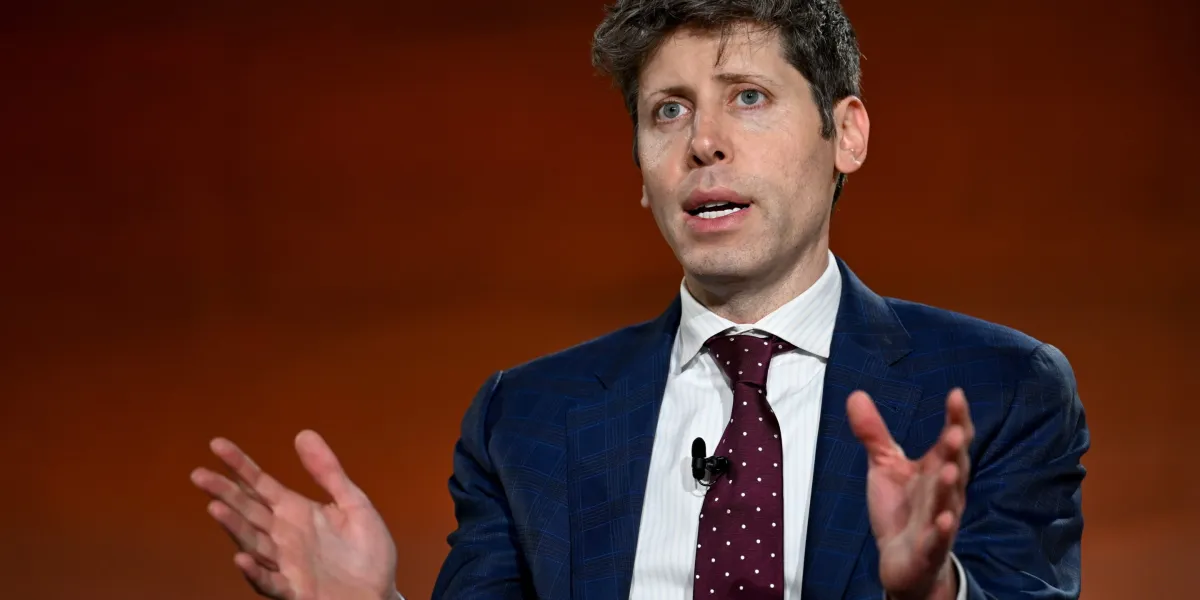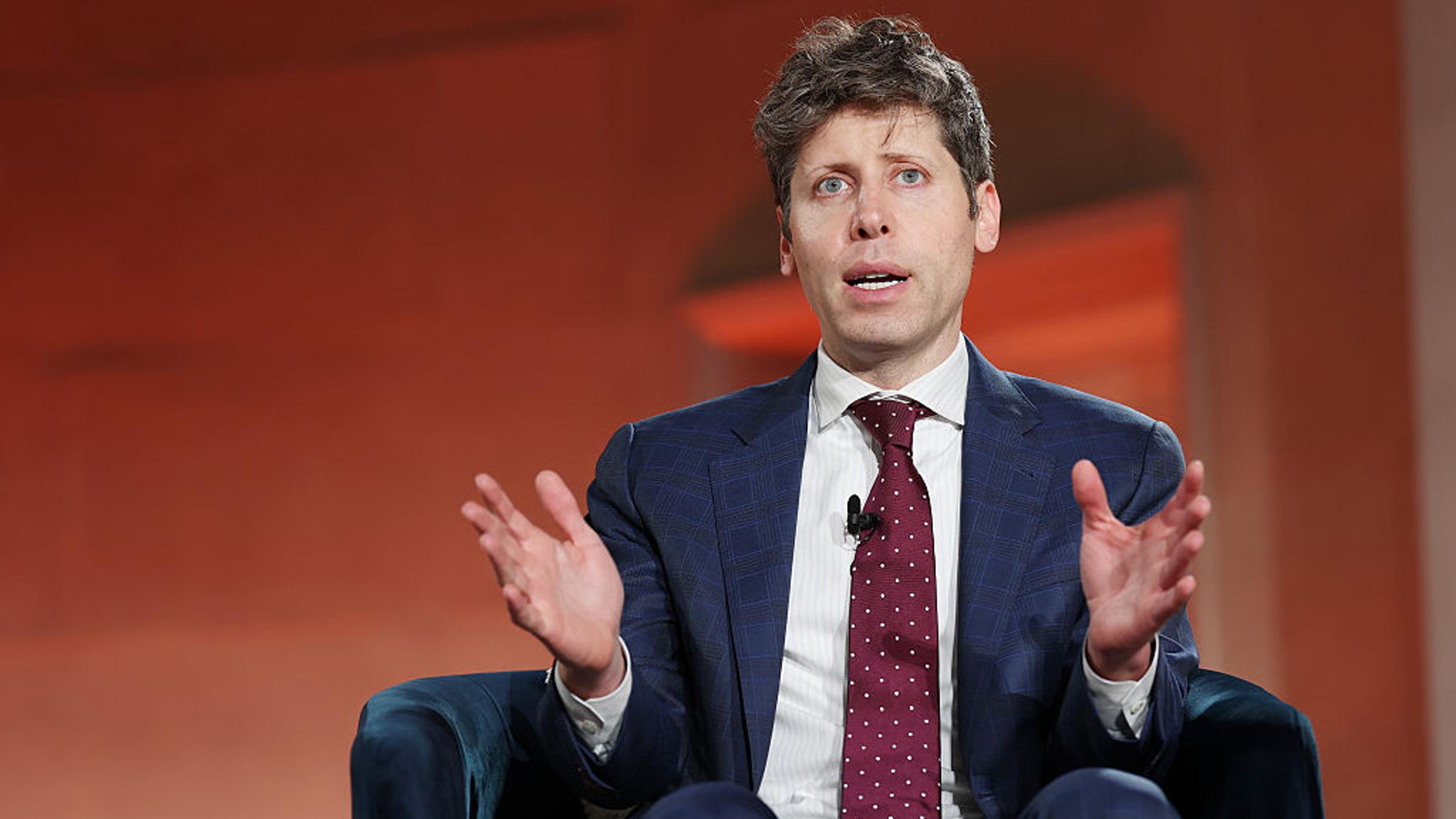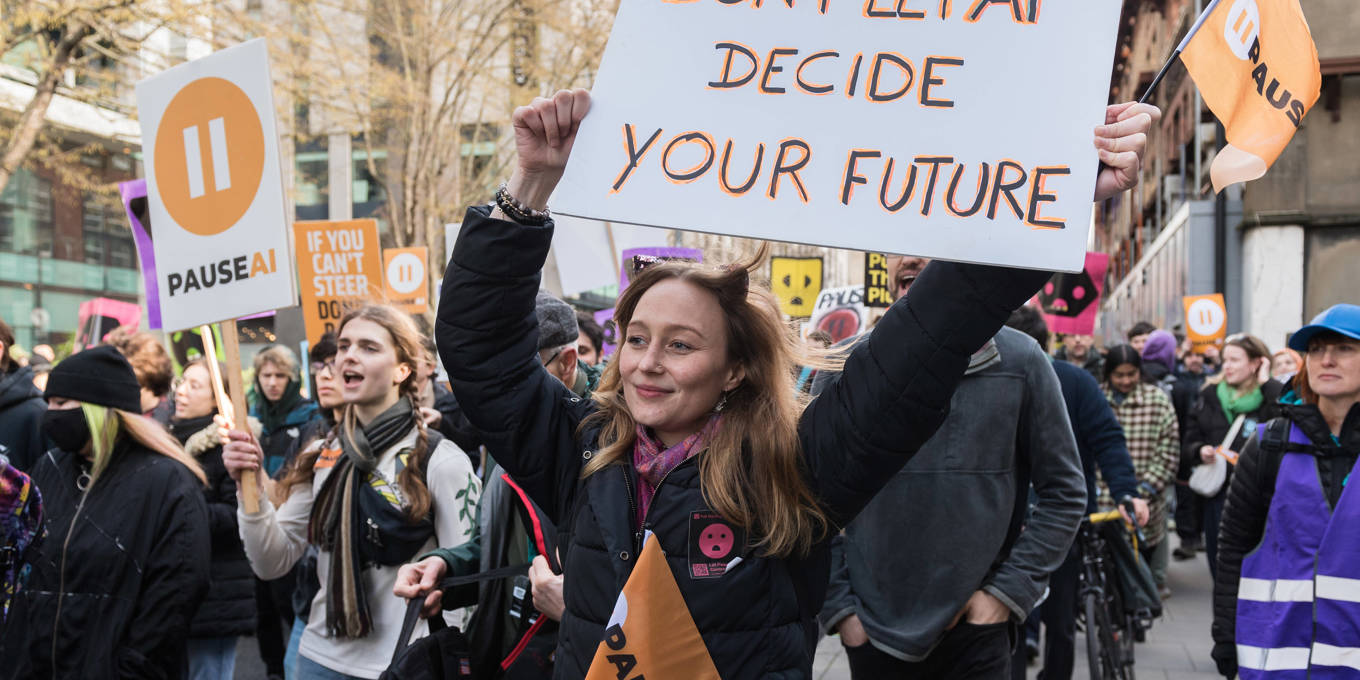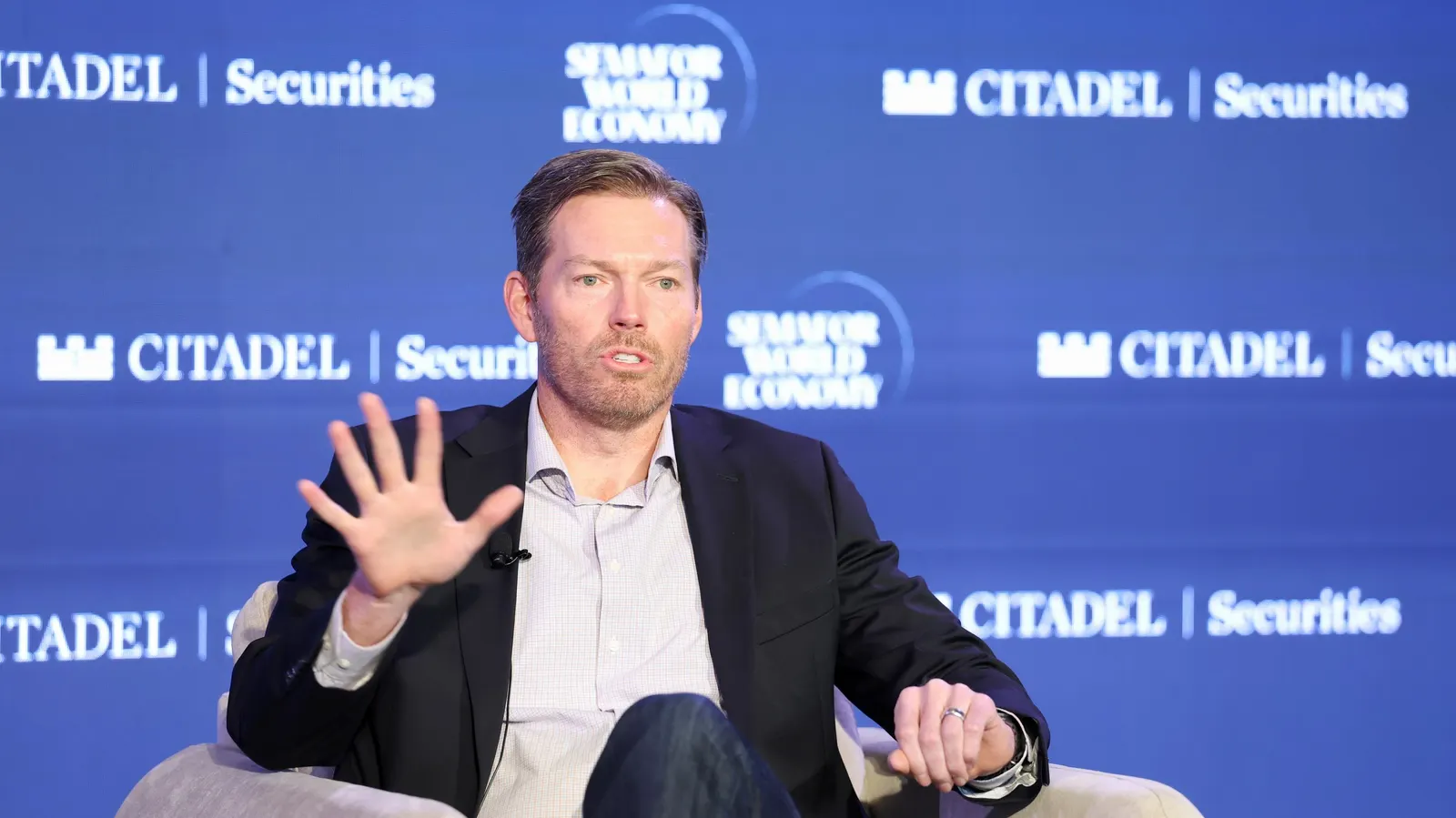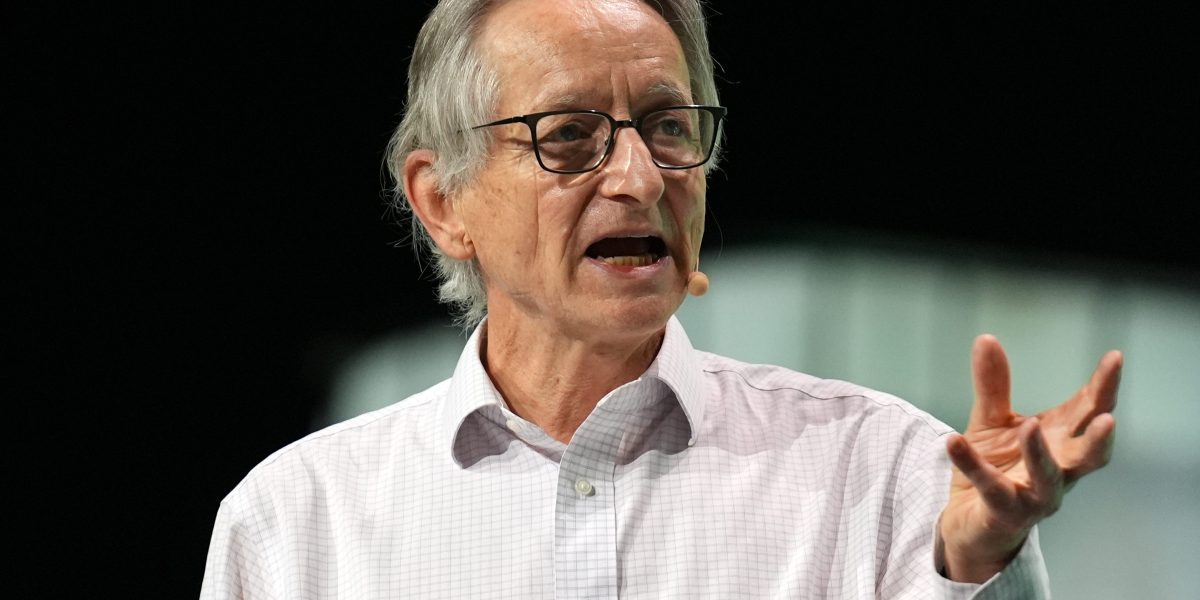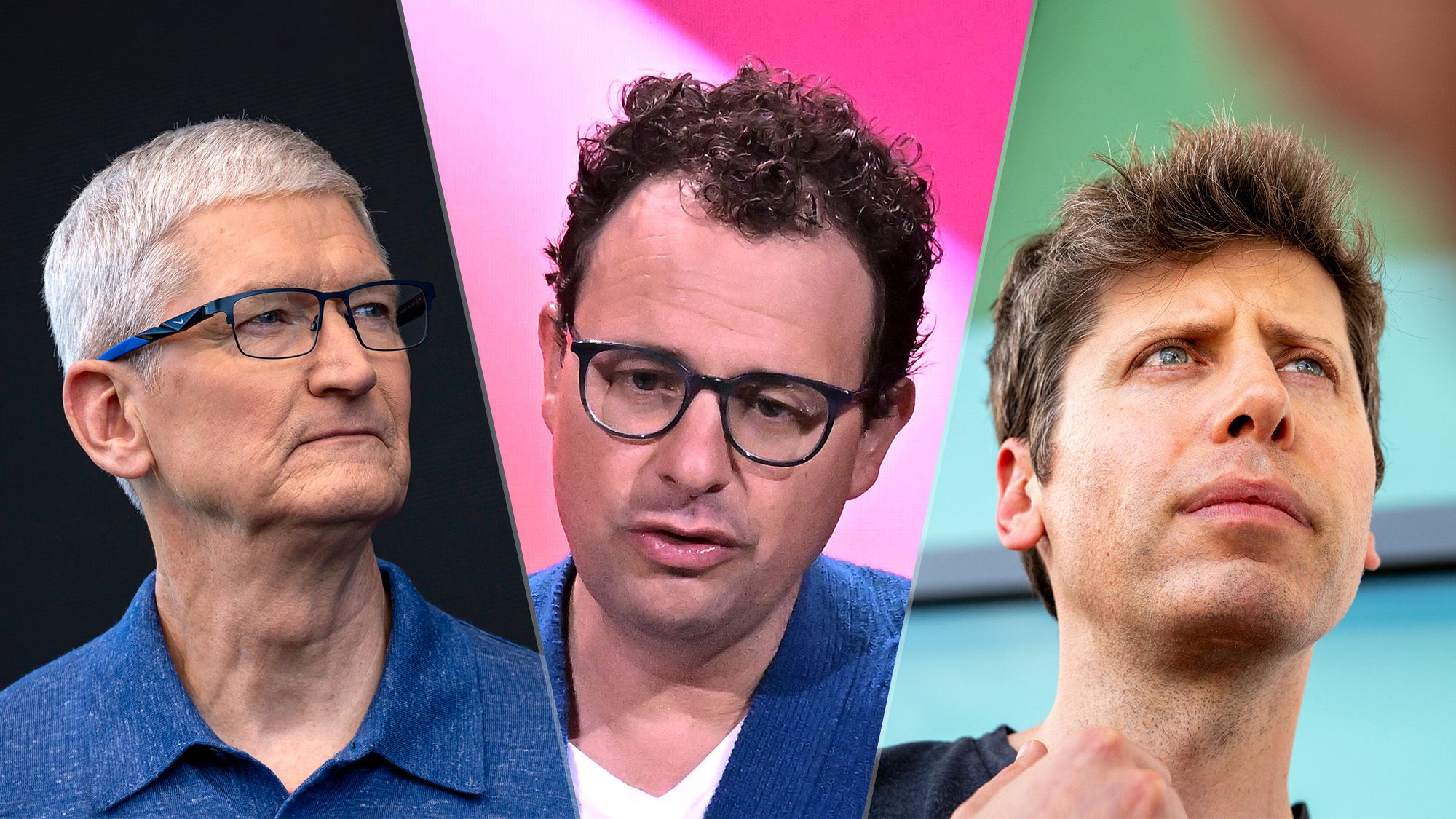
(Image credit: Credit: Tom’s Guide/David Paul Morris/Kyle Grillot/Bloomberg/Chance Yeh/Getty)
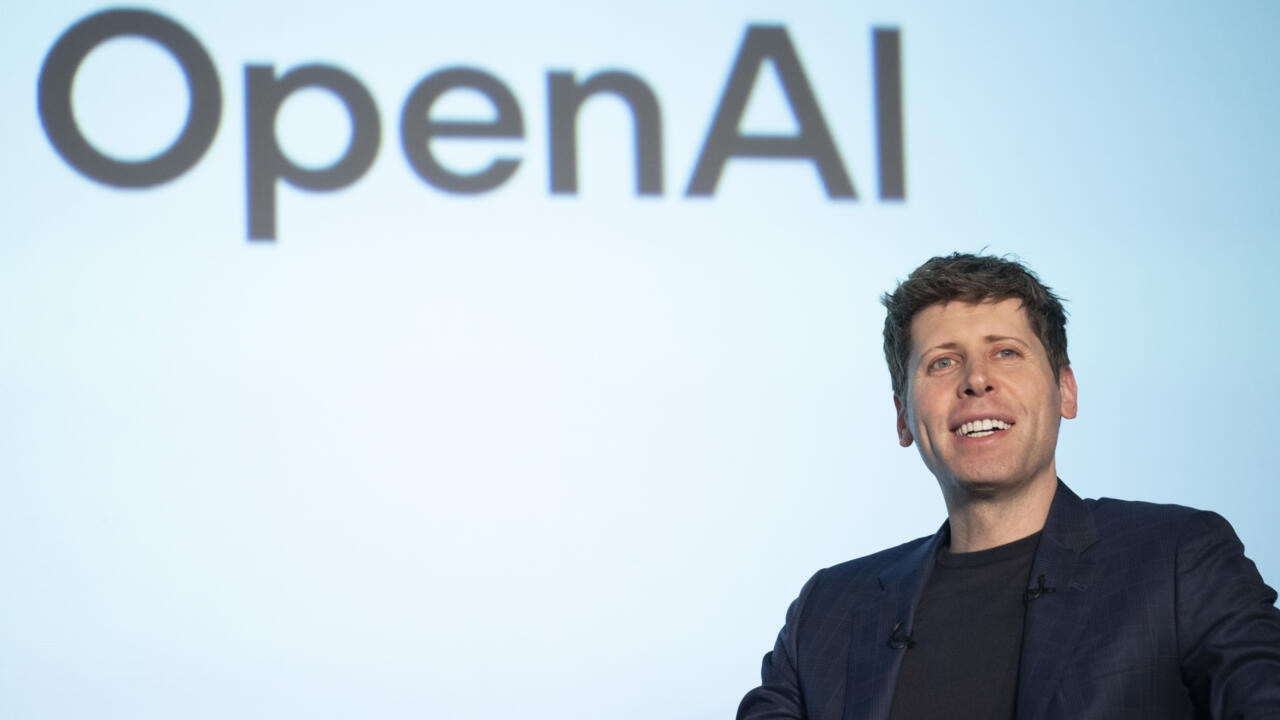
For the past two years, the AI industry has sounded remarkably certain about the future. Dario Amodei, Anthropic's CEO suggested AI would cause massive unemployment, Bill Gates predicted the end of nearly every job and even Microsoft revealed a list of jobs that AI is most likely to replace.Now, some of the same people that made those predictions are begining to walk back their statements or at the very least reframe them. Honestly, this feels like the clearest sign yet that nobody truly knows where AI technology is headed. The latest example comes from a Reuters report highlighting comments from Sam Altman, who recently admitted he may have overestimated how quickly AI would eliminate entry-level white-collar jobs. Just months ago, much of the conversation around generative AI focused on mass disruption and automation. Now, the tone coming from some of the industry’s biggest leaders sounds noticeably more cautious and far less certain.That shift matters because AI has increasingly been marketed not just as a useful tool, but as an unstoppable economic force. The messaging helped fuel an arms race involving billions of dollars in infrastructure spending, data centers and AI adoption across nearly every major tech company.But as the technology moves from hype to reality, predictions keep colliding with actual human behavior.AI keeps changing but society moves slowerOne of the biggest surprises of the AI boom is that people haven’t adapted as quickly or as uniformly as many experts predicted.Yes, tools like ChatGPT, Google Gemini and Claude have become mainstream. Millions of people now use AI to write emails, summarize meetings, brainstorm ideas and analyze information. But widespread adoption doesn’t automatically translate into immediate replacement.Many companies still struggle with hallucinations, failures, trust issues, legal concerns and workflow integration. Workers continue finding ways to use AI alongside existing jobs instead of fully automating them away. And consumers often use AI in far more casual or limited ways than the industry originally expected.This results in a strange contradiction of AI useage. While the models keep getting dramatically better, according to Pew Research, just 10% of society say they are more excited than concerned about AI.Get instant access to breaking news, the hottest reviews, great deals and helpful tips.The AI narrative keeps changing