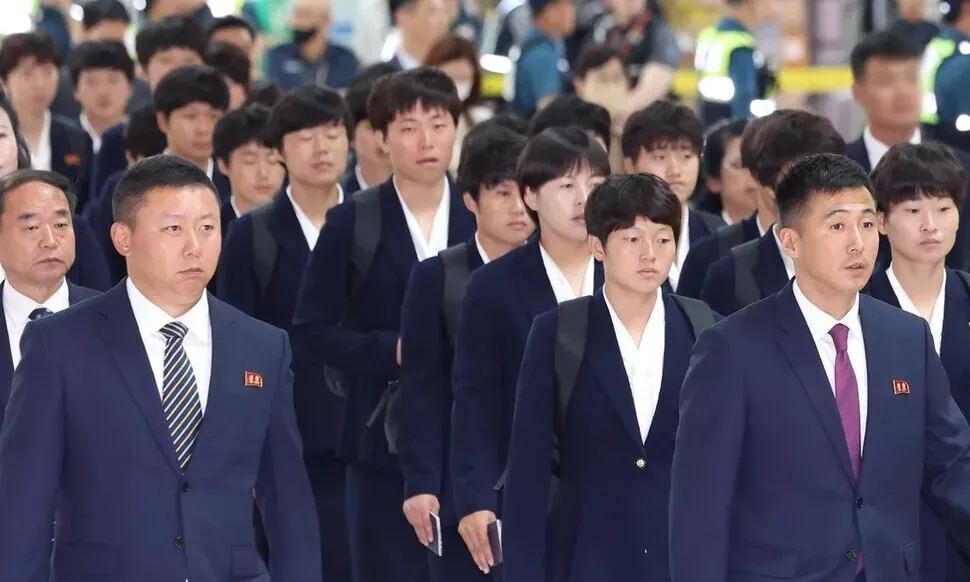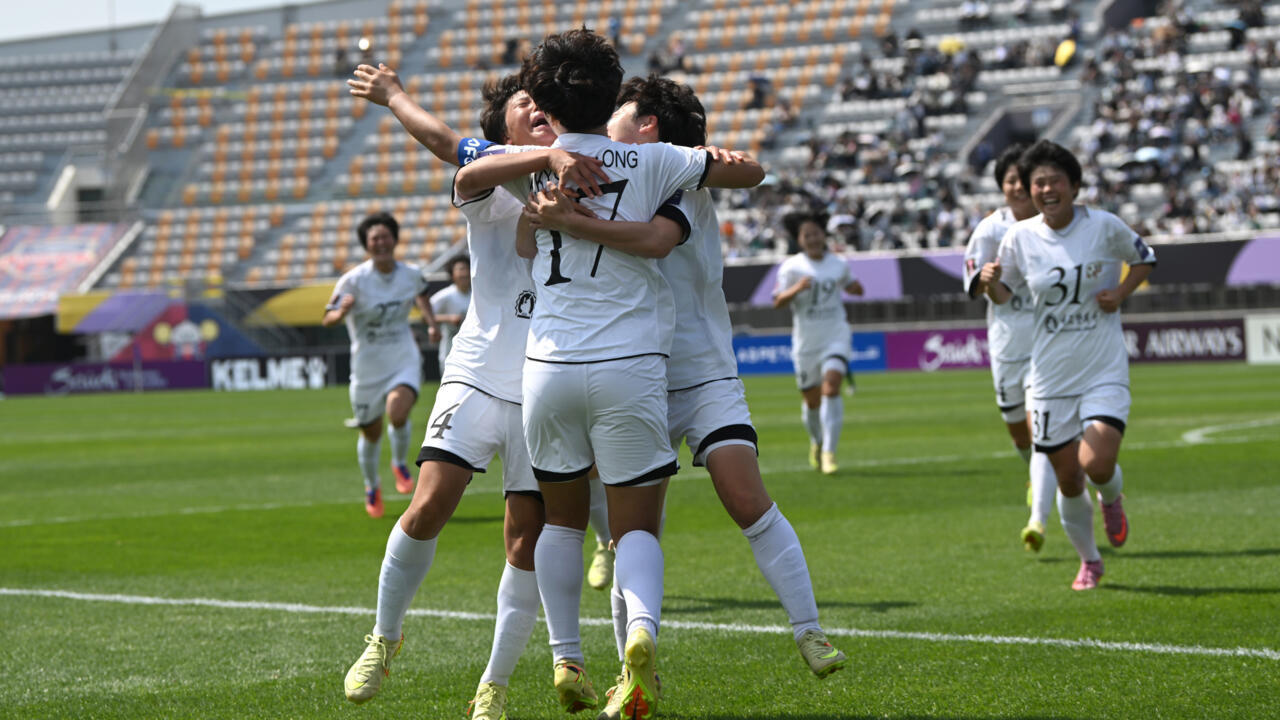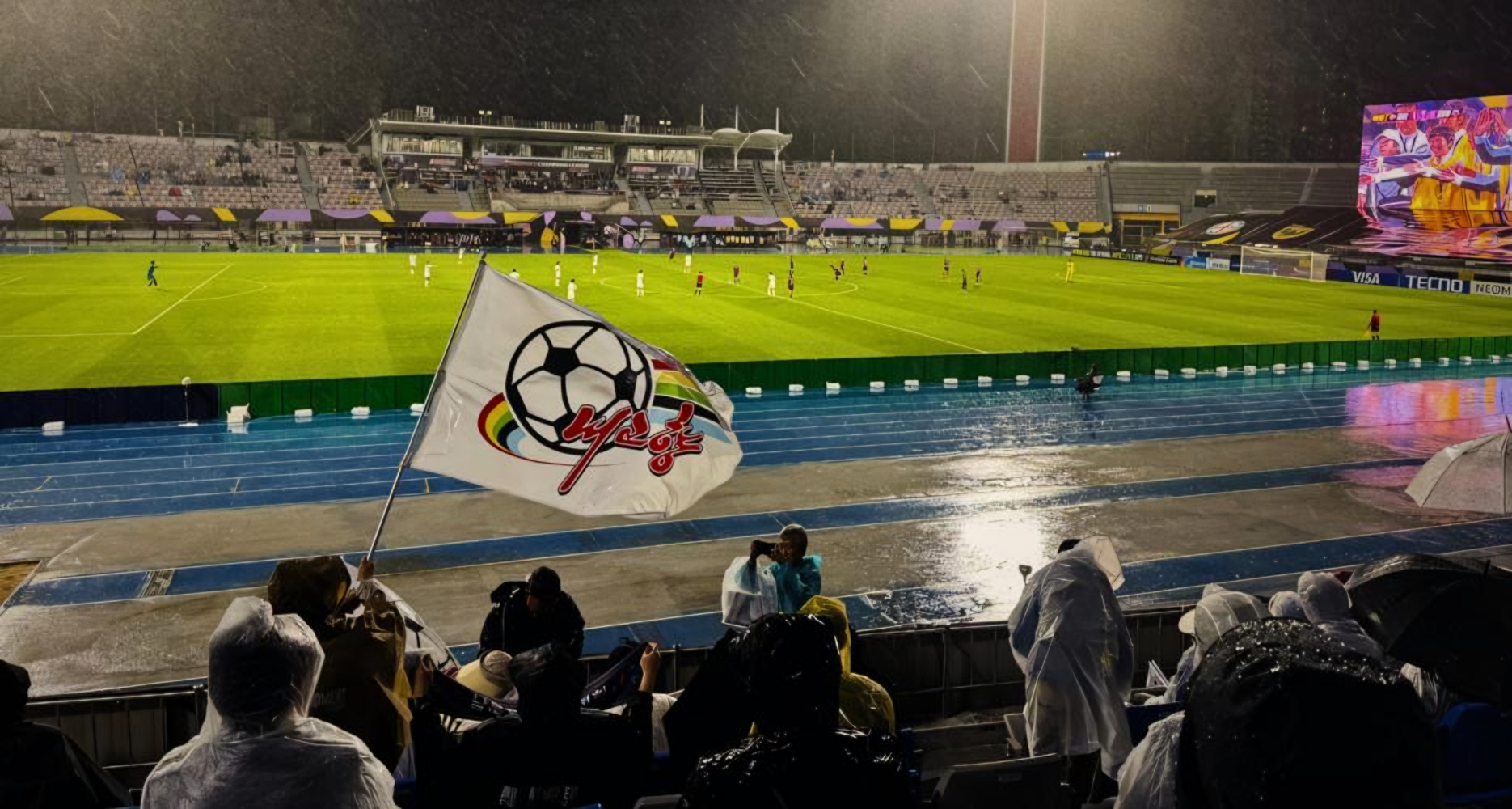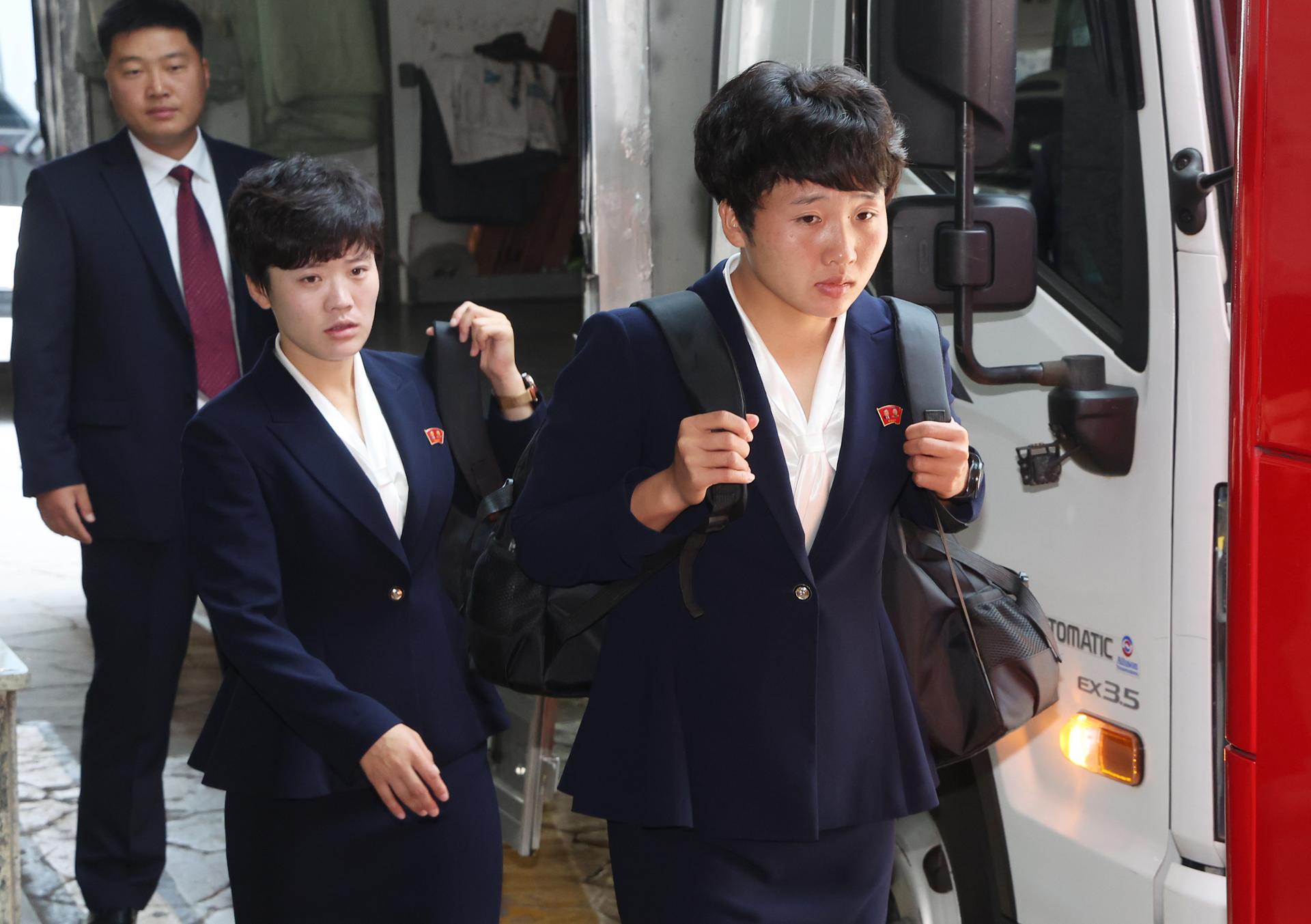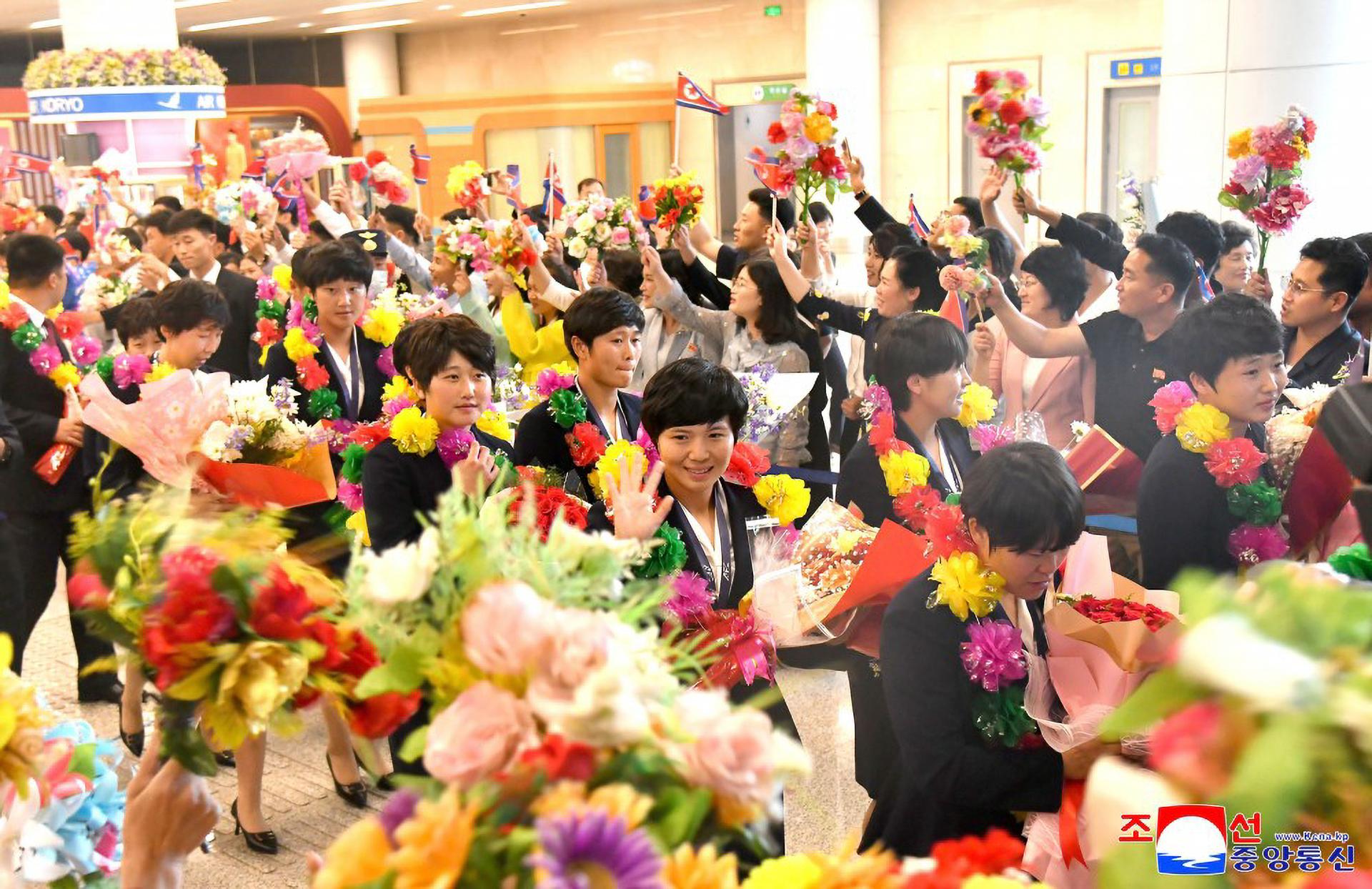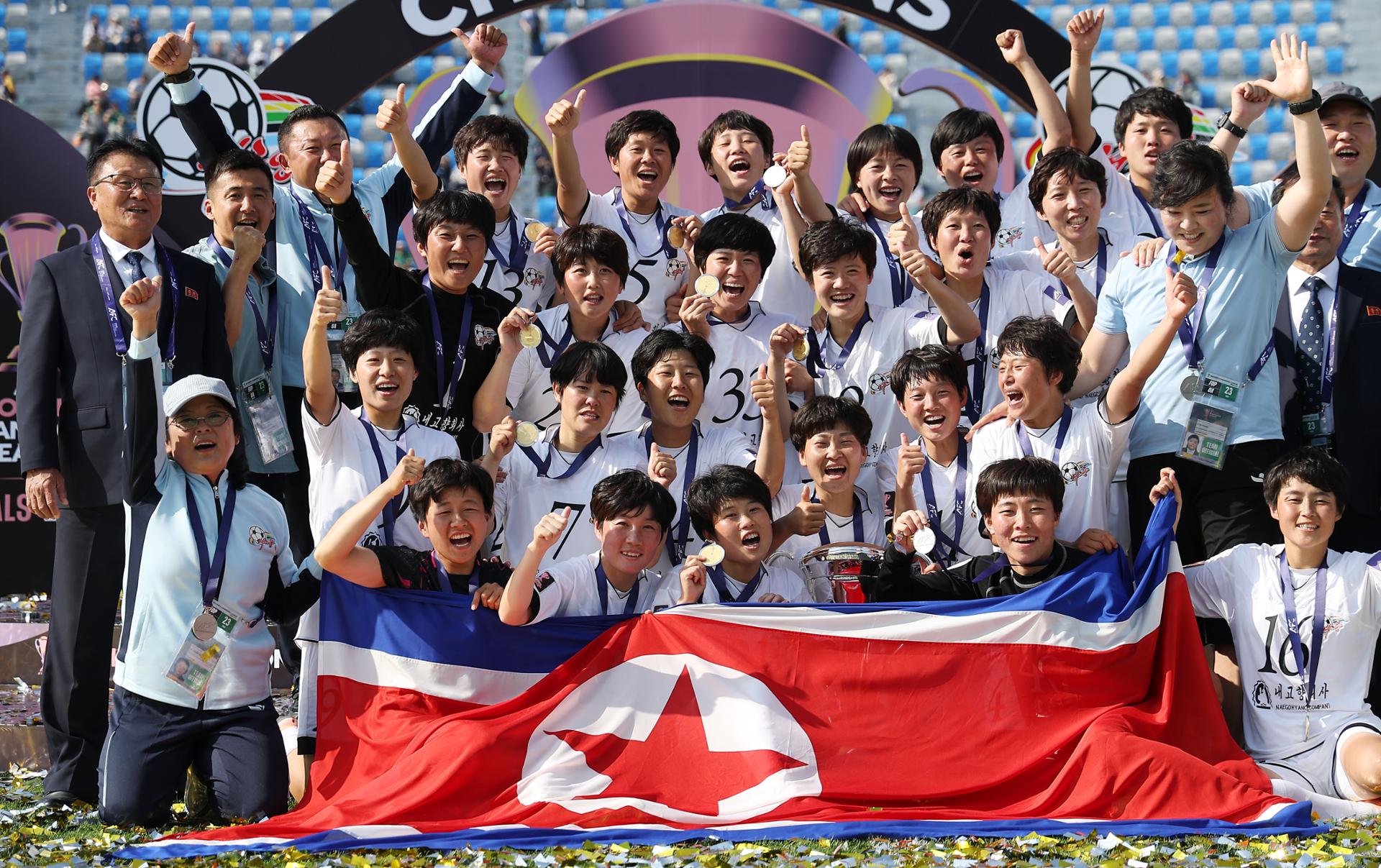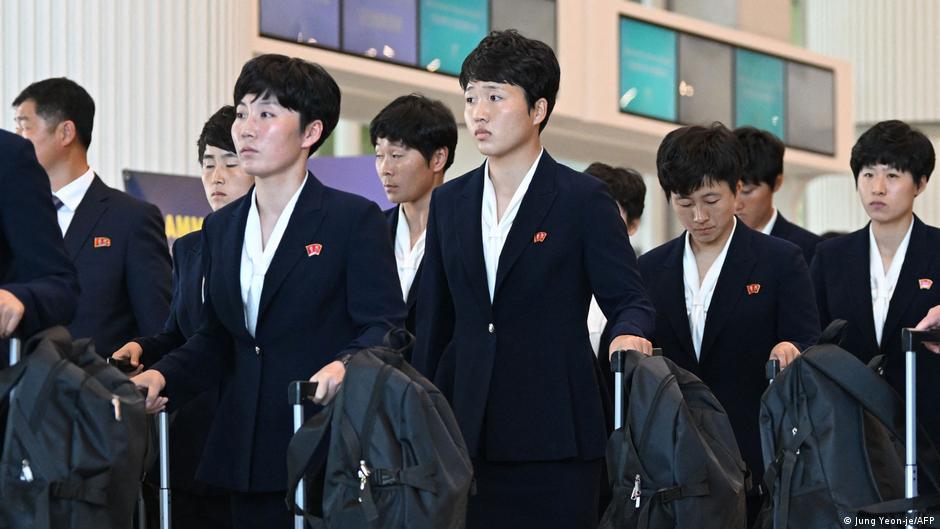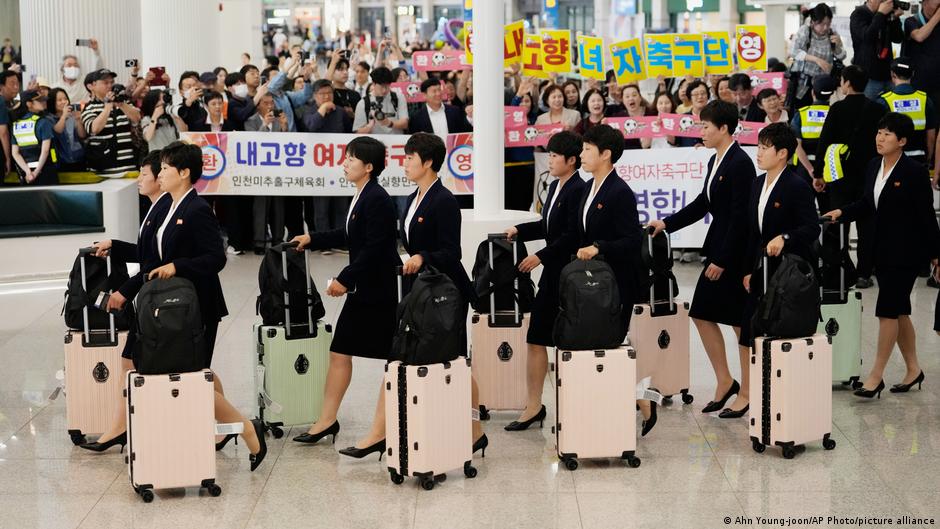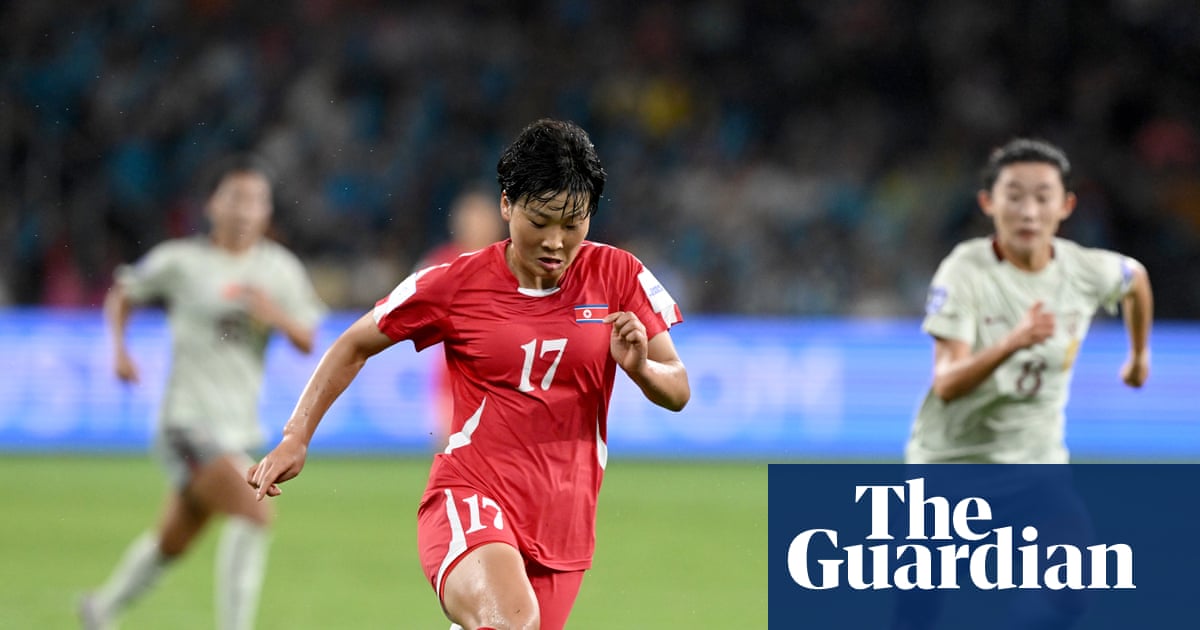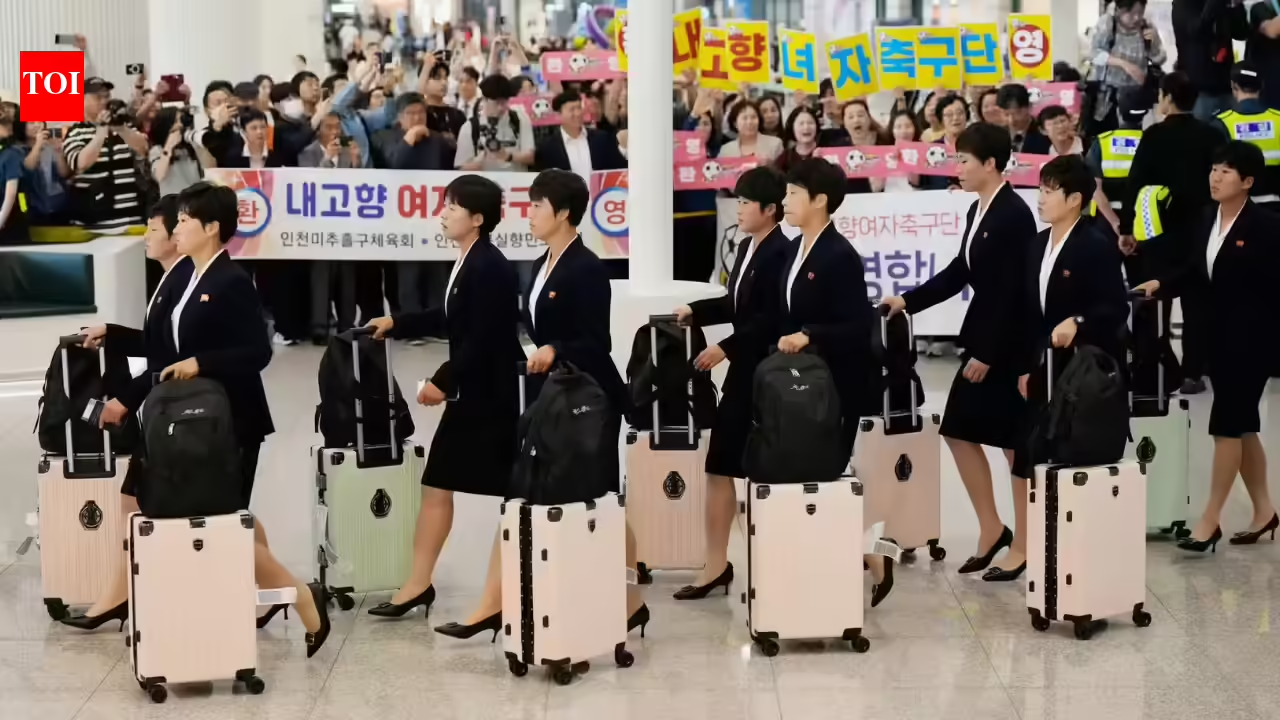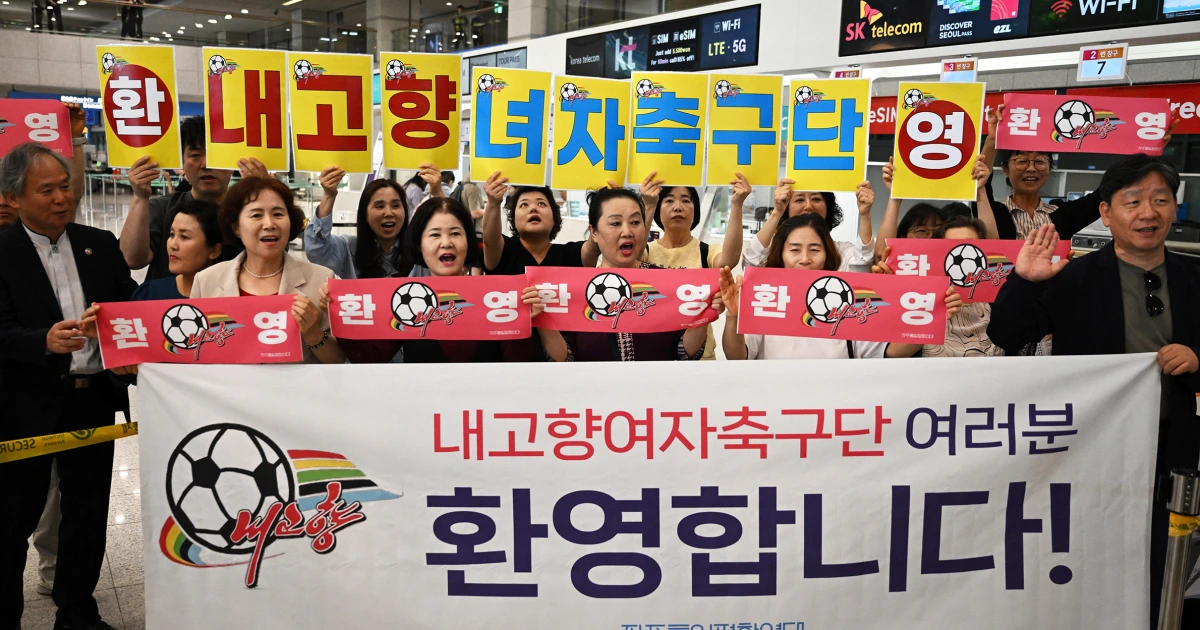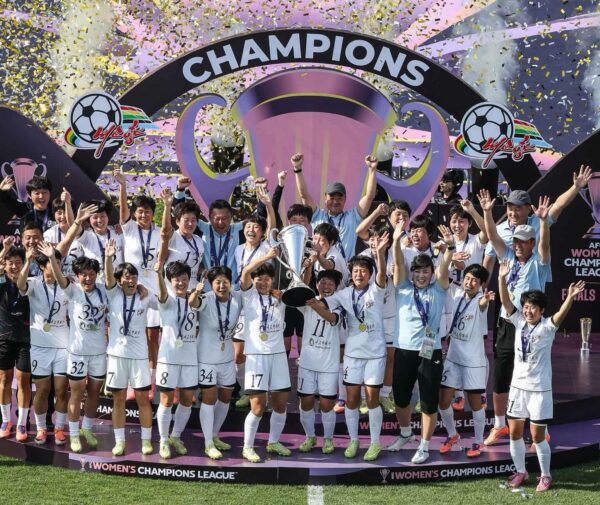
Last week, North Korea sent a sports team to South Korea for the first time since 2018. What should have been a routine women’s football tournament was instead a glimpse into the state of play for inter-Korean relations.
Observers closely watched the encounter for signs about the trajectory of engagement between the two Koreas. As Pyongyang deepens its two-state policy toward a South Korean government still searching for a new framework for inter-Korean relations, the tournament offered a rare test of how both governments would manage direct contact. The match was an important departure from the post-COVID baseline and offered insight into how North Korea now approaches the South: not as a partner in reconciliation, but as a separate state. Just as importantly, it exposed how slowly Seoul has adapted its legal and political frameworks to that shift.
Background
Since emerging from its self-imposed pandemic isolation in late 2023, North Korea has cautiously resumed participation in international sporting events. The Kim Jong Un regime has dispatched athletes to the Asian Games, international taekwondo competitions, and other events abroad. But Pyongyang has remained highly selective about where its athletes travel and whom it hosts.