China and Africa have historically grappled with poverty, a major obstacle to prosperity and development. While China has made remarkable progress, lifting more than 800 million people out of poverty over the past decades, Africa is still battling severe poverty and development challenges.
This raises two key questions: How did China achieve this in a relatively short period of time? And how can African countries draw lessons from China's experiences and adapt them to their own national conditions to accelerate poverty alleviation?
Africa's population is estimated at about 1.58 billion, exceeding the populations of China and India individually and representing roughly 19 percent of the global population.
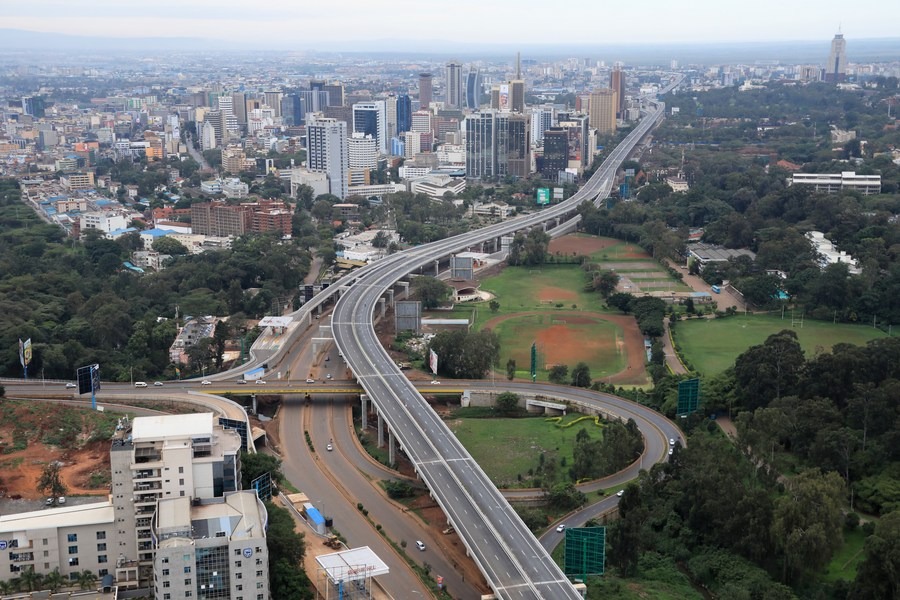
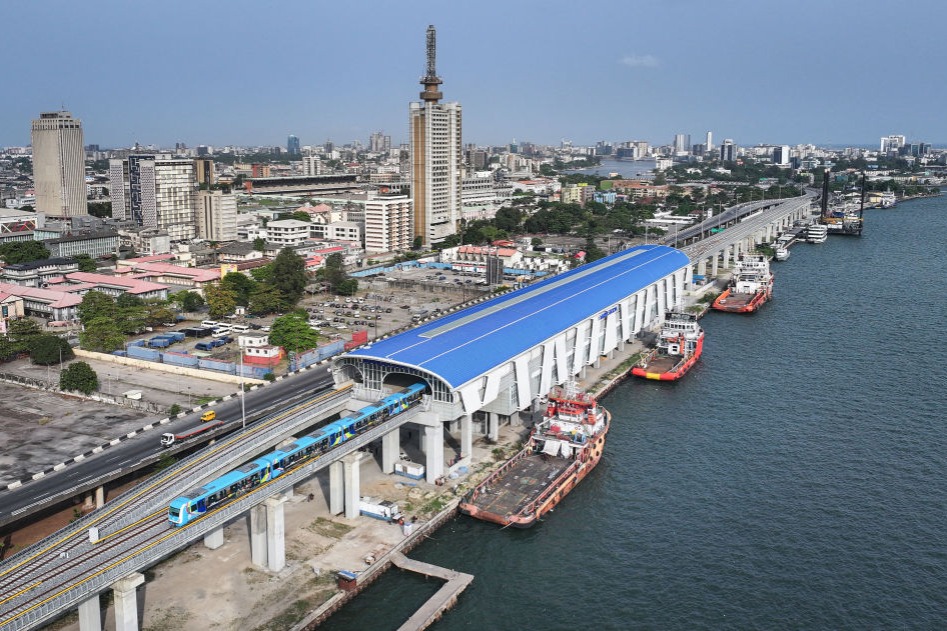
The continent's population is projected to exceed 2.5 billion by 2050. Urbanization is also growing, with at least 52 cities on the continent having more than 1 million inhabitants, according to Worldometer and 2026 demographic data.
African governments must therefore plan carefully for sustainable urban development, including adequate housing, job creation, modern healthcare systems, efficient transportation networks, reliable electricity supplies to support industrialization, quality education for all and enhanced public safety.