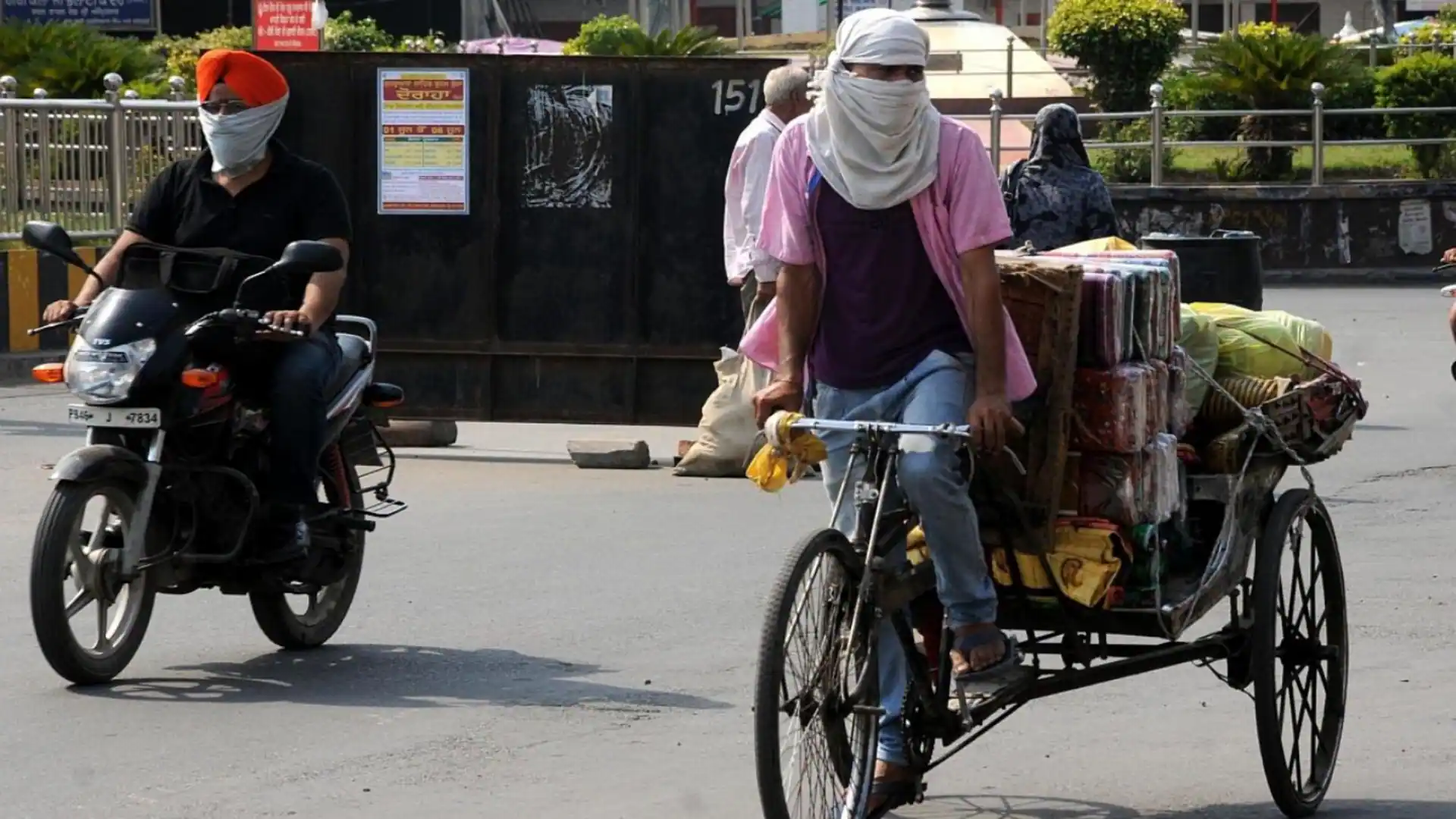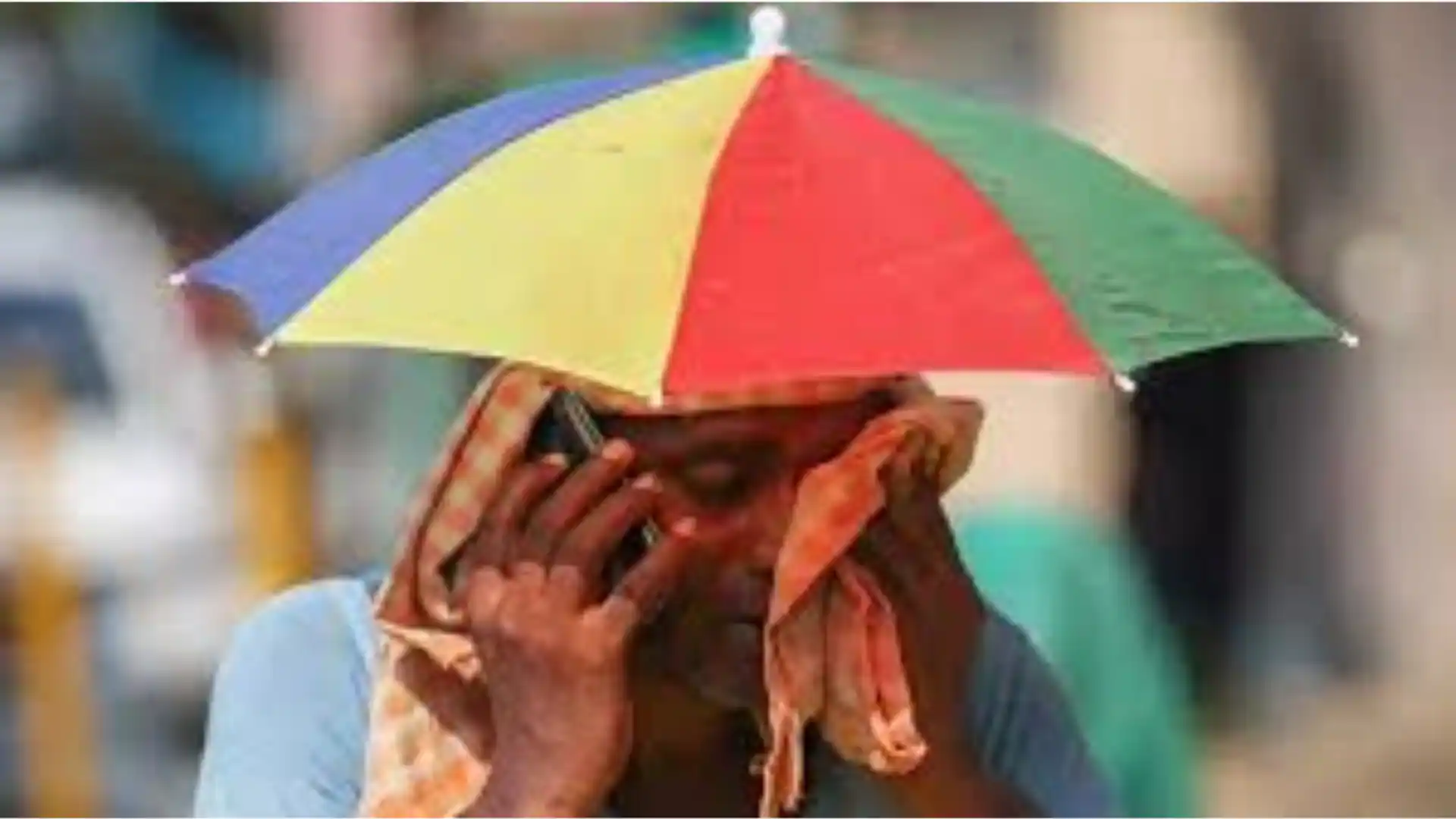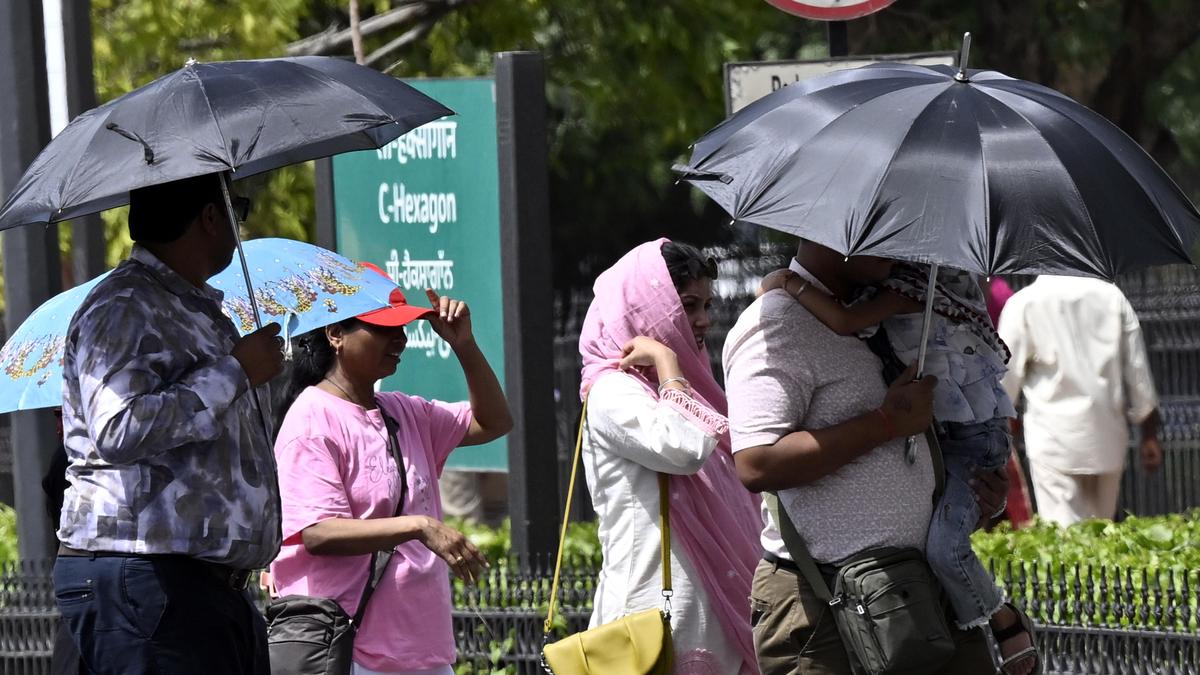
Visitors holding umbrellas to protect themselves from scorching heat on a hot summer day, as a heatwave swept across North India, near India Gate in New Delhi on May 24, 2026.
| Photo Credit: Shiv Kumar Pushpakar
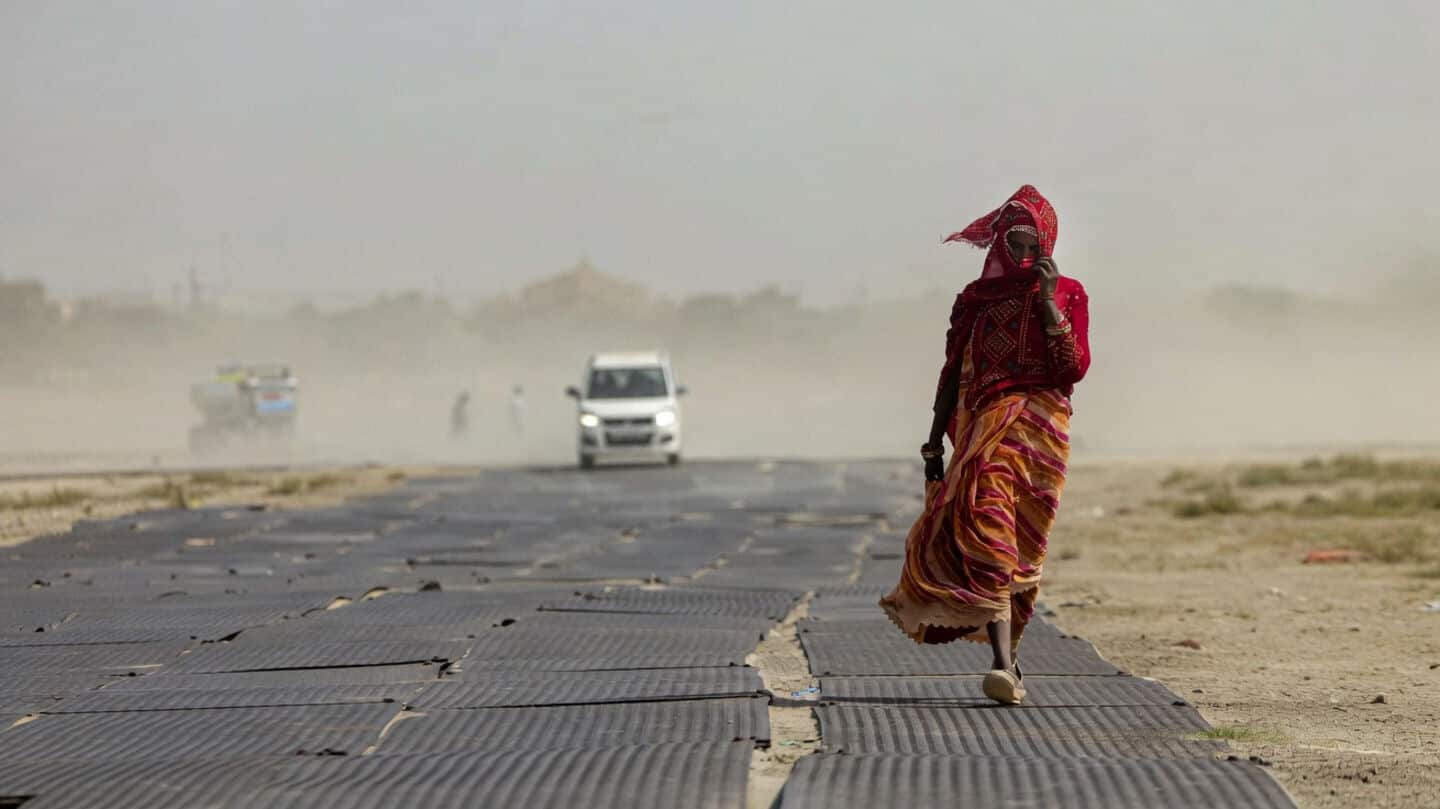
Large swathes of central and northwestern India remained in the grip of a punishing heatwave on Wednesday (May 27, 2026), with the southwest monsoon yet to make landfall over Kerala — its customary point of entry into the subcontinent.Banda in Uttar Pradesh recorded the season’s highest temperature with the mercury touching 47.4°C on Tuesday (May 26, 2026), according to the India Meteorological Department (IMD). Maximum temperatures ranged between 45°C and 47°C over Madhya Pradesh, Rajasthan, eastern Uttar Pradesh, Haryana and Vidarbha (Maharashtra), and between 40°C and 45°C across most of the rest of the country, barring the northeast, the western Himalayas, the west coast and interior Tamil Nadu.PM Modi’s appealPrime Minister Narendra Modi via X urged citizens to stay hydrated, carry water while stepping out and remain alert to signs of heat exhaustion such as dizziness, nausea and extreme fatigue. He cautioned that children, the elderly and outdoor workers were especially vulnerable, and appealed to people to keep bowls of water outside homes and shops for birds and animals.The IMD said heatwave to severe heatwave conditions had prevailed in isolated pockets over eastern Uttar Pradesh and western Rajasthan, with heatwave conditions also recorded over parts of eastern Madhya Pradesh, southern Haryana, western Uttar Pradesh, western Madhya Pradesh, Vidarbha and Chhattisgarh. The weather office said such conditions were likely to continue over central and northwest India for the next two to three days before abating from May 29.Relief may be near for northern India with a fresh western disturbance likely to affect northwest India from May 28, causing maximum temperatures to fall by 6°C to 8°C over the region between May 28 and 30, alongside thunderstorms, squally winds up to 70 kmph, hail and duststorms.Severe impact: UN officialSimon Stiell, the United Nations Framework Convention on Climate Change (UNFCCC) executive secretary, said large parts of India were enduring “a punishing summer of extreme heat” with severe human and economic impacts, attributing the trend chiefly to worsening climate change driven by the burning of coal, oil and gas. He noted that India had seen record peak electricity demand in recent days, and that solar and other renewables had helped meet daytime peaks.On the monsoon, the IMD said the southwest monsoon had advanced further into parts of the Arabian Sea, the Lakshadweep area and the Bay of Bengal as on May 27. Its arrival over Kerala — for which the IMD had set a forecast window around May 26 — remains within the four-day margin of error built into the official prediction, with conditions favourable for further advance over the next two to three days.The season ahead is clouded by the prospect of an El Niño, the Pacific warming pattern that typically suppresses monsoon rainfall over India. As of mid-May, the equatorial Pacific was rapidly transitioning into El Niño conditions, with weekly sea-surface temperature anomalies in the Niño3.4 region firmly reaching +0.9°C.Forecasters place the probability of El Niño through the May-July period at around 98%. The IMD has already projected below-normal monsoon rainfall for 2026, a concern for the roughly 60% of Indian farmers who depend on the seasonal rains for the kharif crop. Published - May 27, 2026 08:42 pm IST