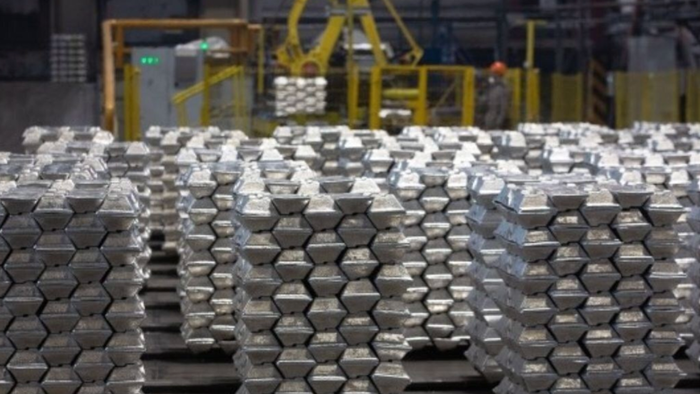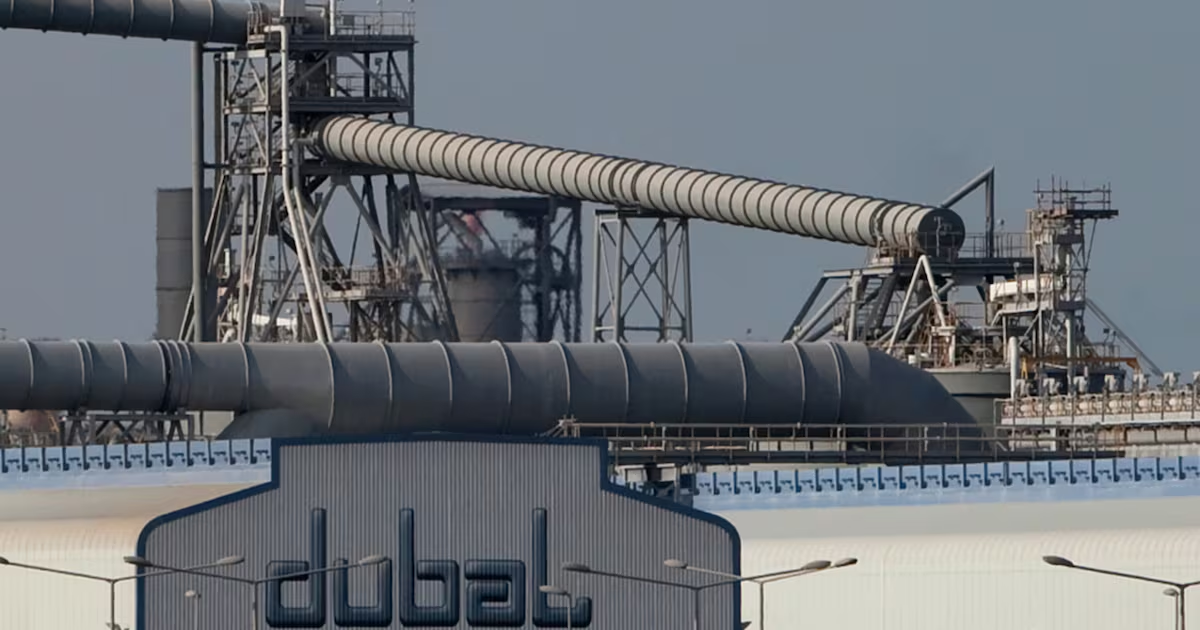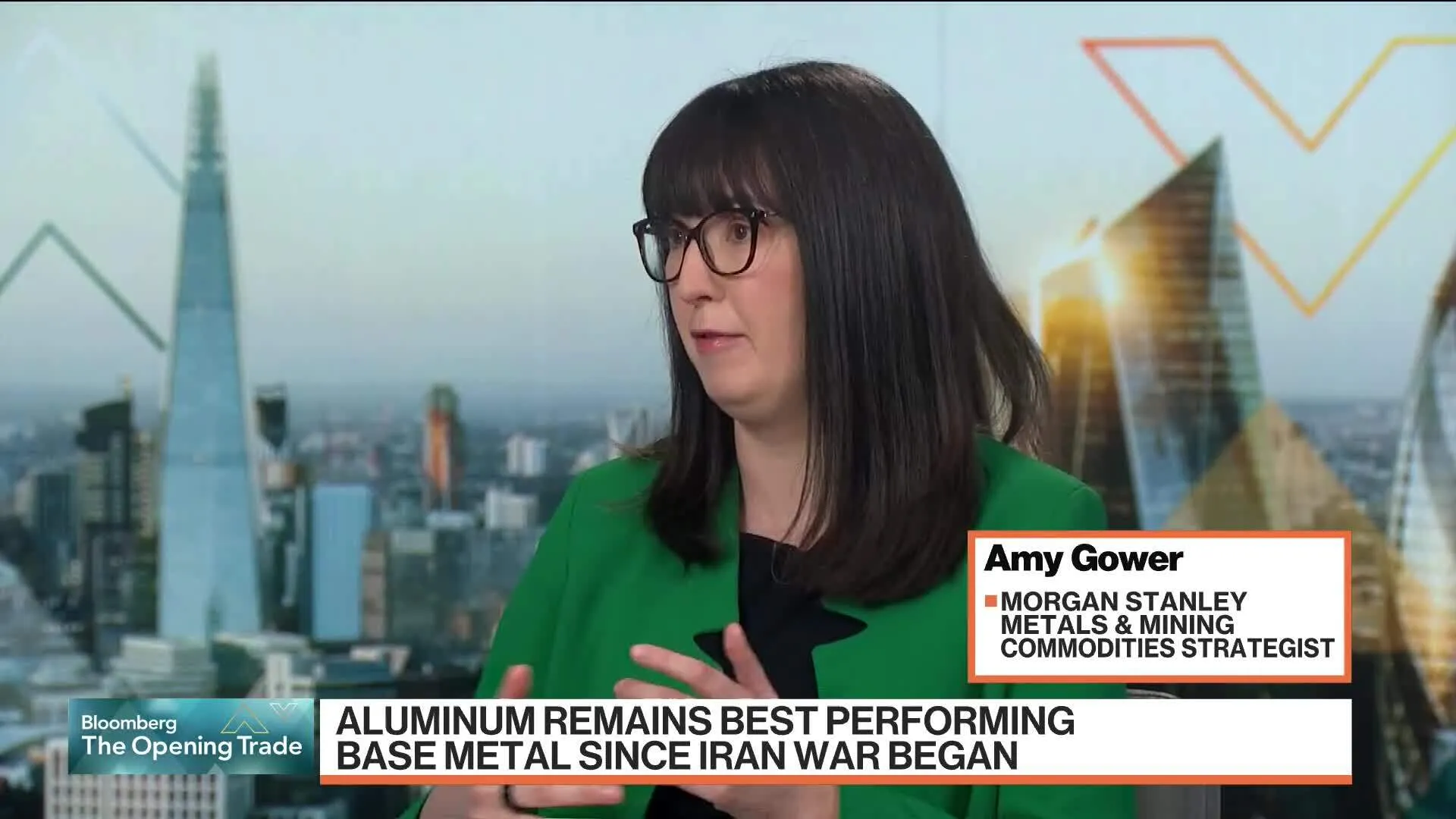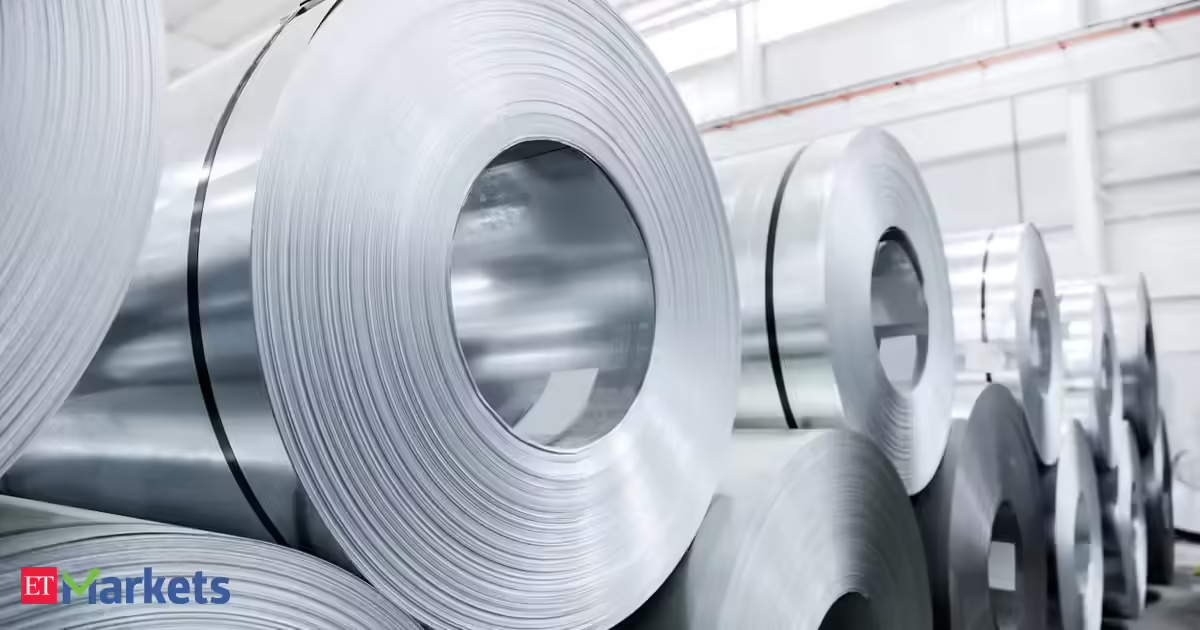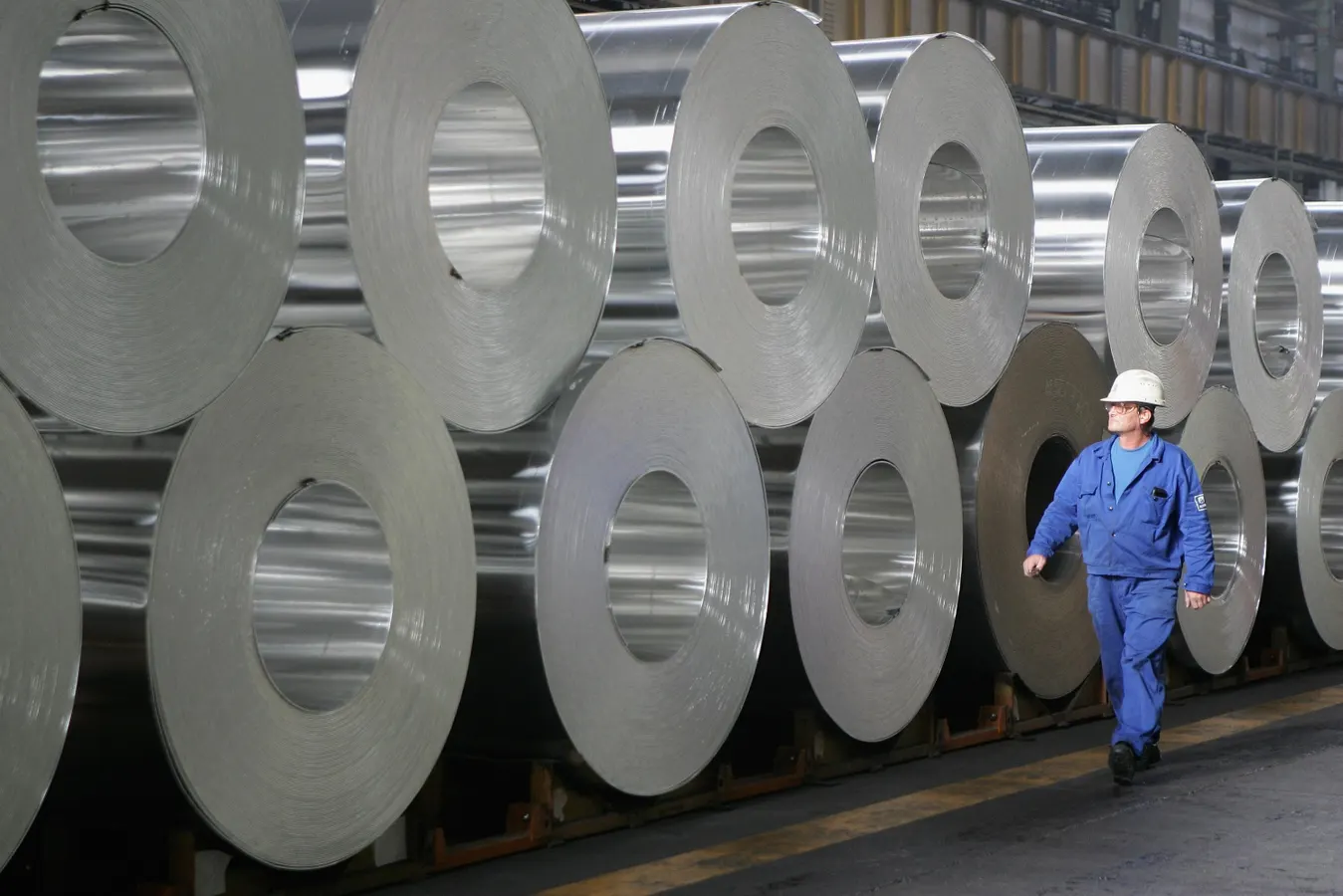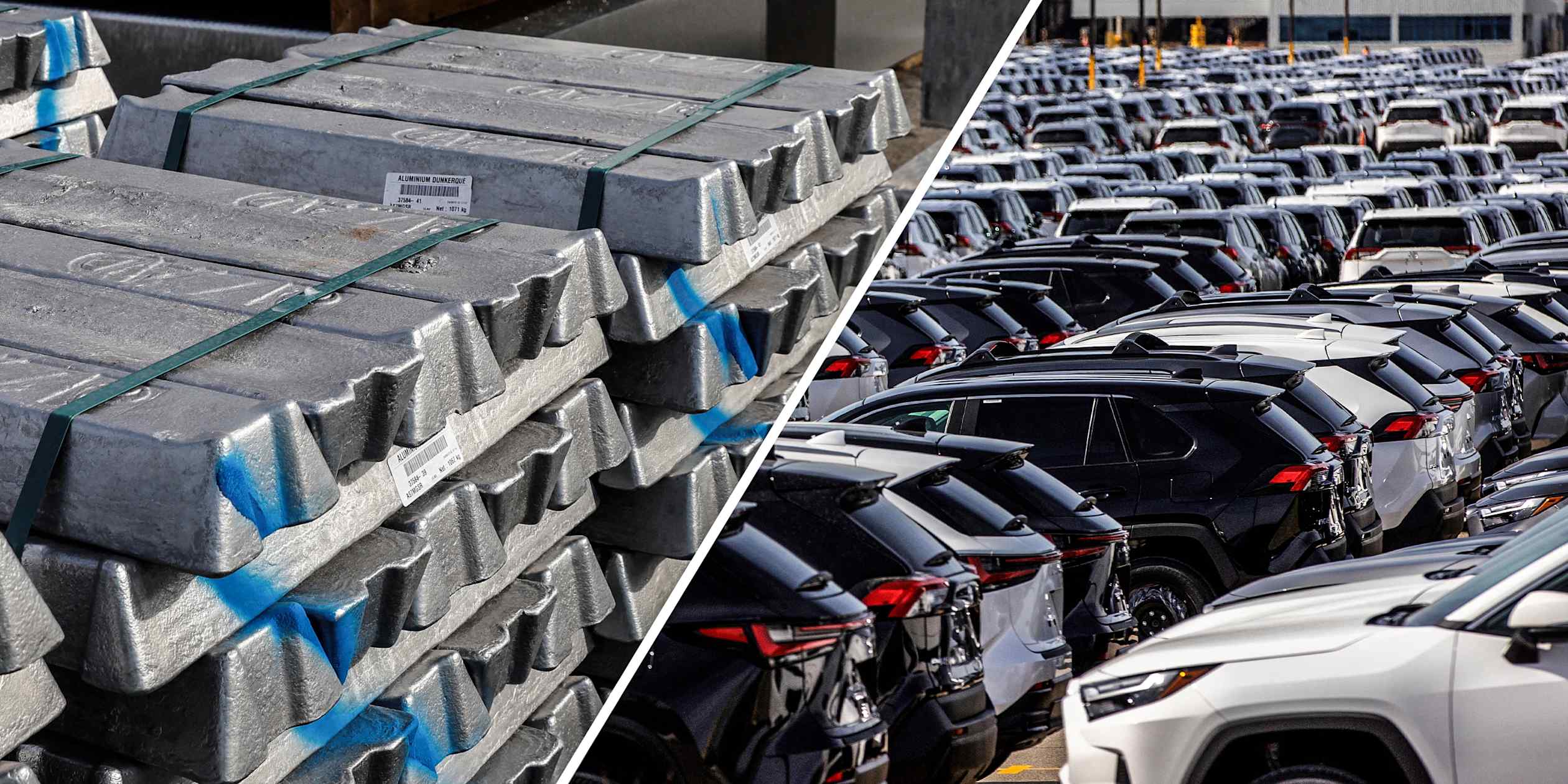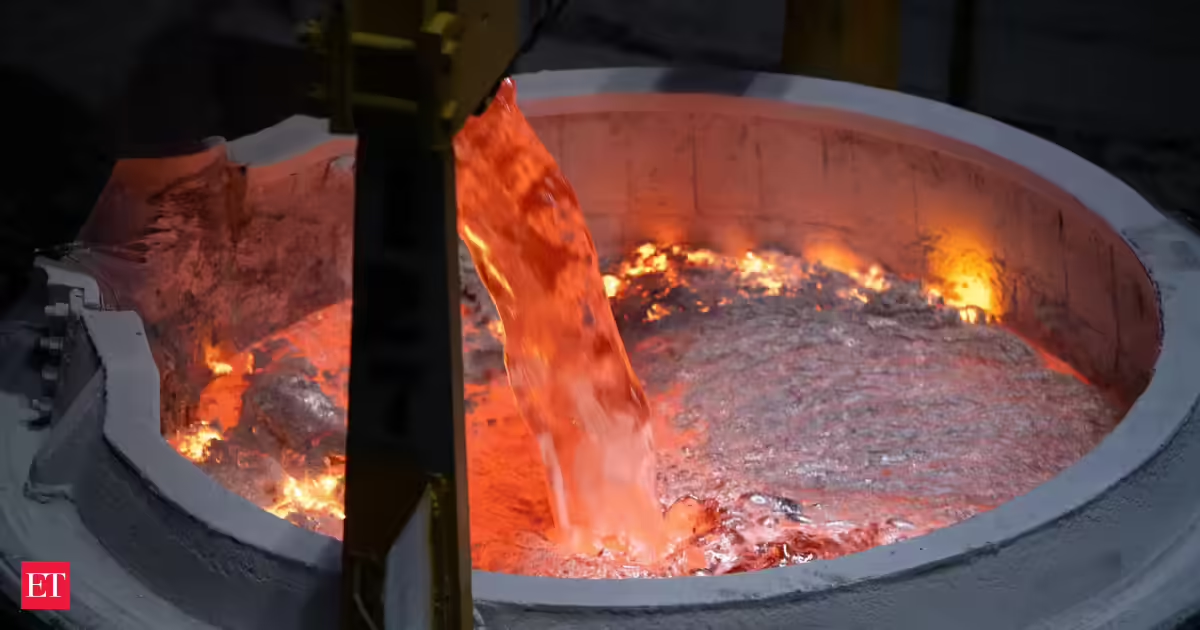
The war in Iran and the accompanying shipping bottleneck are triggering a historic crisis in the aluminum market, with potentially devastating knock-on effects across sectors that depend on the base metal.Aluminum is the third most used metal in the world, behind only iron and steel.Aluminum is prized for its high strength-to-weight ratio, corrosion resistance, and excellent conductivity — properties that make it essential for everything from beverage cans and cooking foil to aerospace components and power grids.Key sectors utilizing aluminum include packaging, transportation, defense, construction, electronics, solar power, and electricity transmission. Aluminum is also used in everyday consumer goods such as cookware, patio furniture, bicycle frames, and sporting goods.For the past 20 years, the aluminum market has been in structural oversupply with high inventories. But everything changed with the war in Iran and the effective closure of the Strait of Hormuz.Discussing how the conflict is affecting non-ferrous base metals markets, Argus Media reported in April that The most immediate and visible effect has been in aluminium because the Middle East is a major export hub, accounting for around 9pc of global supply.Gulf Cooperation Council countries produce around 6 million tonnes per year of primary aluminum, with the majority exported through the Strait of Hormuz to Europe, Asia and North America.Related: NATO Warns Russia’s Hybrid War Is Targeting Europe’s Energy GridTwo Gulf aluminum smelters were damaged in missile strikes: Emirates Global Aluminium’s (EGA)’s Al Taweelah plant in the UAE, and Aluminium Bahrain, the largest production plant outside of China.Al Taweelah will take a year to repair, while at least one other producer — Qatalum — has reduced capacity, Reuters’ metals columnist Andy Home wrote last week, adding that the continued closure of the Strait of Hormuz is causing major logistical problems for those still operating.Gulf production has plummeted to its lowest level in over a decade in April, according to the International Aluminium Institute (IAI).The attacks saw aluminum prices soar to their highest levels since the start of the Ukraine war in February 2022. As of this writing, UK aluminum futures were trading at $3,678.60 per tonne, the highest in over four years. Since the war began, UK prices are up 16%.Despite falling short of 2022 record highs, Home argues that “red lights are flashing on the market dashboard” due to the sharp tightening in London Metal Exchange (LME) time-spreads, and the rise in physical premiums around the world.LME time-spreads (also called calendar spreads) represent the price difference between different maturity or prompt dates for the same base metal. These spreads are essential for physical hedgers, financiers and traders looking to manage risk along the forward curve.The LME's benchmark cash-to-three-months spread flipped into backwardation in early March and cash is currently trading at an $80 premium, the tightest the market has been since 2007. Back then it was a short-lived squeeze on short position holders. This time around the tightness is persistent and looks structural.That's because LME stocks, which were already low, have been raided as traders look to fill the supply-chain gaps opening up due to the loss of Gulf production.LME registered stocks have fallen by a third to 339,475 tons since the start of the year. As for the rise in physical premiums, the Chicago Mercantile Exchange (CME) spot premium for Japan has more than doubled to $316 per ton over the LME price since the start of hostilities; and the European duty-paid premium has jumped by 58% and the duty-unpaid by 75% since the beginning of March.The U.S. Midwest premium had only risen by 8%, but American buyers were already paying record prices to secure physical metal due to 50% import tariffs.Another manifestation of the aluminum supply shock is in non-exchange segments of the market such as billet, a semi-finished, solid bar of metal used in transportation and construction.According to price reporting agency Fastmarkets, in Rotterdam, the premium for aluminum extrusion billet has more than doubled to $1,100 over the LME base price.The loss of production in the Gulf has been compounded by the closure due to high energy prices of the Mozal smelter in Mozambique.The combined hit has been a 2.4-million-ton drop in Western production over the last two months, according to the IAI's latest figures. Things may get worse depending on whether those Gulf smelters still producing can source enough raw materials via routes that circumvent the Strait of Hormuz.China's giant aluminium production base has stepped up production but is now running close to the government's capacity cap, leaving little room for further significant upside.An earlier article by Zero Hedge had analysts at Mercuria, a Geneva-based commodities consulting firm, sounding the alarm on the global aluminum market:The scale of the supply shock we’re seeing in the aluminum market is probably the largest single supply shock a base metals market has suffered in the post-2000 era,” Mercuria commodities analyst Nick Snowdon told Reuters on the sidelines of the Financial Times Commodities Global Summit in Lausanne, Switzerland.Mercuria estimates the aluminum market could face at least a 2-million-ton deficit by the end of the year, potentially worse if the US-Iran conflict drags on.JPMorgan analysts warned that the aluminum market is descending into a black hole, or a “metaphorical point of no return,” where the “global aluminum market will face a serious and prolonged supply outage,” even if vessel flows through the Hormuz chokepoint resume in the near term.The war in Iran is creating severe supply shortages and driving up costs across the US aluminum sector; Middle Eastern nations supply roughly a fifth of American aluminum.Latitude Media reports the supply chain disruption is likely to have complicated consequences for a variety of sectors but particularly energy, where aluminum is used extensively for overhead power transmission lines, solar panel frames, wind turbine structures, and both utility-scale and EV batteries.The problem for US aluminum buyers stems from the steep 50% tariff the Trump administration imposed on aluminum articles and derivative products imported into the United States. The tariff was primarily directed at Canada, which represents the majority, or 60% of US aluminum imports.But the tariff has driven up the regional premium, which is the surcharge paid on top of the LME benchmark price. A higher US price is required to incentivize foreign suppliers to continue shipping the metal into the country despite the additional cost, Latitude Media explained.“The situation in the Middle East will add further upward pressure to the premiums, which are already very high and will get higher as people compete to get metal,” said Uday Patel, senior research manager for global aluminum markets at Wood Mackenzie, adding that anyone involved in the production of energy equipment, such as wiring cables, is likely to see an increase in costs. “The U.S. is absolutely in a bind at the moment.”Meanwhile, Canadian aluminum imports have fallen as the country diversifies its markets beyond the United States. Before the tariffs they were consistently above 200,000 tonnes per month, but since April they have dropped to roughly 50,000 tonnes.Without a steady supply from the Middle East, says Latitude Media, that gap is hard to fill. Two unsavory alternatives are China and Russia. The latter, while not subject to a total global prohibition, remains practically inaccessible to the US due to a persistent 200% tariff and the reluctance of international banks to provide credit for transactions with Russia.Short-term, Latitude Media says these solutions are either unviable or difficult to implement, leaving aluminum buyers scrambling to get their hands on the metal and likely paying more for it.“For the U.S. and for the electricity, distribution, and transmission sector, it’s going to be expensive,” Patel said.By Andrew Topf for Oilprice.comMore Top Reads From Oilprice.comU.S.-Iran Deal Delayed as Trump Refuses to “Rush” AgreementOil Could Stay Above $100 for Years, Analysts WarnJapan Looks to Protect Energy Assets of Japanese Firms in Russia
Aluminum Market Facing ‘Serious and Prolonged Supply Outage’ | OilPrice.com
The war in Iran and the accompanying shipping bottleneck are triggering a historic crisis in the aluminum market, with potentially devastating knock-on effects across sectors that depend on the base metal.
1,293 words~6 min read