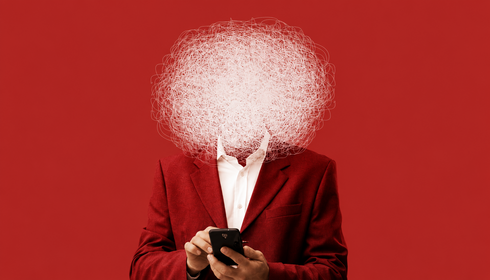
Brain fog, intensified by the pandemic, affects many individuals' focus and memory. Do you feel disoriented and out of zone once in a while when you are trying to focus, whether at work, while studying, during a conversation, or even while doing simple everyday tasks, like forgetting why you entered a room just when you had gone to fetch socks? After the pandemic, many people have reported this mental fog, where there is a general struggle to focus that adversely impacts everyday functioning.ALSO READ: Neurologist explains difference between normal forgetfulness and dementia memory loss: ‘If it gets worse over time…’Brain fog has surged in the post pandemic era. (Picture credit: Freepik)To understand this better, HT Lifestyle spoke to Dr Kunal Bahrani, chairman and group director – neurology at Yatharth Hospitals, who said that in the years following the pandemic, many people have experienced mental cloudiness, slowed thinking, forgetfulness, or lack of focus. So much so that even otherwise healthy individuals are reporting difficulty concentrating properly, recalling information, or sustaining attention for a long period.He explained that this rise in brain fog is shaped by the dramatic shift in lifestyle patterns during and after the pandemic. Let's quickly go through what this brain fog is, factors driving this and what you can do.What is brain fog?What exactly happened during the lockdown that led to brain fog in the post-pandemic era? The neurologist answered, "During lockdowns, many individuals adapted to digital-first work and social environments. While this ensured continuity, it also led to prolonged cognitive overload. The brain, constantly switching between tasks, notifications, and virtual interactions, has had little opportunity to rest and reset.”So, while the constant digital work and online engagement helped people stay connected during lockdown, it also kept the brain constantly active. Over time, excessive online exposure, multitasking, notifications and too much virtual exposure made it hard for the brain to slow down and focus. Slowly, this overstimulation became the normal in people's routine in the long-run.What caused brain fog?Aside from the persistent online connection, there are other factors which are responsible for brain fog. The neurologist mentioned sleep, especially as a major disruptor, because the blurring of boundaries between work and personal life has led to inconsistent sleep schedules, which directly affect memory consolidation and mental clarity. Even mild sleep deprivation can impair attention, decision-making, and problem-solving abilities, symptoms commonly associated with brain fog. Along with this, add the anxiety and social isolation faced during the pandemic, which also equally impacted the brain.Stress is another factor worthy to pay attention to. The doctor explained, “From a neurological perspective, chronic stress plays a key role. Prolonged exposure to stress hormones such as cortisol can affect the hippocampus, the region of the brain responsible for memory and learning. This can manifest as forgetfulness or difficulty processing information."Describing brain fog as one of the long-Covid symptoms, he noted, “ In some cases, individuals who experienced COVID-19 infection have also reported lingering cognitive symptoms, often referred to as part of ‘long COVID,’ where brain fog is one of the most commonly described effects.”How to reduce brain fog?Meditation instills a sense of calm. (Picture credit: Shutterstock)Here's a set of recommendations from the doctor on how to reduce brain fog:1. Rebuild a structured routineFollow a consistent daily schedule for sleep, meals, work and rest so the brain gets back into a predictable rhythm.2. Prioritise quality sleepMaintain a regular sleep cycle, avoid late-night screen exposure and ensure enough rest, as poor sleep can directly affect memory, attention and mental clarity.3. Move your body regularlyIncorporate physical activity such as walking, stretching, yoga, or exercise as movement improves blood flow to the brain and supports cognitive function.4. Take regular screen breaksStep away from screens between work or study sessions to reduce cognitive overload and give brain time to reset.5. Engage in offline hobbiesActivities like reading, gardening, journaling, art, music or cooking can help brain recover from digital overstimulation6. Spend time outdoorsExpose yourself to natural light, fresh air and a change of environment for mental freshness7. Practise mindfulness or breathing exercisesSimple breathing techniques, meditation or grounding exercises can reduce stress, improve focus.In the end, the neurologist advised that if brain fog is frequent and interfering with everyday functioning, one should consult a doctor promptly to rule out underlying causes.Note to readers: This article is for informational purposes only and not a substitute for professional medical advice. Always seek the advice of your doctor with any questions about a medical condition.Adrija Dey’s proclivity for observation fuels her storytelling instinct. As a lifestyle journalist, she crafts compelling, relatable narratives across diverse touchpoints of the human experience, including wellness, mental health, relationships, interior design, home decor, food, travel, and fashion that gently nudge readers toward living a little better. For her, stories exist in flesh and bones, carried by human vessels and shaped through everyday endeavours. It is the small stories we live and share that make us human. After all, humans and their lores are the most natural and raw repositories of stories, and uncovering them, for her, is akin to peeling an orange under a winter afternoon sun. Always up for a chat, she believes the best stories come from unfiltered yapping, where "too much information" is kind of the point. A graduate of Indraprastha College for Women, University of Delhi, and an alumna of the Indian Institute of Mass Communication (IIMC), Delhi, Adrija spends her idle hours cocooned with herbal tea and a gripping thriller, scribbling inner monologues she loosely calls poetic pieces, often with her succulents in attendance. On lazier days, she can be found binge-watching, for the nth time, one from her comfort-show holy trinity: The Office (US), Brooklyn Nine-Nine, or Modern Family. Dancing by herself to her peppy playlists, however, is an everyday ritual she swears by religiously.Read MoreMental HealthCatch every big hit, every wicket with Crick-it, a one stop destination for Live Scores, Match Stats, Quizzes, Polls & much more. Explore now!.Catch your daily dose of Fashion, Taylor Swift, Health, Festivals, Travel, Relationship, Recipe and all the other Latest Lifestyle News on Hindustan Times Website and APPs.See Less
Struggling to focus after pandemic? Neurologist explains brain fog and shares 7 tips to reduce it
Brain fog, intensified by the pandemic, affects many individuals' focus and memory. | Health
1,014 words~5 min read