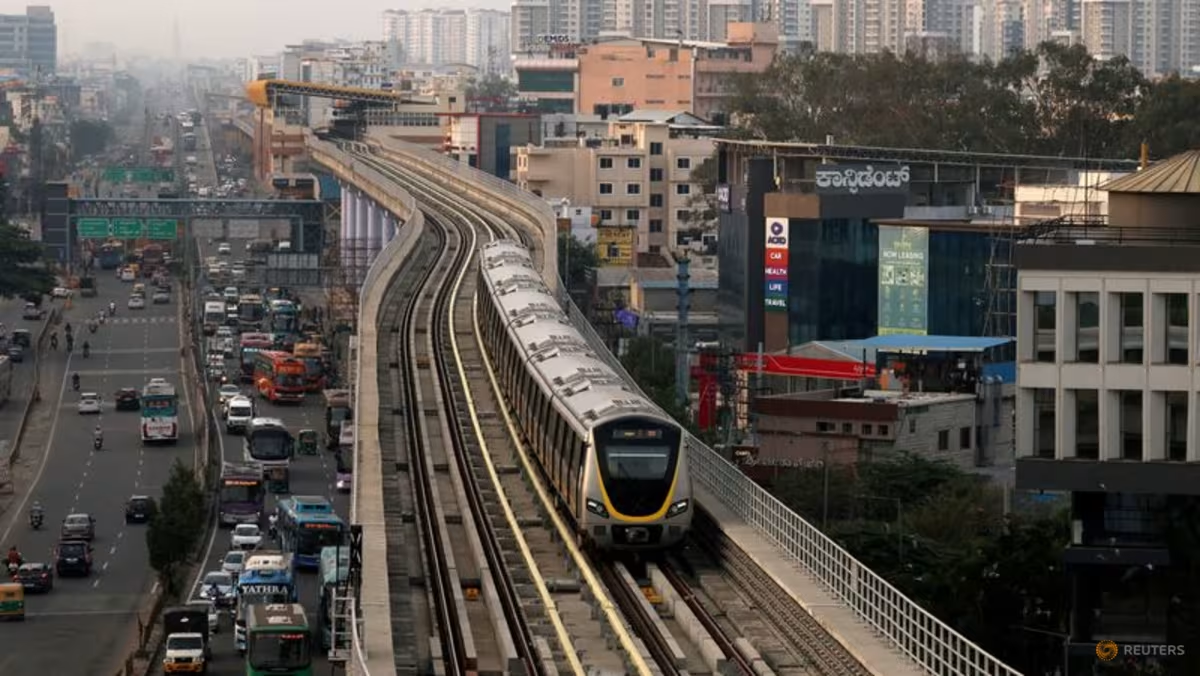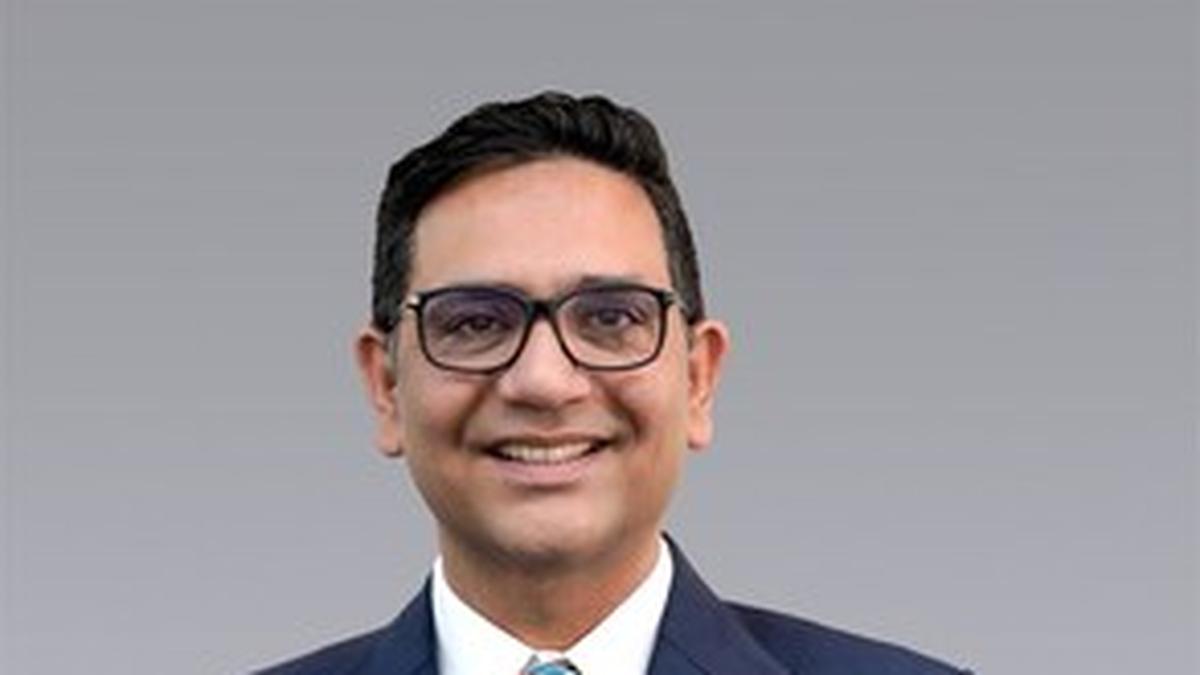
Global companies expect AI to accelerate the creation of new products and intellectual property at their Indian technology hubs, underlining the country's growing role as an innovation base even as the futuristic technology reshapes work.Executives from Publicis Groupe's Epsilon, Kimberly-Clark and Daimler Truck told Reuters automation is helping staff at their global capability centres move beyond routine tasks, focusing instead on more complex work and building proprietary technology."The number of IPs, the patents and the trade secrets created by (GCCs in India) is already increasing," Radhakrishnan Kodakkal, head of Daimler Truck Innovation Center India, said at a Reuters summit. "AI would accelerate it."India's tech hubs have long outgrown their low-cost back-office origins to become innovation centres for global firms, but AI tools that can increasingly handle tasks such as coding have cast doubt on what role these centres will play next.So far, India's large AI-skilled workforce and cost advantages have continued to draw investment into these centres despite global uncertainty.Indian GCCs generated about $98.4 billion in revenue last fiscal year, hitting industry projections four years ahead of schedule, a report by Nasscom and consultancy Zinnov showed.A separate Nasscom report showed patent filings in India rose 11.3% to over 90,000 in fiscal 2024, with nearly half from multinational companies, though it did not break out contributions from GCCs.Executives said the contribution of Indian centres is understated, as much of the intellectual property they generate is filed through parent entities in the United States and Europe.REGULATORY BOTTLENECKS SLOW PATENT FILINGS"At Kimberly-Clark, we do not do any patent filing from India. Whatever we do, we do through (the) U.S. because of the difficulty here," said Deena Dayalan, global head of digital operations and cloud transformation at the consumer goods maker.Dayalan said patent filings in India can take five to six months, around double the time than in the U.S. The approval takes another few years, he added.India has far fewer patent examiners than the U.S., contributing to delays, according to Nasscom. High legal costs and procedural ambiguities also deter companies from filing patents locally, the industry body has said.India requires applicants to file a separate request to commence the substantiative review process, while the U.S. Patent and Trademark Office starts examining applications automatically upon filing with no extra step required, said Kirti Balasubramanian, partner of technology, media and telecom practice at law firm Trilegal."The Indian patent office has less than a thousand examiners or controllers--whereas U.S. counterpart has over 8,000-- which leads to a backlog that compounds, given that the number of filings has been increasing over the past couple of years," she added."At the Indian Patent Office, backlog and manpower shortages have long slowed the pace of examination and grant," said Harsh Kaushik, a New Delhi-based IP lawyer.But he added that recent moves to put more Patent Office functions online, along with the centralised allocation of applications, have eased the filing process. The office has also expanded the use of video hearings, improving access for applicants.Executives also said the strong foundations built by Indian GCCs would support further growth in high-value work."I see more and more IP work happening (here)," said Pratik Nath, managing director of Epsilon India.
AI to turbocharge patent creation at India tech hubs, executives say - The Economic Times
Indian technology hubs are becoming major innovation centers. Global companies anticipate AI will speed up new product and intellectual property creation. This development is transforming routine tasks into complex work. India's skilled workforce and cost advantages continue to attract investment. Despite regulatory hurdles, patent filings are rising, indicating a growing contribution from these centers.
526 words~2 min read