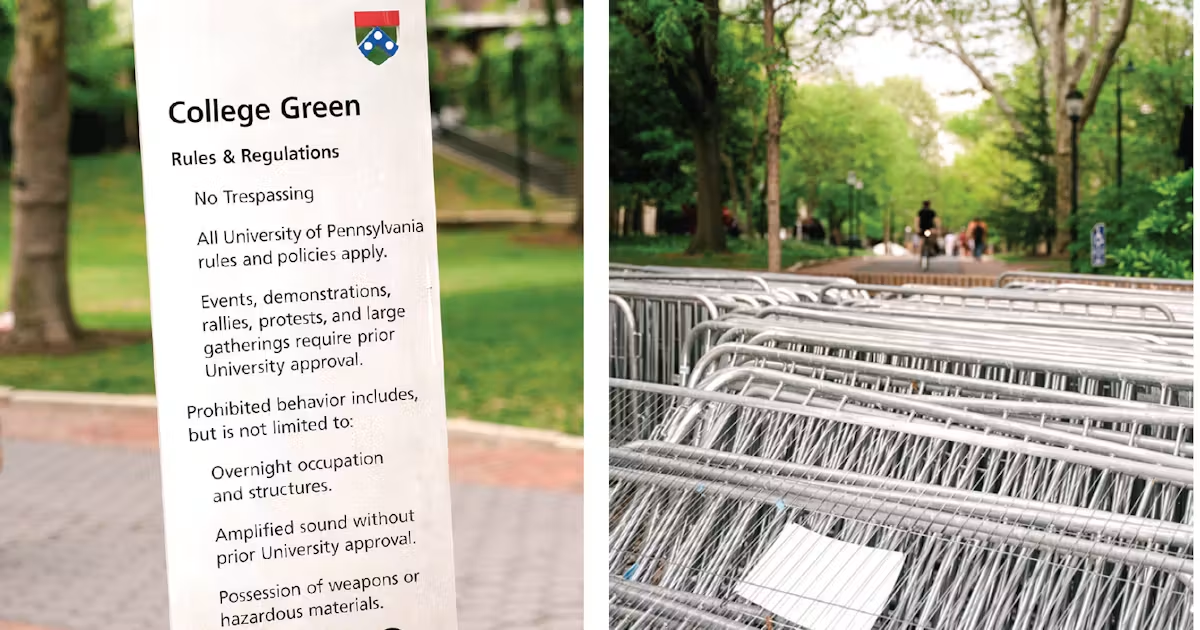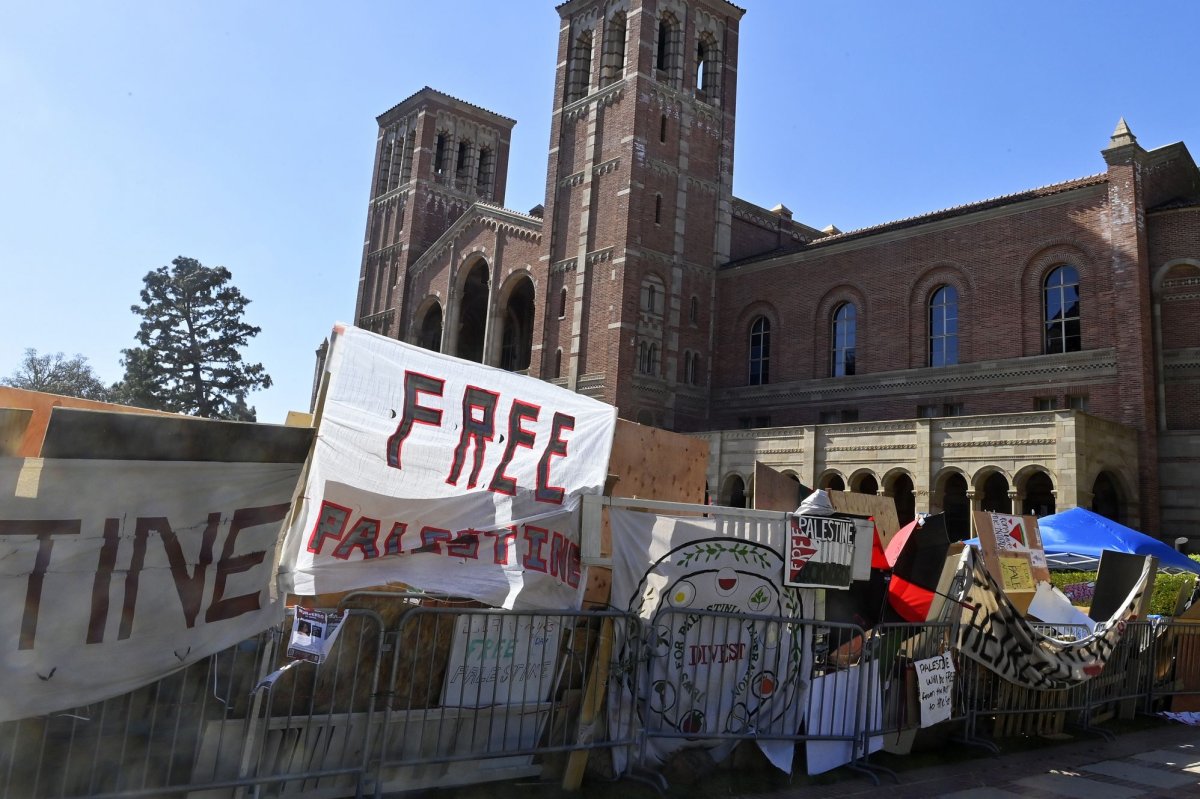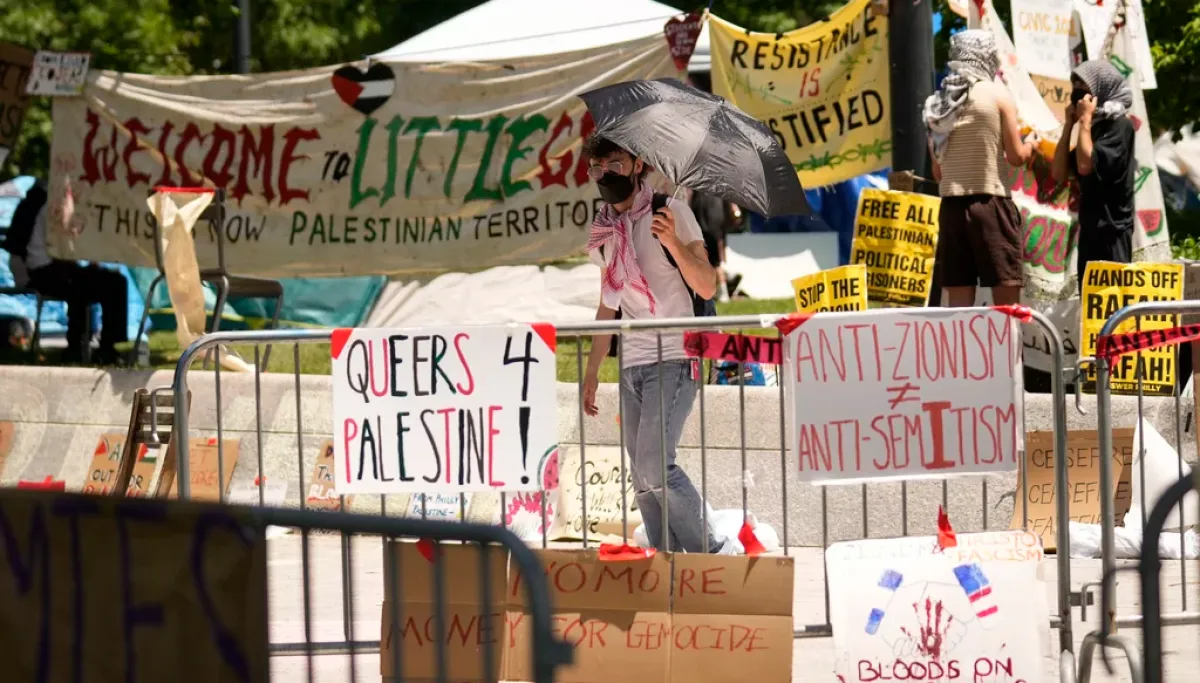
The University of Pennsylvania has spent months claiming it is serious about confronting antisemitism, restoring trust, and repairing the damage caused by campus unrest after Oct. 7, 2023. Yet, Penn has apparently now granted tenure to Sukaina Hirji, whose public activism sits at the center of the very crisis the university claims it is trying to repair.The university now needs to explain how that decision aligns with the standards it has publicly promised to uphold.Hirji was not a passive observer of the encampment that disrupted Penn’s campus for over two weeks. She publicly acknowledged helping lead “teach-ins” on the protest site, promoted civil disobedience as a necessary form of protest, and defended a movement that violated university policy, obstructed and hindered campus life, and caused deep concern among Jewish students and alumni.
DOJ SUES UCLA FOR FOSTERING ‘HOSTILE’ ANTISEMITIC ENVIRONMENT FOR JEWISH AND ISRAELI STUDENTS
Hirji’s activism has also extended beyond the encampment itself. She has amplified boycott campaigns that call for academic and cultural isolation, co-hosted programming using terminology of “resistance” when discussing events that targeted civilians, and remained involved with Writers Against the War on Gaza, an organization that has circulated material praising figures associated with designated terrorist organizations. The context of her activism cannot be separated from Penn’s broader credibility crisis over antisemitism.