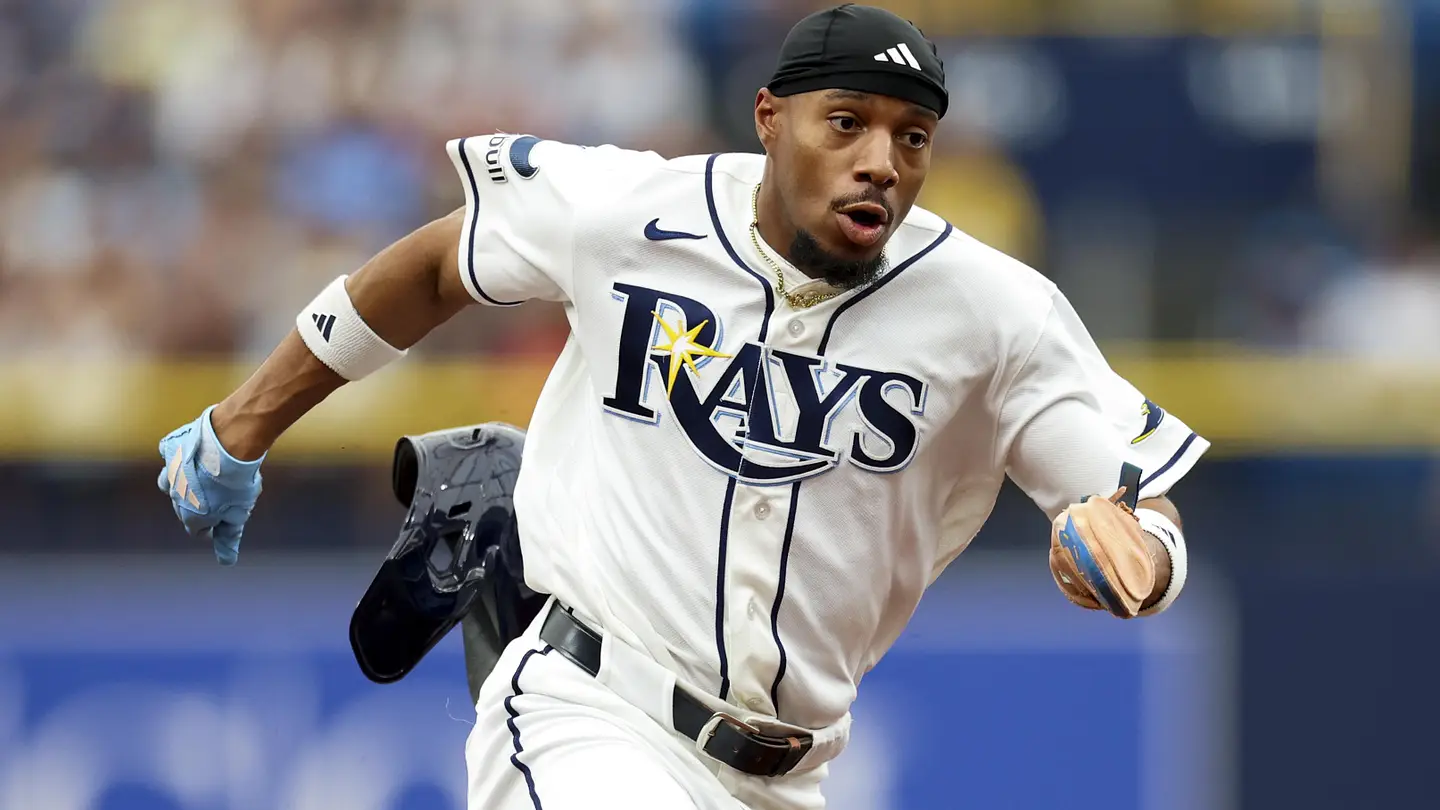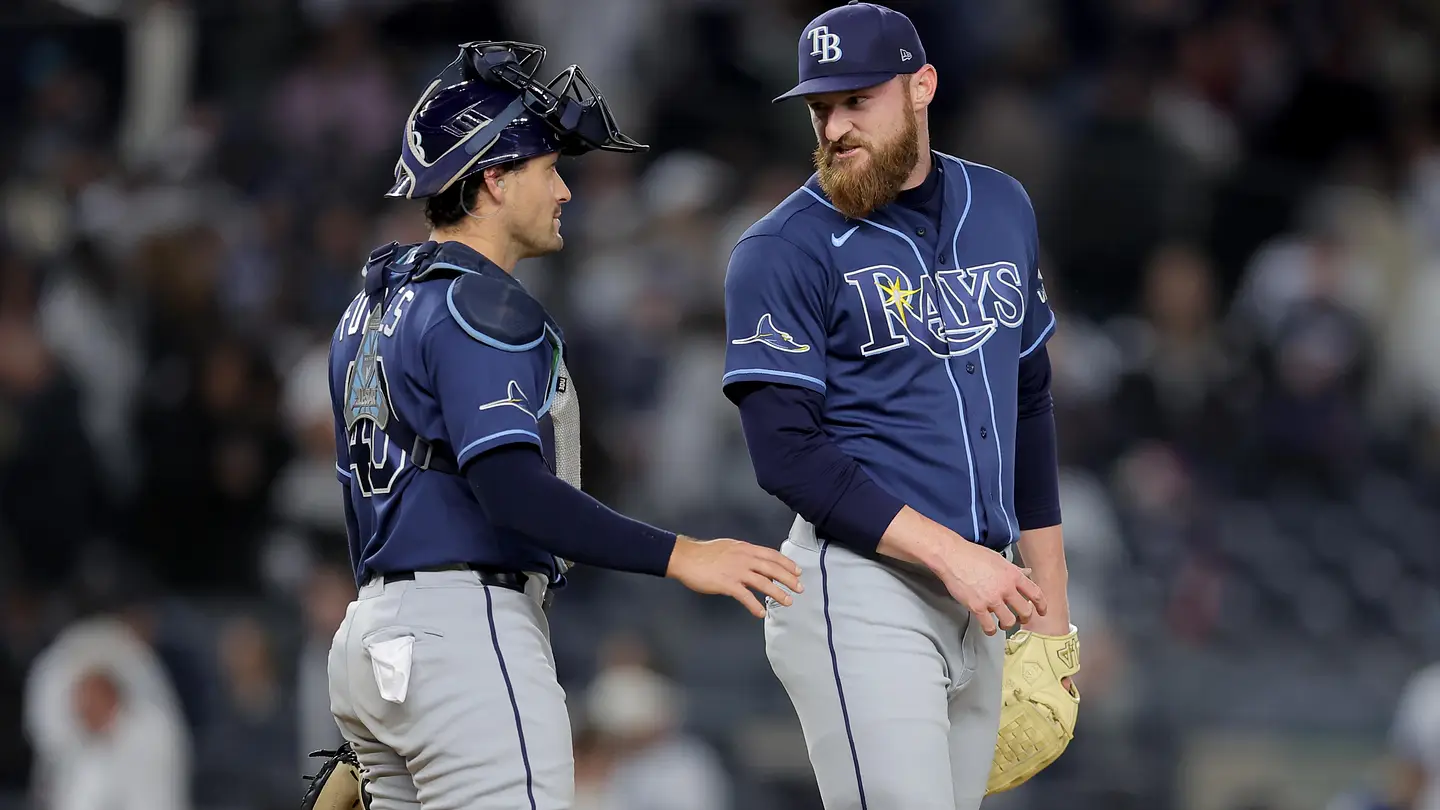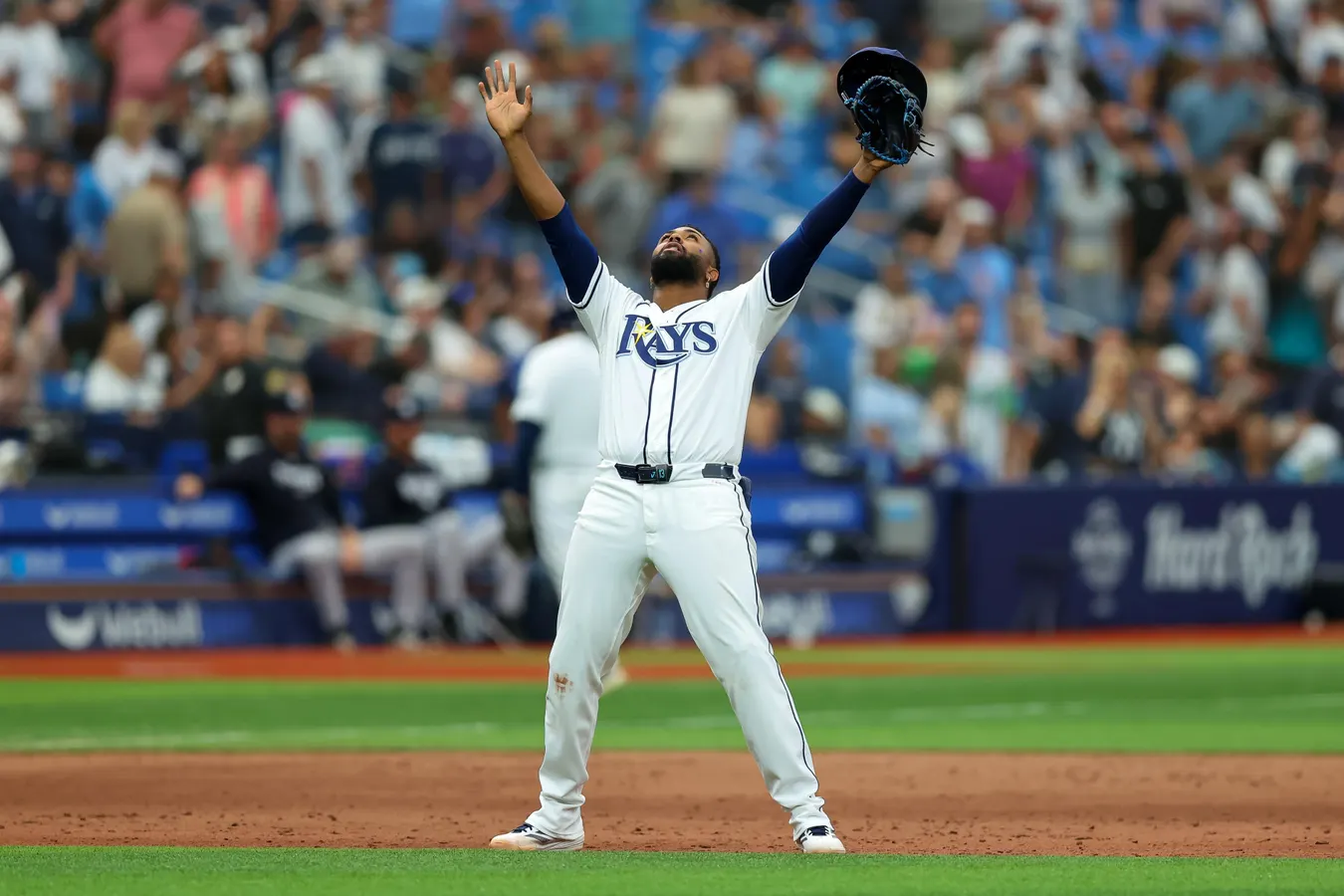
The Tampa Bay Rays are just one of many teams that are having a successful season with bottom-dwelling payrolls. (Photo by Mike Carlson/Getty Images)Getty ImagesThe MLB season is at the one-third mark, with nearly every team having 54 games in the books. The old adage in baseball is that you will win 54 games, you lose 54 games, and it is what you do with the other 54 that determines your season. Well, let’s take a look at who has done what over the first 54.As of Tuesday morning, the Tampa Bay Rays lead the vaunted American League East with a record of 34-17. According to Spotrac, the Rays have the third lowest payroll in baseball, at just under $110 million for competitive tax purposes.The New York Mets currently reside in the cellar of the National League East, with a record of 22-32. Spotrac reports that the Mets have a payroll of more than $381 million, which is second only to the Los Angeles Dodgers. The Dodgers, true to form, are in first place in the National League West, two and a half games ahead of the San Diego Padres. The Padres have the seventh highest payroll at $258 million. But they are doing it without their big ticket players.Xander Bogaerts will make $25.45 million this season (as part of an eleven year, $280 million contract) and is hitting just .245 with a 95 OPS+; Manny Machado, in the middle of an 11-year, $350 million contract, is slashing .170/.265/.330; Fernando Tatís Jr., in the middle of a 14-year, $340 million contract, has yet to hit a home run. And pitcher Yu Darvish is getting paid $16 million, but has not yet suited up for the team this year. San Diego’s best player – by some distance – is closer Mason Miller, who essentially has been unhittable all season, and he is making a mere $4 million.Once again the Milwaukee Brewers find themselves atop the National League Central. And they are doing it with a payroll that ranks 21st in MLB ($139 million). They just swept the Chicago Cubs and sit three and a half games ahead of their rivals, who boast a payroll of just under $250 million (9th largest).MORE FOR YOUIn the American League Central, the Cleveland Guardians are again making do with less. They have a three and a half game lead in the division with the second lowest payroll in the game ($87.7 million). While the Detroit Tigers, who went all-in with signings this off-season, have the 10th highest payroll ($244 million) and find themselves in last place, 12 games under .500.The Boston Red Sox are off to an extremely unsatisfying start, with an oddly constructed lineup that costs $267 million. As of Tuesday, that team is eight games under .500 and in last place. The Houston Astros may be competing with Boston for most disappointing team (although they did throw their 18th team no-hitter on Monday), as they are seven games under .500 despite committing $237 million to their players.The Atlanta Braves seem to spending their money wisely, as their eighth-highest payroll ($253.5 million) has earned them first place in the National League East, far and away the largest lead in any division (8.5 games), and the best record in the game (36-18).The surprise of the season may be the Miami Marlins, with their league-low $80 million payroll and 26 wins, putting them ahead of the Mets and just behind the Philadelphia Phillies, who have a $314 million outlay.Spotrac has also listed that teams are paying for wins based on current records and committed obligations (through May 25th). No surprise here, but the Mets lead with the way with more than $5 million per win. Cleveland pays the least, the only team at less than $1 million per victory ($847,000). Toronto, who came within an eyelash of winning the World Series last season, come in second on this list at $3.8 million per win. The aforementioned Marlins and Rays are second and third to last, at about $1.022 million each.There is still two-thirds of the season to go, so all of this might be turned on its head come October. But, if this paradigm holds, then the owners who are pushing for a salary cap in the next collective bargaining agreement because they claim lower-spending teams cannot compete with the large markets and their unlimited checkbooks, may have to come up with a new argument, as this season has so-far proven that large payrolls doesn’t necessarily equal more wins.
In MLB, Spending Money Doesn’t Necessarily Buy Wins
Many teams in MLB with high payrolls are floundering this season, while teams at the bottom of the charts find themselves at or close to first place.
753 words~3 min read