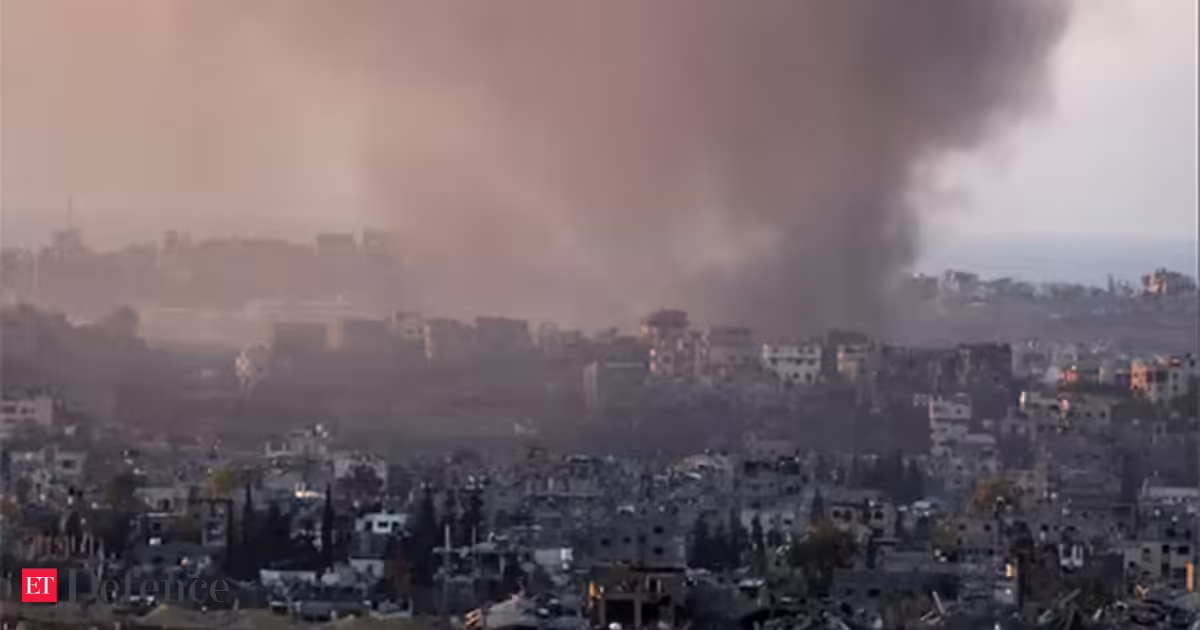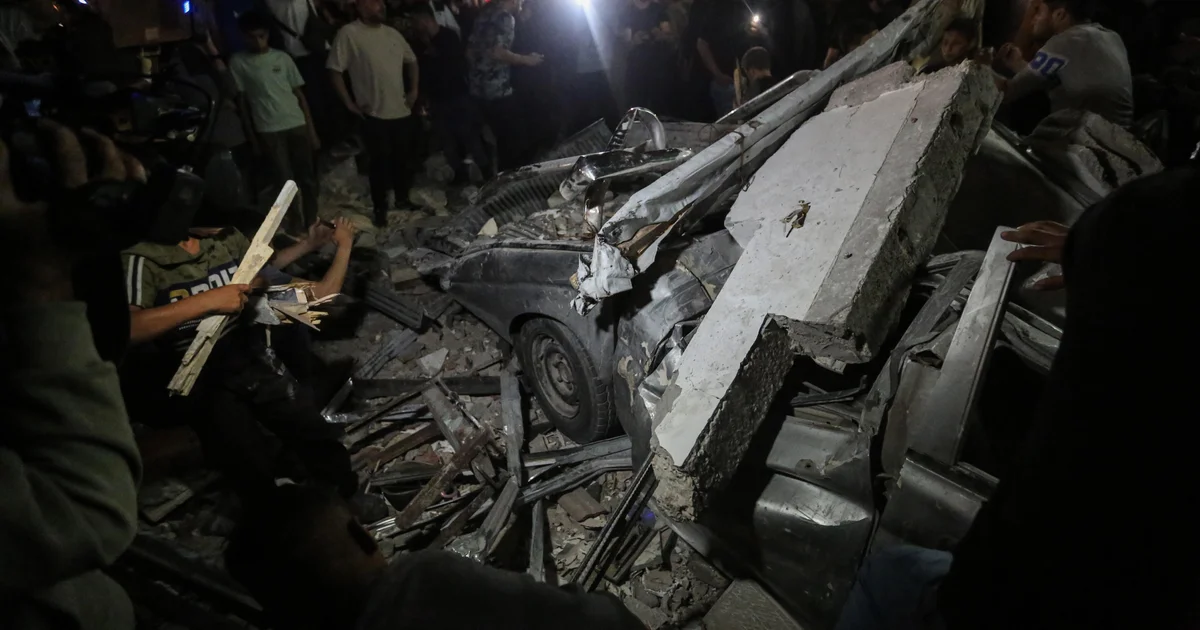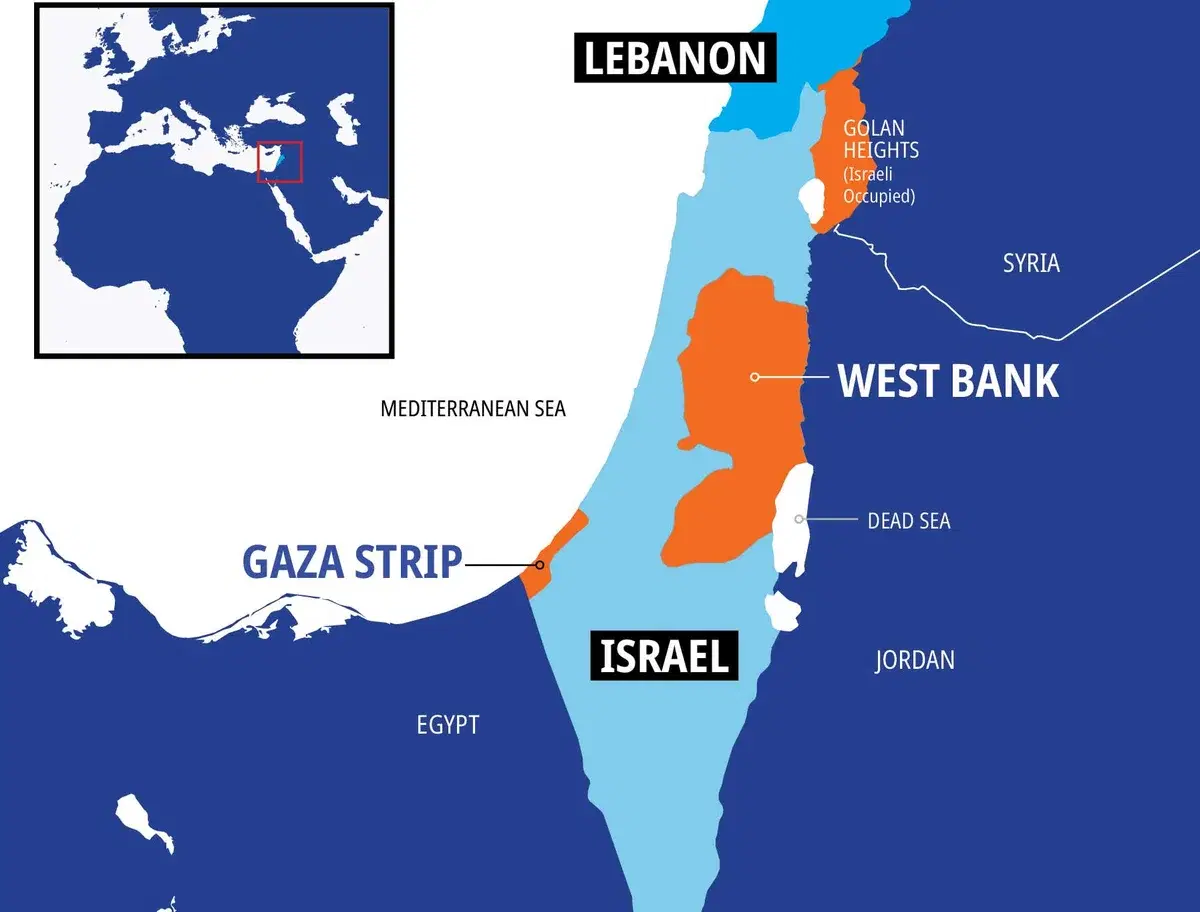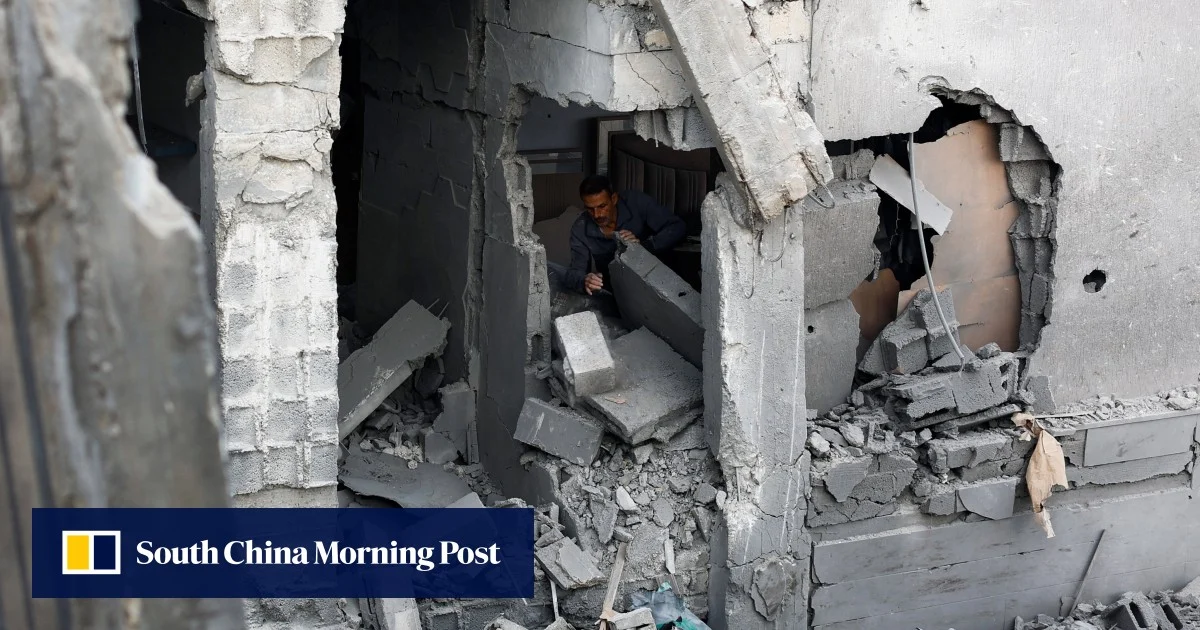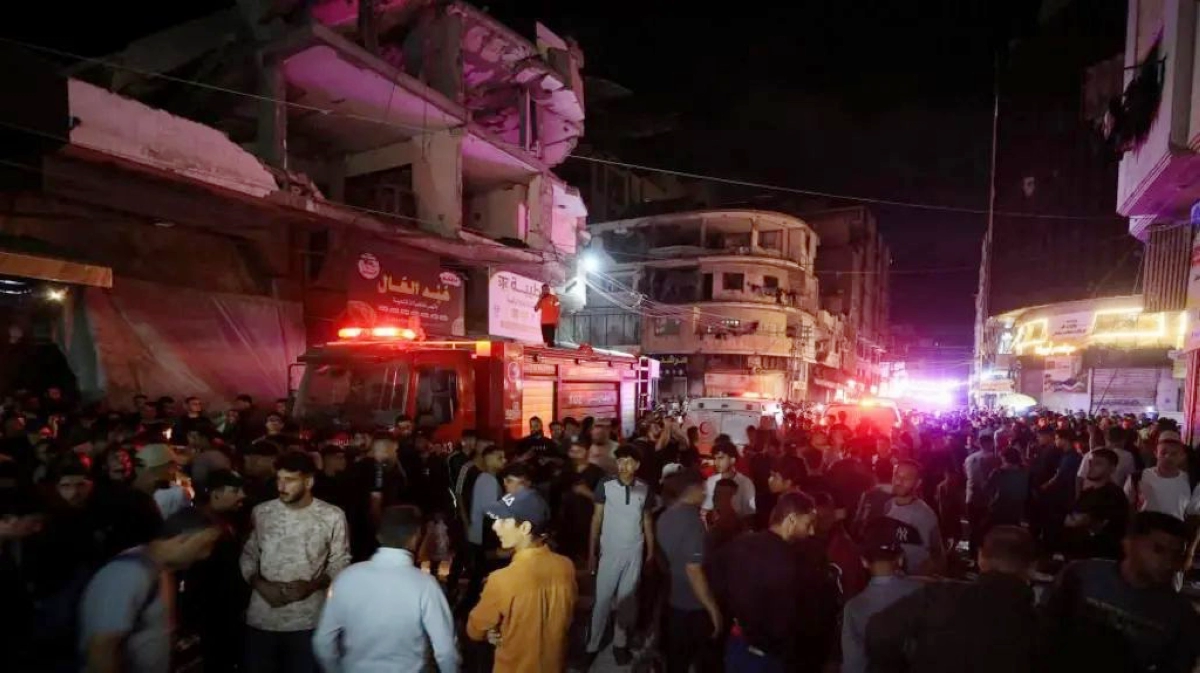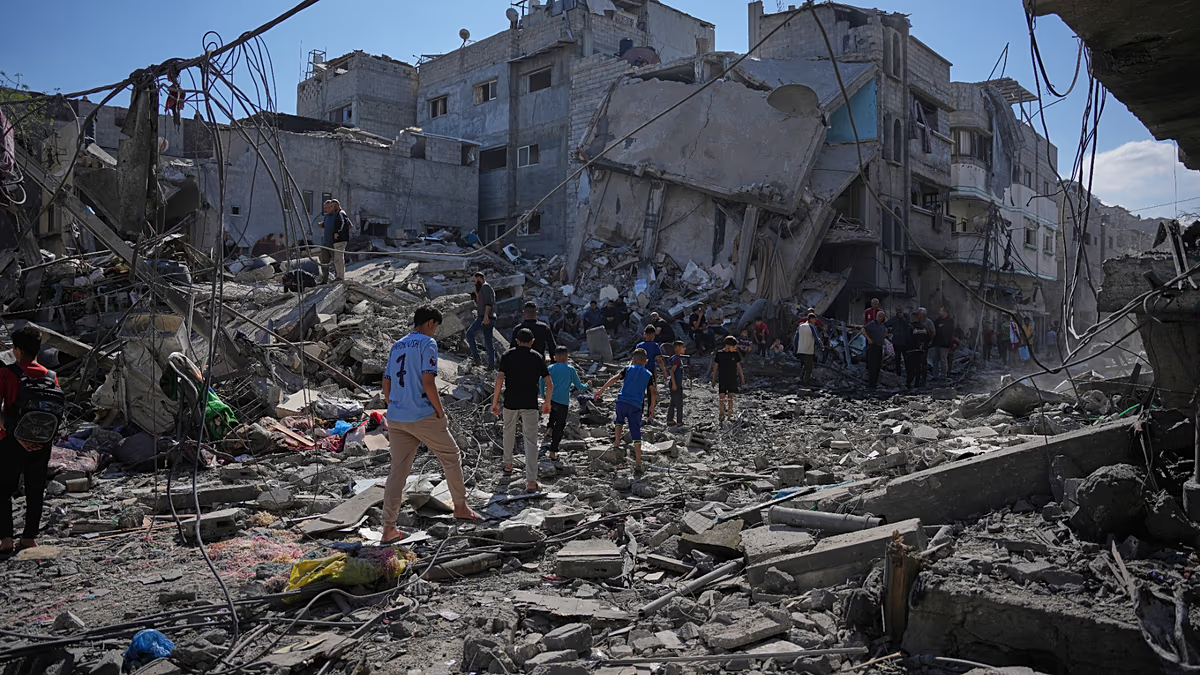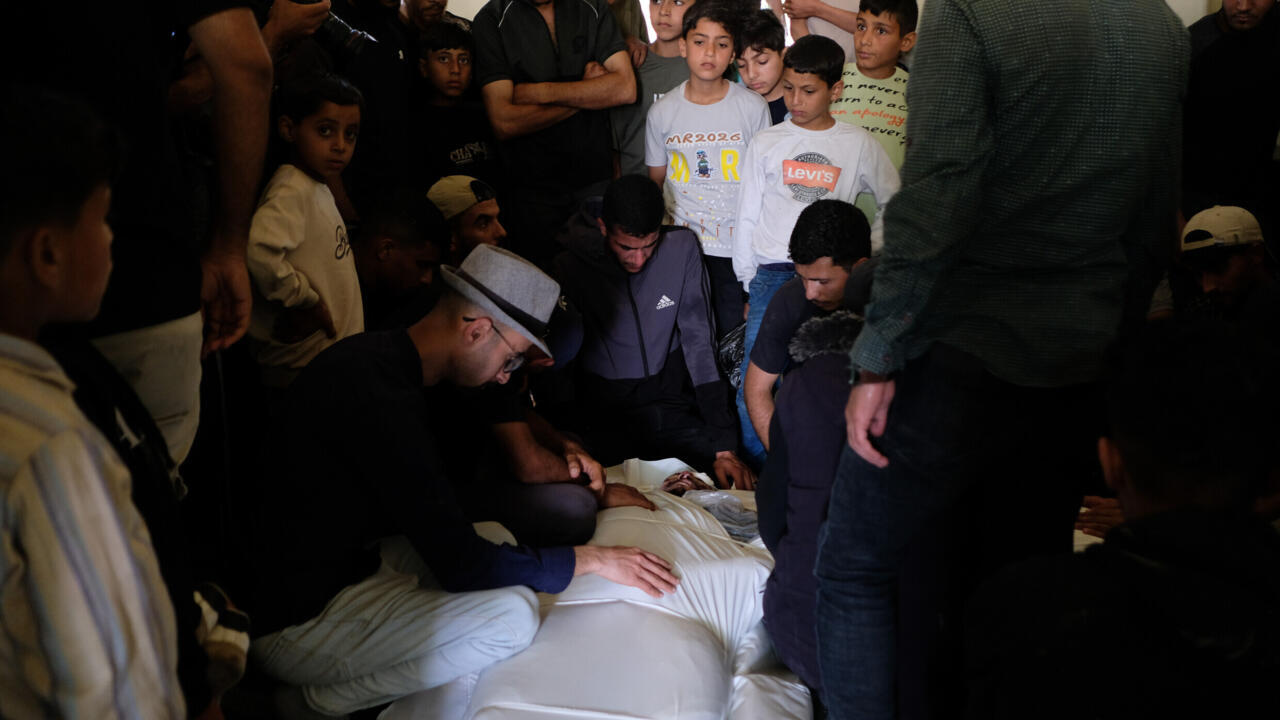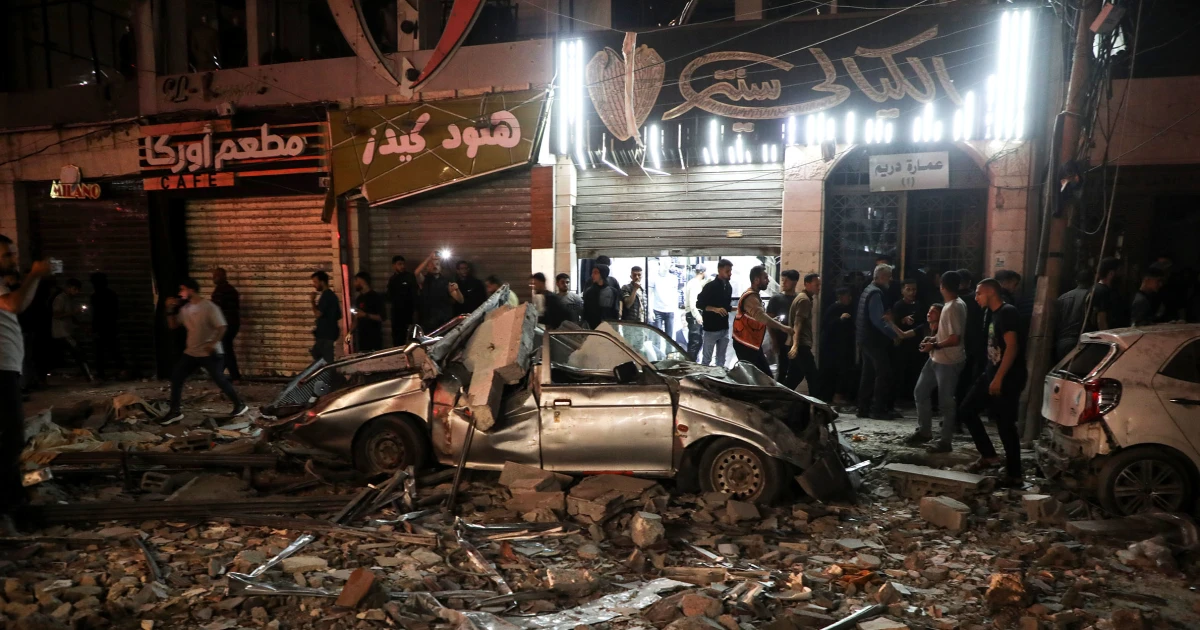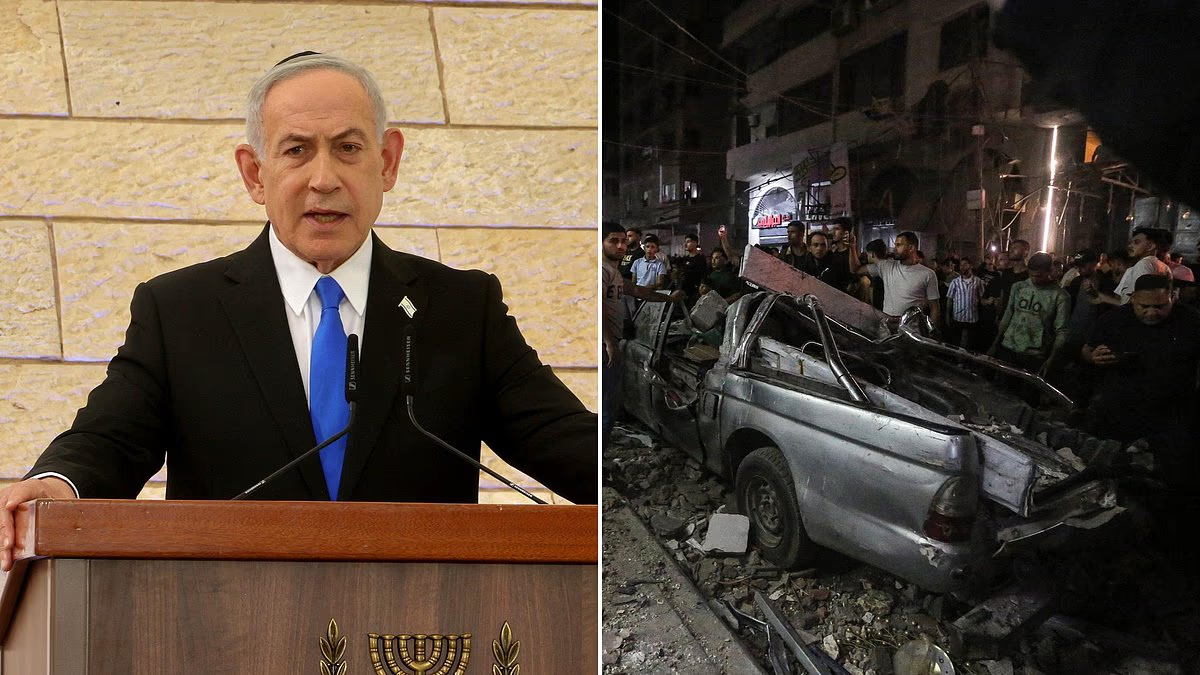
Israel said on Wednesday it had killed the new head of Hamas's armed wing in Gaza on Tuesday, after killing his predecessor in a similar attack this month.Mohammed Odeh was 'eliminated yesterday and sent to meet his associates in the depths of hell,' Israeli Defence Minister Israel Katz said.'In the Prime Minister's name and in my own, congratulations to the IDF and the Shin Bet on the brilliant execution,' Katz said in a post on X.'We committed ourselves to eliminating everyone who led the October 7 massacre, and that is what we will do: they are all marked for death, wherever they may be.'Katz and Prime Minister Benjamin Netanyahu said in a joint statement that Odeh had 'served as head of Hamas intelligence during the October 7 massacre and was appointed approximately one week ago as successor to Ezzedine al-Haddad'.Haddad was killed by an Israeli strike on May 15. 'Odeh was responsible for the murder, abduction and injury of numerous Israeli civilians and IDF soldiers,' Katz and Netanyahu said.A relative of Odeh confirmed his death to Reuters and said the funeral would take place after noon prayers in Gaza City. Emergency teams arrived at the scene following Israeli airstrikes on a residential building in the Rimal area which targeted the head of Hamas's armed wing Mohammed Odeh A residential building which was damaged in an Israeli airstrike, in Gaza City, May 26 Netanyahu said after meeting with his defence minister and senior military officials that Israel will expand its operations in LebanonHamas has yet to issue an official statement, but a statement from his family said he was killed along with his wife and son. Gaza health officials said six people, including at least one woman, were killed and more than 20 others were wounded in the same Israeli strike that destroyed an upper floor of an apartment building in the Rimal neighbourhood in Gaza City. Hours before the attack, Israel announced it had expanded ground operations in Lebanon, where it has been fighting Iran-allied Hezbollah militants since it launched attacks on Iran with the United States at the end of February. Israel is also intensifying its military activities in the West Bank.Israel and Hamas are deadlocked in indirect talks over implementing the second phase of a ceasefire deal, which includes the group's disarmament and Israeli army withdrawals.In a statement, Israeli Defence Minister Israel Katz said Hamas would no longer exercise civilian or military control over Gaza and that a plan for what he described as 'voluntary migration' from the enclave would also be implemented 'at the right time and in the right way'.The displacement of Gazans is a project backed by hard-right Finance Minister Bezalel Smotrich. US President Donald Trump previously expressed support for the idea before ditching it.In February, the United Nations High Commissioner for Human Rights, Volker Turk, denounced plans 'aimed at making a permanent demographic change in Gaza'.Some 900 Palestinians have been killed in Israeli strikes since the truce came into effect, according to figures from Gaza health officials that do not distinguish between combatants and civilians.Four Israeli soldiers have been killed by militants during the same period, the country's military has said.Israel has previously killed Hamas's former political chief Ismail Haniyeh and Yahya Sinwar, its Gaza chief who was widely regarded as the mastermind of the October 7 attack.It also killed Mohammed Deif, the longtime commander of Hamas's armed wing, known as the Ezzedine Al-Qassam Brigades, as well as Mohammed Sinwar, who succeeded his brother Yahya Sinwar, as Gaza chief.Israeli strikes have also targeted Hamas operatives in Lebanon and senior Iran-backed Hezbollah commanders allied with the group, including former Hezbollah chief Hassan Nasrallah. Palestinians inspect the rubble at the site of a residential building targeted by an Israeli strike Hamas fighters patrol a street in Deir el-Balah, central GazaAnd Israel's military clashed with the Iran-backed militant Hezbollah group Tuesday along a strategic river in southern Lebanon as Israeli troops pushed farther north, days ahead of talks in Washington between Lebanese and Israeli delegations.A US-brokered ceasefire in the Israel-Hezbollah conflict appeared more nominal by the day, complicating efforts at a broader peace in the Iran war as Tehran wants an agreement to include an end to the fighting in Lebanon.Netanyahu said after meeting with his defence minister and senior military officials that Israel will expand its operations in Lebanon.'The (Israeli Defence Forces) are operating with large forces on the ground and seizing strategic areas,' he said.He added that Israel is trying to fortify an area of southern Lebanon under its control, which it says is necessary to protect residents in its northern border towns from Hezbollah rocket and drone attacks.The Lebanese government, which came to power on a platform of reform and disarming Hezbollah and other armed groups, hopes that the direct talks with Israel - which Hezbollah opposes - will lead to a permanent ceasefire and withdrawal of Israeli troops.Israel says it will not withdraw until Hezbollah no longer poses a threat to residents of its northern towns. Hezbollah has vowed to fight until Israel stops its daily airstrikes and withdraws its troops from Lebanon.
Israel kills new head of terror group's armed wing
Mohammed Odeh was 'eliminated yesterday and sent to meet his associates in the depths of hell,' Israeli Defence Minister Israel Katz said.
850 words~4 min read