Hello readers,
I’m Alex, the Director of Sociotechnical Research at The Markup and CalMatters, and I’d like to talk about privacy in the context of healthcare.
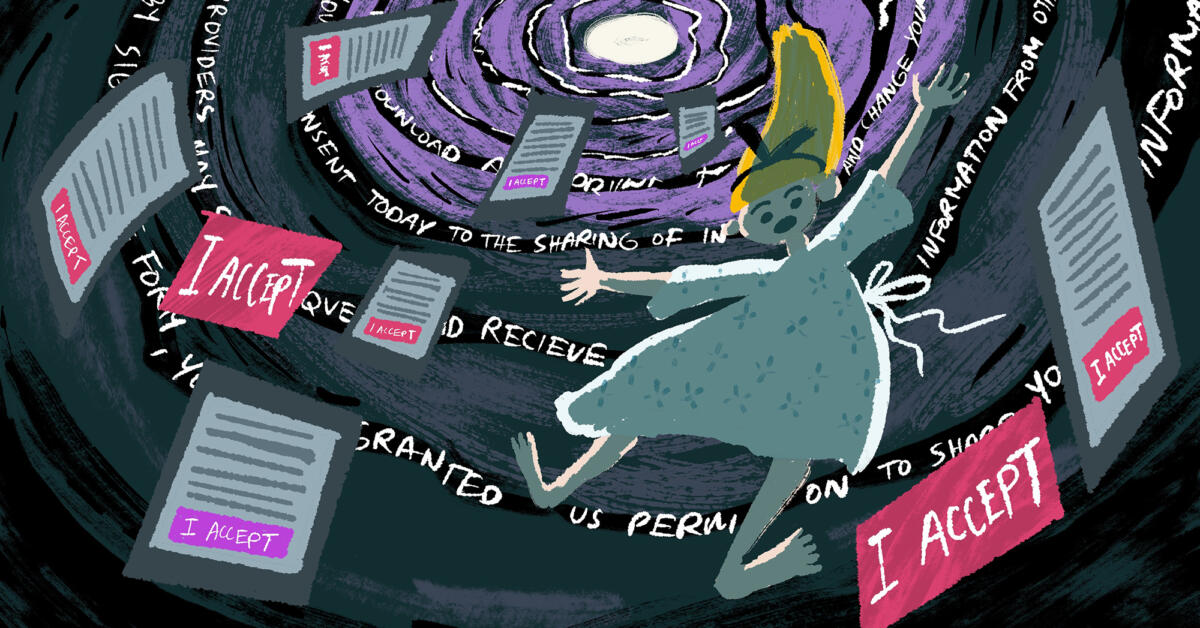
For more than seven years, I’ve been opting out of voluntary uses of my data when I go to medical appointments. In the process, I’ve seen everything from consent forms that deceive patients into letting advertisers mine their personal health data, to forms that automatically sign you up for mandatory arbitration while scheduling an appointment. As I explore how patients can lose control over their information or choices, I’ve become interested in something simpler: the challenges patients face when trying to access their own records and getting a copy of what they’ve agreed to. In the digital age, we might expect access to be simple, but the ways that organizations manage information, or fulfill their duties to comply with certain laws, can complicate it. I want to understand how providers, patients and other stakeholders grapple with technologies that affect patient care and trust.
Which brings me to early April, when my toddler had a minor surgery at the Morgan Stanley Children’s Hospital, part of the New York-Presbyterian hospital network in Manhattan. To see a physician, patients or their guardians have to sign forms agreeing to policies for treatment, payment, and privacy. Healthcare providers in turn are legally required to provide most of these records back to patients under a combination of state and federal laws. But as I experienced firsthand at New York-Presbyterian, actually getting them can be extremely difficult.