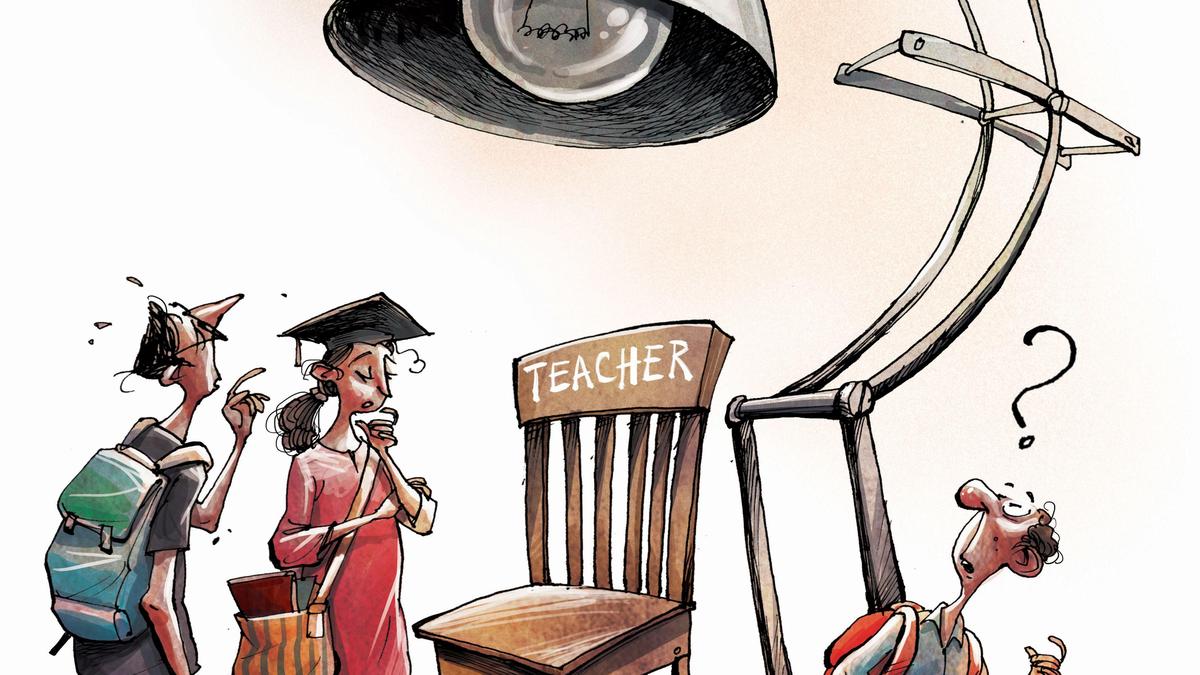
Makkal Kalvi Kootiyakkam, a collective of more than 40 organisations actively engaged in educational and social initiatives across Tamil Nadu, submitted a comprehensive list of demands to the Tamil Nadu Higher Education Minister P. Viswanathan, urging immediate reforms to restructure the State’s higher education system.The charter focused mainly on routing out corruption, increasing funding, enforcing strict fee regulations, and establishing social justice across all academic institutions.Highlighting systemic issues, R. Murali, Coordinator of the forum, demanded a high-level inquiry into the recruitment of university and government-aided college professors over the past decade, alleging large-scale bribery.To prevent future malpractice, he proposed creating an independent board for State Level Eligibility Test (SLET) examinations and replacing department-wise rosters with a university-wide single-unit system.The forum also called for a major financial boost, advocating that 10% of the State budget be allocated to higher education alongside direct funding to erase university deficits.Further, they urged the government to stop permitting new self-financing colleges, pushing instead for new courses within existing public institutions.For faculty welfare, the charter demanded a minimum monthly salary of ₹55,000 for guest lecturers, with an ultimate goal of making all positions permanent.Under the principle of ‘Equal Pay for Equal Work,’ it stated that private college staff should receive pay and benefits parity with government employees.To safeguard students, a special law to enforce government-prescribed fees in aided colleges and polytechnics, it noted.Other key recommendations included mandatory online fee disclosures, district-level monitoring committees, and strict action against colleges denying concessions to marginalized students.Social justice and structural equity form the core of demands.Mr. Murali urged the State to provide free higher education up to the doctoral level for SC/ST students, increase annual Ph.D. scholarships from ₹1 lakh to ₹5 lakh, and expand overseas scholarships to 1,000 beneficiaries.He also pressed for educational infrastructure in Sri Lankan Tamil refugee camps and dedicated schools for interstate migrant workers’ children.On academic policy, the forum strongly advocated abolishing the common curriculum system to restore full autonomy to universities.Instead, they recommended a curriculum embedded with scientific temper, rationalist history, social justice, and classical Tamil ethics.Finally, the forum emphasised reviving campus democracy by making student union elections compulsory, establishing robust grievance cells, and shifting teacher evaluations to measure teaching innovation and social impact rather than just research publications. Published - May 27, 2026 06:27 pm IST
Makkal Kalvi Kootiyakkam demands overhaul of higher education in Tamil Nadu
Makkal Kalvi Kootiyakkam demands overhaul of higher education in Tamil Nadu
382 words~2 min read