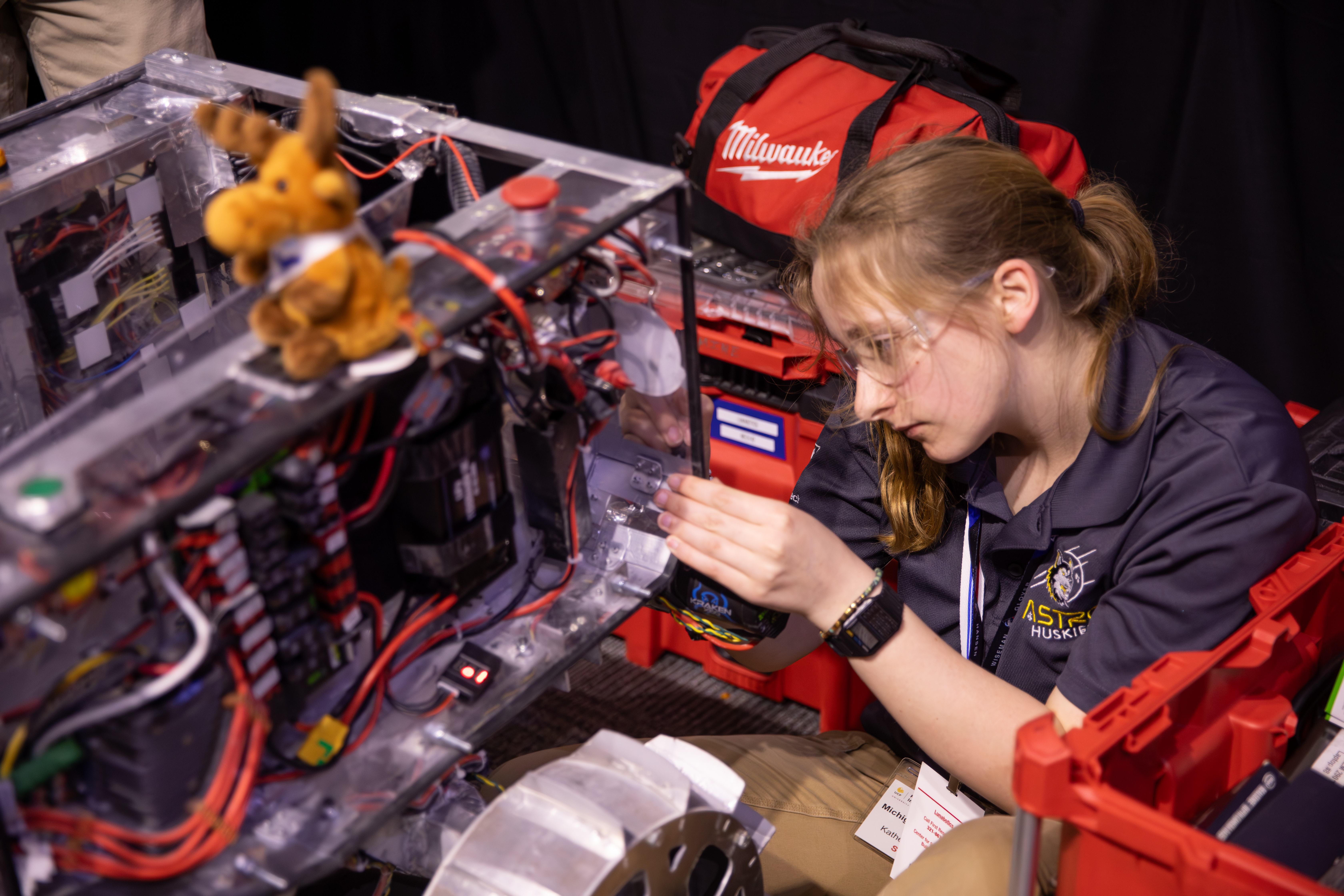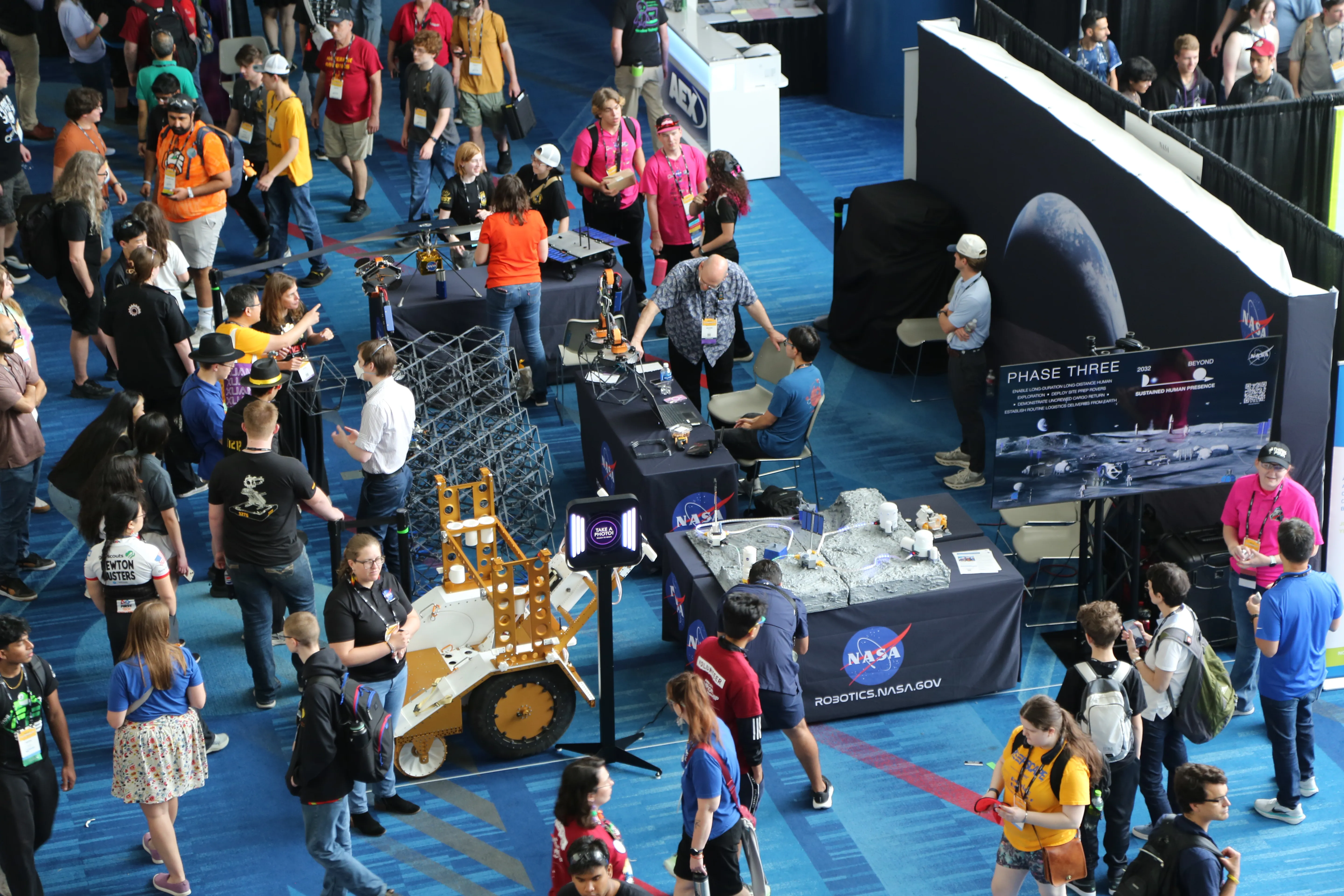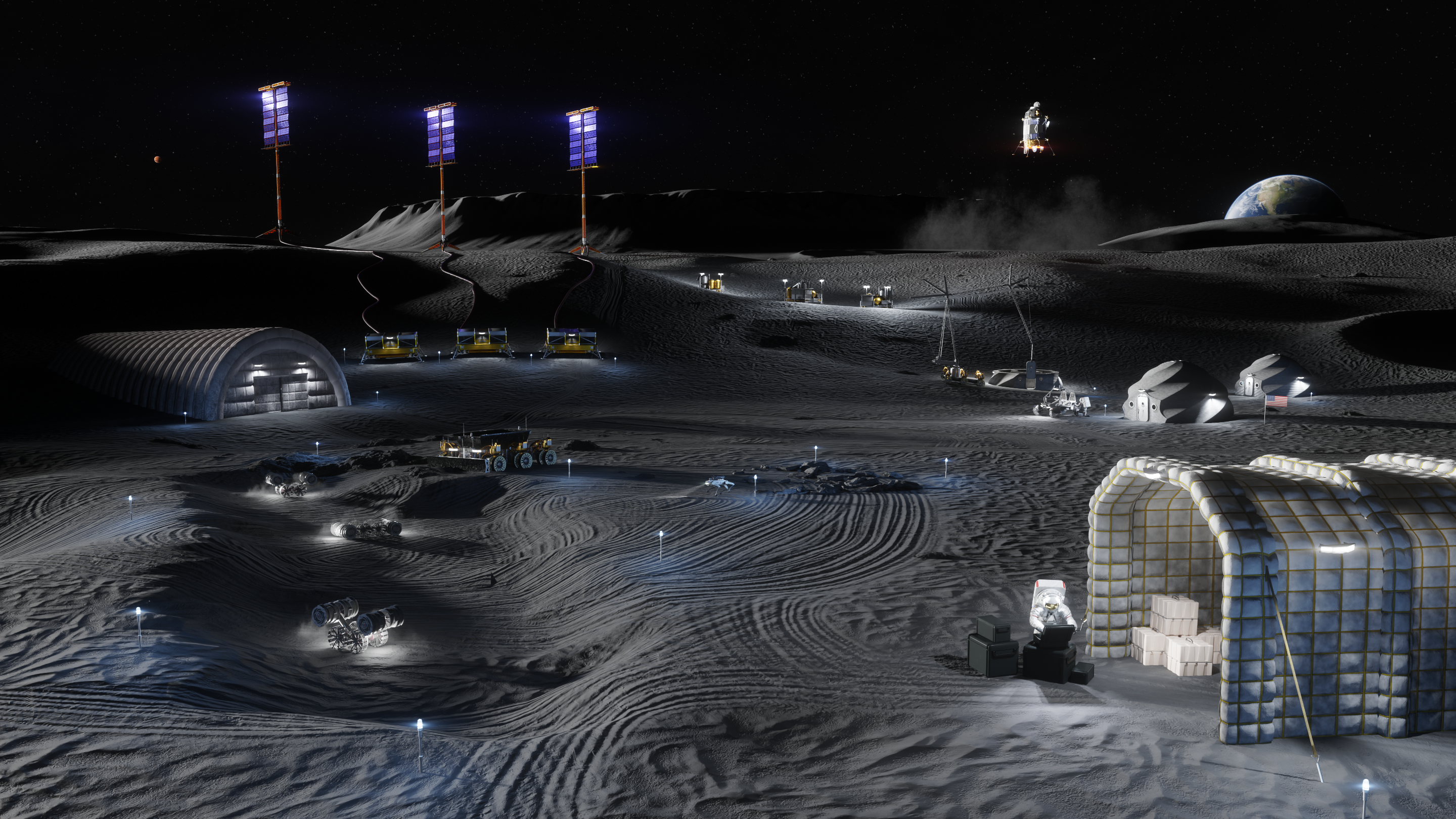
Resilient. Efficient. Autonomous. These are qualities NASA demands of its hardware, especially as the agency accelerates plans for a permanent Moon Base. NASA’s 2026 Lunabotics Challenge put those traits on full display, as college student engineers from across the country gathered at the Astronauts Memorial Foundation’s Center for Space Education at the Kennedy Space Center Visitor Complex in Florida to demonstrate robotic technologies and systems engineering expertise that could build and sustain long‑term lunar infrastructure.
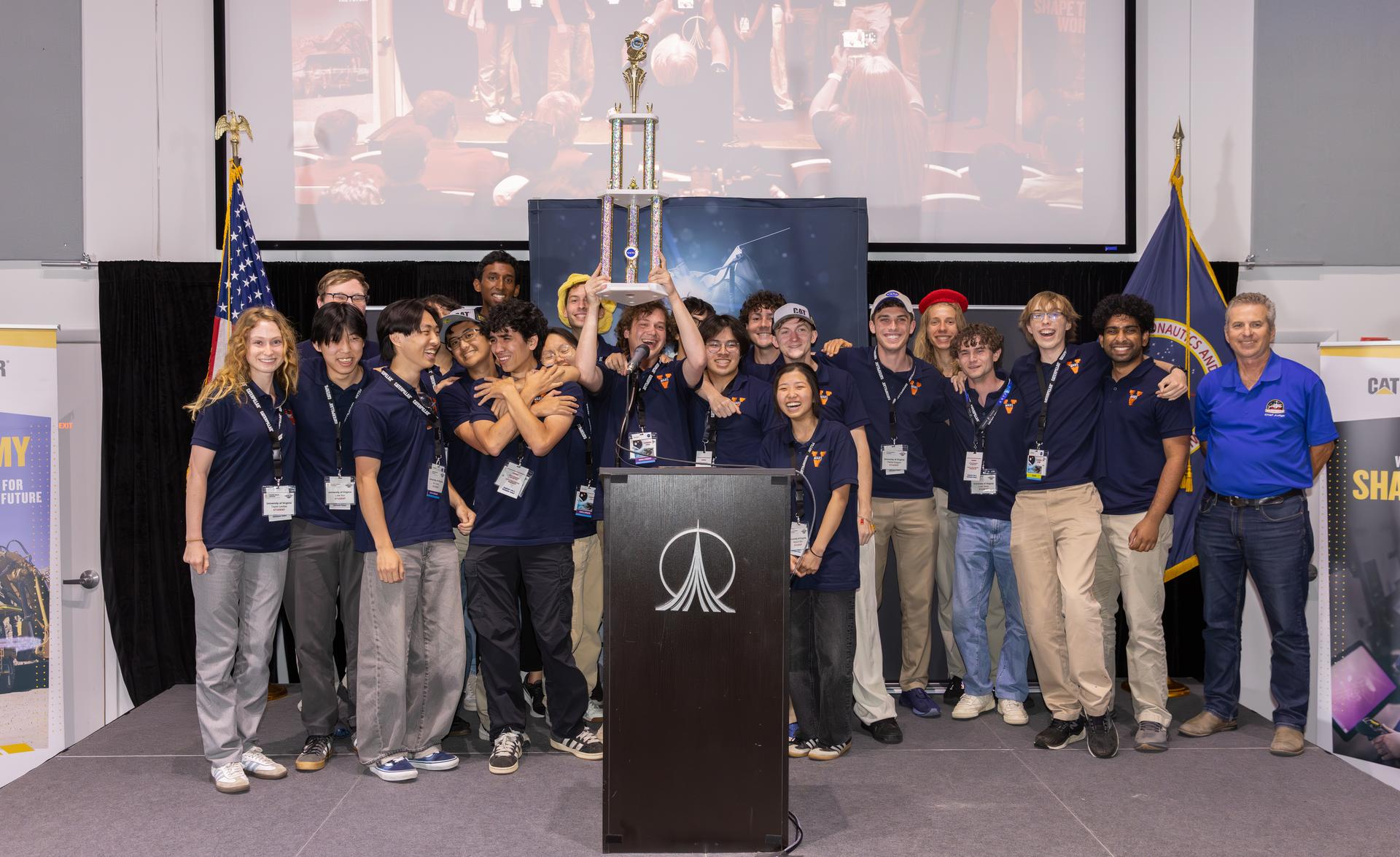
When the simulated lunar dust settled, the University of Virginia earned the Off World Grand Prize for completing all events and achieving the highest overall score.
“The Off World Grand Prize is really about everything,” said Robert Mueller, senior technologist at NASA Kennedy’s Swamp Works, lead judge, and co‑founder of the original Lunabotics robotic mining challenge. “It’s a difficult prize to win, and it’s not obvious, because the team that built the biggest berm didn’t win. But on an actual lunar mission, it’s not just one thing that matters — it’s everything in the system.”
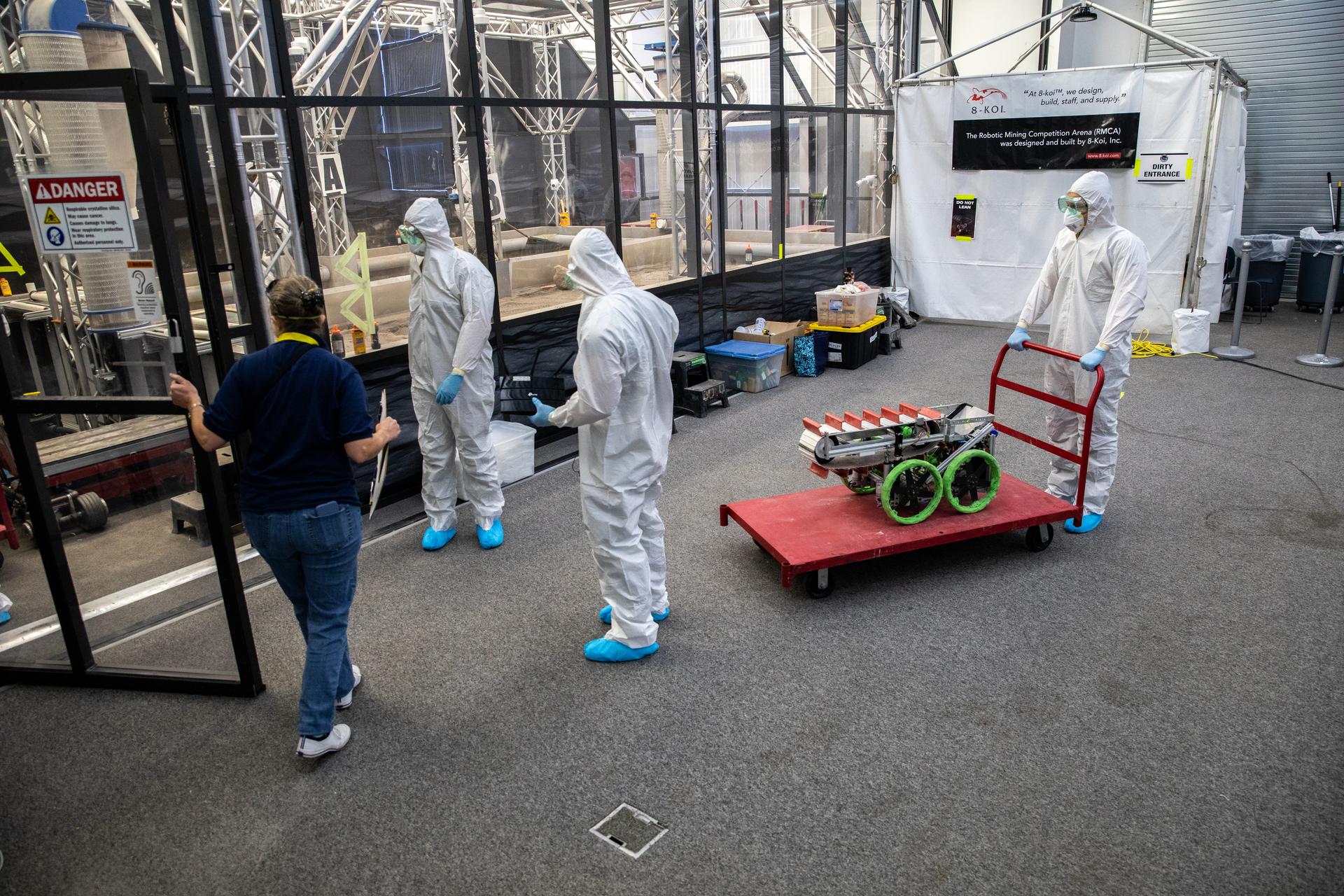
The agency’s annual Lunabotics Challenge is a two‑semester competition in which higher‑education students design, build, and test prototype lunar construction robots using NASA systems engineering principles. The 2026 competition opened last September, with teams submitting industry plans, engineering reports, and robot specifications. Judges selected 47 teams to advance to a qualifying round at the University of Central Florida’s Exolith Lab in Orlando, where the robots faced their first tests.