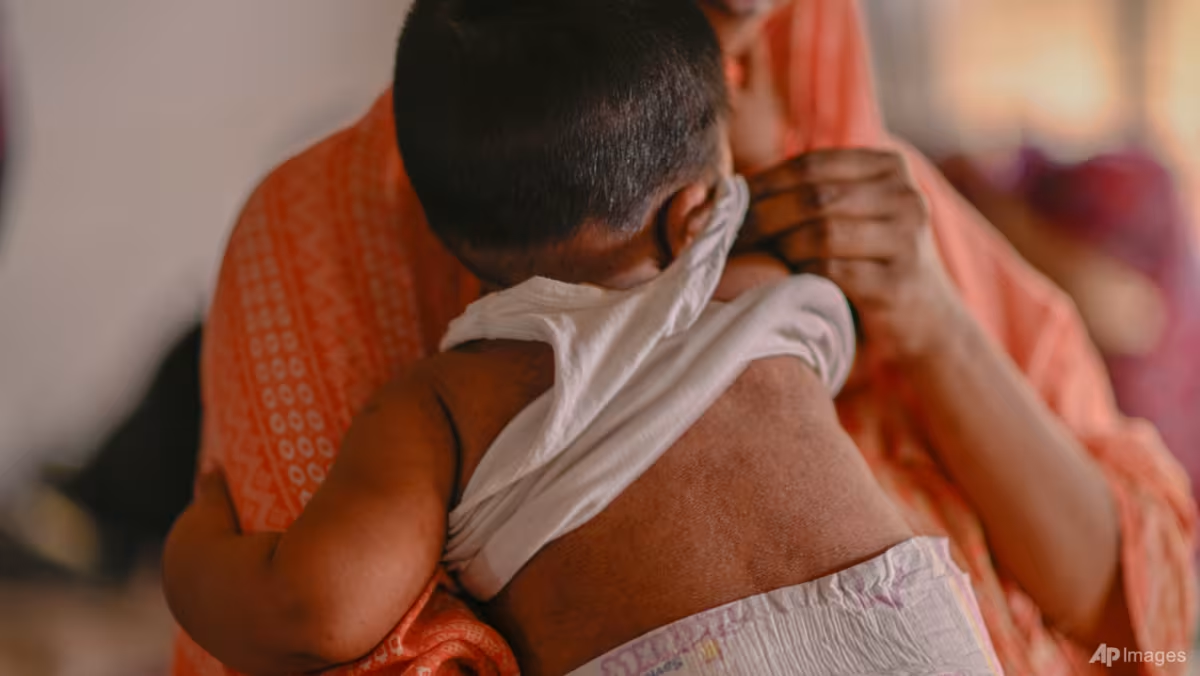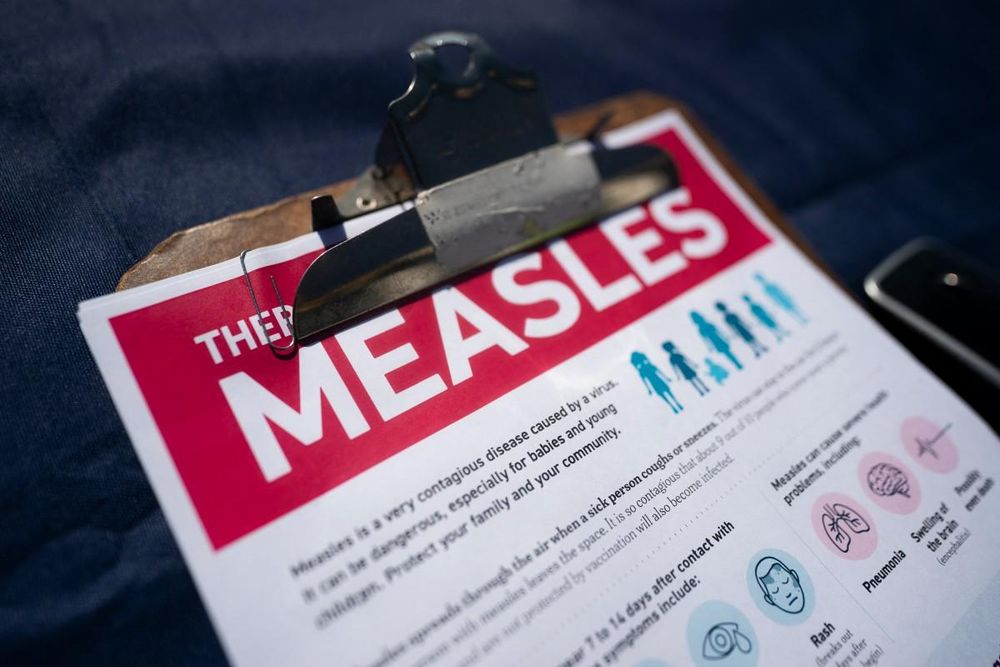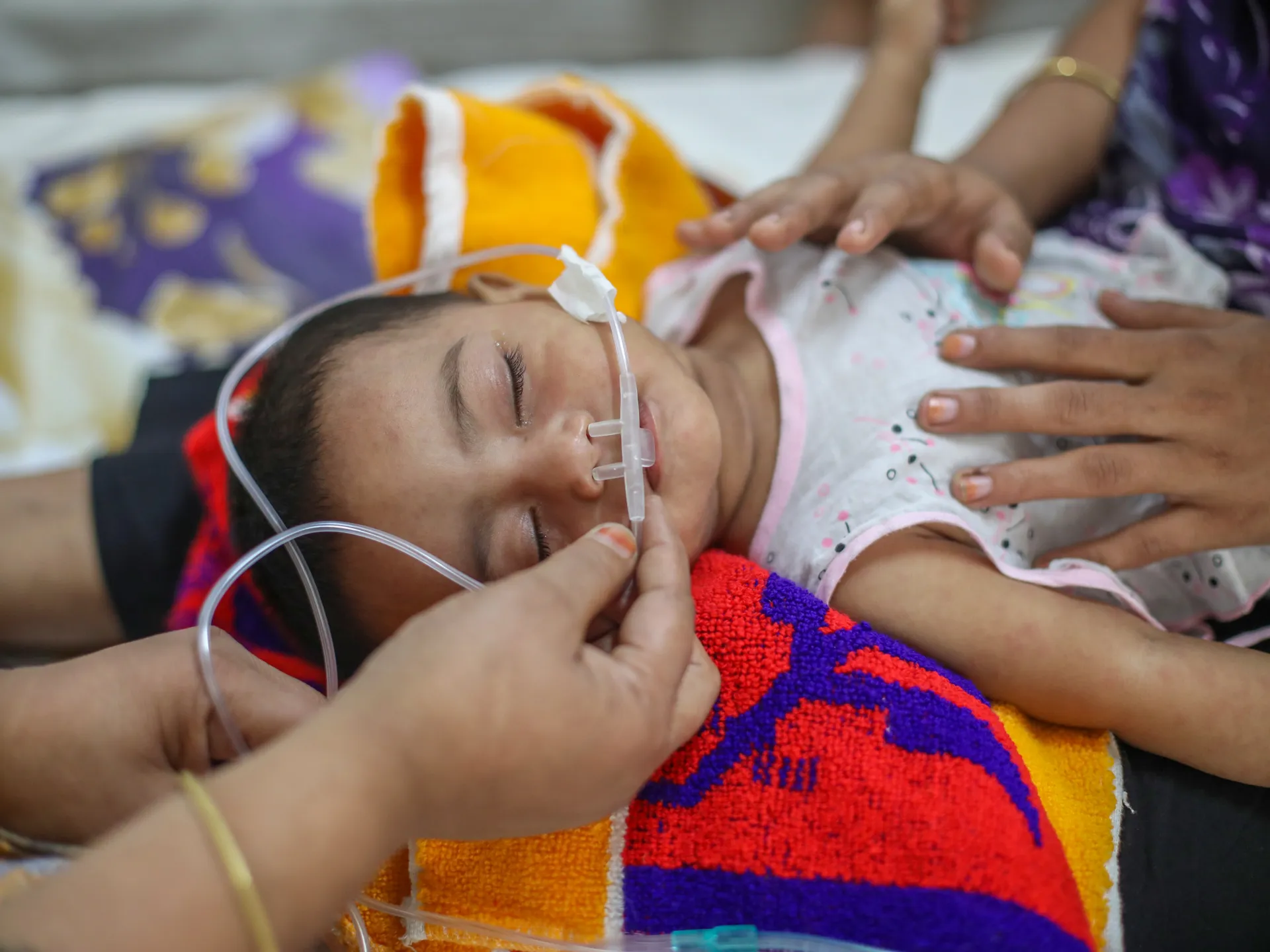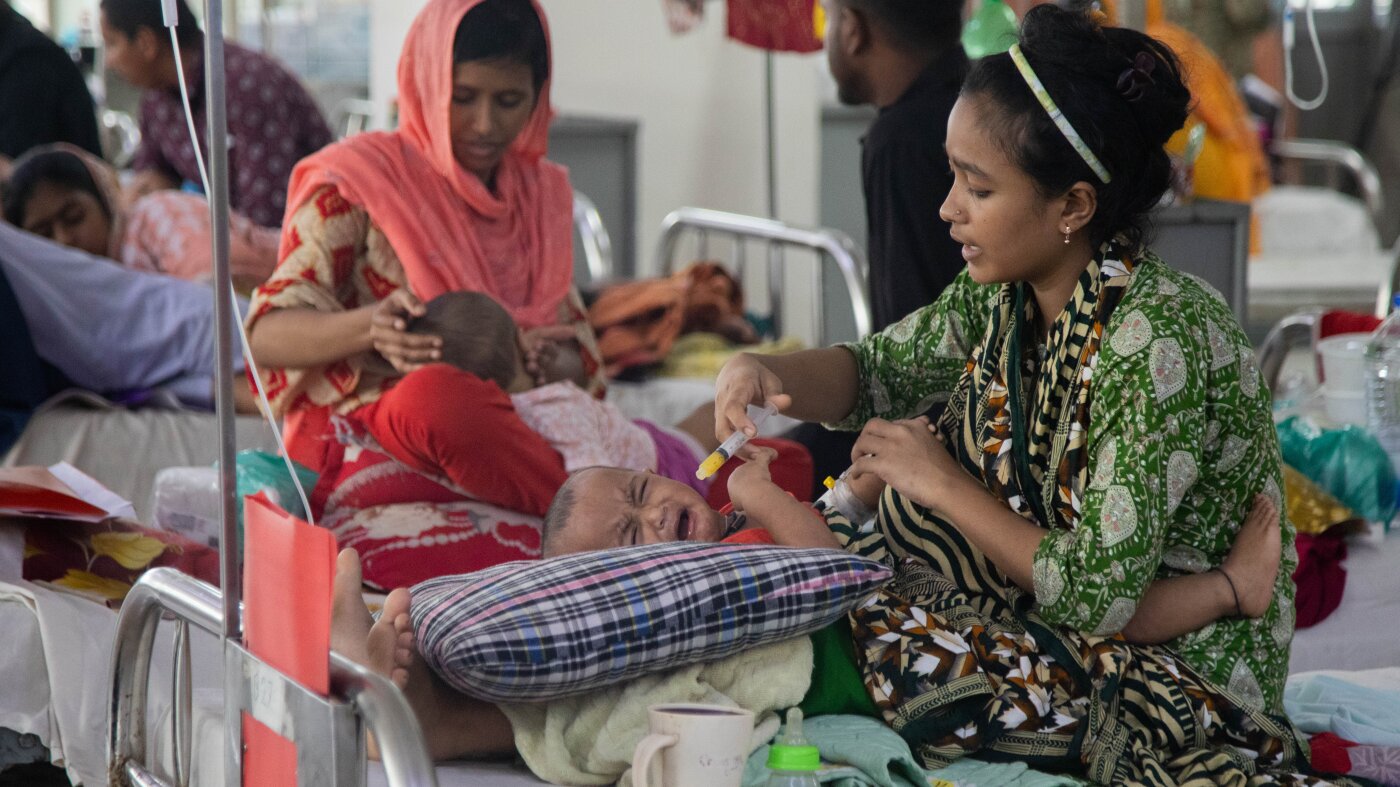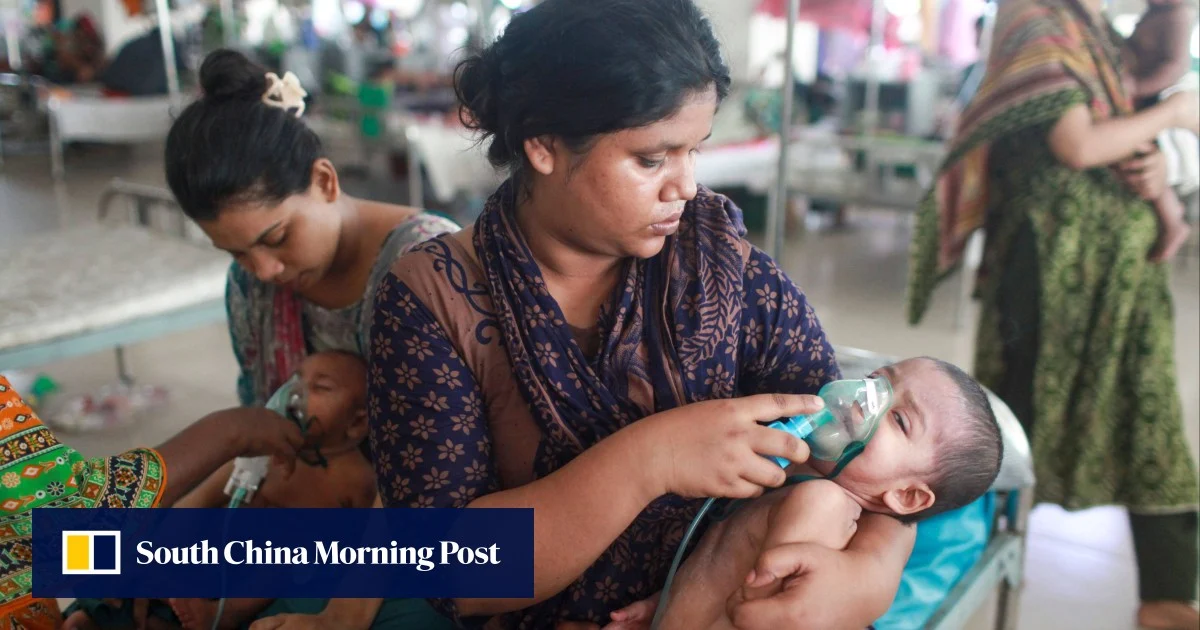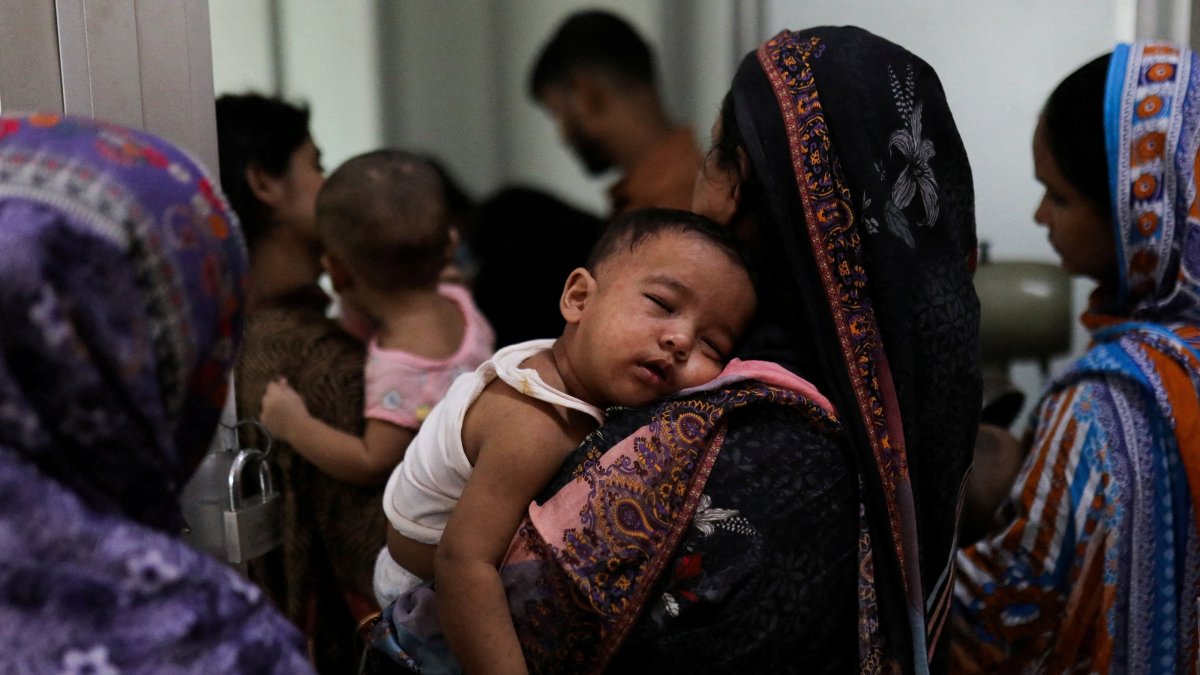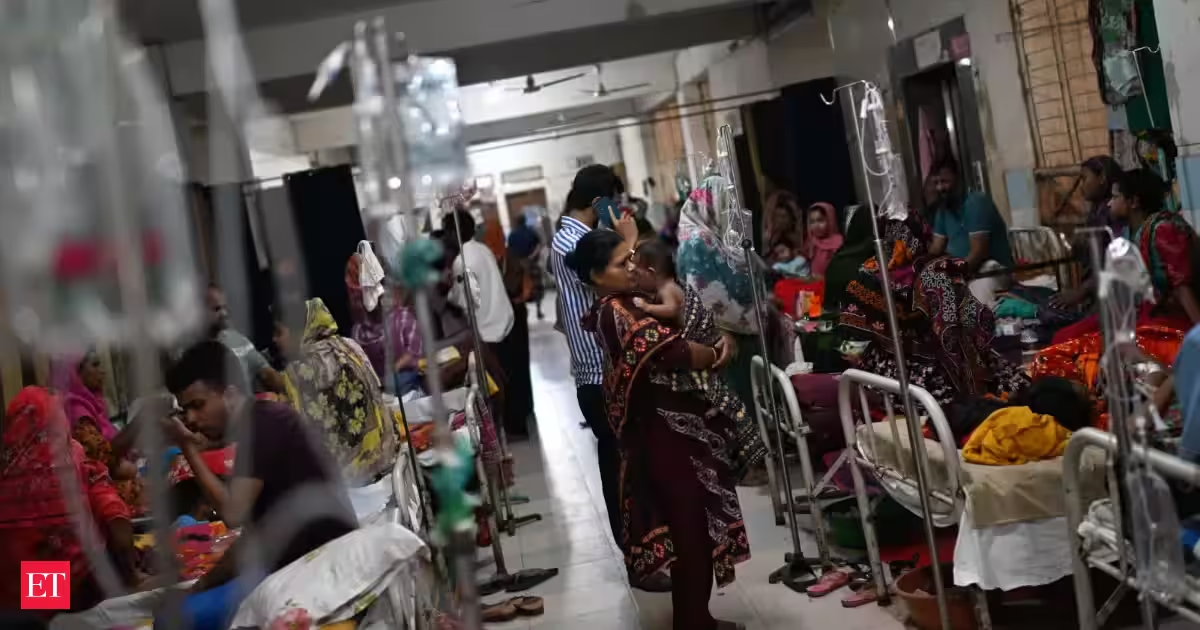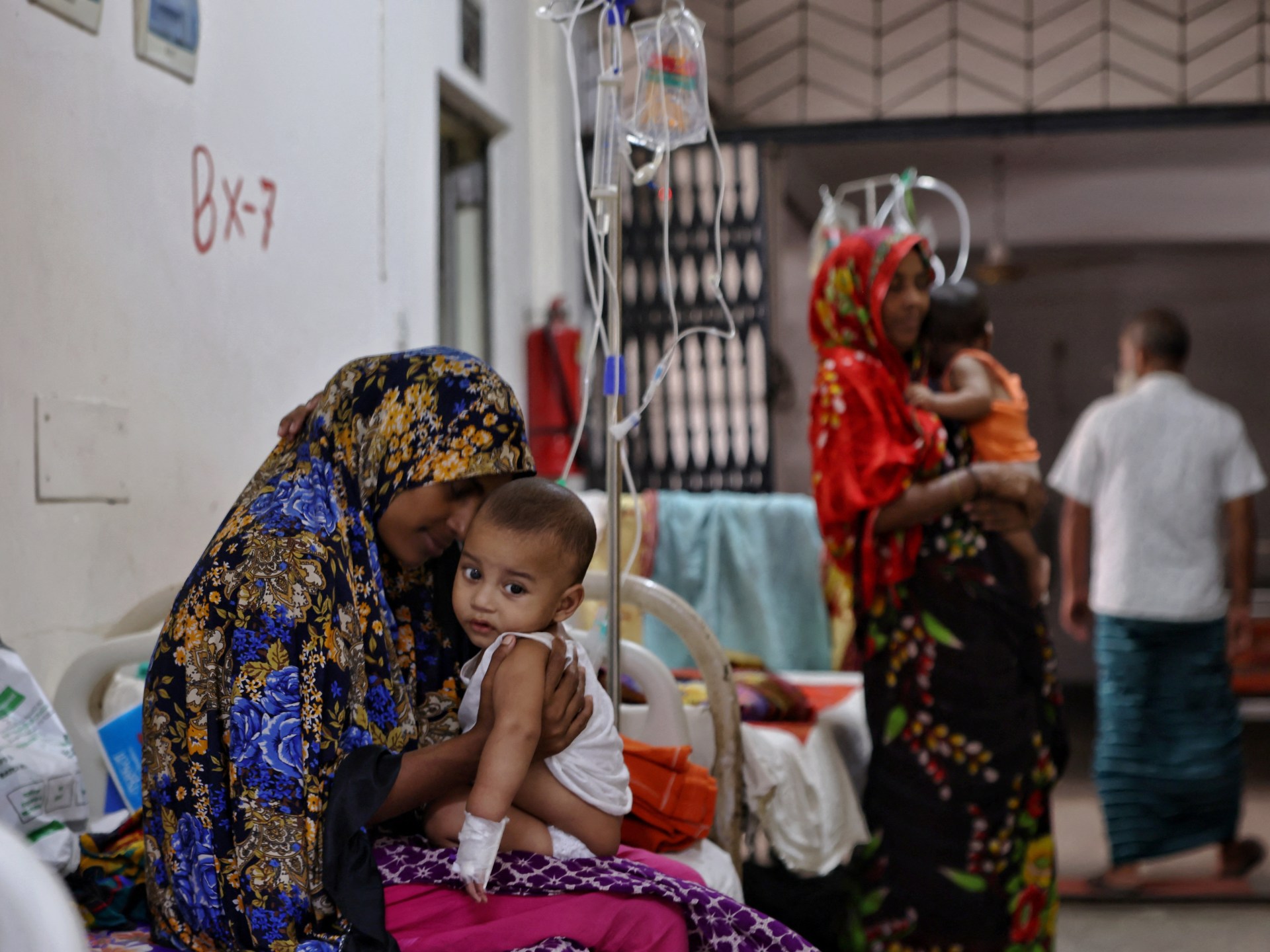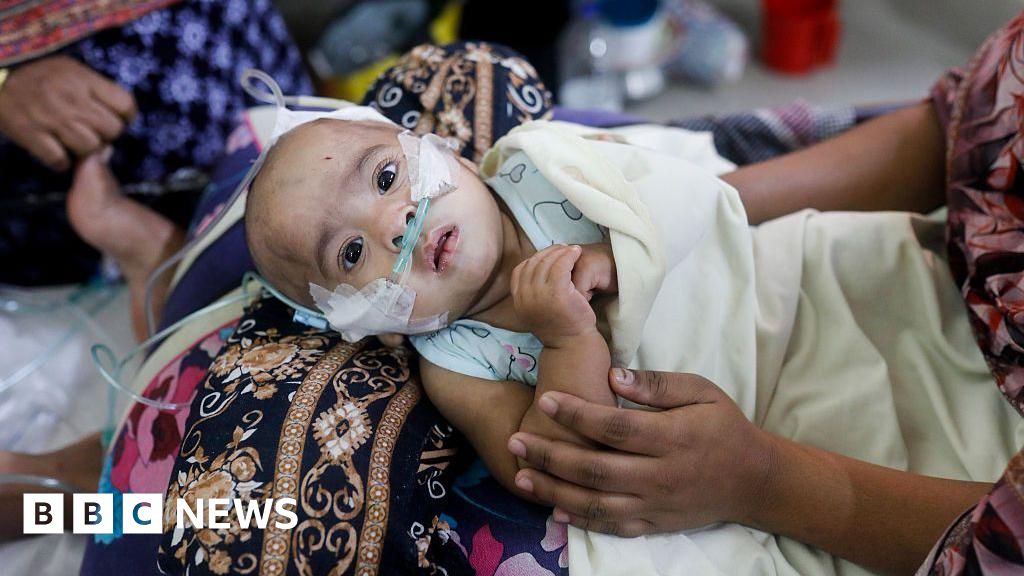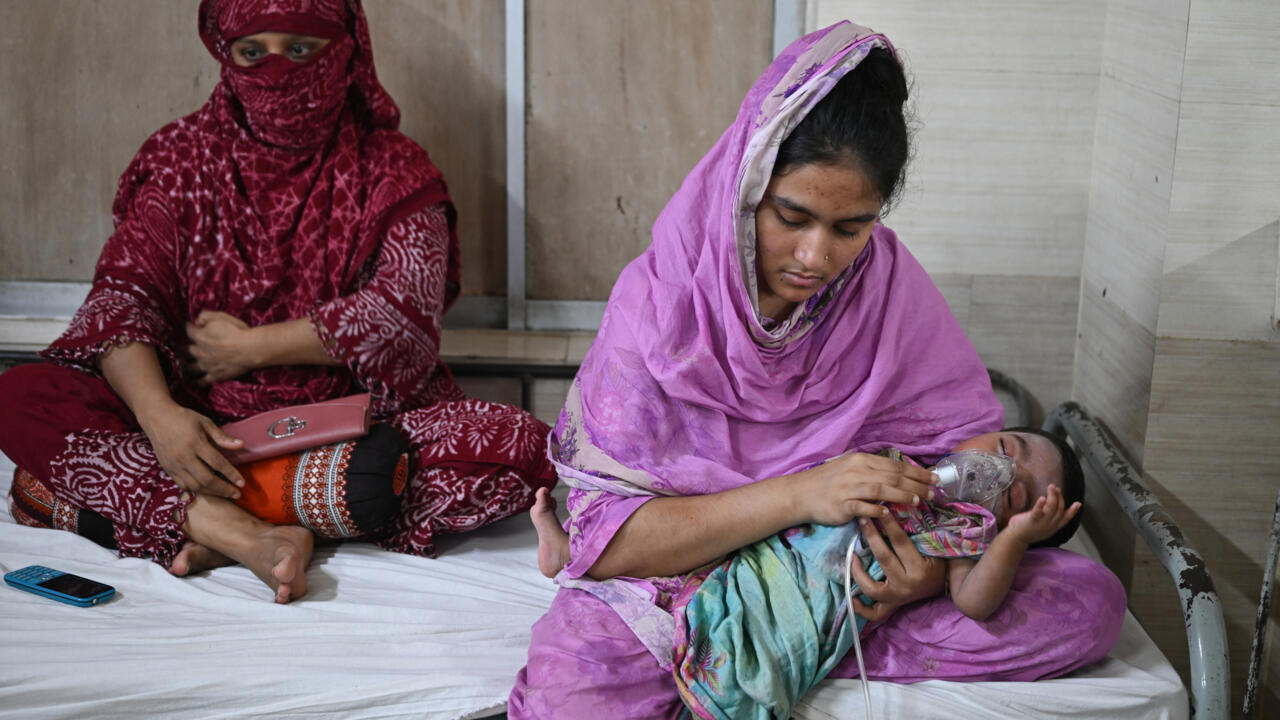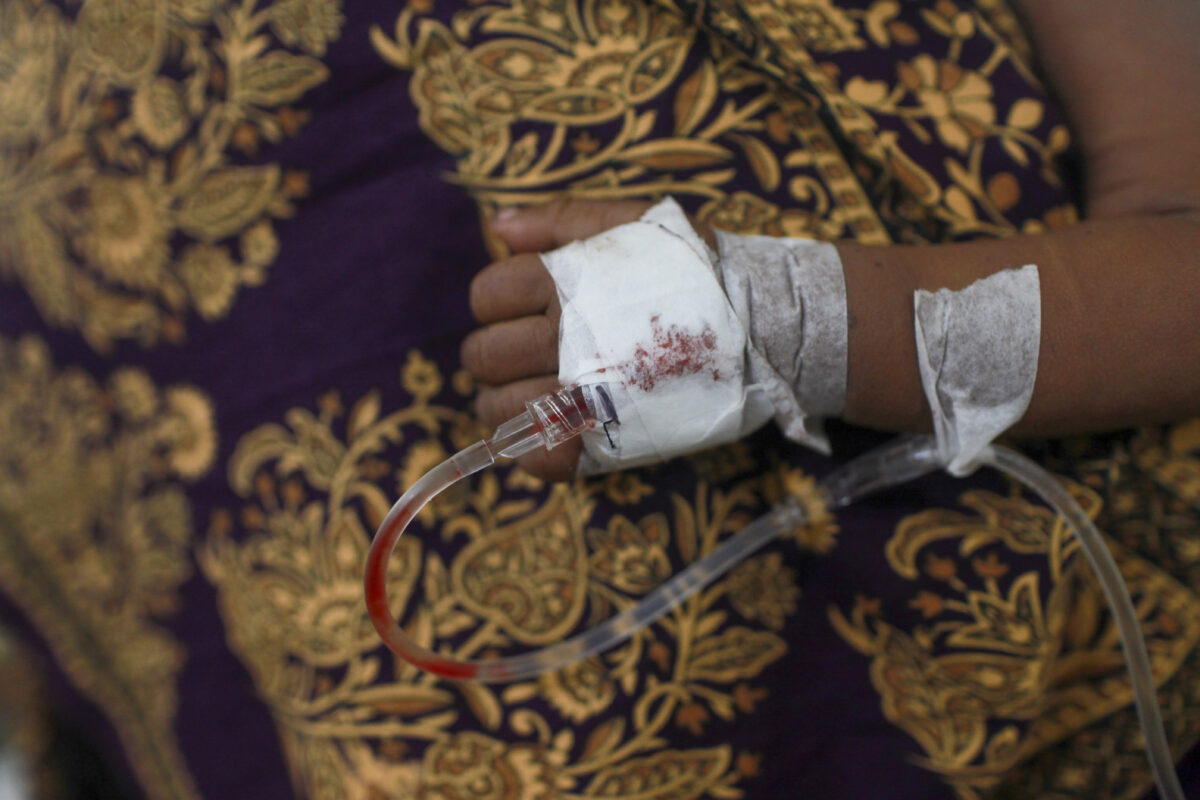
Bangladesh faces its most significant measles outbreak since 2005. Between 15 March and 14 April 2026, national health authorities reported 19,161 suspected cases and 2897 laboratory-confirmed cases across 91 per cent of the country’s districts. A total of 166 suspected deaths were recorded, with a case fatality rate of 0.9 per cent. By early May, figures had climbed to approximately 55,000 suspected cases and over 400 deaths.
Children under five years old account for 79 per cent of cases, with infants under nine months bearing a disproportionate share of fatalities. Genetic analysis conducted in February 2026 identified continuing transmission — suggesting the outbreak reflects longstanding governance failures rather than an unforeseen emergency.
The primary driver is a sustained decline in vaccine coverage — Bangladesh’s Coverage Evaluation Survey 2023 found that first-dose measles-rubella coverage had fallen from 88.6 per cent in 2019 to 86 per cent. Second-dose coverage also fell from 89 per cent to 80.7 per cent. This left an estimated 10 million children with first-dose gaps and 20 million with second-dose gaps.
Bangladesh has remained below the herd-immunity threshold of 95 per cent of the population having received two doses. First-dose coverage had reached 94 per cent by 2016 — measles incidence consequently declined by 82 per cent from 2000 levels. Yet 56 per cent of districts were failing surveillance targets. A nationwide vaccine shortage spanning 2024–25 and a lack of supplementary campaigns further enlarged the susceptible pool. Bangladesh’s Expanded Programme on Immunisation (EPI) data recorded a 51 per cent fall in measles vaccination coverage in April and May 2020 — allowing susceptibility to accumulate across successive birth cohorts without follow-up immunisation campaigns.