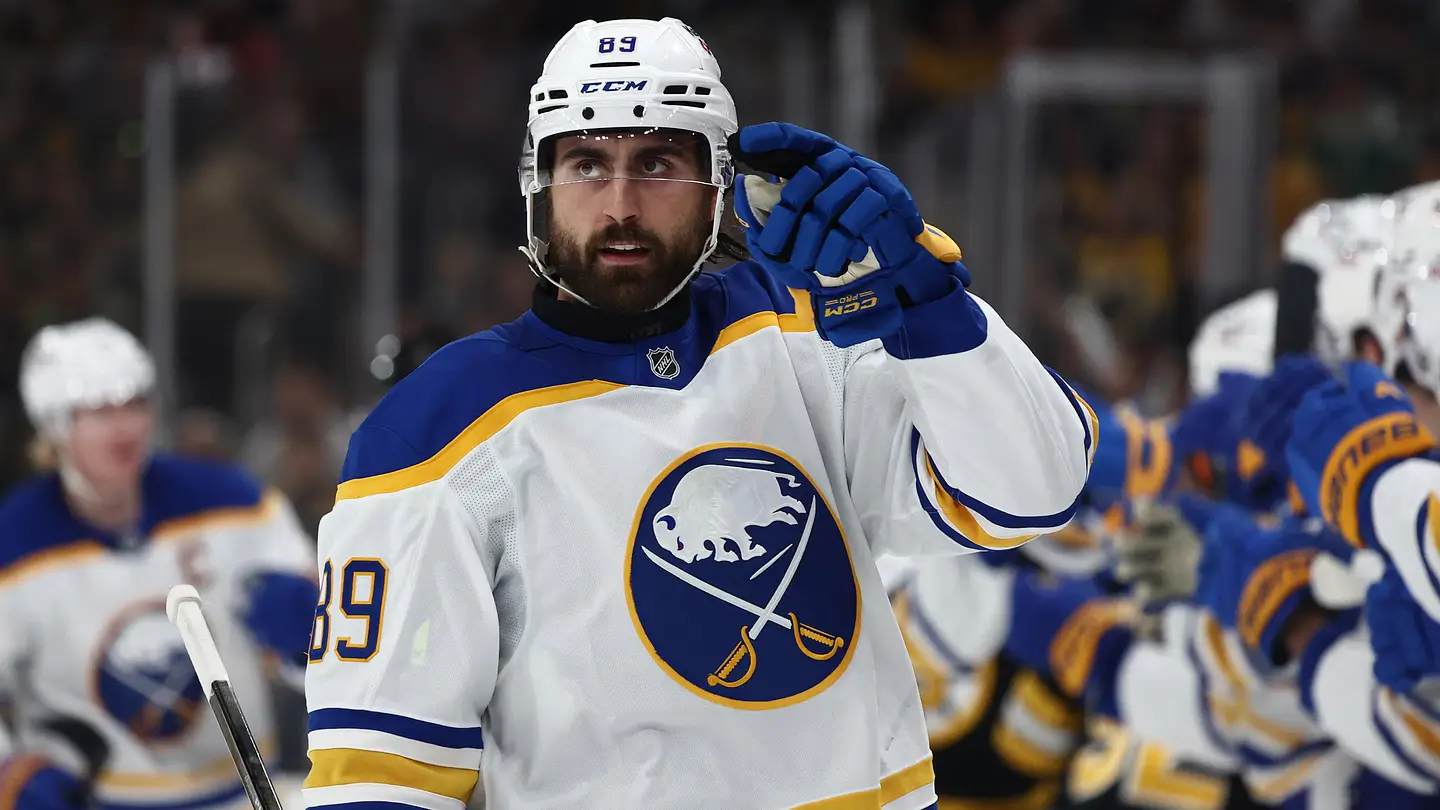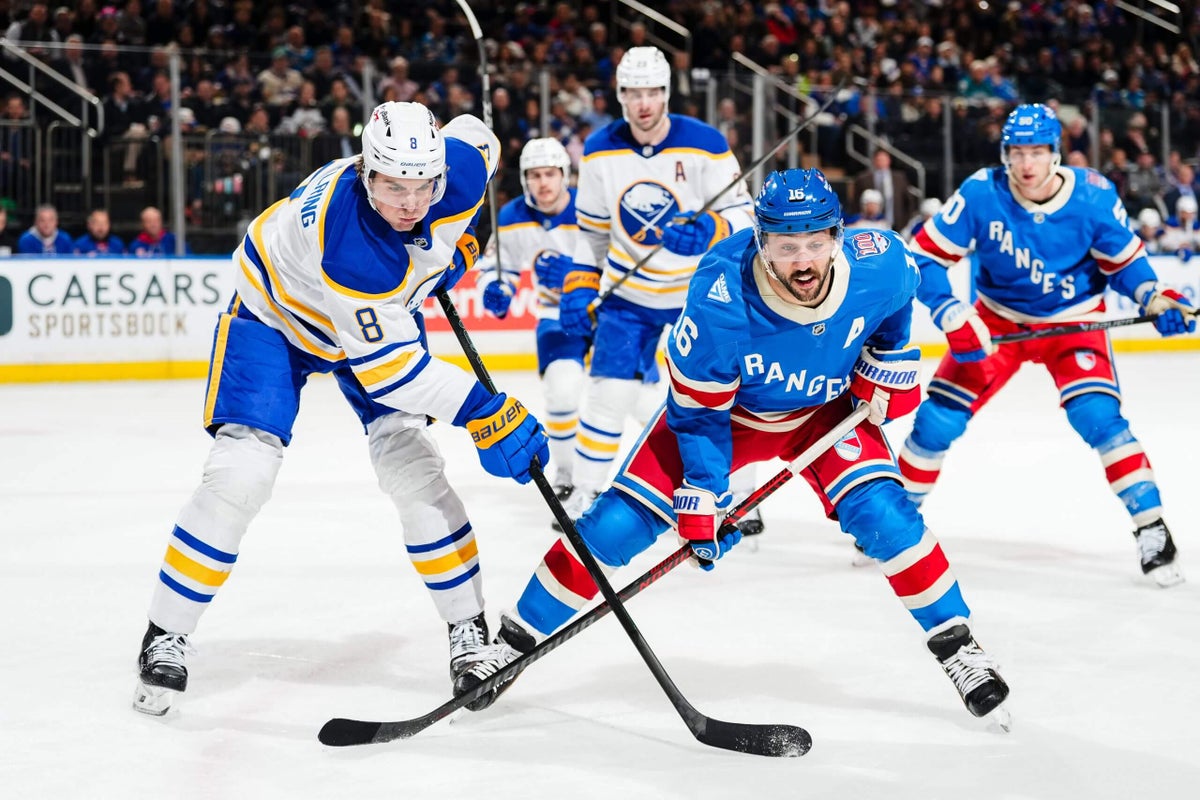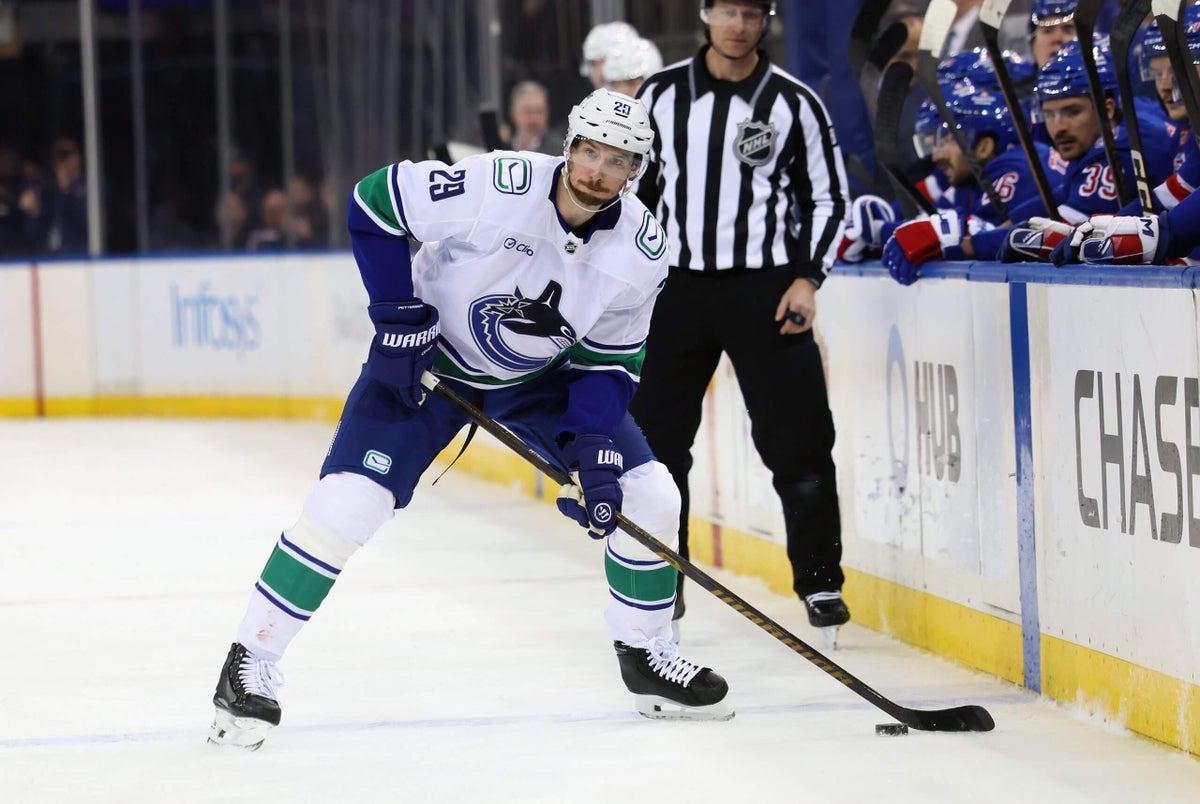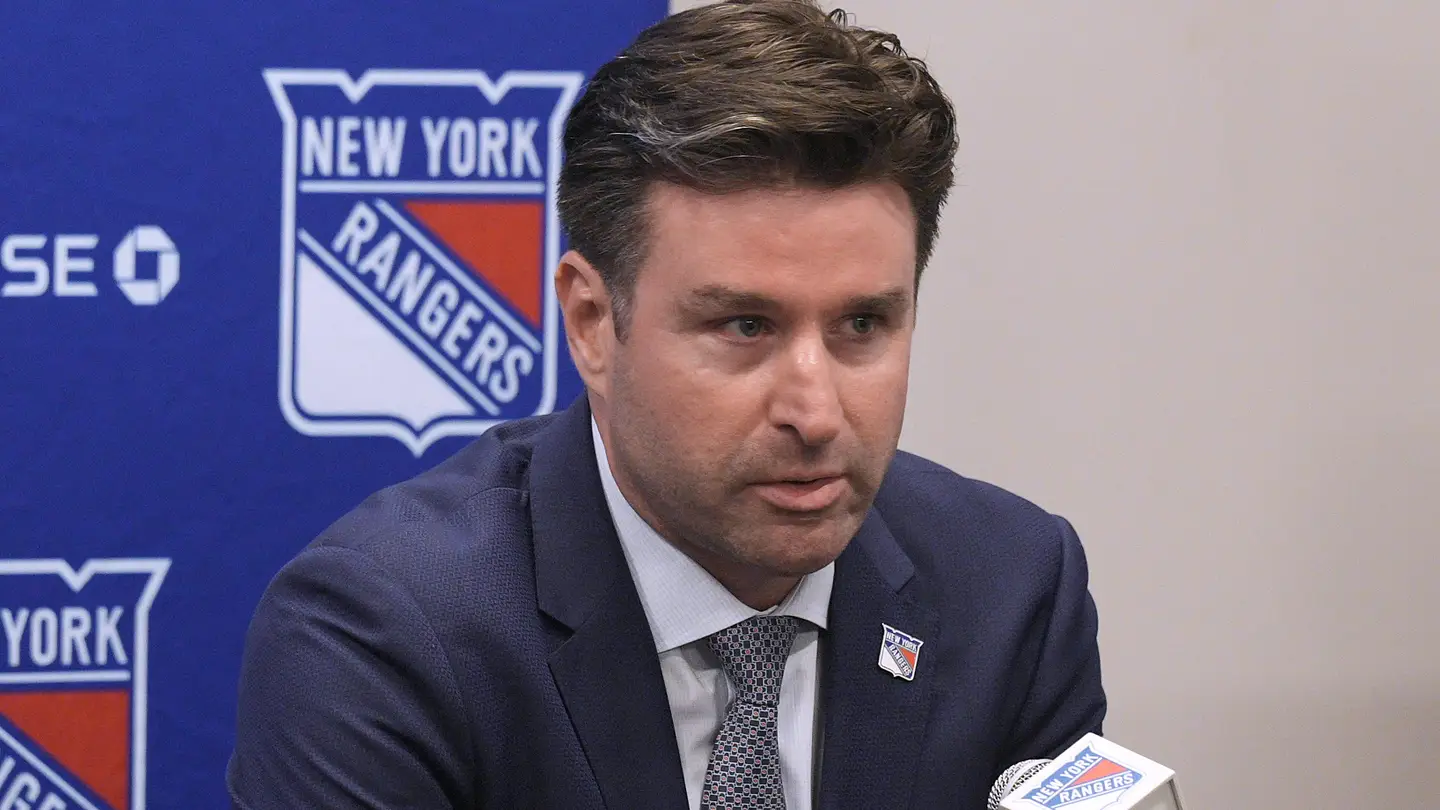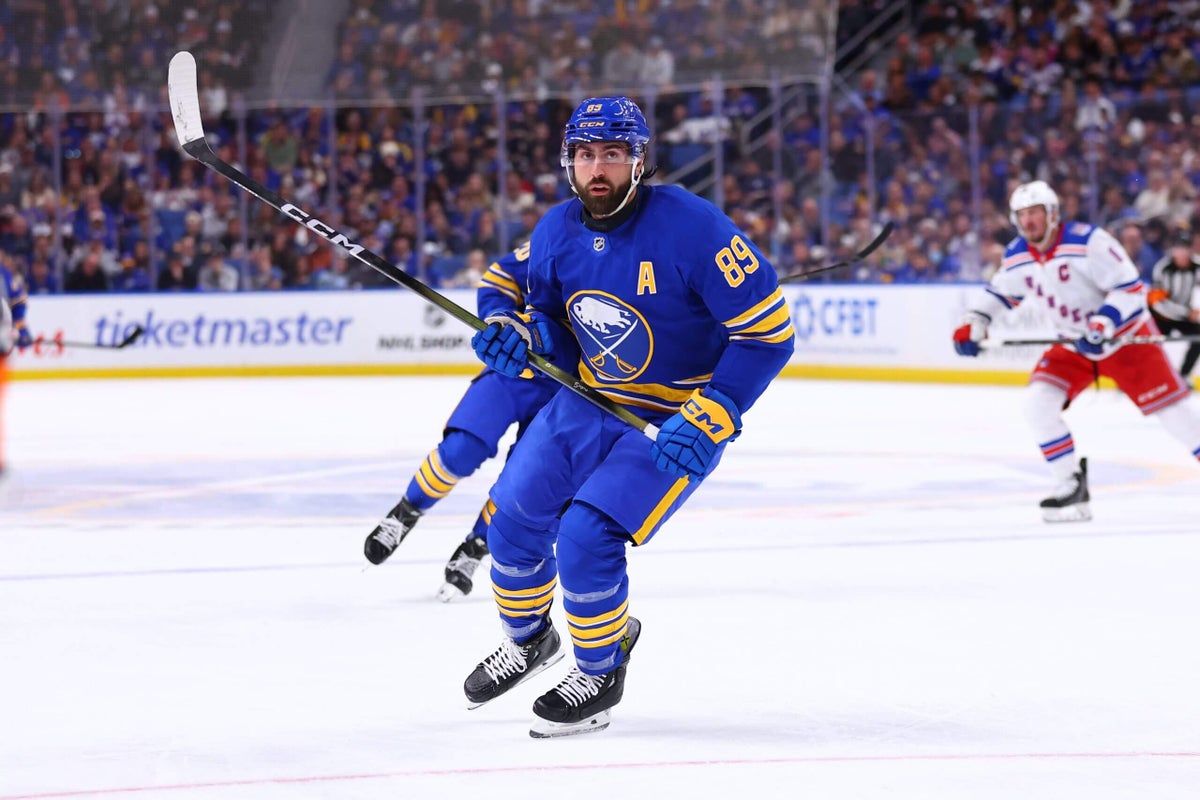
The offseason hasn’t even started yet, but we’ve already entered whisper season around the NHL. Whether it’s executives, scouts, agents or reporters, everyone is trying to read the tea leaves and figure out how teams will maneuver this summer.The belief among many of them is that New York Rangers team president Chris Drury would like to be active. He signaled as much in his Jan. 16 letter to season-ticket holders, with his emphasis on retooling a clear indication that he’s looking to execute a quick turnaround.Of course, there’s a big gap between wanting to be aggressive and actually doing it. The Rangers’ offseason will be determined by opportunity and their ability to capitalize if any arise, which is far from a given. There are no obvious solutions for the worst team in the Eastern Conference, but one thing I keep hearing is that if there’s a big move that Drury deems worthwhile, he’s going take a swing.What would constitute a big move? And who could feasibly be available? I’ve been asking around to try and get some answers.There’s no doubt that trading veteran center Vincent Trocheck, which New York is largely expected to do, will be a major piece of business. But that’s likely to be for a package of assets. Whether the Rangers can pull off a trade (or signing) where they’re bringing back the best player in the deal is a greater unknown.Peter Baugh and I previously detailed potential trade targets, which included possible salary dumps, young players and reclamation projects. But for the purposes of this story, I focused on different avenues in which Drury can pursue a notable splash. The idea was to pinpoint established top-six forwards and top-four defensemen while identifying teams that might have reasons to trade them. Let me know if you think I missed any obvious ones, but these are the situations that people around the league — including the Rangers — are monitoring:UFA routeThere’s a case to be made that the Rangers should avoid any long-term free agent commitments this summer, especially given how weak the UFA class is and how inflated the prices may end up being. But the argument for going the free-agent route is that it wouldn’t require trading away any assets at a time when Drury is trying to accumulate them. All it would cost is money, and New York has plenty of that with a projection of nearly $30 million in salary cap space.This would have been a different conversation eight or nine months ago, when the 2026 UFA class had the makings of something special. But a flurry of re-signings left only a handful who would even classify as big swings, with Alex Tuch the most appealing remaining option for the Rangers. He checks the boxes for scoring (33 goals or more in three of the last four seasons), size (6-foot-4, 219 pounds) and positional need (right wing) while fitting the style that Drury and coach Mike Sullivan want to play. But for a team with a dearth of high-end talent, does it make sense to offer top dollar to a 30-year-old who’s more of a complementary top-six piece than a true play driver?Darren Raddysh is considered the top defenseman available — and ranked No. 1 on Chris Johnston’s free agent big board — but I’m not sure I see the Rangers splurging on a right-handed power-play quarterback when they already have Adam Fox.Buffalo SabresThe Sabres have made attempts to re-sign Tuch, but as of Tuesday morning, The Athletic’s Pierre LeBrun was reporting that those negotiations remained “status quo.” The chances of Tuch hitting the market are increasing by the day — but if Buffalo intends to keep its second-leading goal-scorer, it will have to trim in other places.
The New York Rangers’ want to take a big summer swing. Which players are feasible targets?
The upcoming free-agent class seems weak, yet signs still point to New York GM Chris Drury wanting to make a splash. How can he pull it off?
1,809 words~8 min read