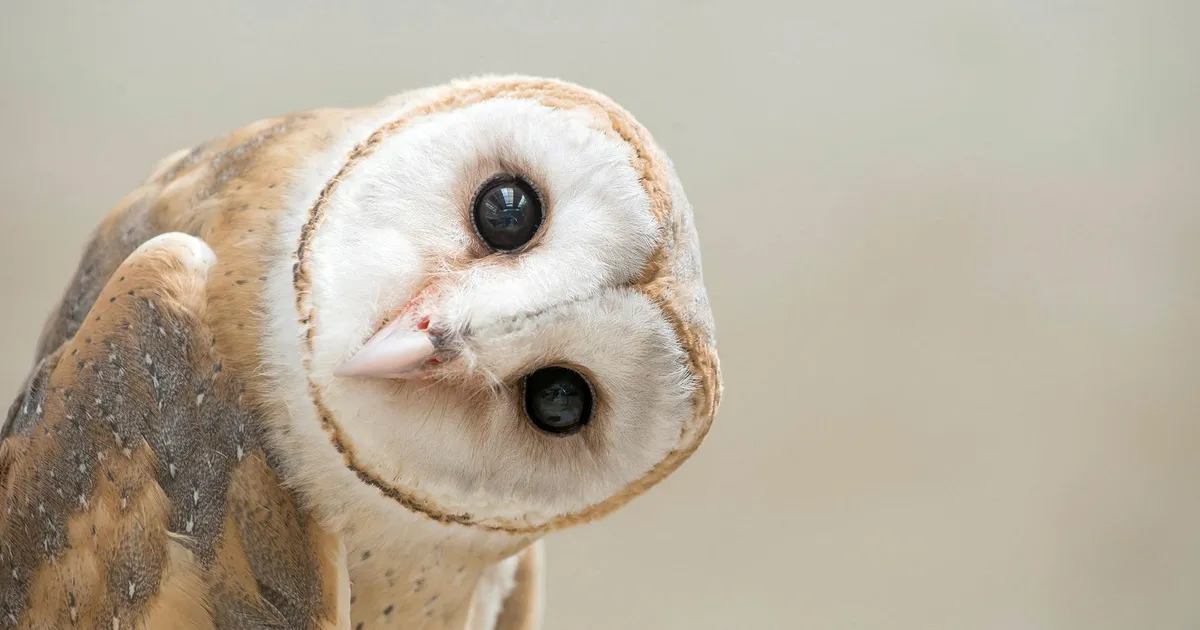
Hundreds of nocturnal birds of prey have been killed on Israeli roads in recent years, threatening both their populations and the ecosystems in which they play a vital role, according to a new Israeli study based on data from the Israel Nature and Parks Authority. According to the researchers' estimates, more than 2,600 nocturnal raptors died in Israel between 2008 and 2024. About 1,000 of those deaths – 38 percent – were linked to human activity. In two-thirds of those cases, 667 incidents in total, the birds were killed in vehicle collisions. Among eight of the 10 owl species examined, road collisions were the leading human-related cause of death, surpassing electrocution from power lines, entanglement in barbed wire fences, poisoning and illegal hunting. The study was conducted by Ezra Hadad of the Israel Nature and Parks Authority, Prof. Jakub Kosicki of Adam Mickiewicz University in Poland and Prof. Reuven Yosef. It drew on reports collected by nature authority inspectors, many following calls from civilians who encountered injured or dead birds. The researchers noted that the reporting system is biased toward heavily trafficked roads, meaning many collisions on smaller roads may have gone undocumented. The findings were published in the journal Biodiversity and Conservation. Haaretz PodcastHow AIPAC and pro-Israel megadonors turned a midterm race into the most expensive primary in U.S. historyHaaretz PodcastHow AIPAC and pro-Israel megadonors turned a midterm race into the most expensive primary in U.S. historytotal-- : --time0:00"The obvious question is why birds that can soar safely through the skies end up colliding with cars," Hadad told Haaretz. He said the combination of millions of years of evolution and modern infrastructure has created an "ecological trap": roads provide abundant food, while also posing a lethal danger. Nocturnal raptors hunt prey such as mice and rats by flying silently at very low altitudes. Roadsides offer ideal hunting grounds. Vegetation and food waste near roads attract rodents, while medians and shoulders are often cleared of tall plants, creating open hunting corridors. Artificial lighting also helps the birds detect movement more easily. When a raptor spots prey near the roadside, it dives toward it. The birds evolved exceptional night vision and highly sensitive hearing, allowing them to detect even faint rustling beneath leaves. "Evolution did not prepare them in any way to assess the speed of a metal object weighing more than a ton and moving at 100 kilometers per hour [62 mph]," Hadad said. "When they are close to the ground and fully focused on prey, the birds simply cannot calculate the timing of the impact and evade an approaching vehicle." A tawny owl struck by a vehicle in the Judean foothills. Credit: Ezra HadadA tawny owl struck by a vehicle in the Judean foothills. Credit: Ezra HadadNature's pest controllersThe danger varies by species. Based on models developed for seven owl species, the researchers found that vulnerability depends on landscape, habitat and hunting patterns. Barn owls, for example, face the greatest risk in continuous agricultural areas near residential communities. Tawny owls, which inhabit forests and woodlands, are especially vulnerable in built-up areas bordering their natural habitat. Expanding development, winding internal roads and forested suburbs create hazardous conditions for the species. In northern and central Israel, increasing construction in wooded areas is exposing tawny owls to greater danger. Common barn owl. Credit: Anan Kaewkhammul/ShutterstockCommon barn owl. Credit: Anan Kaewkhammul/ShutterstockLong-eared owls, which also favor forests and wooded areas but can adapt to mixed agricultural landscapes, are particularly threatened when roads fragment forest habitats. Forced to cross roads in search of food, the birds are often struck while moving between wooded areas. Nocturnal birds of prey play an important ecological role as natural pest controllers. A single family of barn owls can consume thousands of rodents each year, reducing crop damage and limiting the need for toxic pesticides. The loss of hundreds of raptors to road collisions increases the likelihood of rodent outbreaks in agricultural areas. Among species with already small populations, the continued loss of mature breeding individuals also raises the risk of local extinction. Night lighting above the railway bridge near Binyamina. Credit: Itzik Ben MalkiNight lighting above the railway bridge near Binyamina. Credit: Itzik Ben MalkiThe researchers said the study's findings could help planners and road engineers create risk maps and implement targeted solutions. Suggested measures include managing roadside vegetation to make it less attractive to rodents and installing elevated observation posts away from road shoulders, allowing birds to hunt outside traffic zones. The researchers also emphasized the role drivers can play in reducing collisions. "The next time you drive at night, especially through agricultural areas in the coastal plain, developing suburbs or roads cutting through forests and woodlands, remember that you are not alone out there," Hadad said. "Greater vigilance, more careful scanning of the roadside and easing off the gas slightly in high-risk areas are the things that could save the life of another quiet night guardian of Israeli nature."
Why Israeli roads are becoming death traps for owls and other night hunters
Roadsides Rich in Rodents Attract Owls to Hunt at Low Altitude, but Evolution Never Prepared Them for Speeding Cars
822 words~4 min read