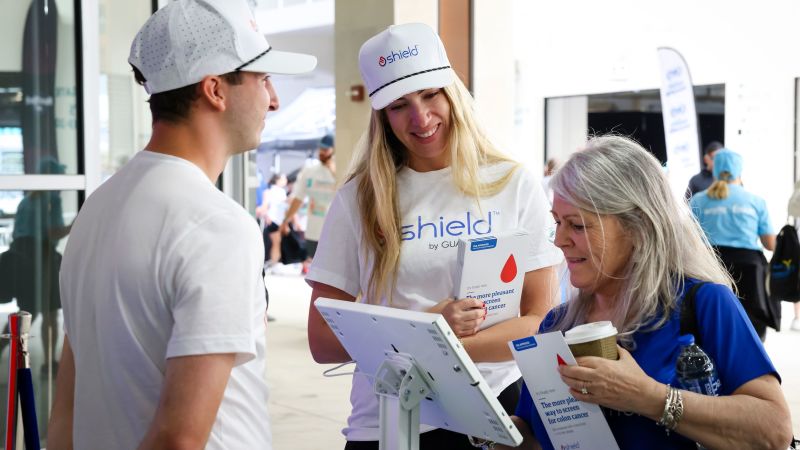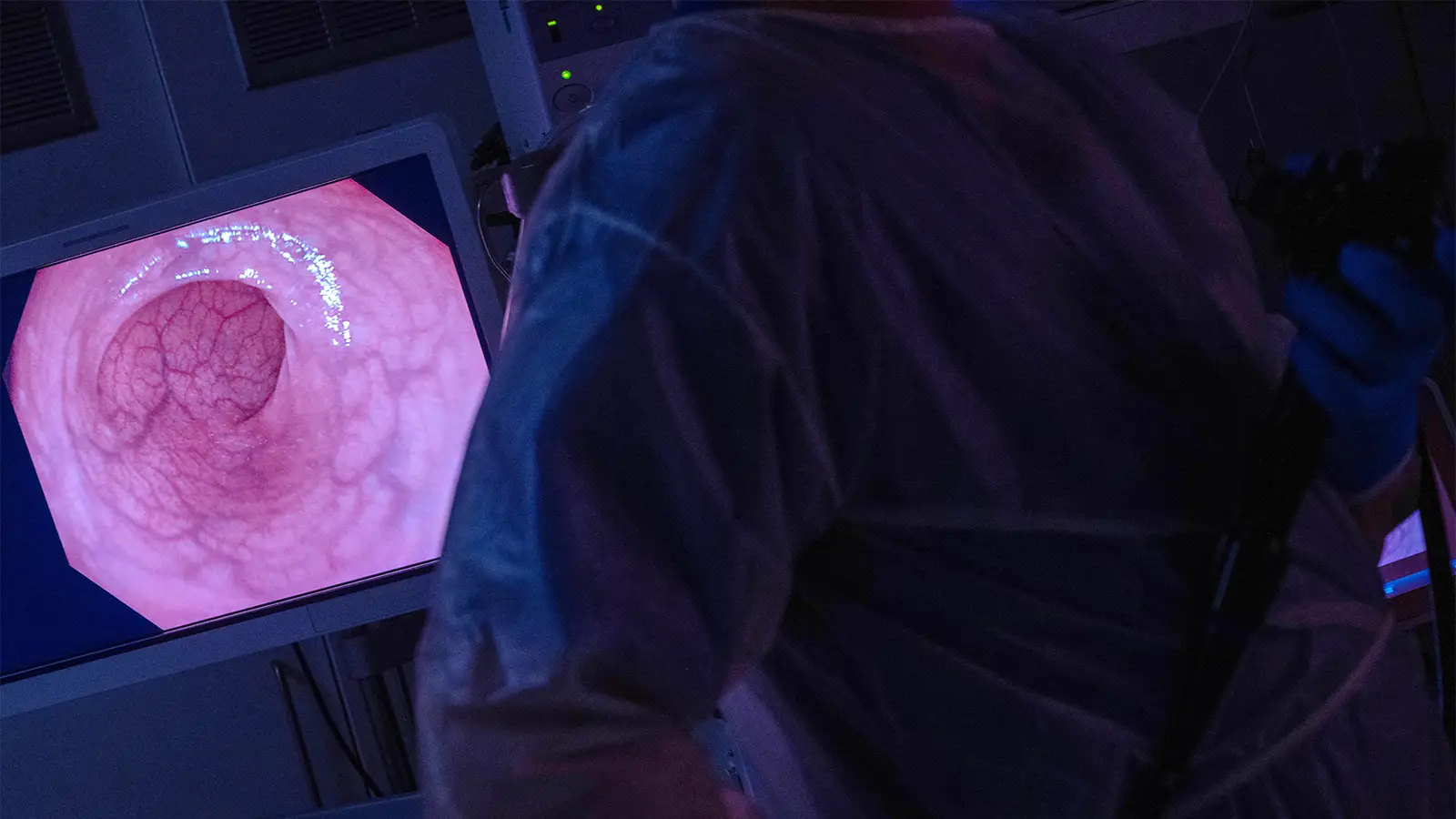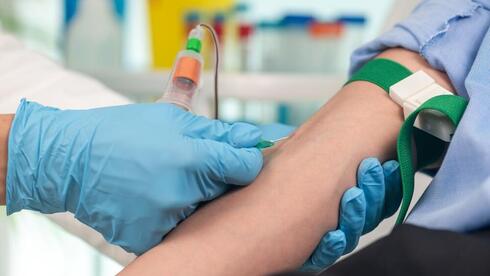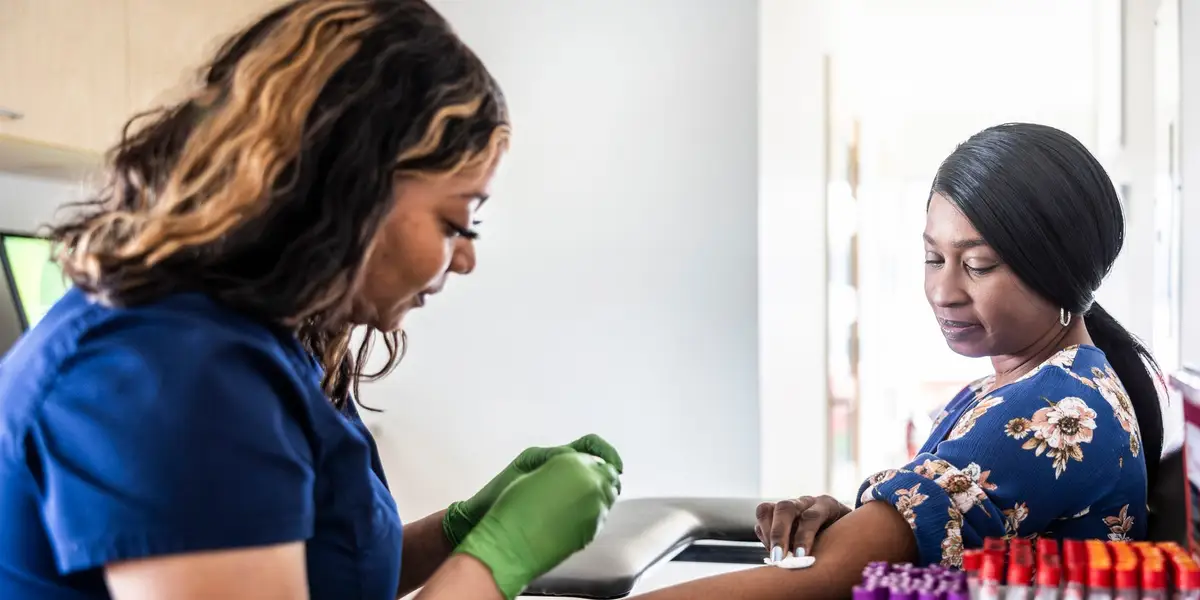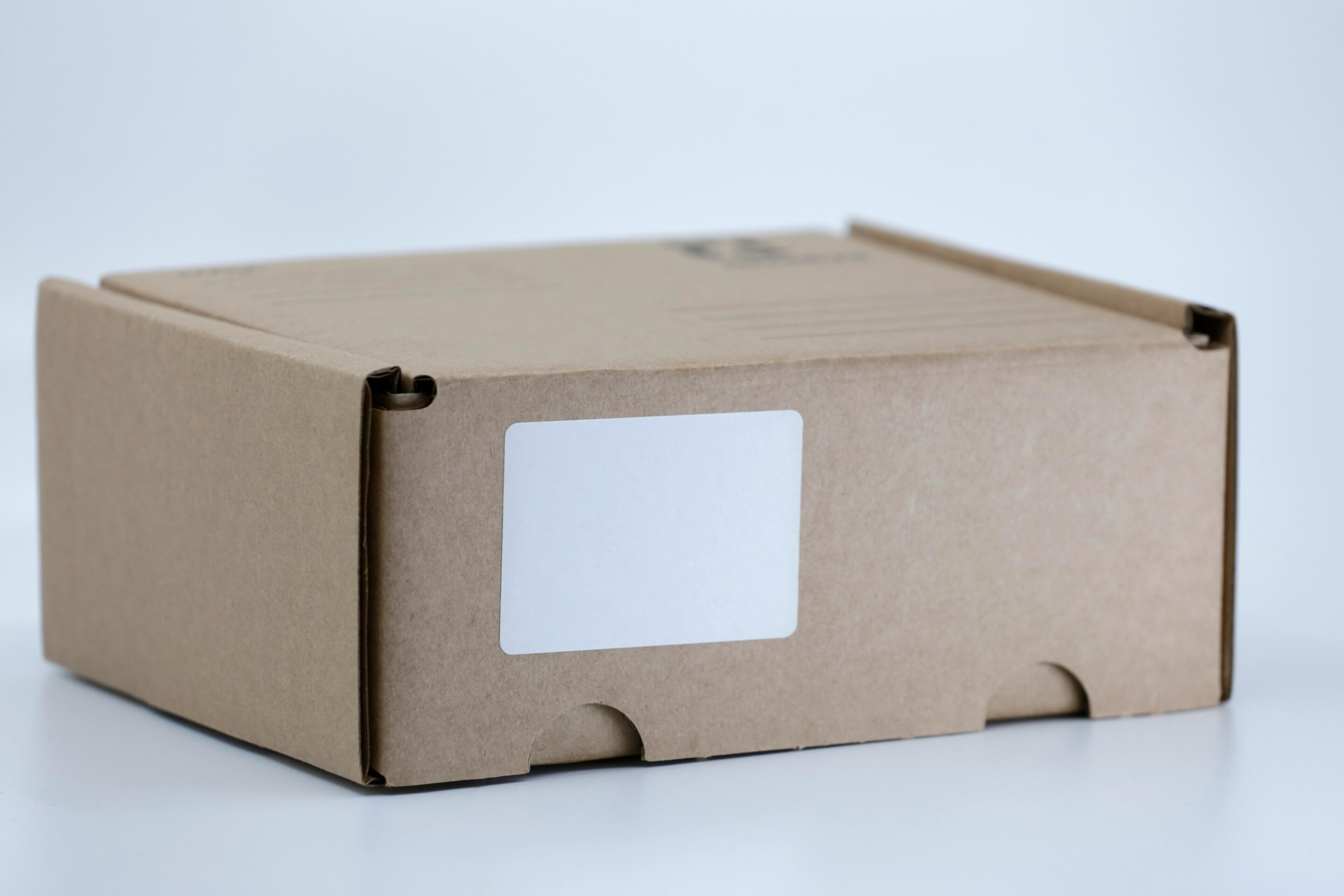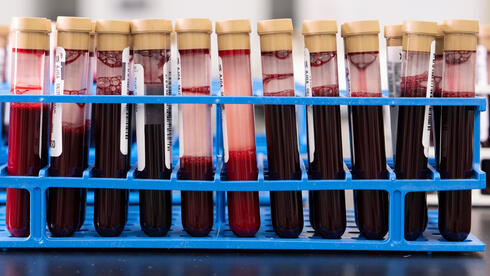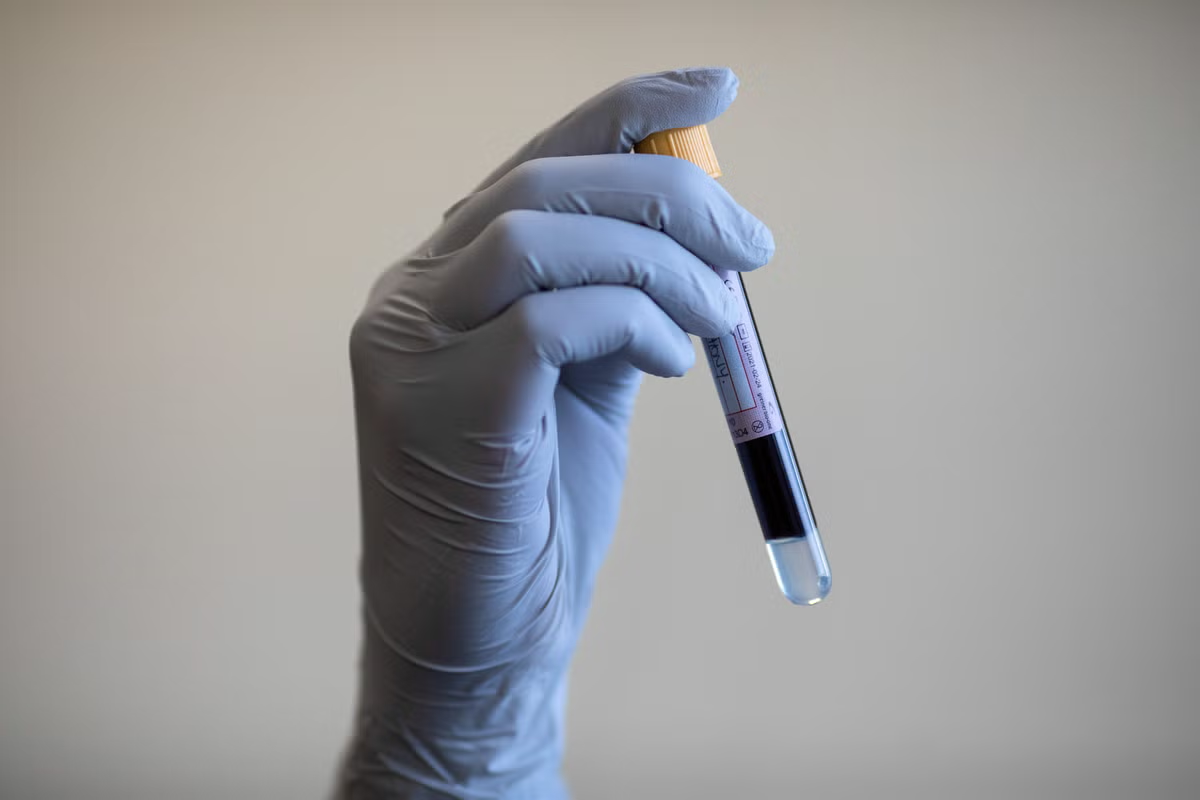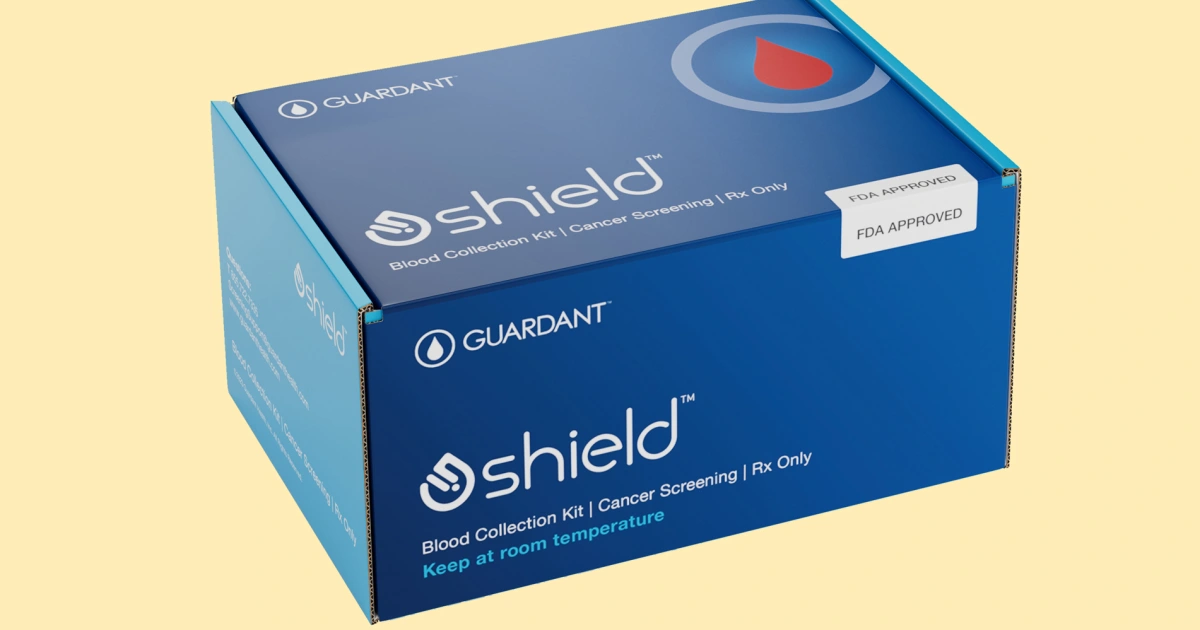
For the first time, a blood test has been added to the list of the American Cancer Society’s recommended screenings for colorectal cancer. It’s not meant to replace colonoscopies, aiming instead at catching people who might not get screened otherwise. “About a third of Americans are not up to date with colorectal cancer screening,” said Dr. William Dahut, chief scientific officer for the American Cancer Society. Adding a new type of test could “dramatically increase” the number of people screened for colorectal cancer, which is the nation’s top cause of cancer death in people under age 50, he said. The blood test, called Shield, from California-based Guardant Health, was approved by the Food and Drug Administration in 2024. It works by detecting DNA fragments released by cancerous tumors. The American Cancer Society recommends it only for people who can’t or won’t undergo more effective screenings like colonoscopies or stool tests.While studies have found the Shield blood test is 83% effective in finding colorectal cancers, it works best at finding more advanced disease and is significantly less effective at detecting early signs of the cancer, when it’s most treatable. Precancerous polyps don’t release those DNA fragments. And there isn’t any data yet showing whether the test can save lives in the long run. “It won’t be as good at picking up the pre-cancer areas or stage 1 cancers,” Dahut said, “but it’s certainly much better than not being screened at all.”The American Cancer Society’s recommendations, released Wednesday, don’t mean insurance will be required to cover the blood test. Insurance coverage typically follows a recommendation from the U.S. Preventive Services Task Force, which hasn’t weighed in. The Shield test costs $895 out of pocket.Dr. Scott Kopetz, a gastrointestinal medical oncologist at the University of Texas MD Anderson Cancer Center, said that while doctors are “generally enthusiastic” about widening options for colorectal cancer testing, there are also worries that people might rely on the blood test, equating it with the gold-standard colonoscopy. “This is better than nothing, for sure,” Kopetz said. “The concern is that we’re going to lose ground in our battle for colorectal cancer prevention and early detection, that this is going to reduce the quality of screening that some of these patients may otherwise have received, because there is such a demand for what’s easy and fast.”Colorectal cancers are surging, particularly in adults under age 65. More than 108,000 new cases of colon cancer and nearly 50,000 cases of rectal cancer will be diagnosed this year in the U.S. Everyone at average risk for colorectal cancer should start screening at age 45, a recommendation that stays consistent with the previous update.Experts say colonoscopy remains, by far, the most effective screening tool. The procedure involves inserting a tiny, flexible camera into the rectum and up into the colon, allowing doctors to find polyps before they become cancerous and remove them. Colonoscopy is a two-day process that involves a lot of bathroom time and, usually, a day off work. The day before the procedure, people have to switch to a liquid diet and take laxatives to clear out their colons so the camera can get a clear view. The procedure itself is painless and done under anesthesia; because of that, patients need someone else to drive them home. In general, colonoscopies are done every 10 years. Cologuard, an at-home colon cancer screening test kit.Lindsey Nicholson / UCG / Universal Images Group via Getty Images fileThe new guidelines also allow the latest stool-based tests, sold under the brand names Cologuard or ColoSense. They are done either at home or at a doctor’s office and are repeated every one to three years. Tests involve collecting small stool samples, placing them in provided tubes or other receptacles and then sending them to labs for analysis. No laxative prep or dietary changes are needed. The Shield blood test is even less involved but should be done every three years. Neither test can entirely preclude a colonoscopy: A positive stool or blood test would require a colonoscopy that can tell doctors where tumors are and guide treatment. Despite the caveats, Dr. Kimmie Ng, director of the Young-Onset Colorectal Cancer Center at Dana-Farber Cancer Institute in Boston, said the guidelines highlight the significance of catching as many people as possible at risk for colorectal cancer. “Getting screened is more important than ever,” Ng said. “Having a variety of different options available to people to encourage uptake of screening is really quite important.”
Blood test added to colorectal cancer screening options by cancer group
The updated guidelines from the American Cancer Society are meant to increase the number of people screened for colorectal cancer.
744 words~3 min read