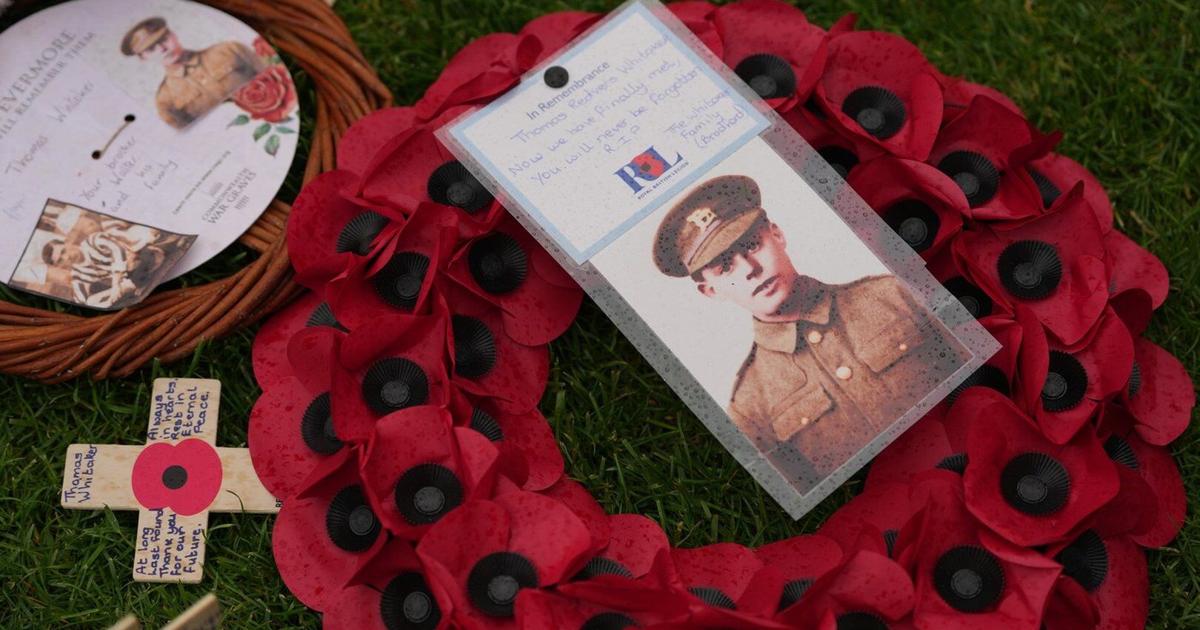
Close to Thiepval, a small French village in Picardy with about a hundred inhabitants, stands one of the most poignant memorials to the millions killed in World War I. More than fifty meters tall, the monument rises abruptly above the banks of the river Ancre, a tributary of the Somme. On its walls are commemorated more than 72,000 British soldiers still missing from the war cemeteries that dot the landscape of the Somme valley, 72,000 people whose bodies were never identified from the carnage.Article continues after advertisement
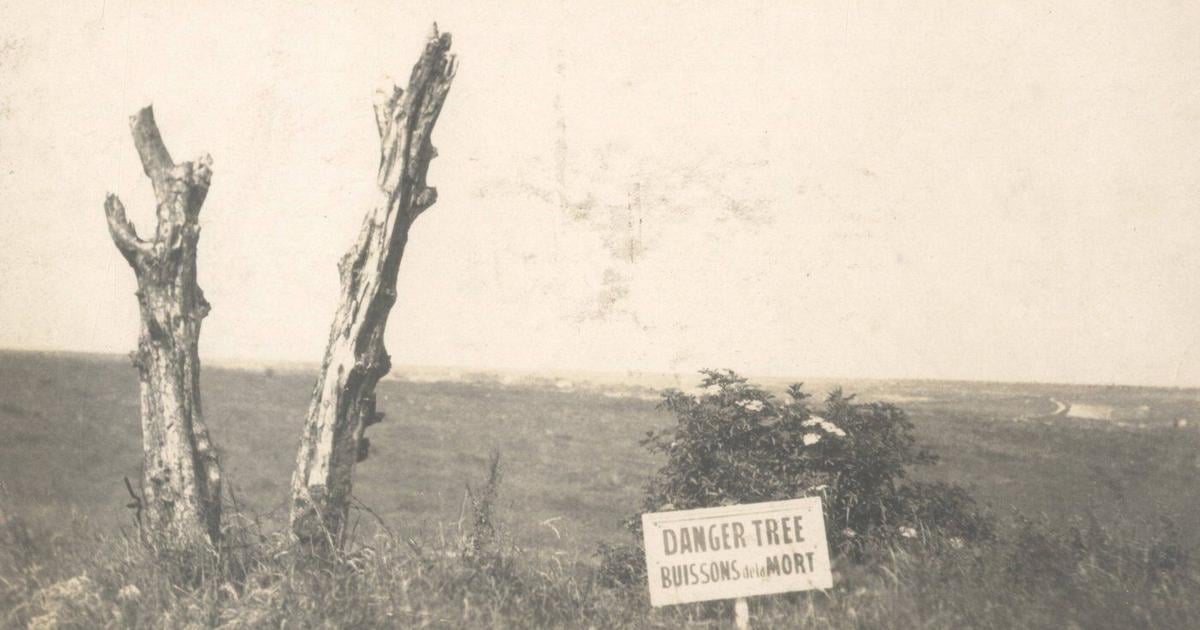
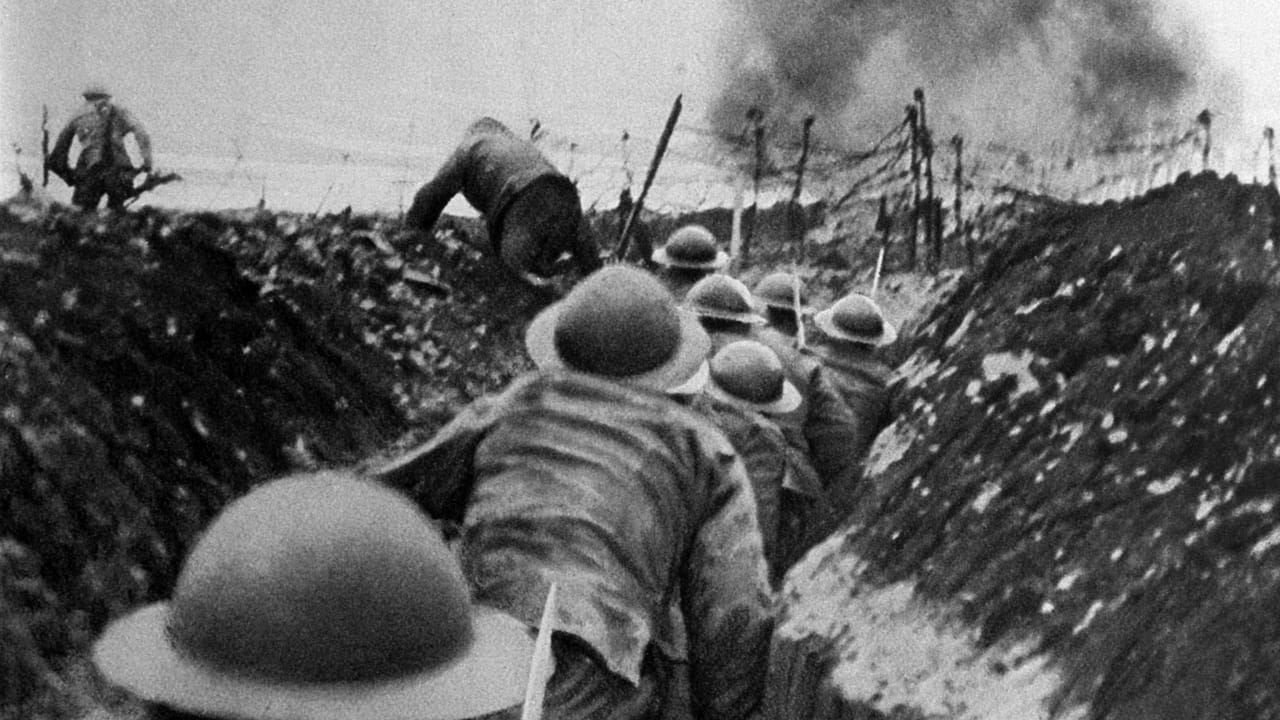
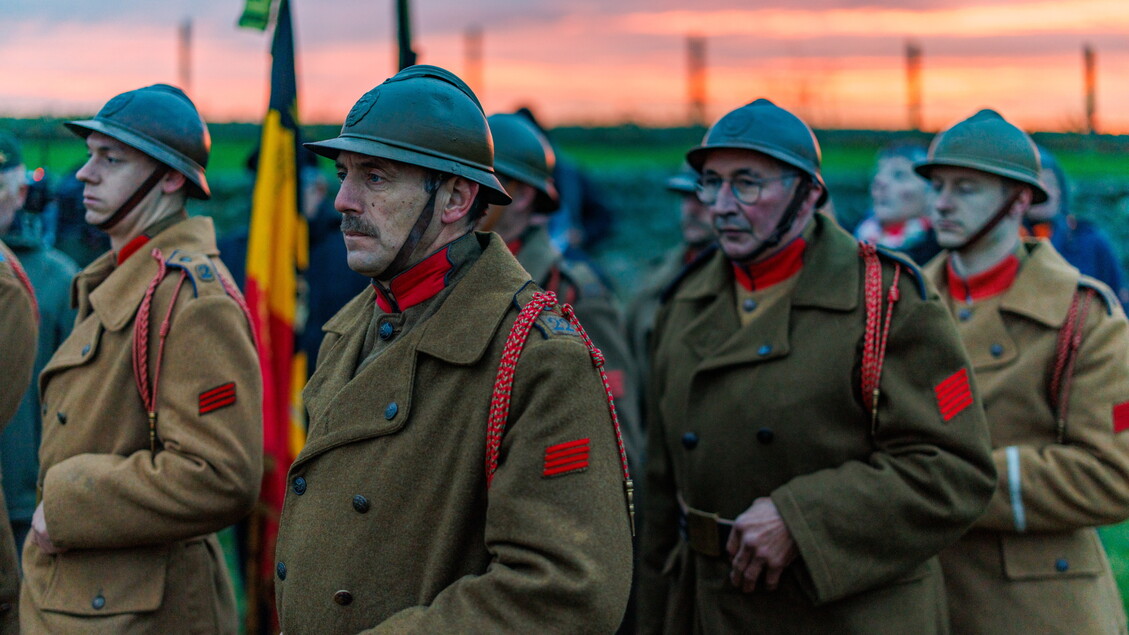
The missing British dead represent only a small portion of those killed at the Battle of the Somme during World War I. From July to November 1916 there were more than 1 million casualties here. People from all over the world: German, French, British, Canadian, Australian, Indian, African, Arab, Chinese. The first day of the battle alone, July 1, 1916, saw nearly 70,000 casualties.
Many bodies were never recovered. Ten minutes down the road from Thiepval, on the other side of the highway leading to today’s prosperous French border city of Amiens, lies the German war cemetery at Fricourt. Among its black crosses are the graves of 17,000 German soldiers—merely a fraction of the 160,000 Germans who died here.