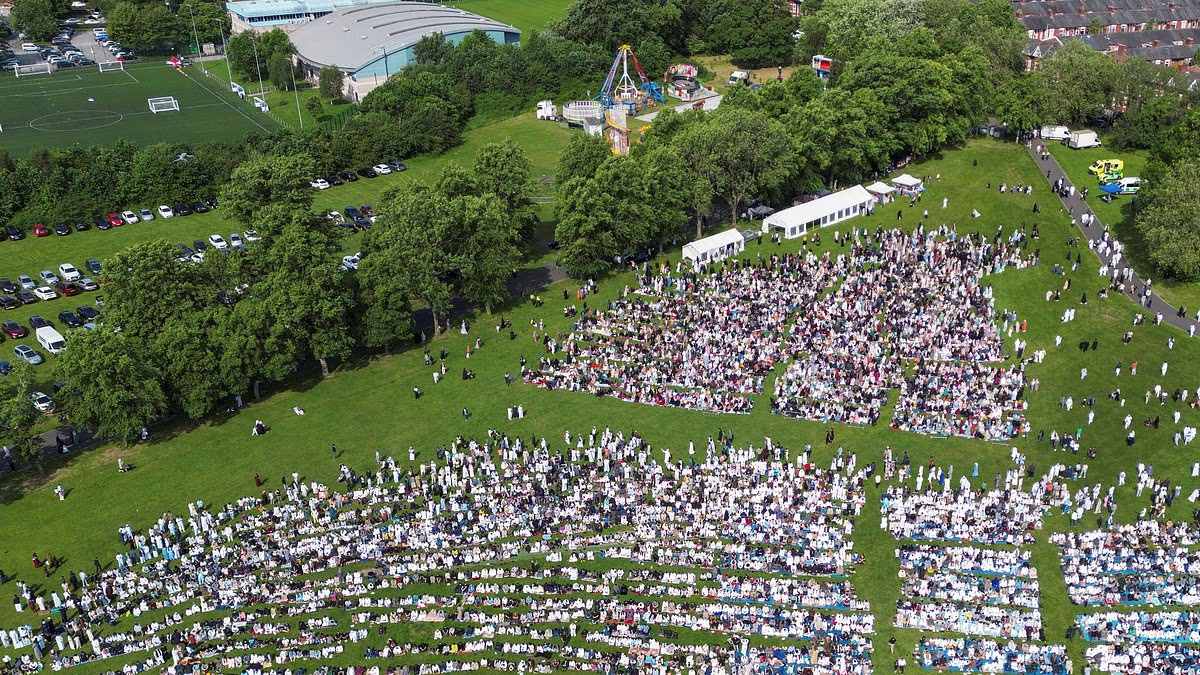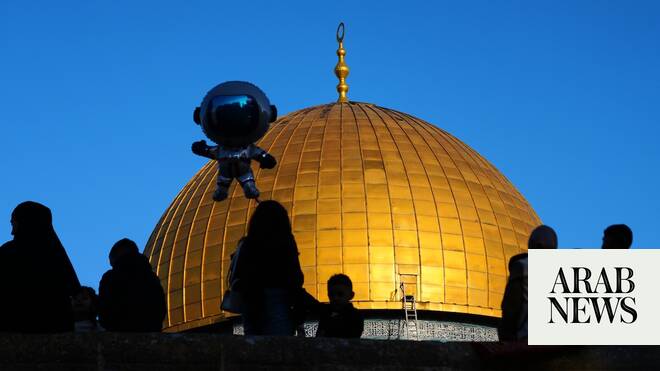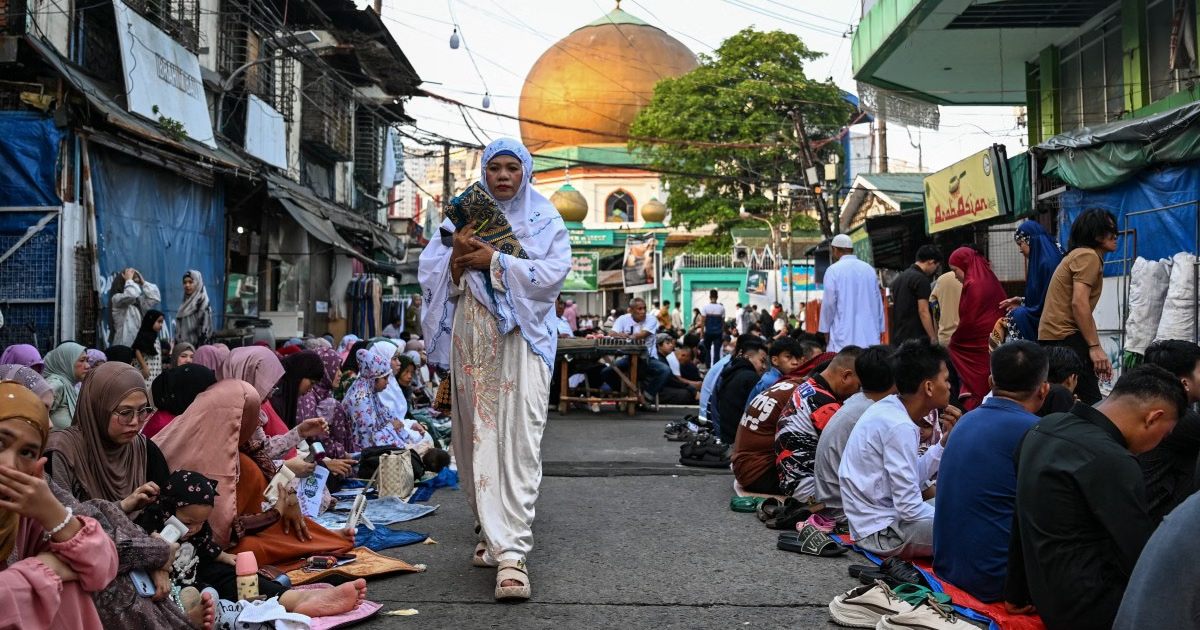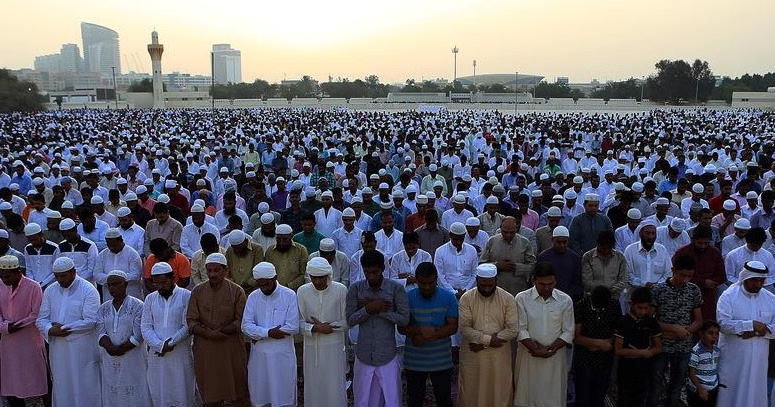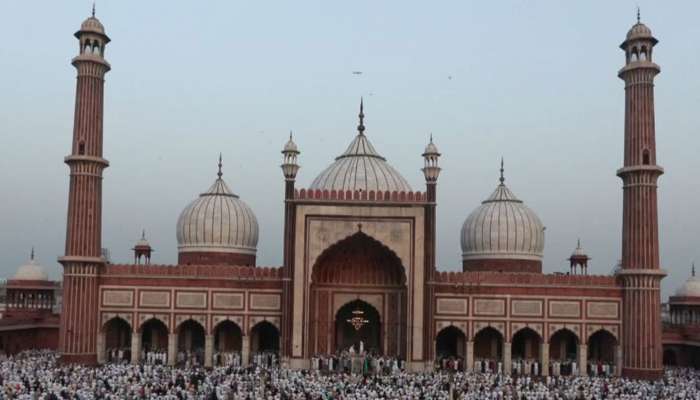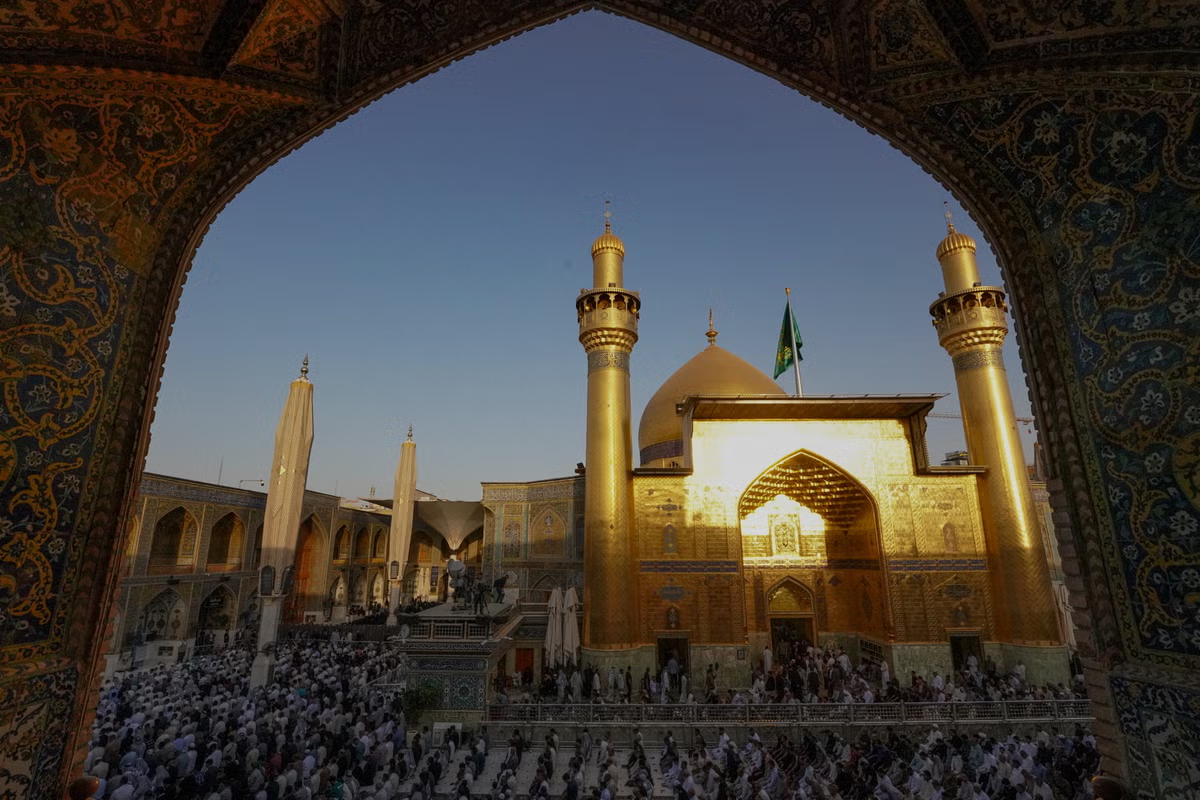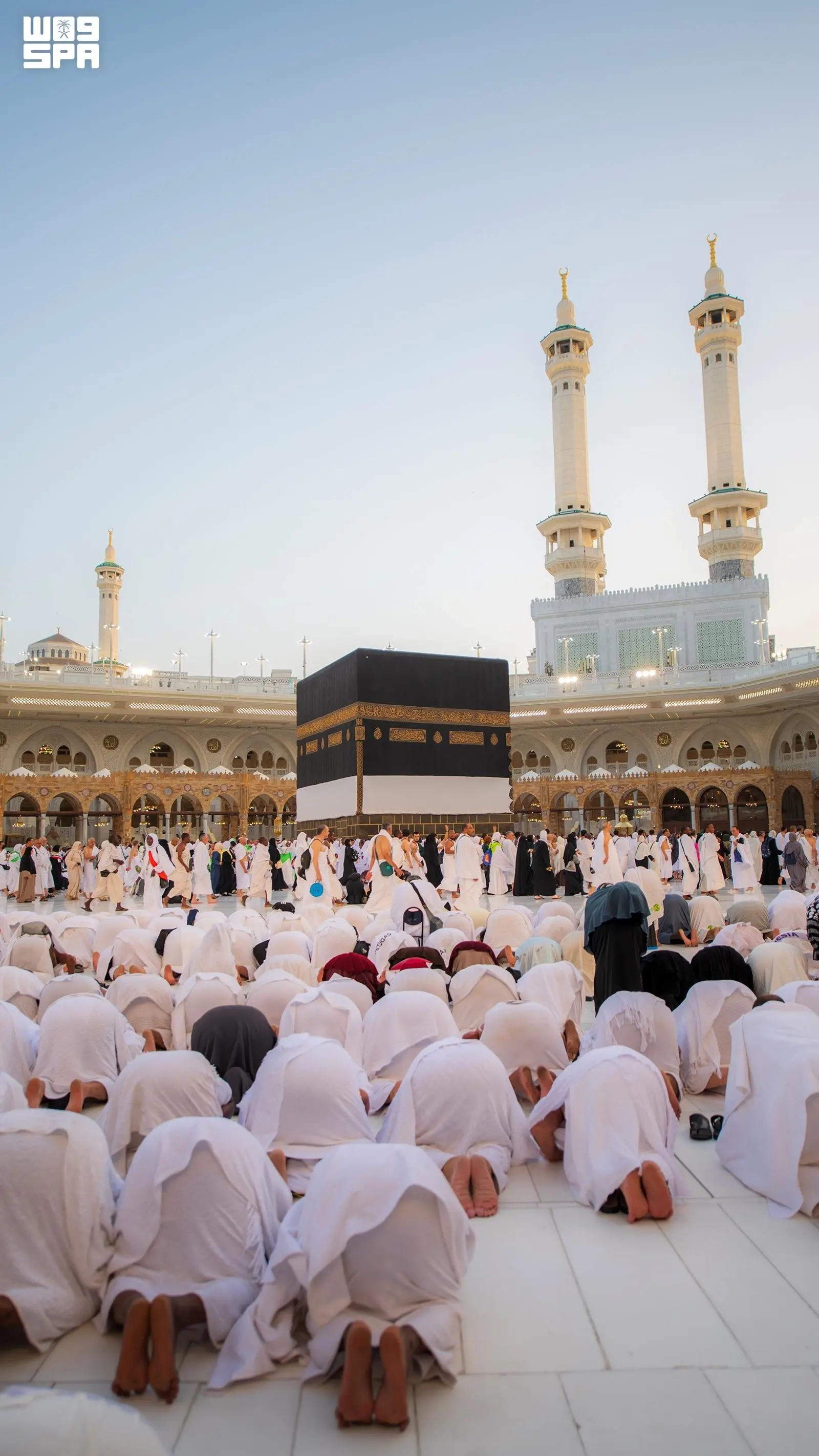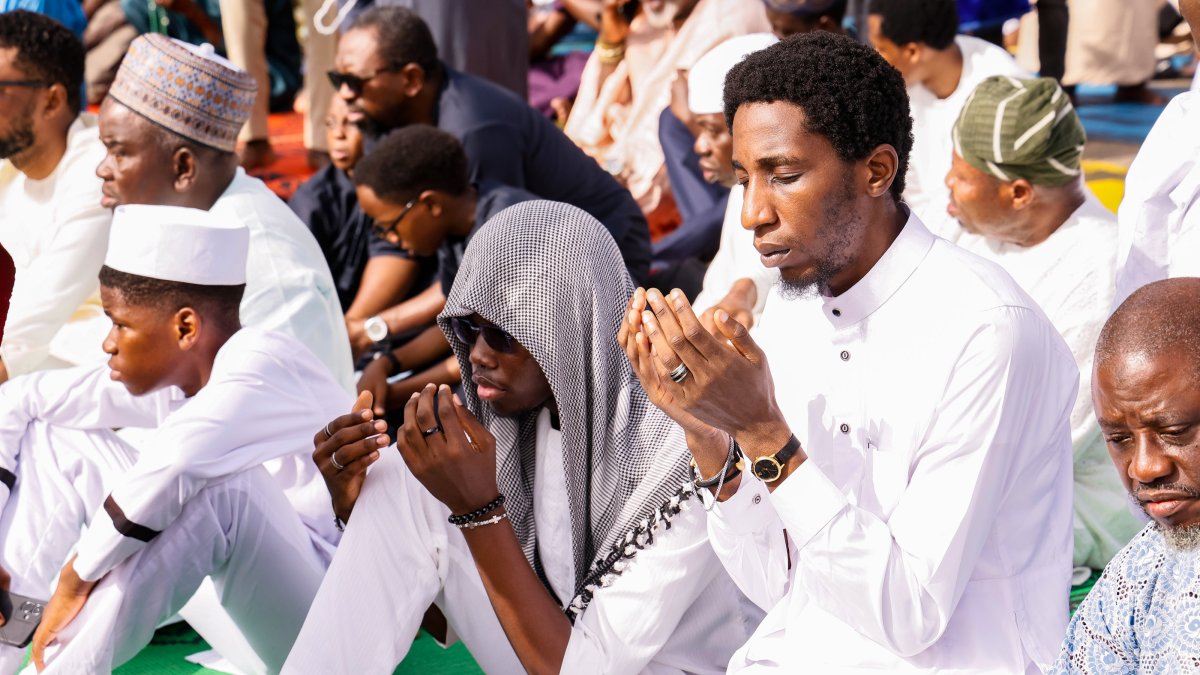
Muslims around the world marked Eid al-Adha on Wednesday with early morning congregational prayers, opening the most important days of the Islamic calendar with mass gatherings in mosques, prayer halls, stadiums, and open fields that stretched across cities and continents.
The observance on Wednesday corresponded with the 10th day of Dhu al-Hijjah in the Islamic lunar calendar, confirmed after the sighting of the crescent moon that signaled the start of the holy month around mid-May.
The timing placed Eid al-Adha immediately after the Day of Arafah, when millions of pilgrims gathered on the plains outside Mecca for the spiritual peak of the Hajj pilgrimage. In Mina, pilgrims also continued the ritual stoning of symbolic pillars, part of the multi-day sequence that concludes the Hajj.
At the center of Eid al-Adha is the story of Prophet Ibrahim, who, in Islamic tradition, prepared to sacrifice his son Ismail in obedience to God. According to the narrative, divine intervention replaced the son with a ram at the moment of sacrifice. The event is remembered as a defining expression of submission, faith, and trust in divine will, and it shapes the festival’s core themes of devotion, charity, and restraint.