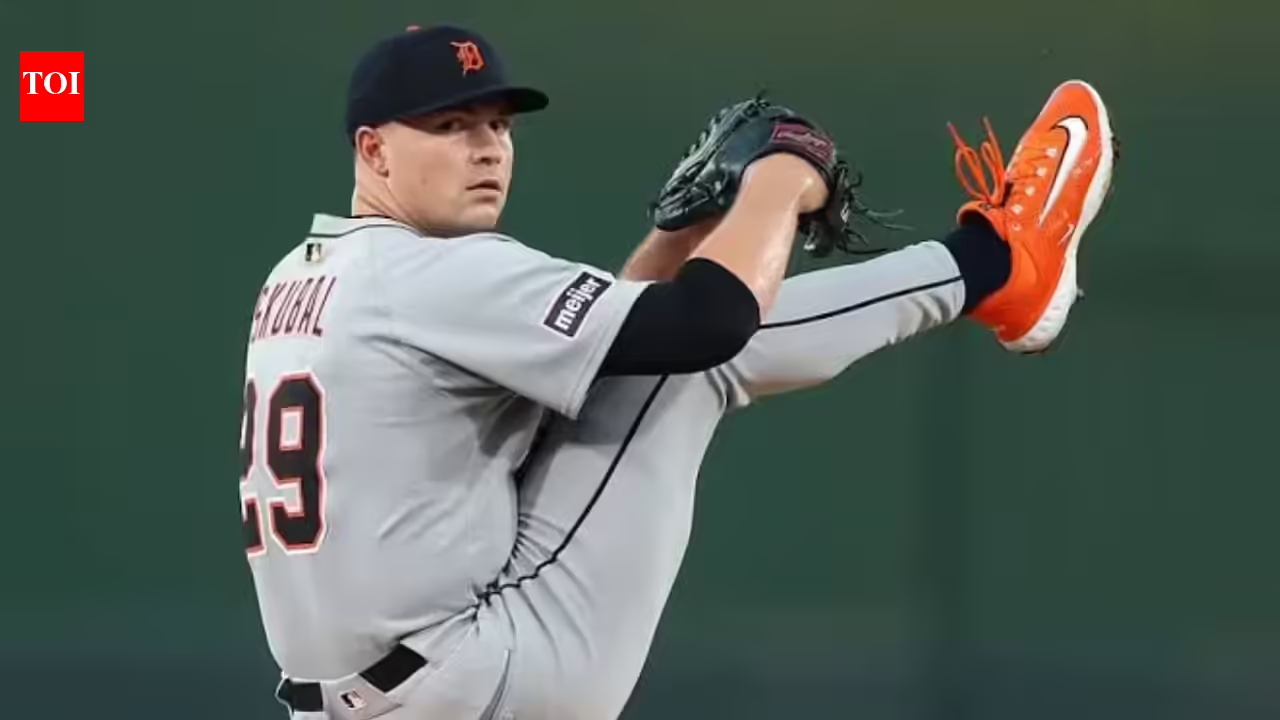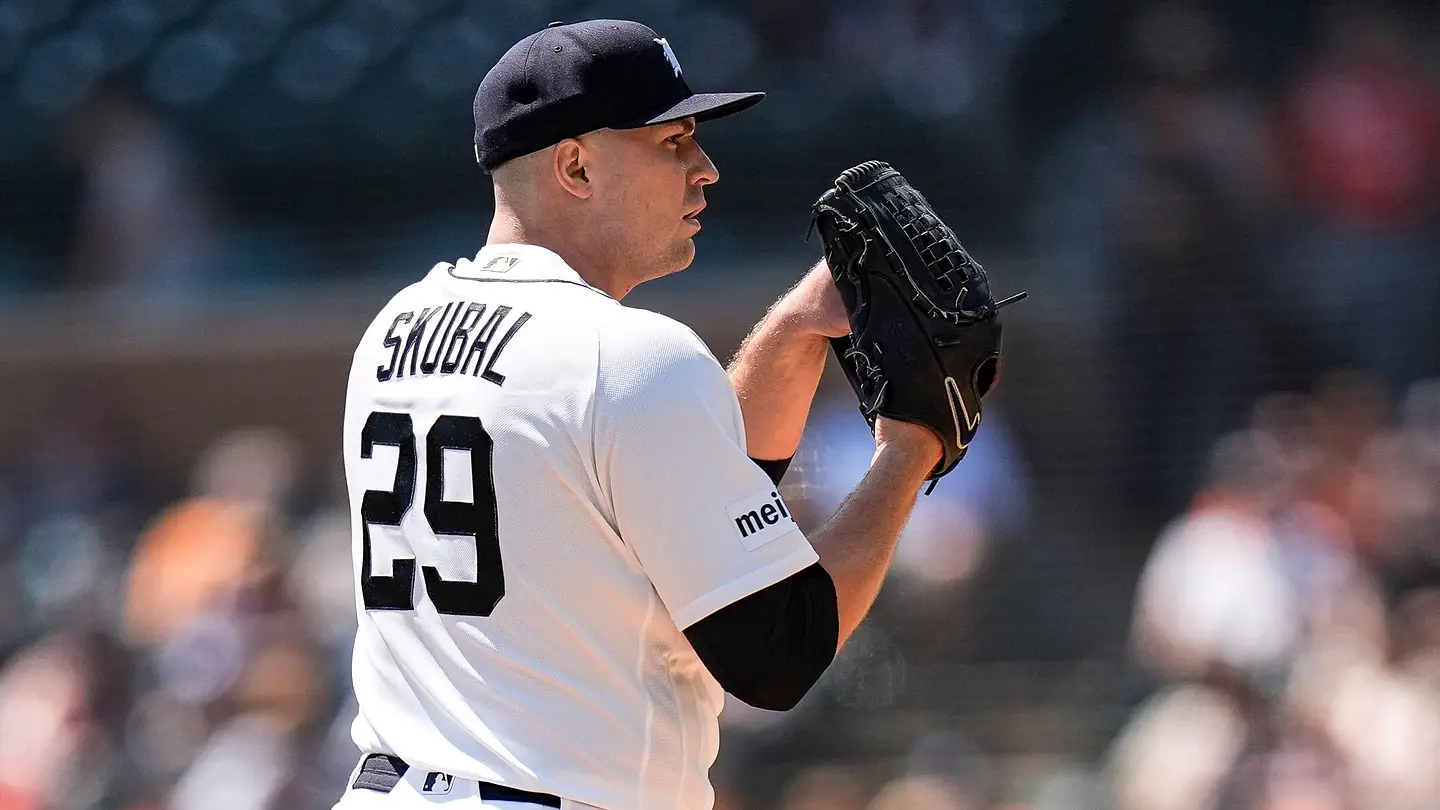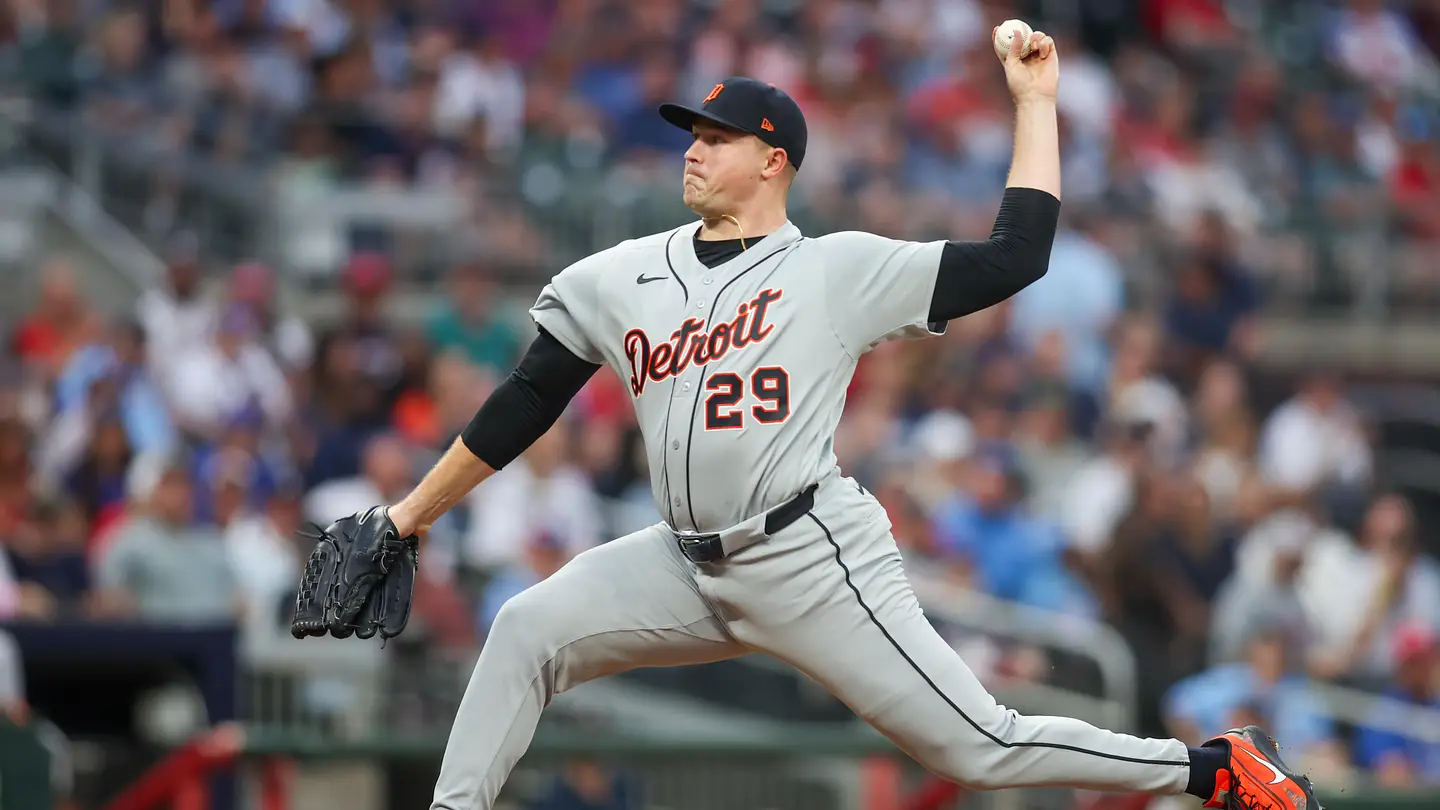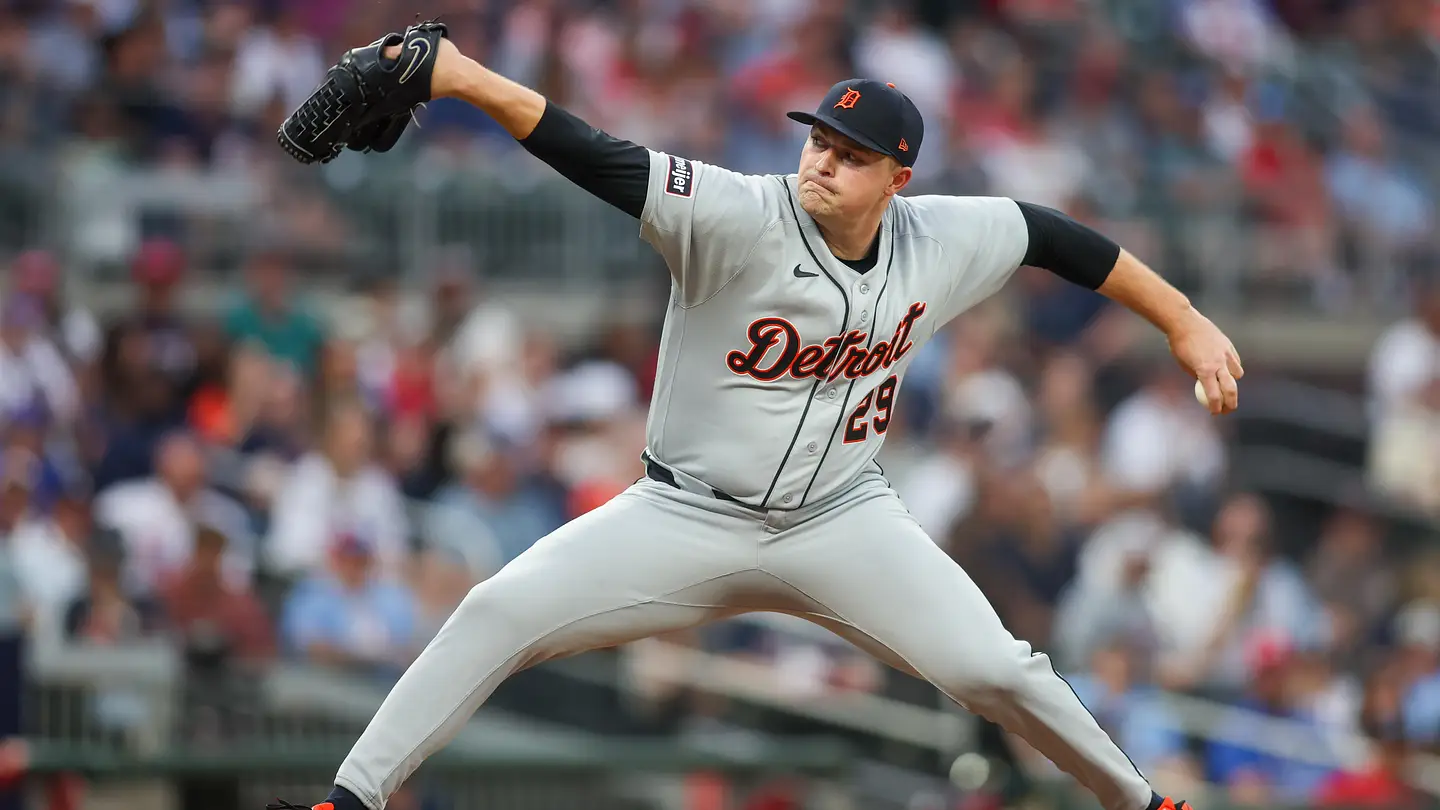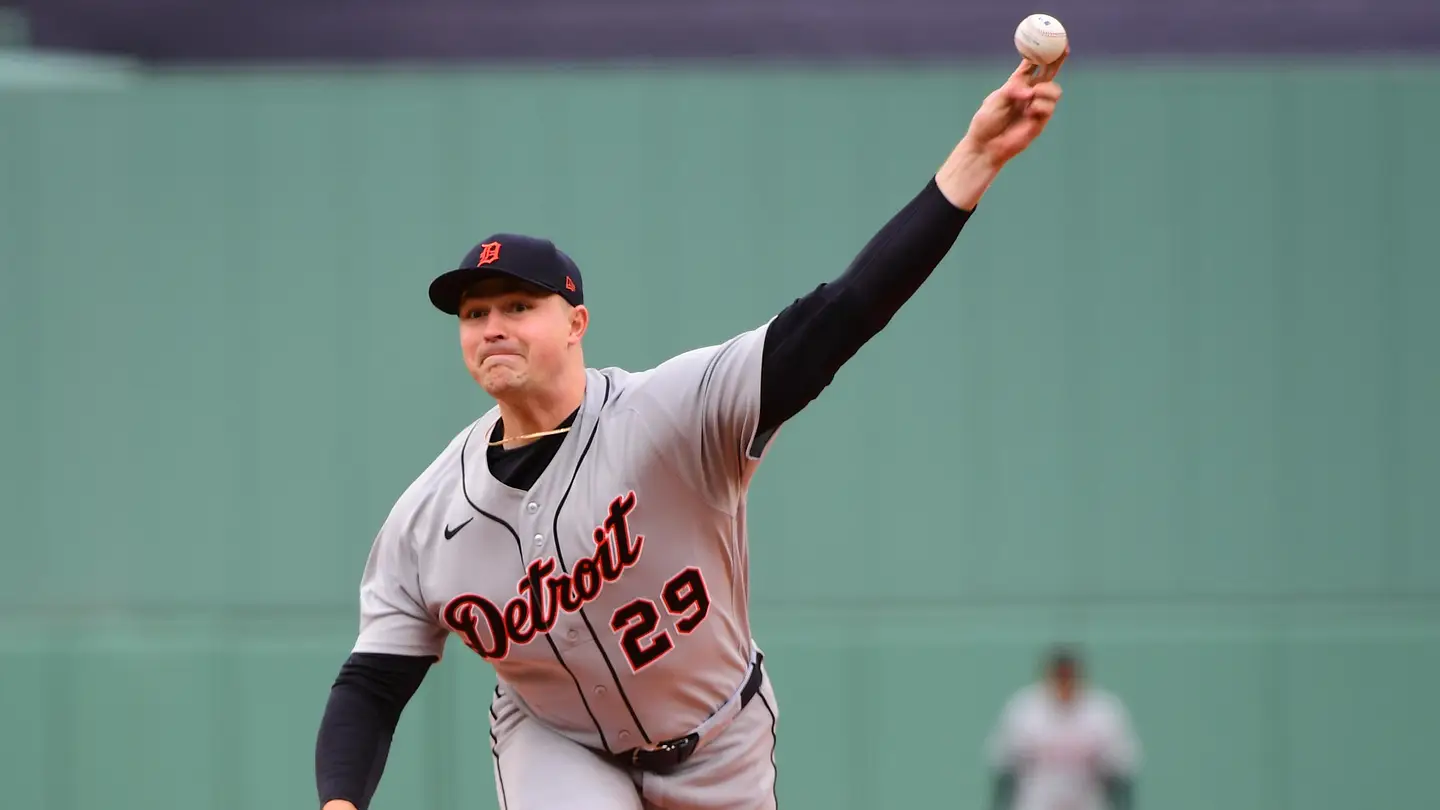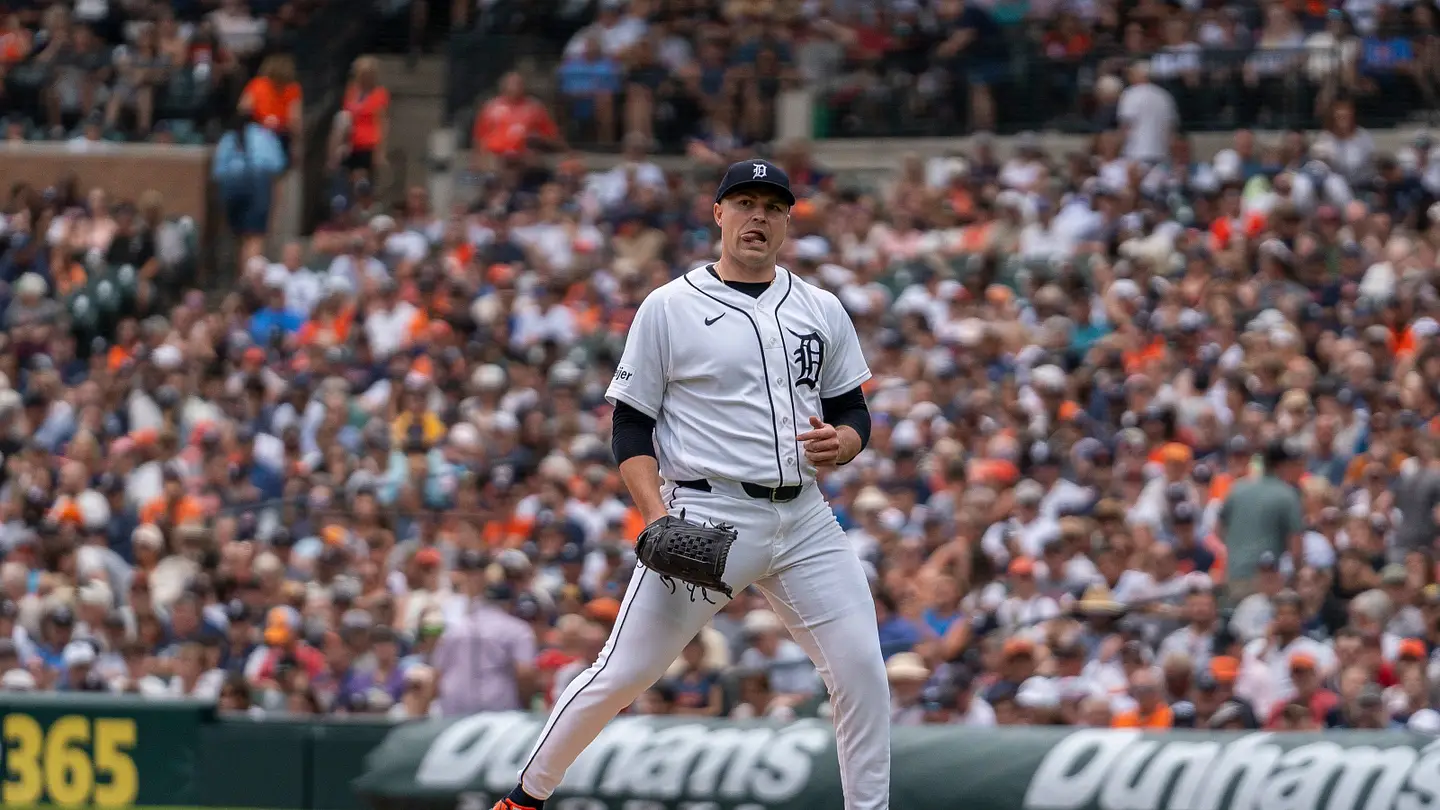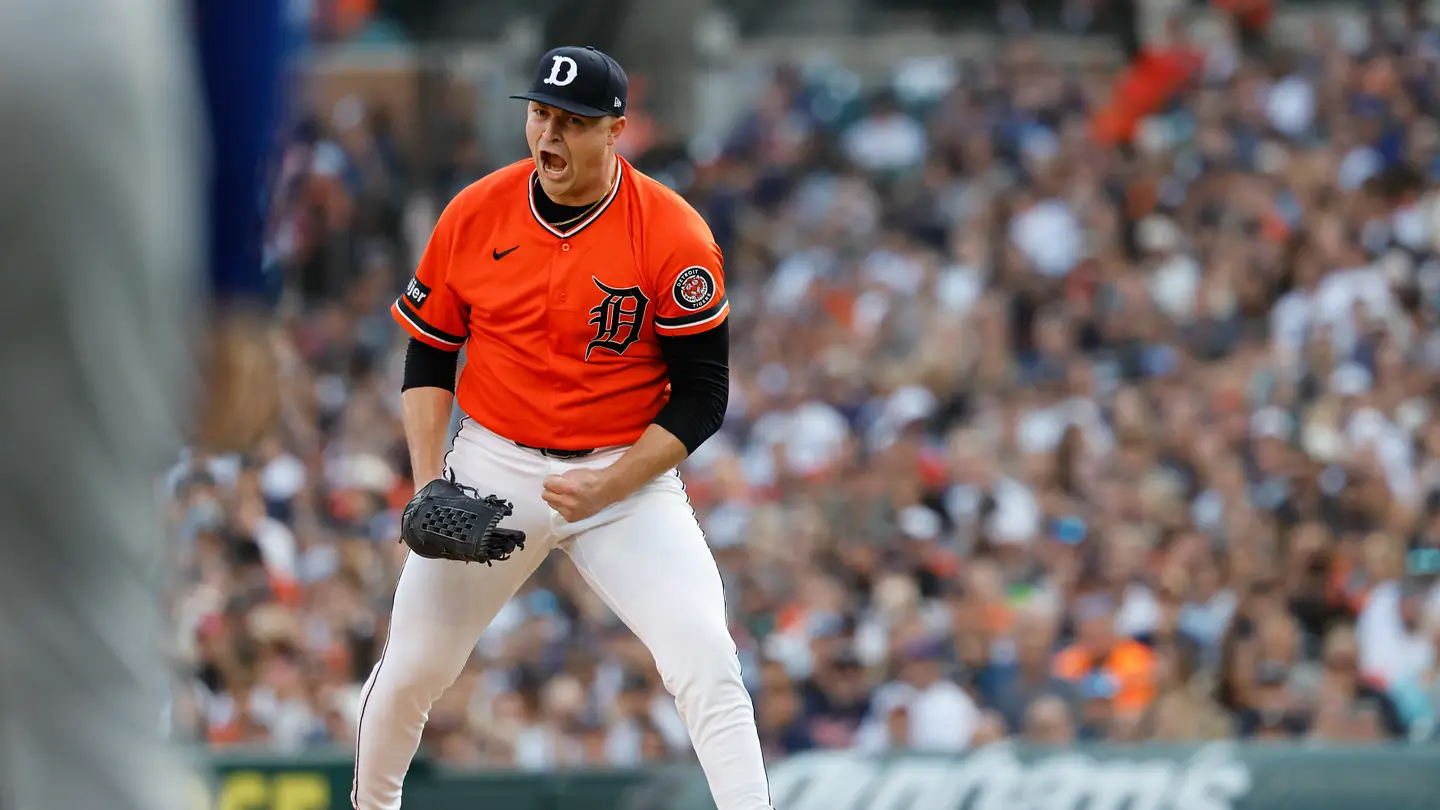
The Milwaukee Brewers’ trade for CC Sabathia in 2008 was a landmark moment in franchise history, helping lift the team to its first postseason appearance in 26 years. If the Detroit Tigers make Tarik Skubal available, another Sabathia-like opportunity could emerge for the Brewers, whose farm system, according to The Athletic’s Keith Law, is the best in baseball.Revenue-sharing recipients — the Brewers, Athletics, Tampa Bay Rays and Cleveland Guardians — lead four of Major League Baseball’s six divisions. I’m tickled by the idea of any of them making go-for-it moves at the trade deadline. The timing would be rather inconvenient for major-league owners who want to justify a salary cap, in part, by arguing that such teams operate at too great a competitive disadvantage.Forgive my cynicism, but the owners created this unfortunate landscape, insisting the sport’s competitive balance is out of whack when the standings, again, indicate otherwise.The four first-place low-revenue clubs already are undercutting the owners’ view that teams with lesser resources are doomed. Per FanGraphs, the Brewers rank 19th in payroll, the A’s 26th, the Rays 28th and the Guardians 29th, respectively.A World Series between say, the Brewers and Rays, would lay waste to the owners’ cries for greater parity, which — based on the revenue disparity that exists within the sport — is not entirely without merit. But let’s be real: The primary motivation for the owners in pursuing a cap is to establish fixed costs that would enhance their franchise values.So, how does this play out at the deadline?If the low-revenue clubs hold back, it will give the appearance that they are trying to remain in lockstep with the owners’ argument that they cannot compete. The last low-revenue team to win a World Series, the 2015 Kansas City Royals, went for broke at the deadline. By today’s standards, they were an outlier.Generally speaking, low-revenue clubs are not major buyers. The Rays, an occasional exception, made an ill-fated five-player deal for Nelson Cruz in 2021 that cost them Joe Ryan. Two years later, they tried to acquire Shohei Ohtani. But more often than not, when low-revenue contenders act at the deadline, they operate as both buyers and sellers. On occasion, they even become outright sellers — see the Brewers’ trade of Josh Hader in 2022.That season was the only one of the previous five in which the Brewers failed to win the NL Central. Since then, they have been modest buyers at the deadline, adding $2.9 million in net payroll in 2023, $6.7 million in ‘24 and $4.4 million in ‘25, per FanGraphs’ Jon Becker. But while owner Mark Attanasio gave them room to maneuver, they got little bang for the buck in each of those years, in part, because they aimed so low.
As labor fight looms, success of some MLB division leaders adds intrigue to trade deadline
Revenue-sharing recipients — the Brewers, Athletics, Rays and Guardians — currently lead four of MLB's six divisions.
1,316 words~6 min read