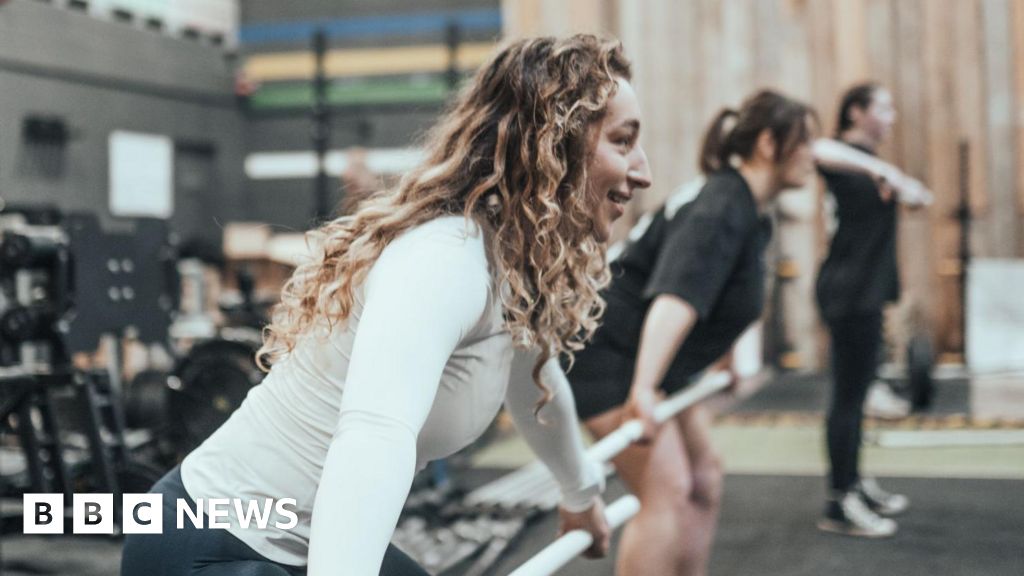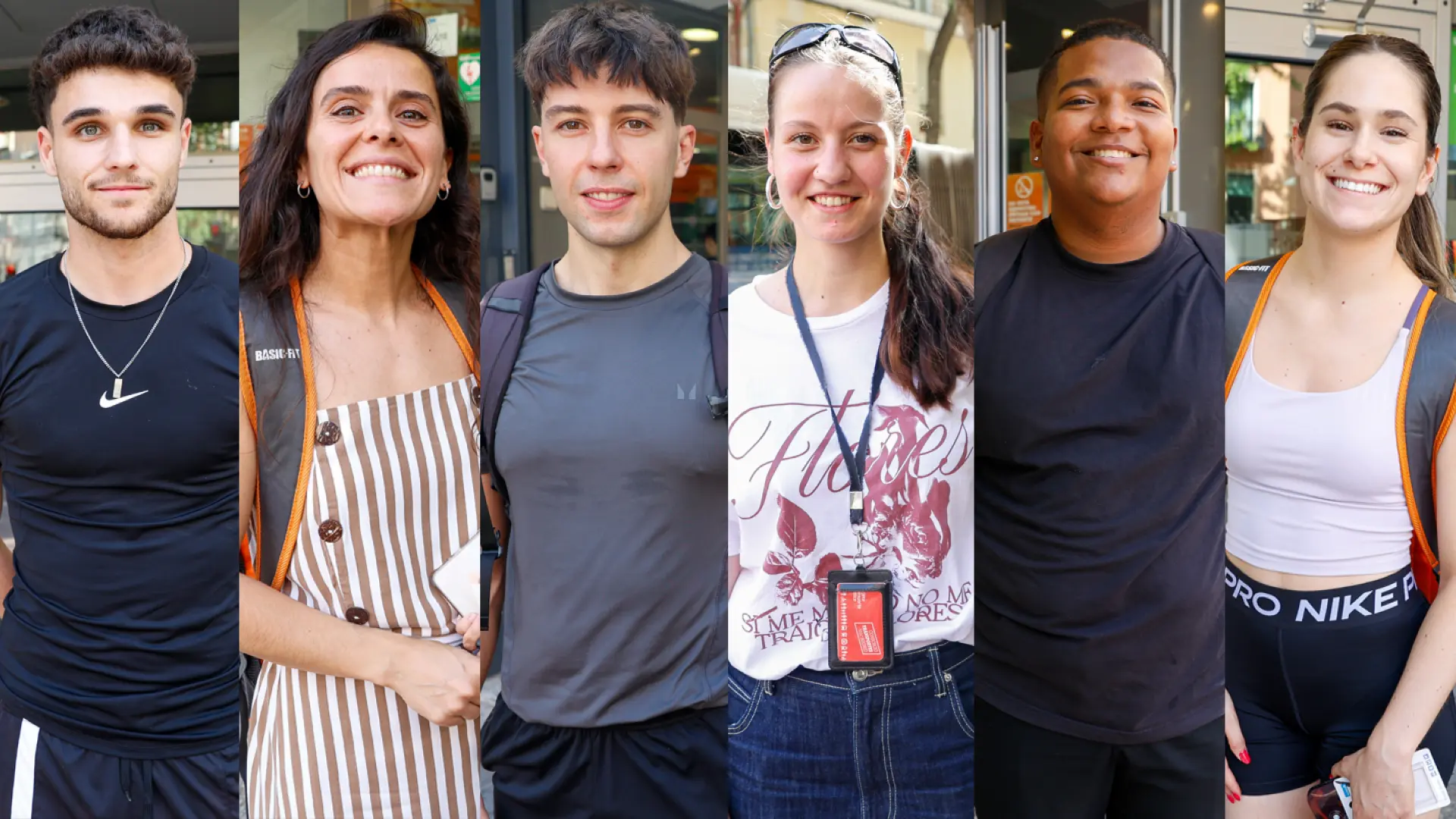
At 7 p.m. on a Friday in London, the lobby of Third Space in Soho looks more like a members’ club than a gym. There’s a humming smoothie bar, twenty- and thirtysomethings in color-coordinated workout sets and a steady stream of arrivals heading to reformer Pilates classes. A decade ago, this crowd might have been outside the pub, drinking anything but a smoothie. Across the UK and US, younger consumers are redirecting their discretionary income from nightlife to fitness. Gym-related spending among Gen Zers and millennials is rising as alcohol consumption continues to decline, according to a February report from Bank of America. And, according to market intelligence firm Mintel, 30% of US Gen Z consumers say they’re spending more on gym memberships and classes than a year ago, as fitness takes a broader role in their lives. “We’re seeing consumers across the board becoming more focused on their wellbeing,” says Claire Tassin, principal strategist for wellness at Mintel. “But Gen Z in particular is driving a lot of that energy.”Tassin says gyms and studios are filling a gap once occupied by bars, restaurants and even offices. Meeting people at a gym or through pickup sports activities is nothing new, but younger people are investing in fitness as their must-do social activity instead of just a healthy habit for their bodies. As a result, boutique fitness and premium gyms are increasingly functioning as social hubs for younger consumers, offering the structure, familiarity and community they’ve lost elsewhere. That’s the case for Nicolette Brewer, 25, a technology consultant who lives in New York’s West Village. Her main gym, Equinox, costs over $300 a month. She estimates she spends around $500 monthly on fitness between her SoulCycle spinning classes, boutique Pilates-Barre fusion studio the Silhouette Method, and entry fees to run races.She says she met her boyfriend at a run club, and made other friends by attending the same workout classes week-in, week-out. “It reminds me of being in school and sitting next to someone in class and becoming friends because you’re in close proximity,” Brewer says. At the very minimum, if you need a conversation starter, there’s always the fitness class you just sweated through together. Brewer, who attended college during the pandemic, says she appreciates the chance to do more in-person activities. “People are more comfortable living digitally now because of Covid. So it’s nice to have a space where we can go out and it’s OK to socialize and start conversations,” she says.Read more: Why We’re All Trading Happy Hours for the BathhouseOlivia Antonelli, 26, also sees group fitness as a key part of her social life. “Every friendship I have now, no matter what phase of my life I met them, we always say, ‘Let’s go take a class’ instead of let’s go to drinks or dinner,” the Manhattan resident says. “There’s something so empowering about it.” If older millennials made athleisure acceptable daywear, Gen Z has turned wellness into a full-fledged identity. On TikTok and Instagram, gym routines, Pilates classes and “What I eat in a day” videos have become a core genre, with more than 3.4 million posts under #Pilates alone.“Gen Z is very visually motivated,” says India Gay, a 23-year-old Atlanta-based content creator, who posts about beauty, lifestyle and wellness. “There’s definitely an aesthetic tied to fitness and nutrition right now.” She spends about $100 a month on an all-inclusive gym membership. She’s one of many young adults who treat fitness as an investment. “For many people in our generation, that includes going to the gym, taking classes, prioritizing healthy eating and focusing on wellness overall,” Gay says. She’s up at 5 or 6 am to the gym. That means avoiding the bar the night before. She strength-trains with the same group almost every morning. They encourage her to lift heavier weights or push through extra reps. In a first-time survey by Mintel, 77% of US Gen Z consumers say they are more focused on wellness than they were a year ago, while 45% report actively prioritizing physical fitness, followed by sleep at 34%.In the US, single classes at boutique studios like Solidcore or Barry’s Bootcamp can start at about $40. Packages and memberships can easily climb into the hundreds per month. Memberships at high-end London gyms like Third Space can exceed £3,400 a year ($4,576), while a boutique program like Surrenne or the new Tramp Health can cost as much as £15,000. Despite facing high rents, student debt and a challenging job market — plus the threat of AI coming for entry-level jobs — younger members are driving usage at these fitness spots. “They come more often and they do more,” says Third Space chief marketing officer Lauren Wilson. “They’re more likely to take a greater variety of classes, and their frequency of visits is significantly higher.” The gym overall has a fairly even gender split, she says, but women book more of the group classes. Prisha Anand, a 23-year-old software engineer in Mountain View, California, can access a free gym provided by her employer. Despite that, she pays to attend weekly Solidcore sessions — strength classes on a reformer style machine — since she moved to the Bay Area in August after finishing college. “I didn’t know many people when I first moved here,” Anand says. “And one of the first friends I made was from Solidcore.” They both signed up for the beginners classes, and ended up graduating into the advanced class, where they still work out together regularly.Beyond meeting people, workout spaces are also great hangout and celebration spots.At Sentiré Pilates in London’s Belgravia, founder Iza Recelj says younger clients often use the space for social events. “We have a lot of birthday parties and bachelorette parties,” she says. “People are booking the whole studio, doing a class together and then staying for mocktails or food afterwards.” Packages can run from around £600 for a basic private group session to more than £1,000 for extended events with extras. Bookings can generally accommodate up to eight people, which puts the starting cost at about £75 per person.For many wellness-obsessed consumers, the costs feel easier to justify than a long dinner or a night out.In New York, Brewer says she’s blessed to have a job where she knows she can afford her $800-a-month fitness habit. “It’s totally worth it,” she says. “The endorphins after a workout brighten my mood, and I can put my best self out there to hang out with my friends or meet new people.”
Not at bars, not online: How Gen Z is finding love and friends at gyms and fitness classes
Fitness spaces like gyms are increasingly serving as social hubs, offering community and connection as an alternative to traditional social activities like going to the pub.
1,085 words~5 min read