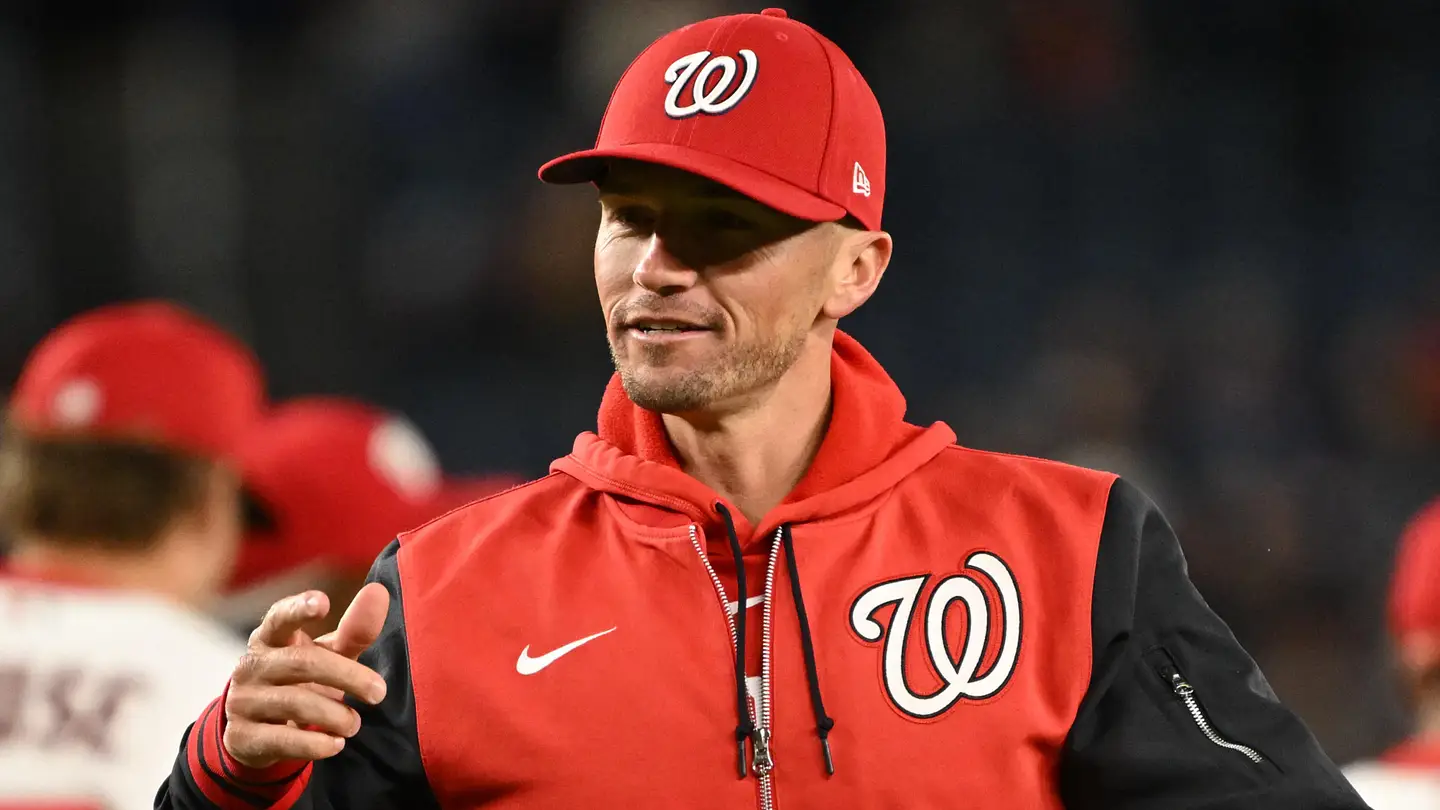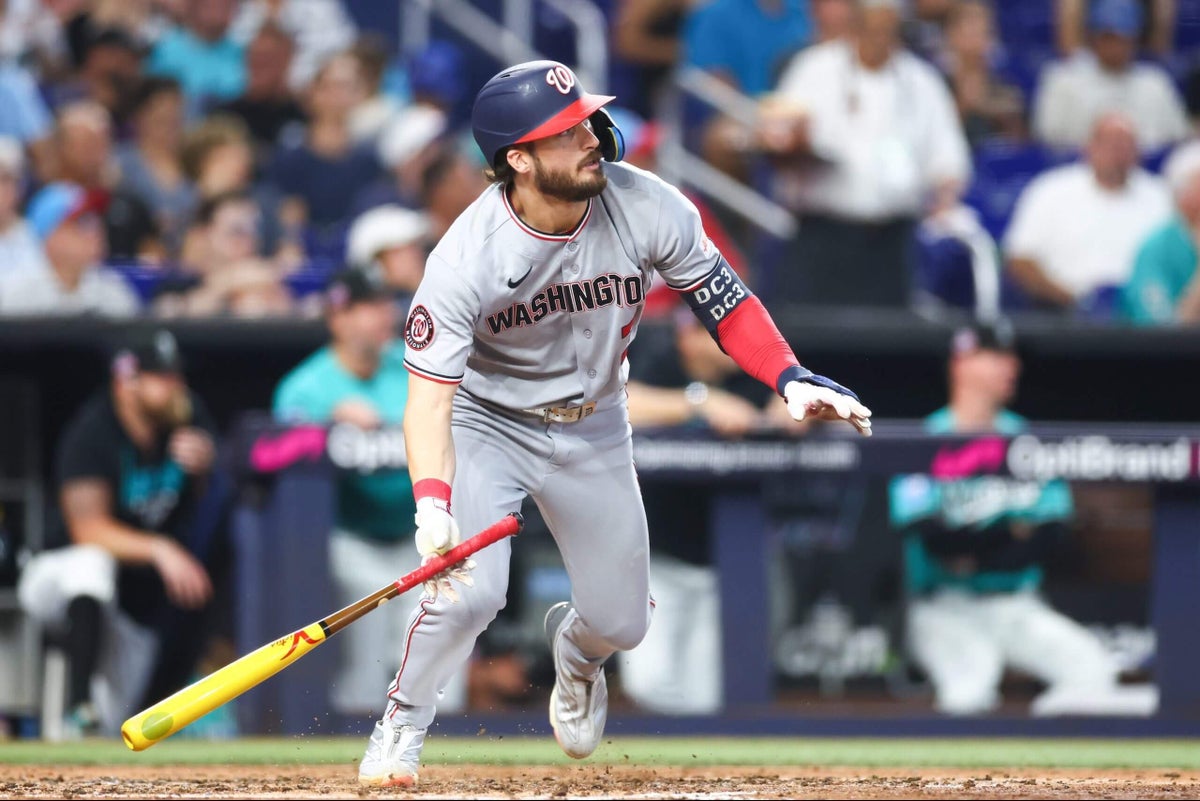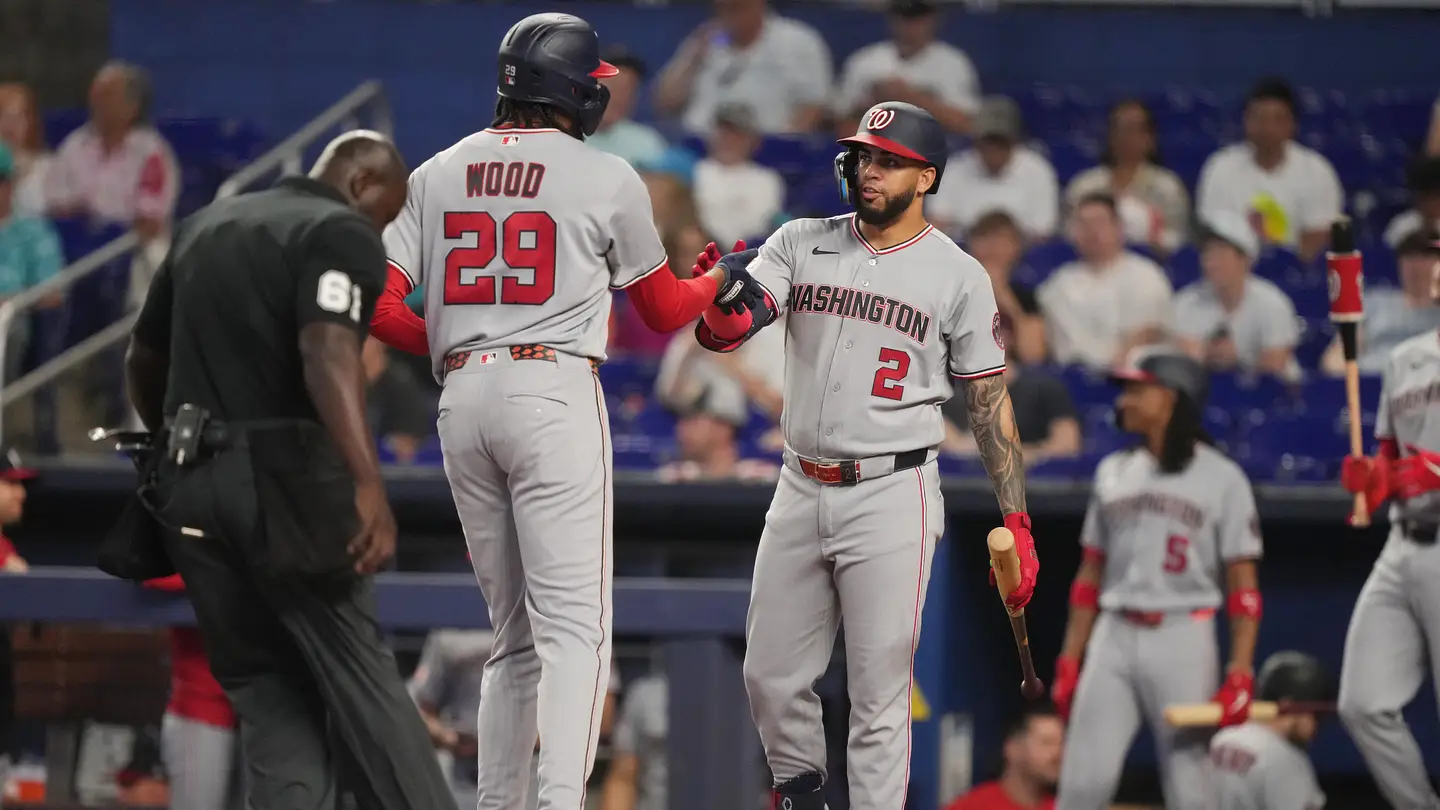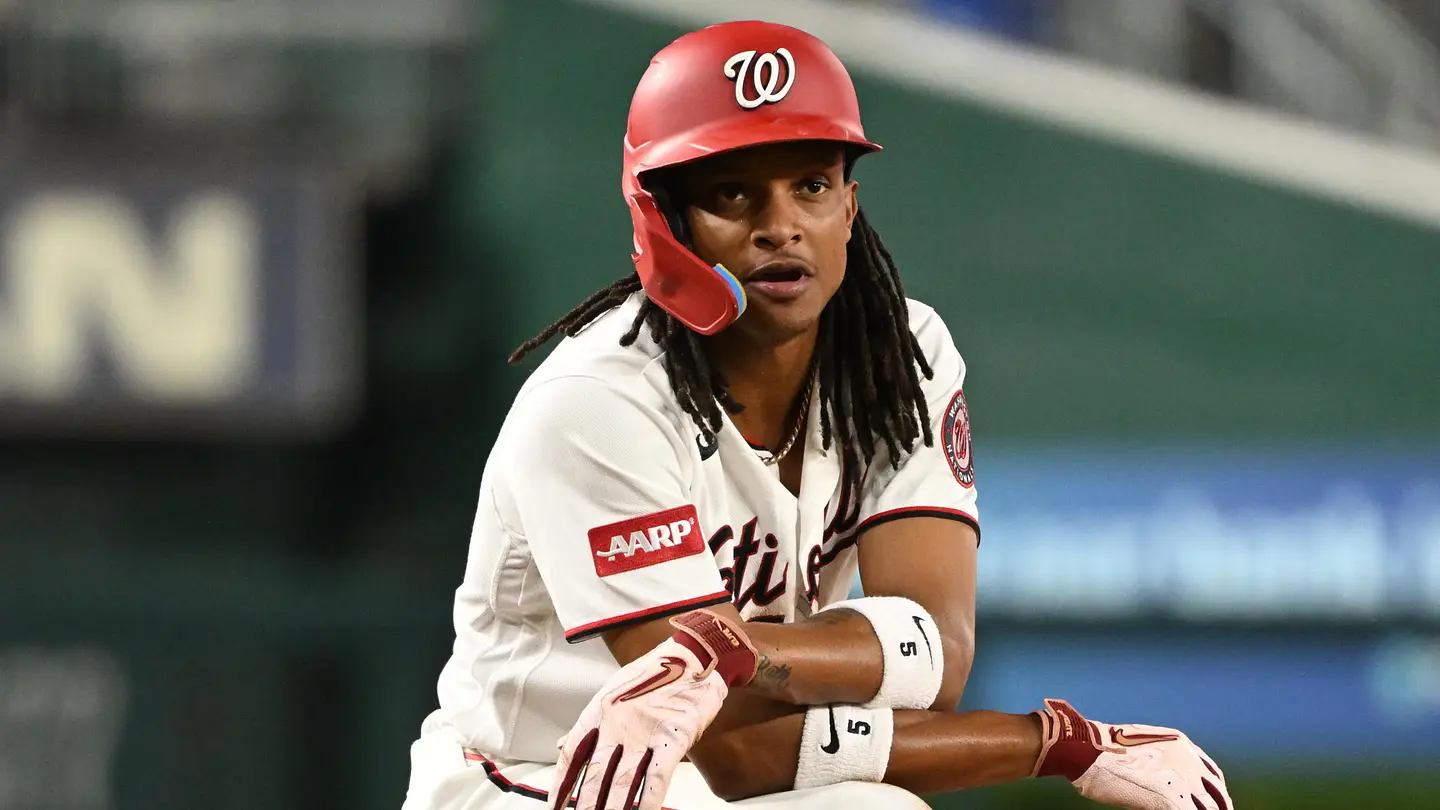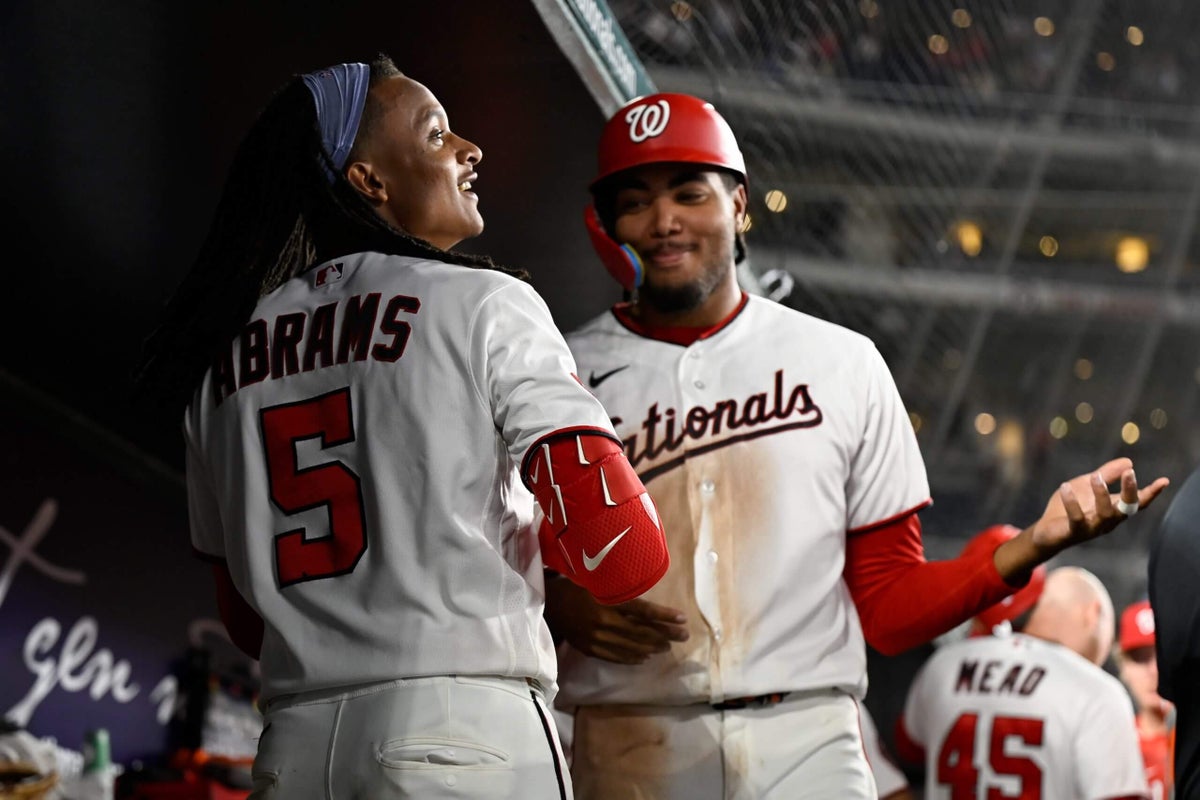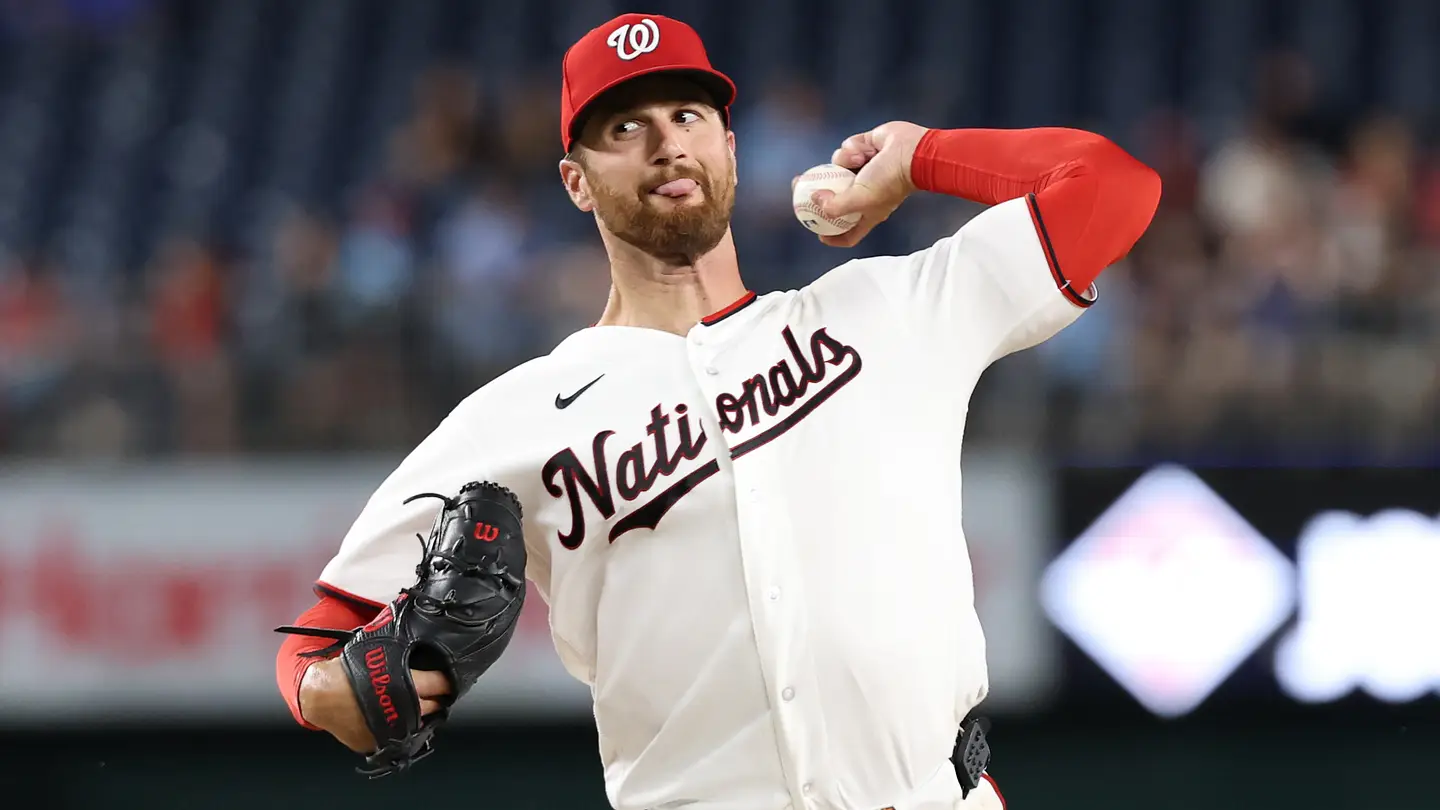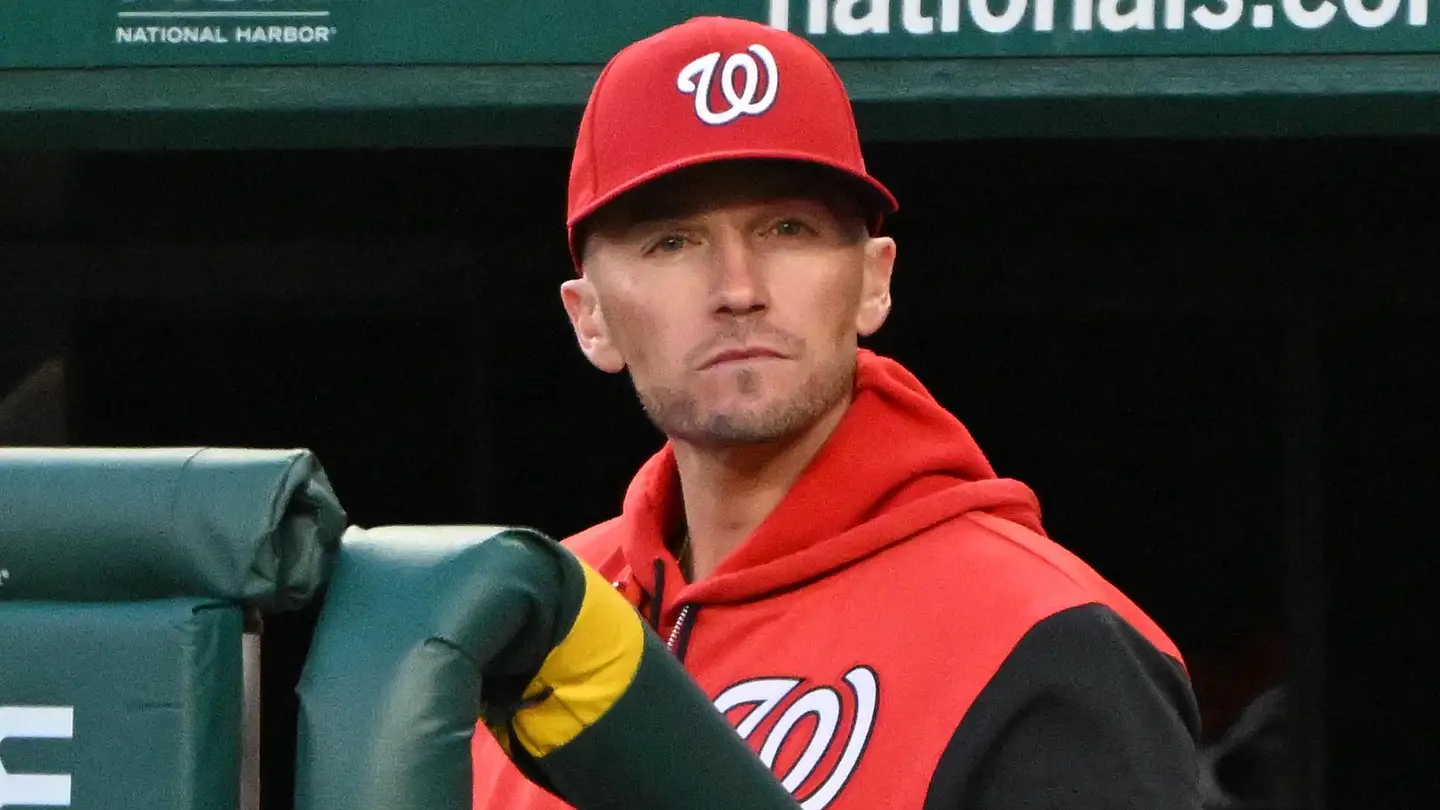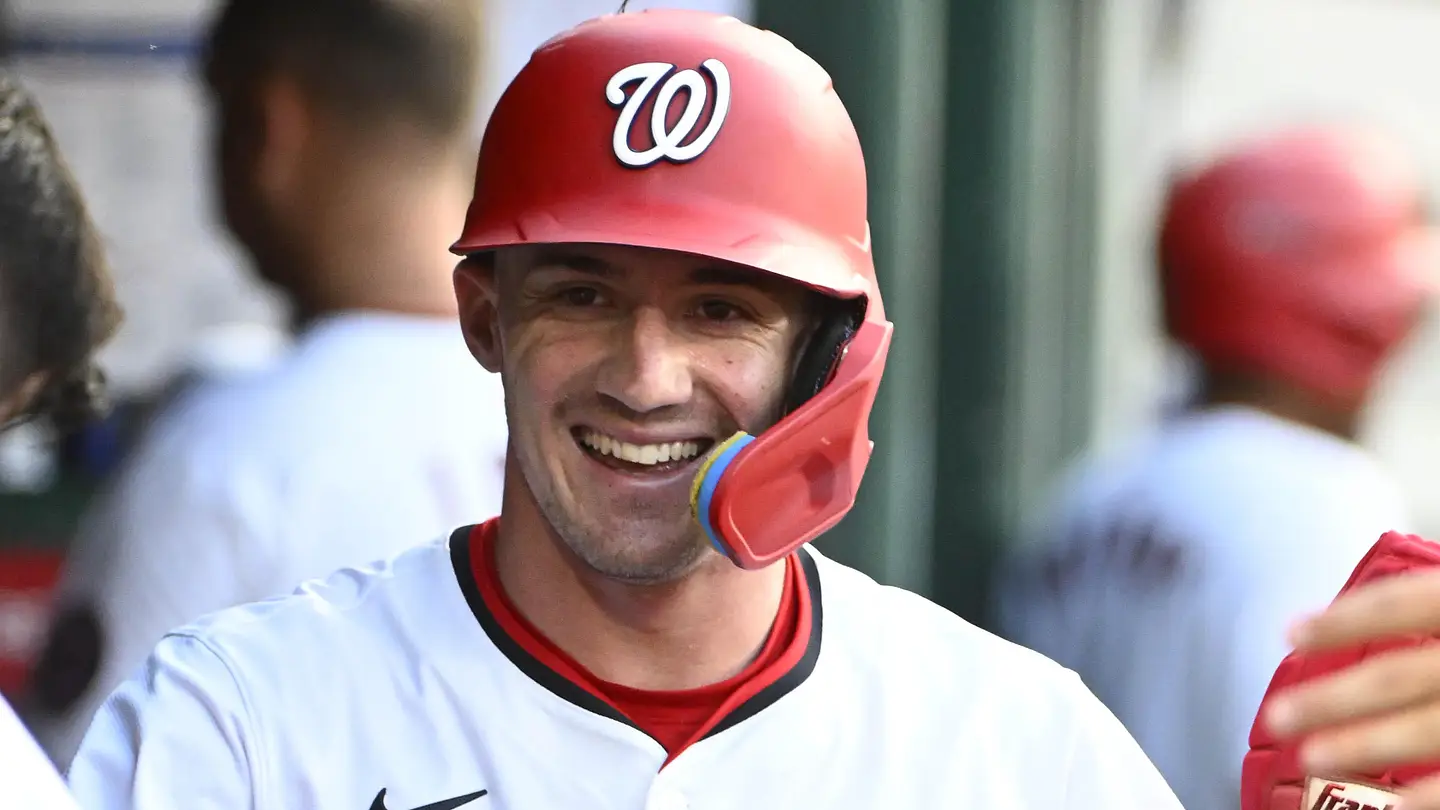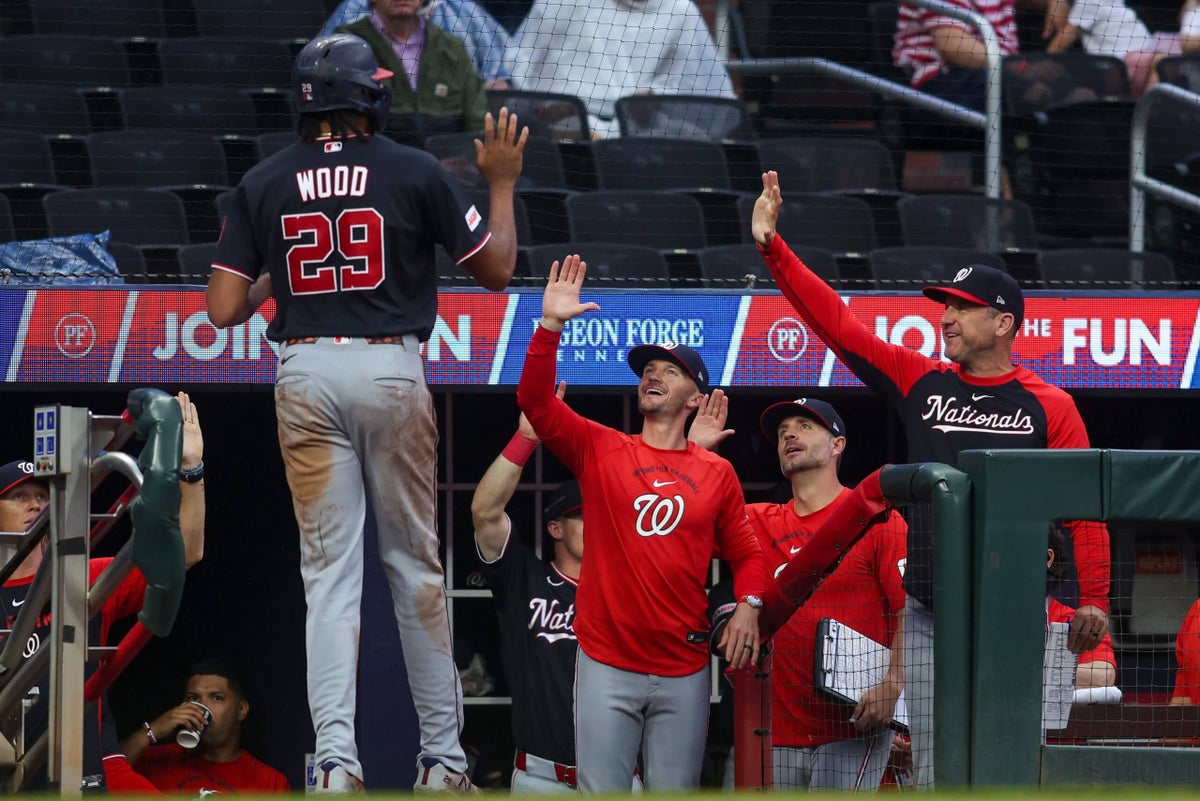
WASHINGTON — The most productive offense in baseball features two obvious choices to pitch around: A 23-year-old All-Star in James Wood at the top and a 25-year-old recent All-Star in CJ Abrams somewhere in the middle.But depending on the night, it also includes a second baseman hitting .188 who already has more plate appearances than he did in the previous two seasons combined (Nasim Nuñez); a first baseman who had only played two games at the position before this year (Luis García Jr.); a corner infielder who was once a top prospect but who has been traded three times — including two days into this season (Curtis Mead); a center fielder who posted a .583 OPS a year ago (Jacob Young); and a left fielder who hit more triples than anyone in the sport in the second half of last season but didn’t rope his first three-bagger until this weekend (Daylen Lile).Wait. How, exactly, have the Washington Nationals scored more runs than any team in the majors? And — two days after they used six homers to rout the Cleveland Guardians 10-2 and pull above .500 — aren’t they due for a regression?“I think this is who we are,” first-year manager Blake Butera said last week, before his team took two of three from the first-place Atlanta Braves. “I think we have a really talented group of hitters in that clubhouse, and some of the coaches as well that put our players in really good positions for success.“Just the pregame work these guys do, the time our hitting coaches spend on opposing pitchers before the game, before a series, the conversations they have with the players — I think this is the best-prepared group that we have going into games, going into individual at-bats.Someone has to get credit for this, because the Nats are now a third of a way through the season, and the runs keep coming. A season ago, Washington ranked 20th in runs scored (4.2 per game), 25th in on-base percentage (.304), 23rd in slugging (.389) and 24th in OPS (.693). Through Memorial Day of this season, the Nats’ offense is almost wholly unrecognizable. They’re first in runs (5.4 per game), 10th in OBP (.324), fourth in slugging (.422) and fourth in OPS (.746).The players are almost all the same. So, let’s introduce the Nationals’ offensive coaching staff: hitting coach Matt Borgschulte and his two assistants, Andrew Aydt and Shawn O’Malley.“They’re all, in their own right, really special coaches,” said Paul Toboni, the first-year president of baseball operations. “I think what really sticks out to me is two things: One, they’ll move mountains just to help a player realize their potential; they will not give up and they’ll stay with guys over and over again working on things.“I also think they’ve made it extremely clear to the players how you succeed on any given day, and they’ve done a really good job of fostering trust and belief in the player group. We talk about it a lot. It’s the art of coaching.”For Nationals’ hitters, that coaching comes from three distinct perspectives. Borgschulte has a resume that fits his position — a former college player who coached at the collegiate level before gaining entry into pro ball in Class A and working his way up to become the primary big-league hitting coach with the Baltimore Orioles and then the Minnesota Twins.The resumes of Aydt and O’Malley are different — intentionally. Aydt, who also holds the title of assistant director of hitting, worked at Driveline Baseball, the Seattle-area lab that has established a reputation for using data to help individual players improve, particularly in the offseason. O’Malley has 305 major-league plate appearances and — perhaps more importantly — 4,483 in the minors as a utility player.“I think it’s a perfect combination,” Borgschulte said. “Aydt is able to create programs that help guys in specific areas. Sean can give insight to players about what it’s like to go through what some of these guys are going to go through. They’re not in silos. They can do it all. But the strengths that they bring to the table, not everybody has.”The results, through a third of a season, is an offense that makes up for what it lacks in accomplishments with preparation. In the hours before games, hitters are much less likely to be found sitting at their lockers taking breaks with their phones than they are in the batting cages. That can be getting in swings, sure. But they’re also listening to Borgschulte and his assistants go over the plan for that day, the cages as a classroom.“They’re so detailed,” said Lile, the second-year left fielder. “How the pitcher was feeling his last outing. What his most-used pitches were. What his least-used pitches were. And then also, the description of the pitches, their shape, and his arm angle. It’s the whole package.”Thus, every National goes into each game and each at-bat armed with the proper information. Not to be overlooked is Butera’s commitment to getting the proper matchups. Former manager Dave Martinez — who, along with general manager Mike Rizzo, was dismissed last July — spent much of the past few seasons allowing, say, the left-handed-hitting García to face a tough lefty starter. His philosophy: He has to learn somehow.Butera has prioritized maximizing a given matchup rather than gaining experience. That’s both in making out a lineup — García, for instance, has just five starts against left-handed pitchers — and in pinch hitting, even early in games. Last season, the Nationals ranked second-to-last in pinch-hit plate appearances. This season, they’re fifth.“Blake has been unbelievable in how he’s managed the roster,” Toboni said. “You can see that we’re pretty tough to defend against.”That’s the goal. The Nationals can’t be considered a dark horse playoff contender because, even as they have scored more runs than any team in the sport, they’ve also given up more.What they can be considered is a pain to play against, a well-educated group that is dangerous on any given night or in any given inning. Through Memorial Day, Washington had scored at least five runs 31 times and at least six runs 25 times, first in both categories. They are doing it with data, sure. But a third of the way through their first season, it’s clear their coaches know how to coach, too.“There’s a trust and understanding that the players have that we really have their best interests at heart,” Borgschulte said. “That’s the truth. We’re not trying to fake it or anything. It’s why we do what we do. We just want the guys to be the best that they can possibly be and we get a lot of joy in having that happen.”
The Nationals lead MLB in runs — here’s the secret behind their shocking offensive explosion
With a combination of different skillsets, the new Nationals coaching staff is unlocking more from the same offensive core.
1,119 words~5 min read