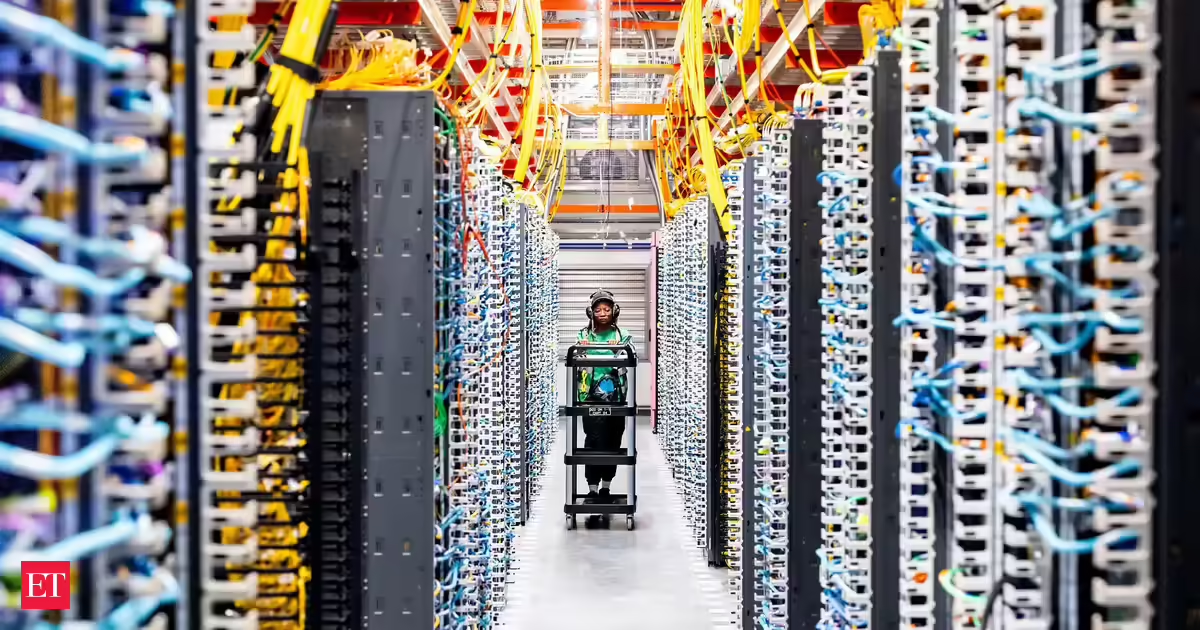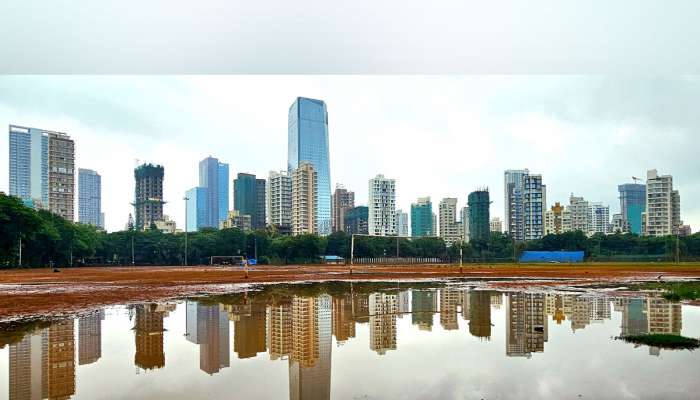
India with the world’s third largest renewable energy installed capacity coupled with expanding transmission infrastructure is most suited to offer green energy to operate data centres in South and Southeast Asia (S&SEA).Moody’s Ratings in a report on South and Southeast Asia (S&SEA), which is among the fastest-growing data center markets globally, expects regional capacity to double by 2030, but the pace and distribution of growth will increasingly depend on power availability, grid stability and execution capability.S&SEA accounts for over 3.5 gigawatt (GW) of operational data centre capacity, which will double by 2030. Growth is shifting to India and Indonesia to serve rapidly expanding domestic demand, it added.India is among the fastest-scaling data center markets globally and overwhelmingly dominates the South Asian landscape, accounting for more than 90 per cent of installed capacity in the subregion workloads.Installed capacity is estimated at around 1.2 GW of IT load, with a broadly similar pipeline under construction or announced, reflecting sustained commitments from global hyperscalers and infrastructure investors.Power availability is the main constraint on data center capacity expansion. In S&SEA, the two fastest-growing markets, Malaysia and India, benefit from available power and transmission, supporting rapid scaling to date.“Less than 2 per cent of generation capacity in India was used to meet data center demand, while energy consumed by the sector was less than 1 per cent of the market total. Even if data center capacity were to grow at the upper end of the range contemplated by market participants to nine GW by 2032, energy consumed will likely remain below 5 per cent of market at that point,” Moody’s Ratings said.This is due to the robust growth expected from other parts of the economy, as well as the substantial size of India’s power market, with over 520 GW of installed capacity at the end of March 2026, it added.“Within S&SEA, India is better positioned to offer data centers renewable power, because of the scale and cost competitiveness of renewable generators compared to grid power in the country,” it noted.Additionally, India has an established corporate power market which helps facilitate the purchase of power directly from renewable projects or development of behind-the-meter power capacity to meet data centers’ sustainability targets, primarily focused on power and water efficiency, it added.By contrast, data centers in other S&SEA markets are reliant on grid power, which means their ability to lower their carbon footprint depends on a reduction in the power grid’s carbon intensity or the ability to purchase power directly from power projects.Access to power will vary across different locations within India depending on power grid availability. Substantial investment in the power grid has already been planned to bring renewable power to end users located across the country, including data centers, it pointed out.The need to import power via the grid would likely be more acute in Mumbai, India’s top data center market, considering the higher concentration of data centers in the city and competing requirements from its sizeable population and industries, it added.Besides, India’s classification of data centers as infrastructure enables access to long-tenor, lower-cost financing, while state-level subsidies and clearance mechanisms reduce capital intensity, the ratings agency said.Published on May 27, 2026
India better positioned in South-East Asia to offer RE for data centres: Moody’s Ratings
India is among the fastest-scaling data center markets globally and overwhelmingly dominates the South Asian landscape, accounting for more than 90% of installed capacity in the subregion Workloads
526 words~2 min read