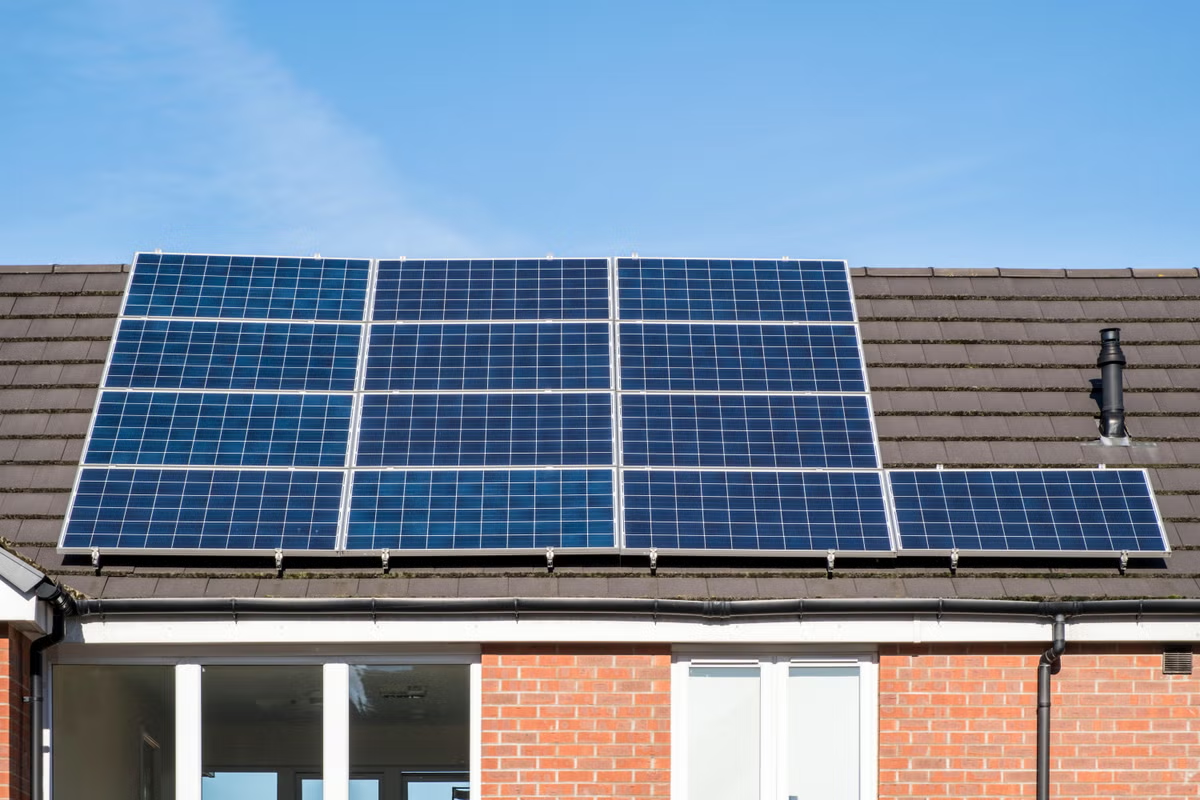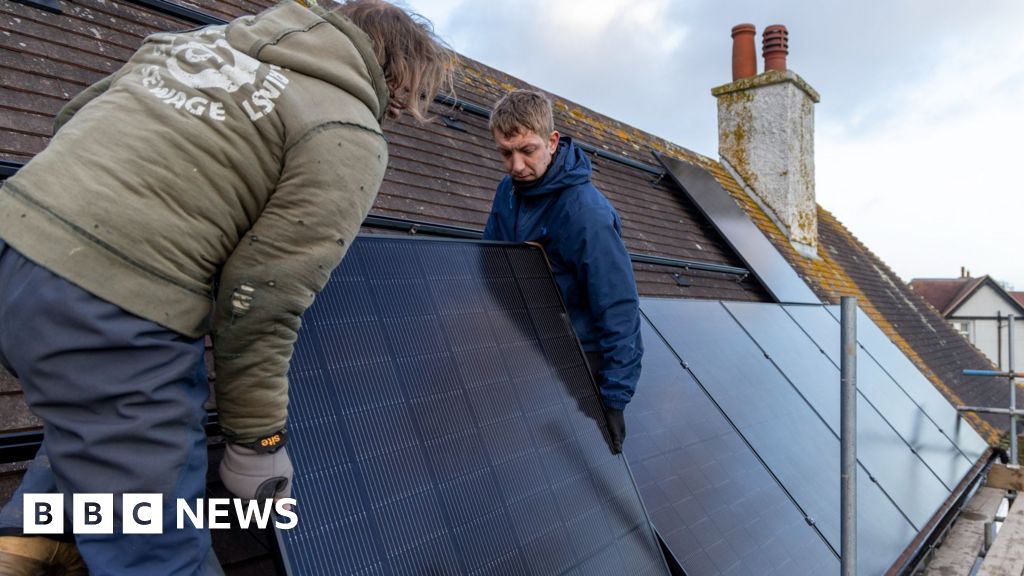
Millions of homes will be affected by the plan in the next few years - what households need to know09:55, 27 May 2026The Warm Homes Plan announced earlier this year is meant to cut bills and help millions of households regardless if they own their home, rent privately or live in social housing. The Government’s plan hopes to deploy solar panels on the rooftops of up to three million homes, install over 450,000 heat pumps per year and upgrade five million homes in total by 2030.While this could go far in cutting energy bills for households in the long run, sustainability expert Simon Bones warned many people are “still in the dark about what to do, and how to get it done”. He explained that what you need to do now largely depends on whether your rent or own your home.He said: “If you’re a tenant, whether social or private, the first steps are to understand your current energy efficiency. Look up your EPC and if it’s a D or below, you are likely to be considered inefficient, and contact your landlord to see what their plans are.“If you’re a homeowner, you can use a [retrofit] provider to understand the likely opportunities, costs and payback. Whether it’s small, low-cost steps or a whole-home retrofit that works for you will depend on your budget, property and openness to disruption.”Certain websites may also provide a free home check to help people better understand how their property can be upgraded. How you pay for these upgrades can also depend on your homeownership status.Bones noted: “Self-funding is the best option if it’s open to you. But if you have a mortgage, it’s also worth checking for green improvement deals with your provider. And these can sometimes be the difference between going ahead and not.”The founder of Genous, which helps homeowners retrofit their homes for a greener future, also explained that people whose properties are affected by the Warm Homes Plan should have the upgrades offered free of charge, with each property due to get a “tailored plan”, as Simon told Sam Wylie-Harris of PA.He continued: “One shift from previous energy-saving policies is a move away from a ‘fabric-first’ approach (insulation); and more to technology (solar panels, batteries, heat pumps).“Albeit some loft and cavity wall insulation is continuing to be deployed in these properties, as these tend to be the best payback forms of insulation.”People who are able to pay for their upgrades will still be incentivized through schemes like the Boiler Upgrade Scheme, which offers thousands towards the installation of new heat pumps although it doesn’t cover the full cost. However, it also isn’t means-tested and is the main subsidy out there for people wanting to retrofit their home.Bones noted that expected changes to planning permissions should also make retrofitting a bit easier in general, depending on whether or not your home is listed or in conservation areas.The cost of loans to finance upgrades will also be changing, with a £2billion funding commitment although the expert noted it’s not quite clear how this will work in practice just yet.He said: “Lowering the cost of finance is key as an ‘intelligent retrofit’ like those delivered can typically generate 10% post-tax returns, great if you have savings or can borrow on your mortgage.Article continues below“But a personal loan to fund this would eat up most of the returns, and with the cost of a retrofit typically £10,000-20,000, this explains why the able-to-pay market today is largely centred on the cash-rich segment of homeowners.”
Government plan to help over a million households cut energy bill
Millions of homes will be affected by the plan in the next few years - what households need to know
587 words~3 min read