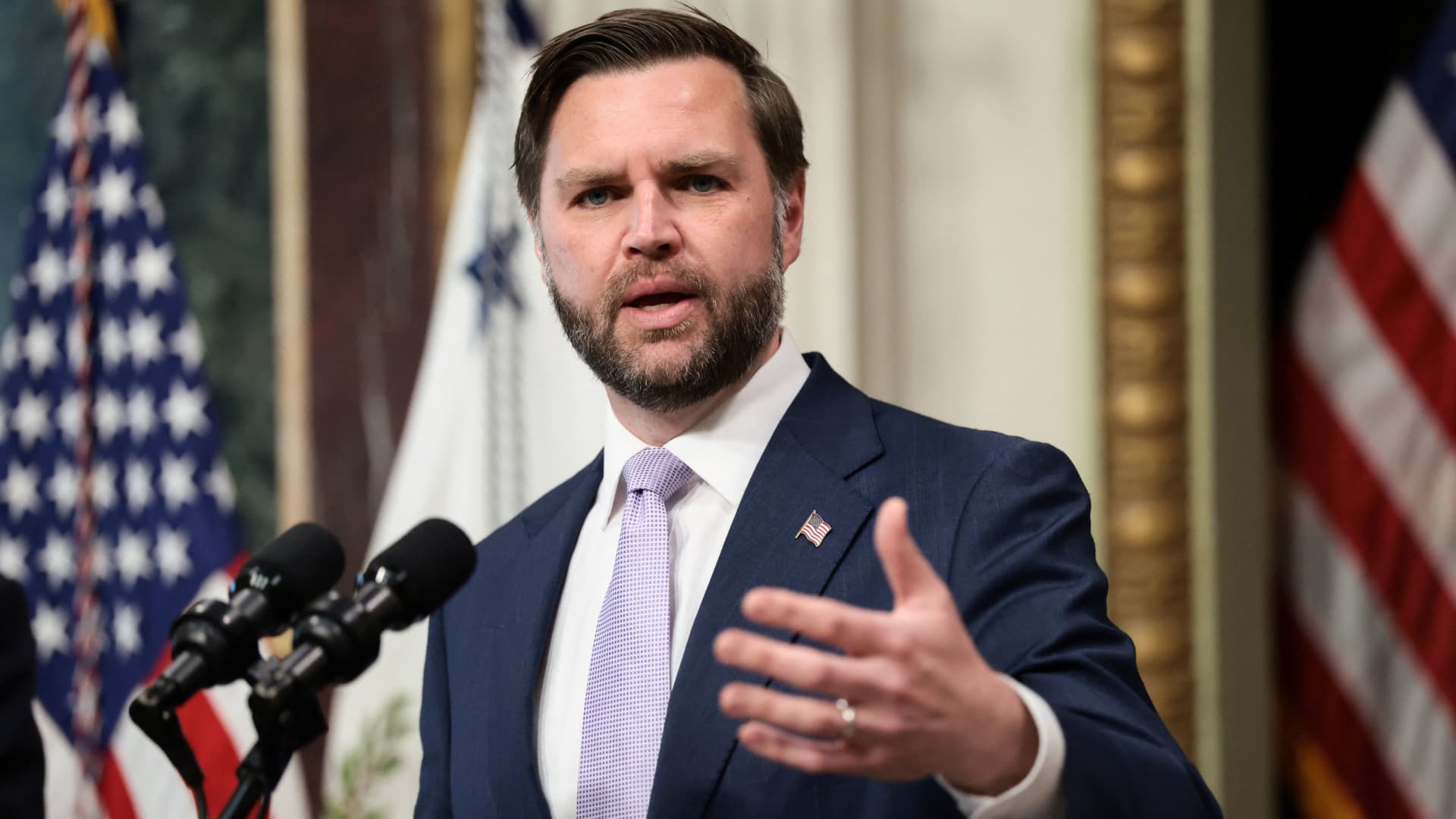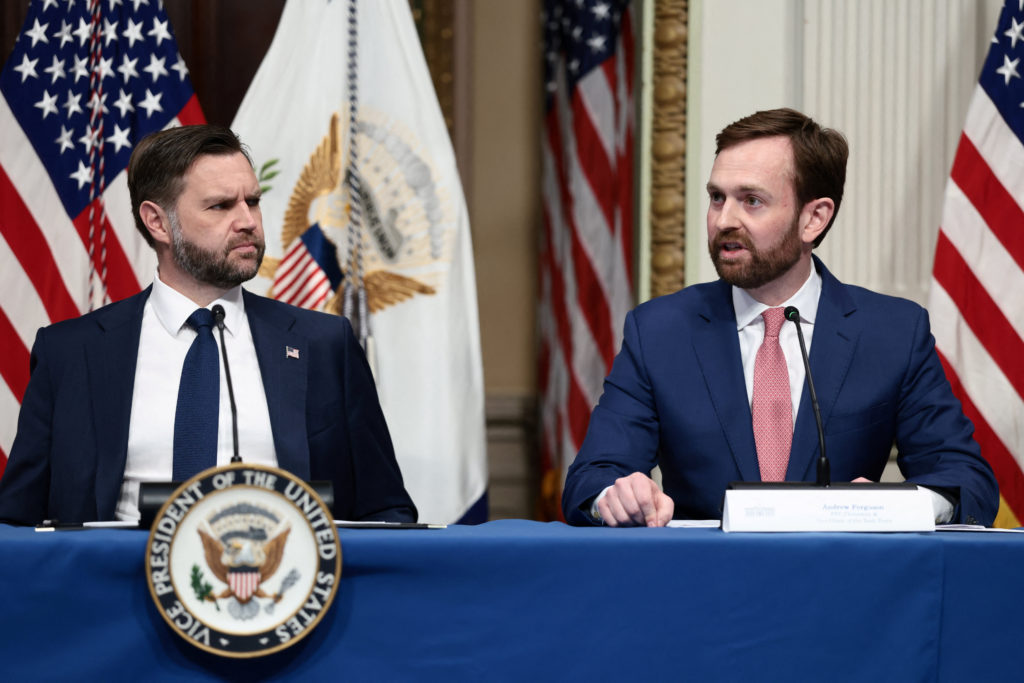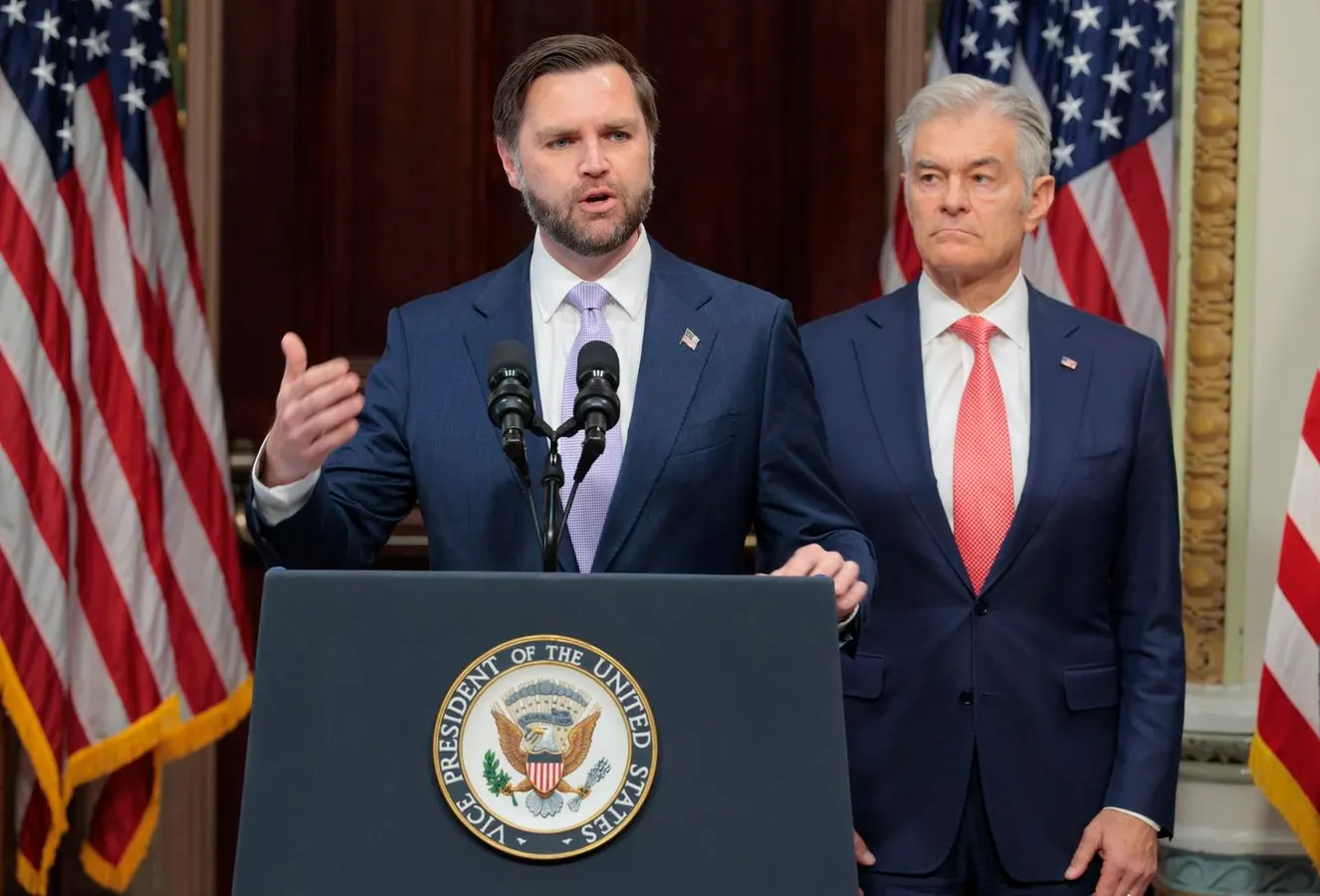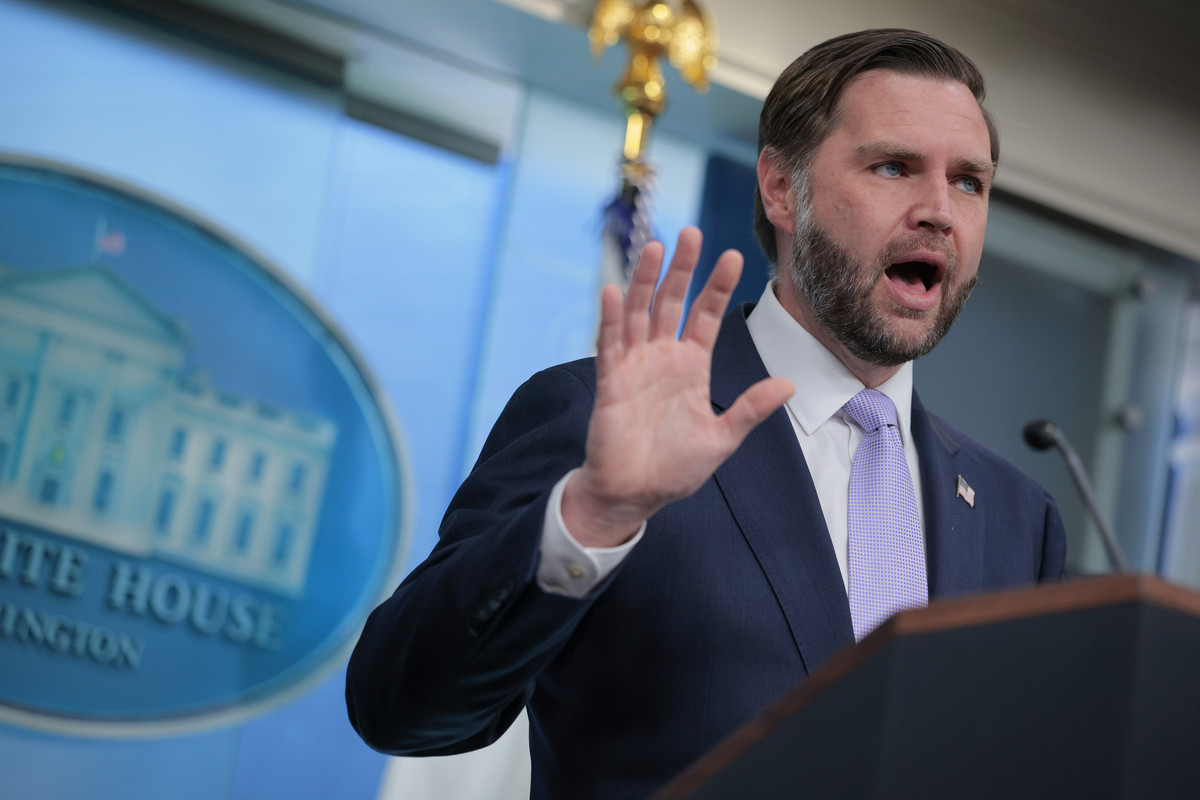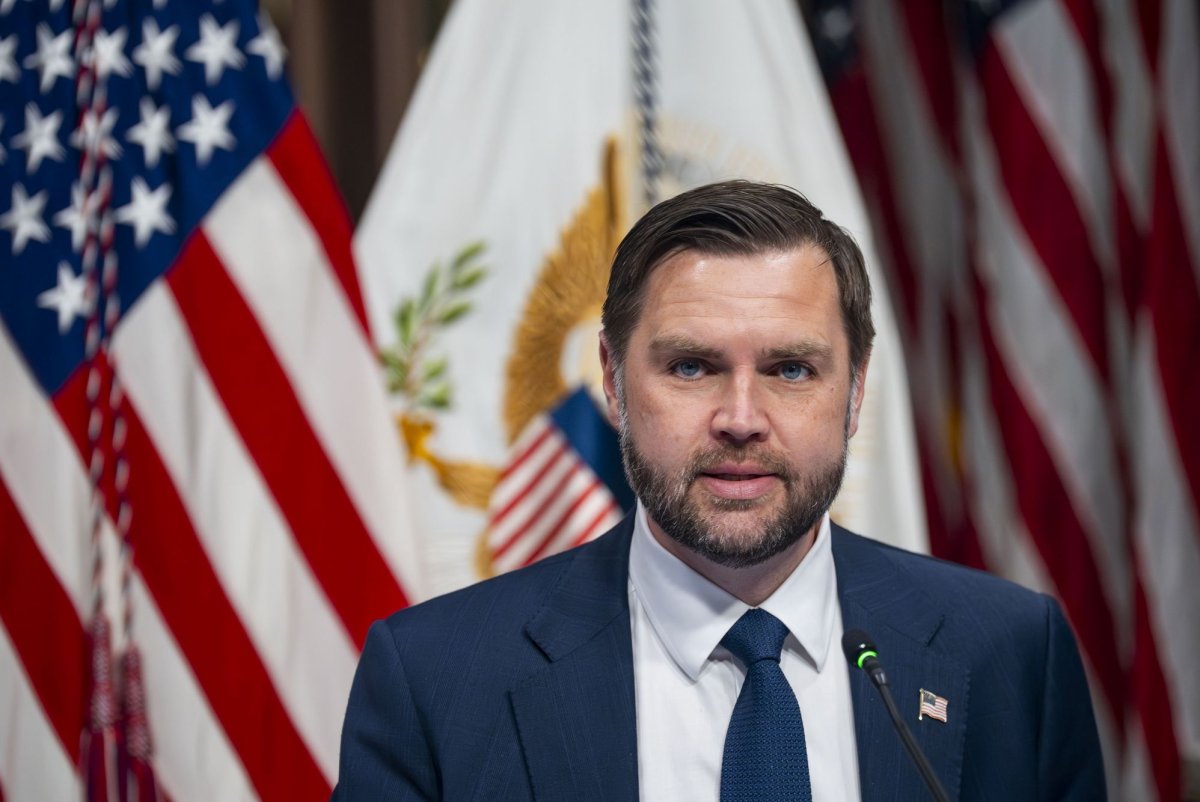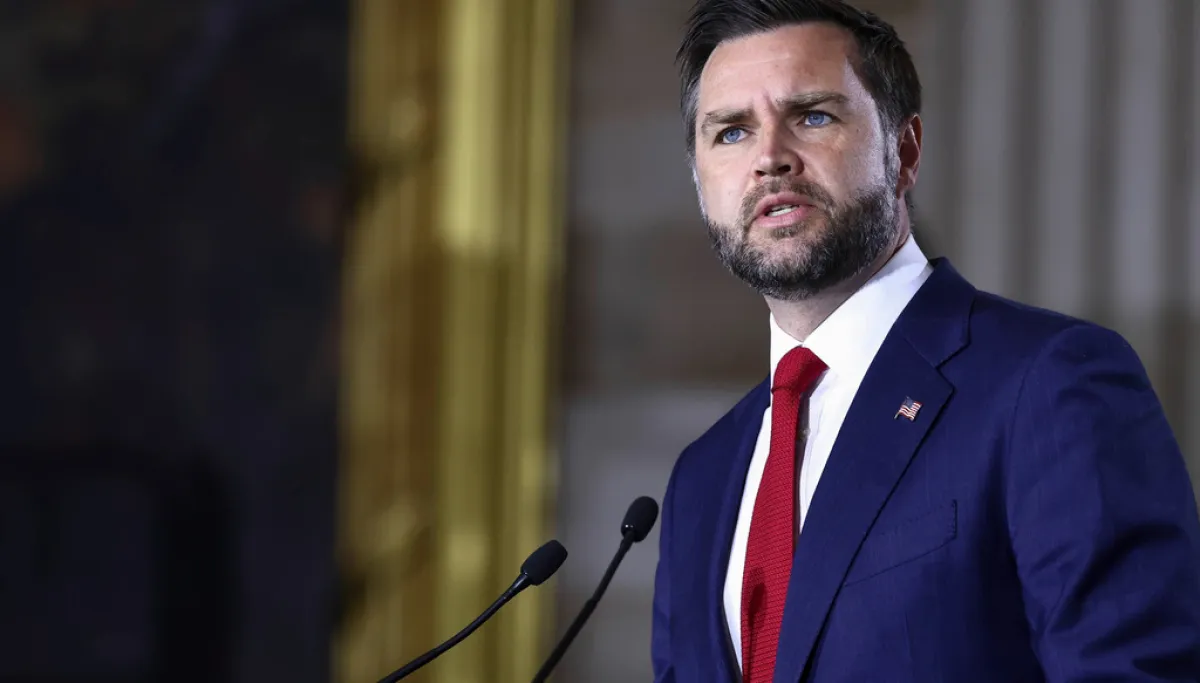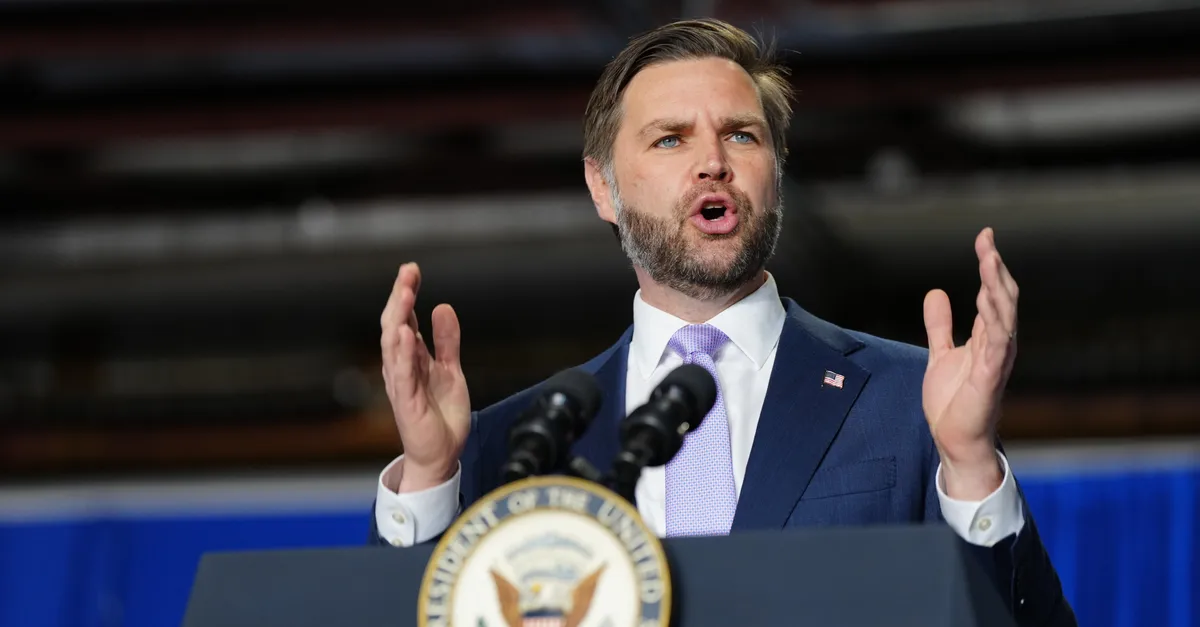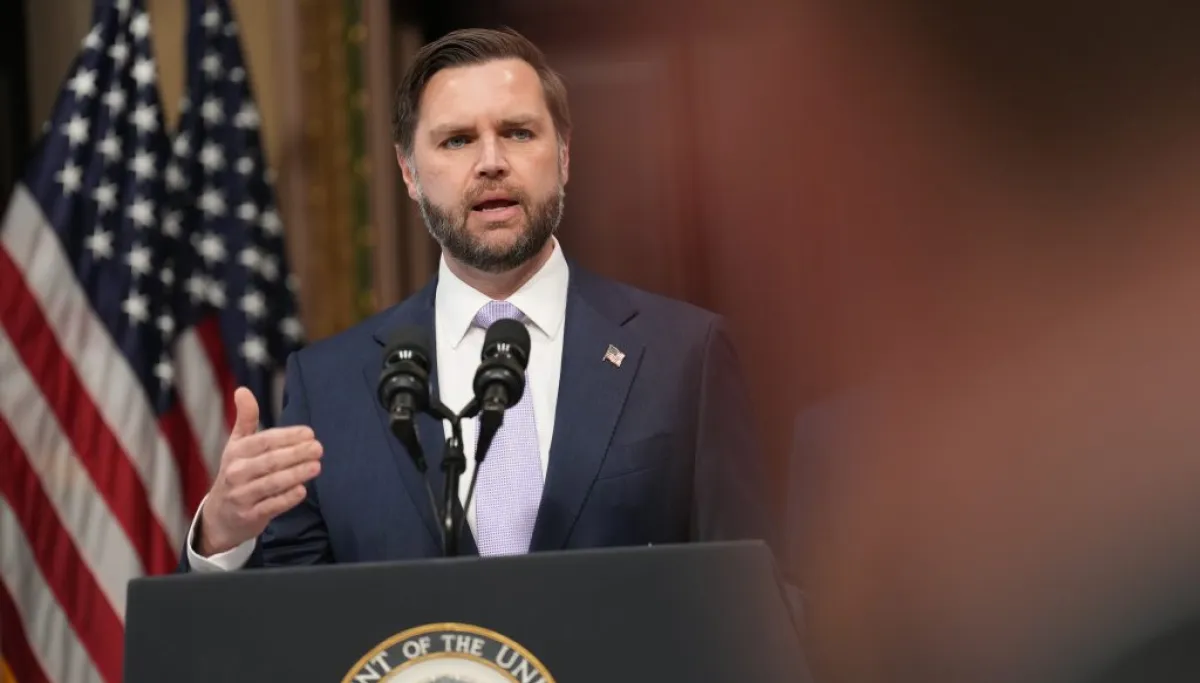
Because healthcare fraud is not new, the Justice Department has had a dedicated healthcare fraud unit for nearly two decades. But the COVID-19 pandemic and the healthcare lies that enveloped it have created new vulnerabilities in Medicare and Medicaid. Vice President JD Vance has made healthcare a central focus of the Trump administration’s anti-fraud agenda. Democrats should work with Vance but instead are reflexively treating every enforcement action as a partisan attack.
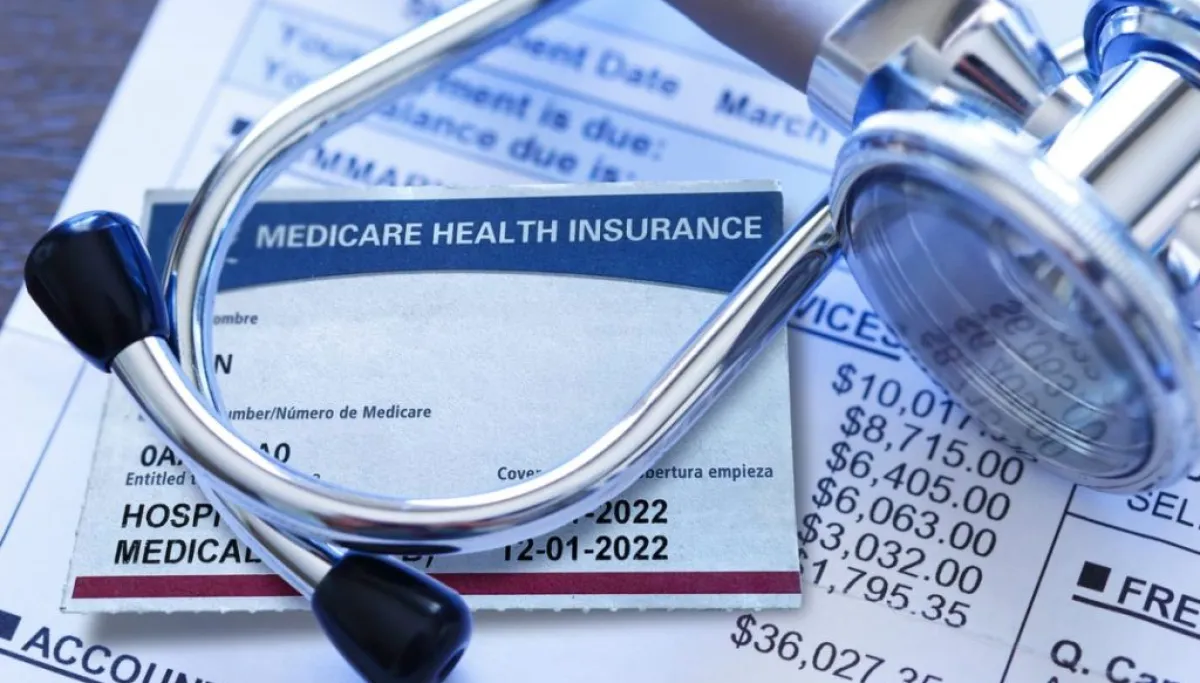
Medicare and Medicaid have always been vulnerable to fraud because they are huge, fast-paying systems in which third parties get money directly for providing services that are often difficult to document. The pandemic made the problem worse because Washington loosened its rules, moved fast, and relied heavily on remote verification. That was understandable in an emergency, but it also created many opportunities for criminals. Telehealth, home health, hospice, laboratory billing, durable medical equipment, addiction treatment, and Medicaid waiver programs became attractive targets for crooks. The Department of Health and Human Services inspector general found 1,714 Medicare telehealth providers whose billing during the first pandemic year posed a high risk for fraud, waste, or abuse.