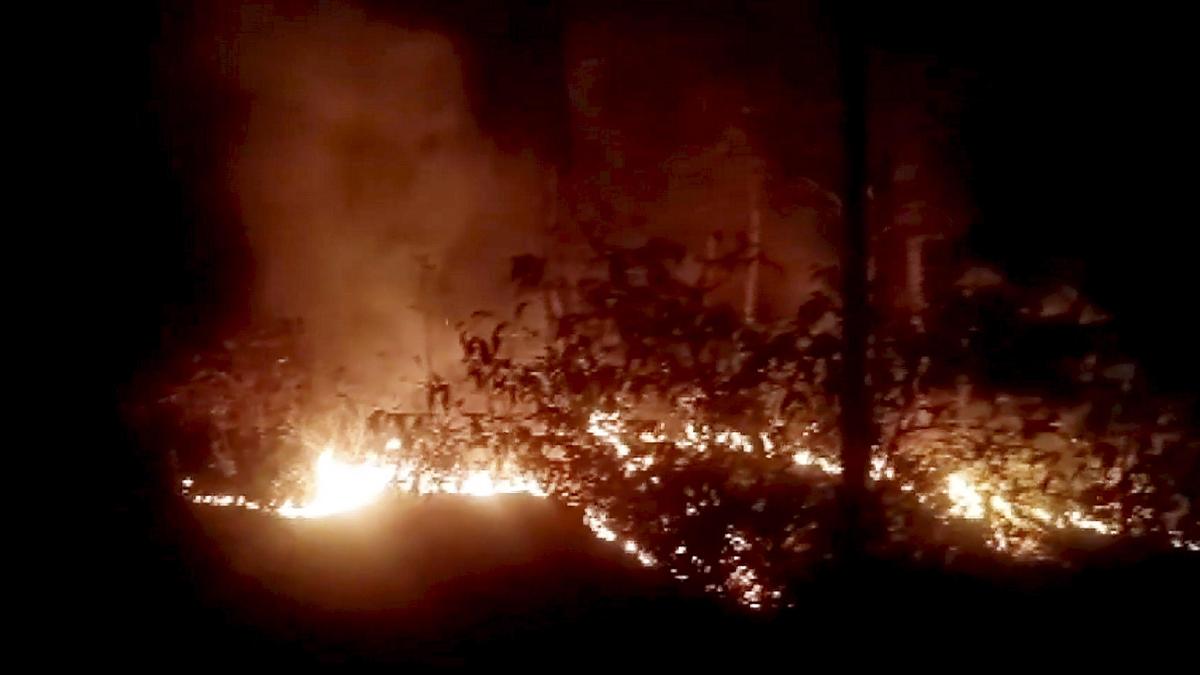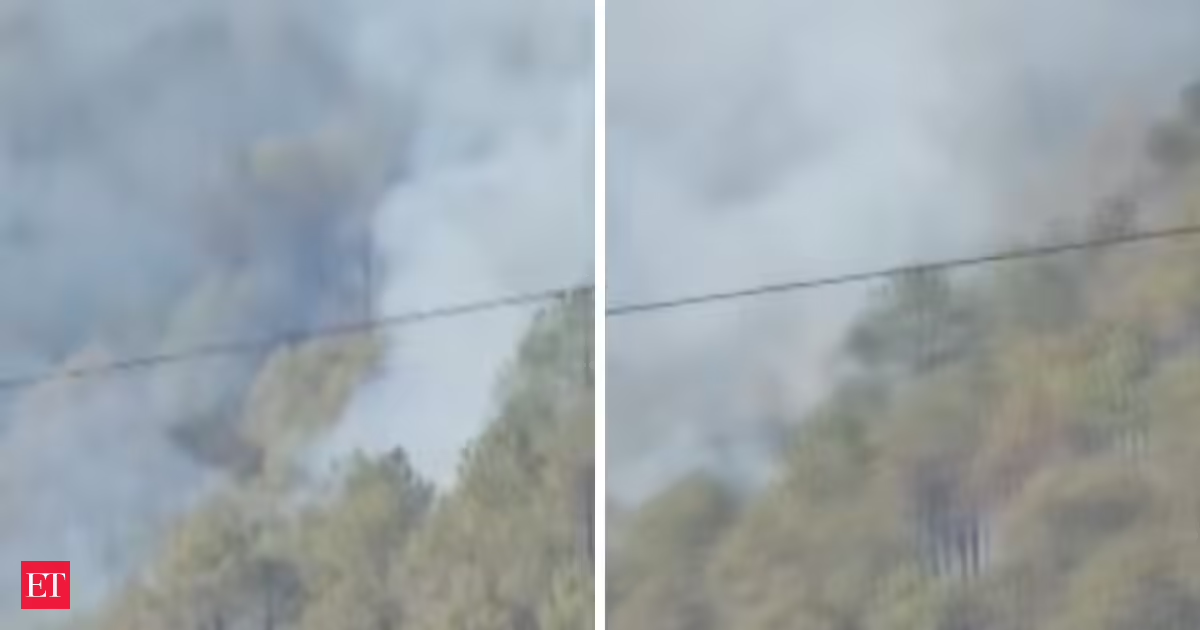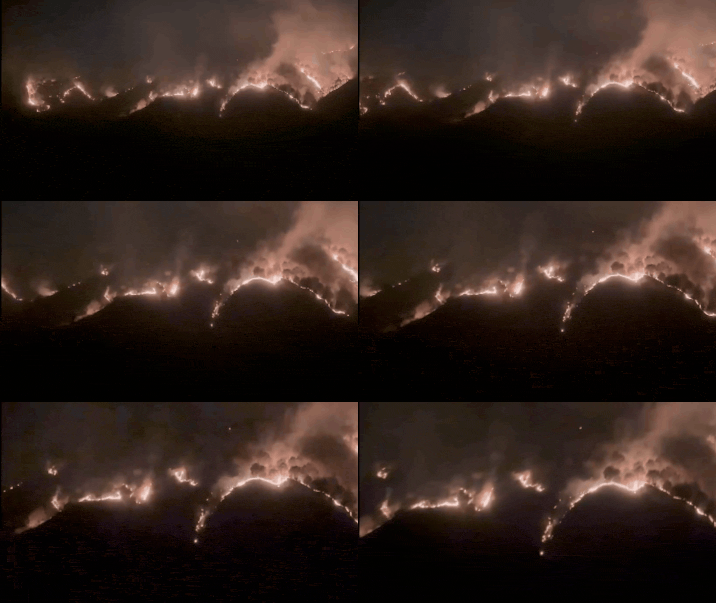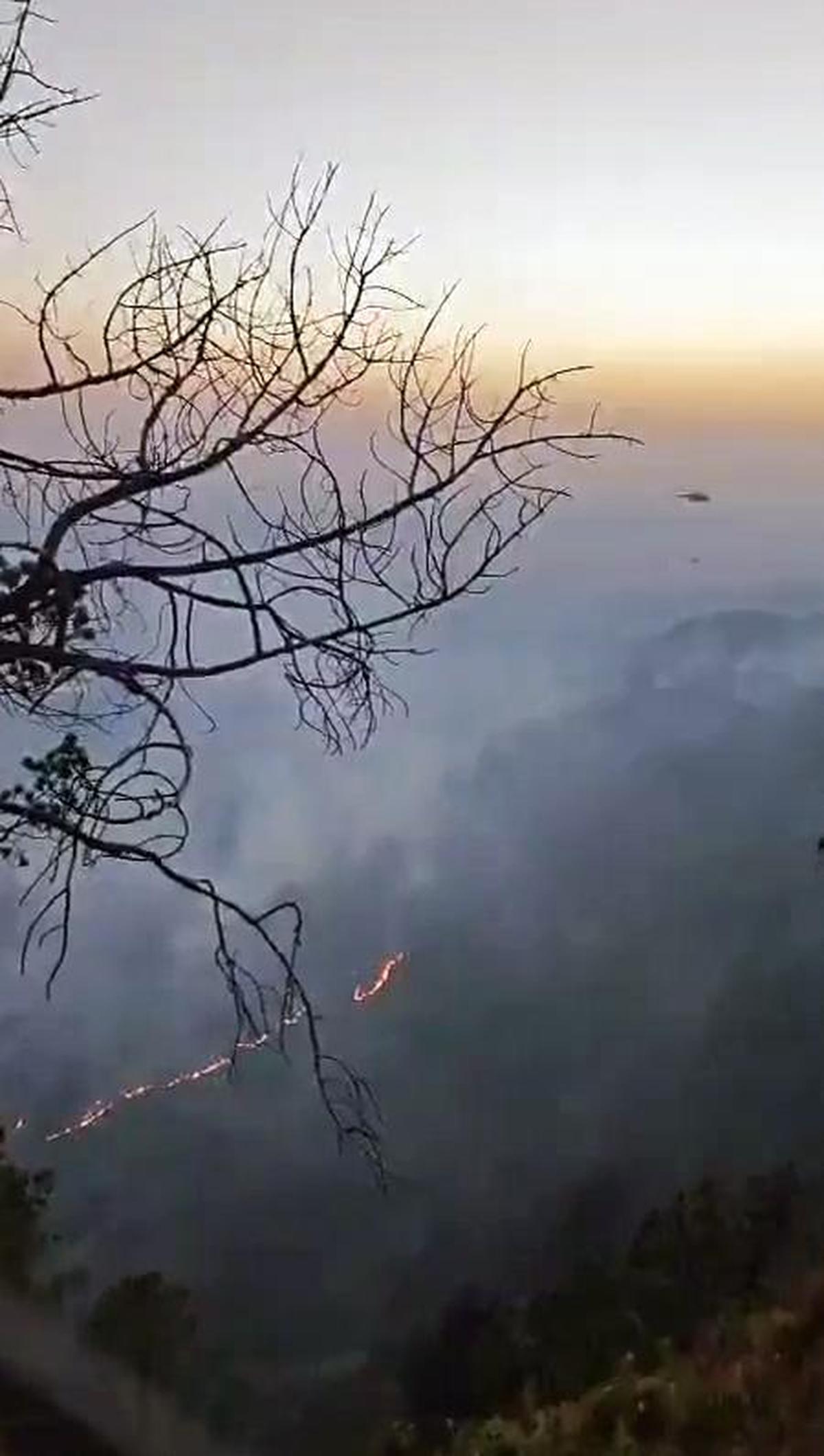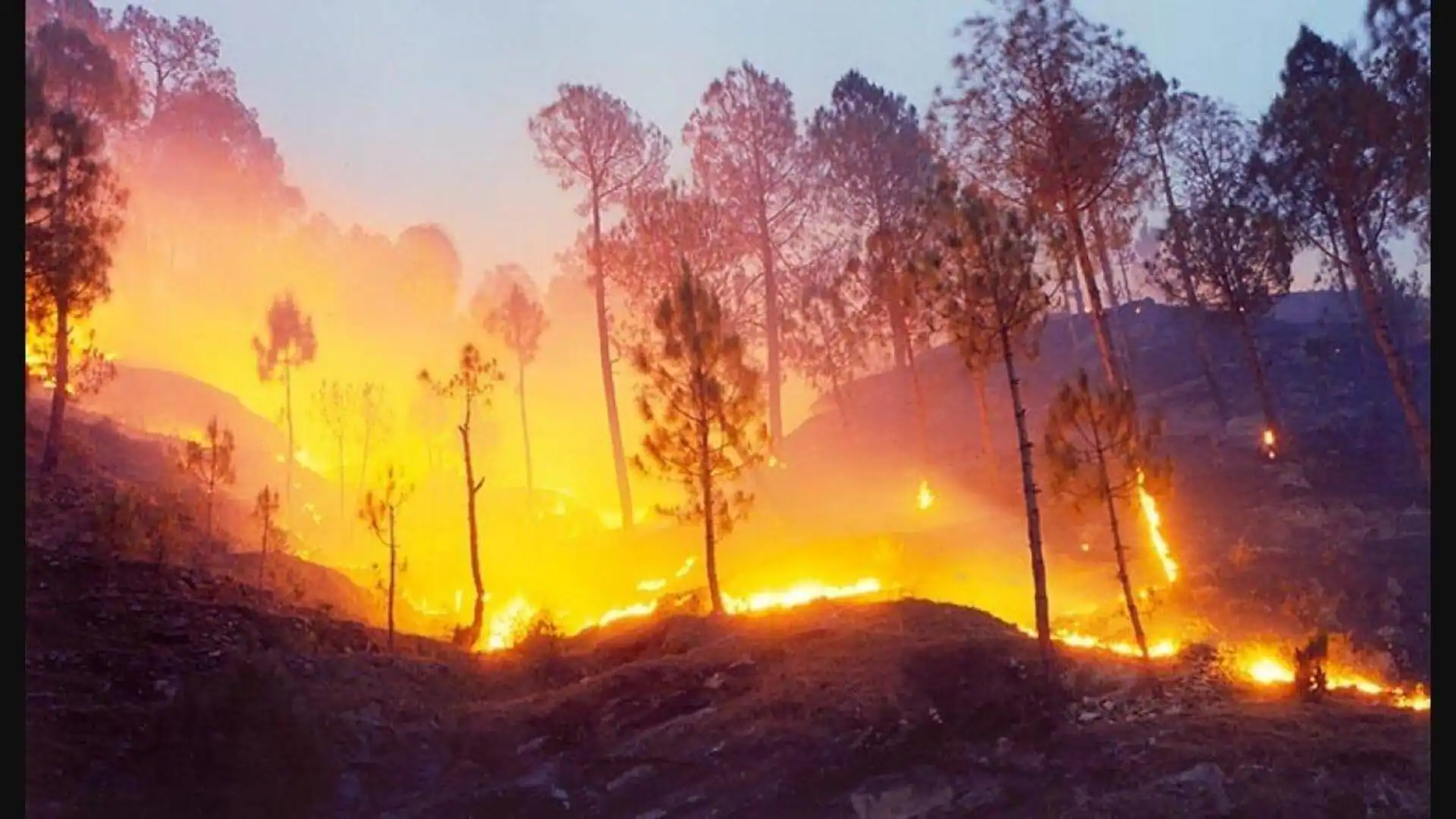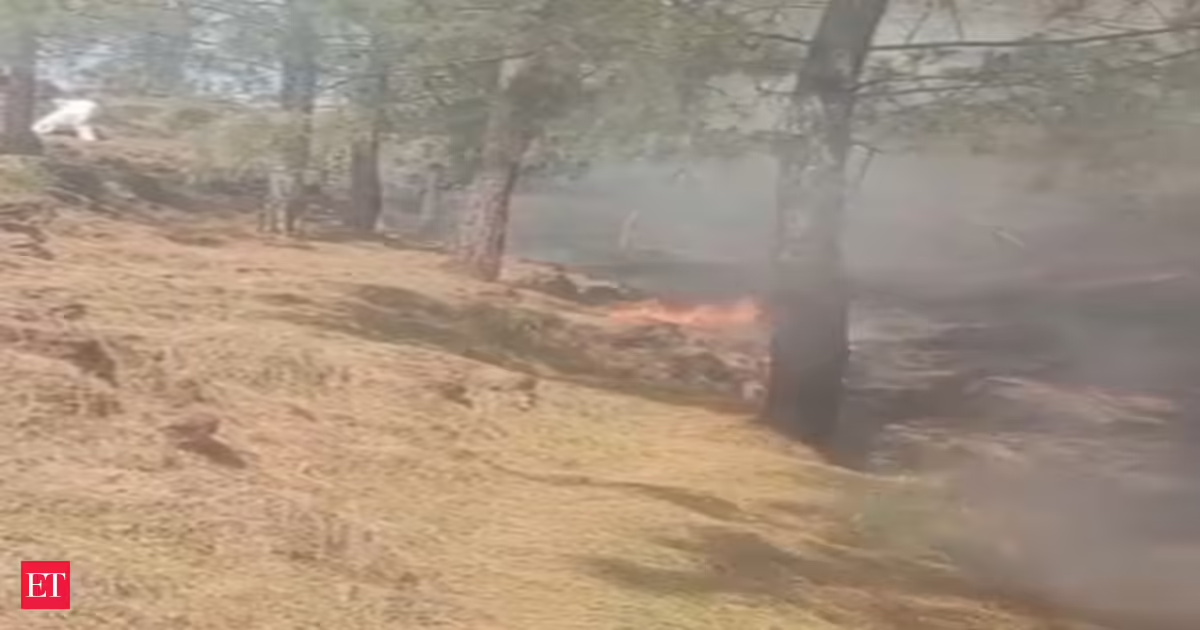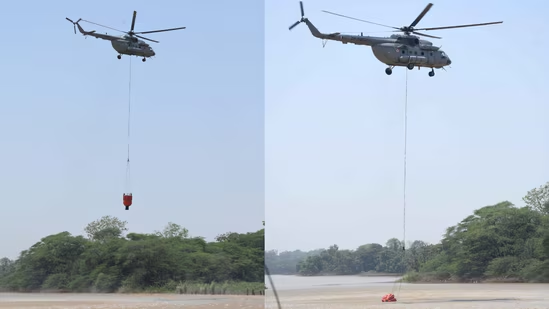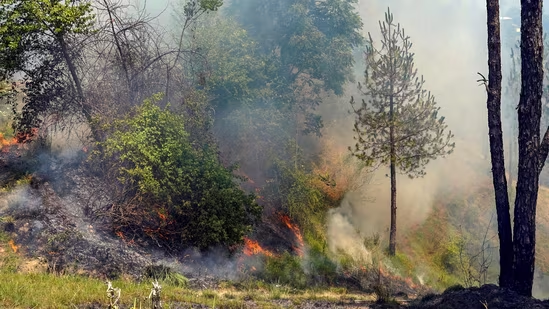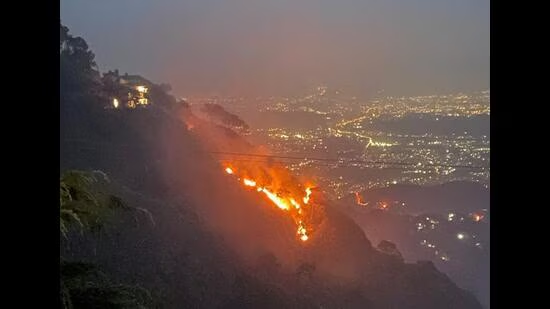
Following a relentless 15-hour overnight operation that extended well into Wednesday, the army, in close coordination with the Indian Air Force (IAF), civil administrators from Kasauli and Chandigarh, and local emergency services, successfully contained a major forest fire.The forest fire on the slopes of the Kasauli hills on Tuesday night. The Chandigarh tricity lights are visible in the backdrop. (HT Photo)The blaze had threatened to engulf the prominent Gilbert Trail, Upper Mall, and adjacent western slopes of the popular Himachal Pradesh hill station.The fire broke out around 3pm on Tuesday, quickly escalating into a high-stakes emergency as it spread perilously close to the Kasauli air force station. Fuelled by highly combustible dry pine needles, soaring summer temperatures, and strong mountain winds, the flames rapidly cut through the Dharampur-Sanawar and Garkhal forest belts.Despite aggressive initial ground firefighting efforts by local forest teams and civil fire tenders, the sheer velocity of the blaze and the region’s inaccessible, rugged terrain forced local authorities to seek immediate military assistance.Overnight aerial operationResponding to the crisis, the Indian Army’s Kasauli Brigade launched an immediate intervention, mobilising both combatant and non-combatant troops.Recognising the severity of the situation, the IAF pressed Mi-17 and Chinook helicopters into service. Operating under demanding conditions, the helicopters conducted multiple sorties, lifting water directly from Chandigarh’s Sukhna Lake, about 30km from Kasauli, to drop onto the burning canopy via specialised Bambi buckets. Crucially, the IAF was cleared for night operations, utilising night vision goggles to continue the aerial assault long after sunset and prevent the fire from leaping into vulnerable, deep-forest zones.On the ground, military personnel worked through the night to cut vital firebreaks, isolate burning pockets, and douse lingering hotspots.According to an official statement by the defence public relations officer (PRO), all personnel and equipment remain safe. No civilian casualties or injuries to first responders have been reported.Review and commendationsLieutenant General Pushpendra Singh, the army commander of the Western Command, arrived on-site on Wednesday to review the ongoing operations and assess the ground situation.Commending the swift, seamless synergy between the services and civil agencies, Lt Gen Singh praised the grit of the troops. In recognition of their professionalism and rapid response under hazardous conditions, the army commander awarded on-the-spot commendation cards to the personnel leading the firefighting mission.Meanwhile, residual operations continue on inaccessible stretches to monitor for any potential flare-ups.Tinderbox effect*The forests of Solan district, particularly around Kasauli and Shimla, are dominated by chir pine (Pinus roxburghii) trees. During the peak summer months of May and June, these trees shed large quantities of dry needles, known locally as chilka. These needles are resinous and act as a potent natural kindling. Combined with an intense ongoing heatwave in Himachal Pradesh, even a tiny spark—whether from friction, a discarded cigarette, or agricultural burning—can spark a fire.*Forest fires are an escalating crisis for Himachal Pradesh, which witnesses between 5,000 to 10,000 hectares of forest land damaged annually. The state forest department estimates that these annual seasonal fires cause direct economic losses exceeding ₹3 crore to ₹5 crore, impacting timber resources, rare Himalayan herbs, and biodiversity.Kasauli fire timeline*A fire starts in the Jangeshu forest area at 3pm on May 26 amid dry pine needles and intense heat; strong winds push the flames toward the Gilbert Trail, Upper Mall, and close to the Kasauli air force station.*Initial containment efforts by local fire tenders fail due to steep, rocky terrain. By late afternoon, the civil administration requests emergency military intervention. Indian Army’s Kasauli Brigade deploys ground troops.*By evening, the IAF deploys Mi-17 and Chinook helicopters. Sorties begin lifting water from Chandigarh’s Sukhna Lake using Bambi buckets for precise aerial drops.*Troops create ground firebreaks through the night. IAF choppers use night vision goggles to continue aerial containment.*By May 27 morning, after 15 hours of continuous operations, the main blazes at Gilbert Hill and Upper Mall are successfully contained.*By the afternoon, Lt General Pushpendra Singh reviews ground situation and awards on-the-spot commendation cards to the responders; cooling operations continue.
Army, IAF contain Kasauli wildfire after 15-hour battle
Helicopters deploy Bambi buckets using Sukhna Lake water to douse blaze near air force station of Himachal hill station; no casualties.
659 words~3 min read