Germany is the largest bilateral provider of assistance to Ukraine in Europe and one of the key pillars of broader European support for Kyiv. Berlin’s position plays a major role in shaping the scale and direction of military aid to Ukraine, maintaining EU unity on sanctions against Russia, and influencing efforts toward a future peace settlement.
Against this backdrop, political developments in Germany — and the thinking of decision-makers in Berlin — are of particular importance to Ukraine. This applies above all to the Christian Democratic Union of Germany/Christian Social Union in Bavaria conservative alliance, which leads the German government in coalition with the SPD and plays a decisive role in shaping the country’s foreign policy course.
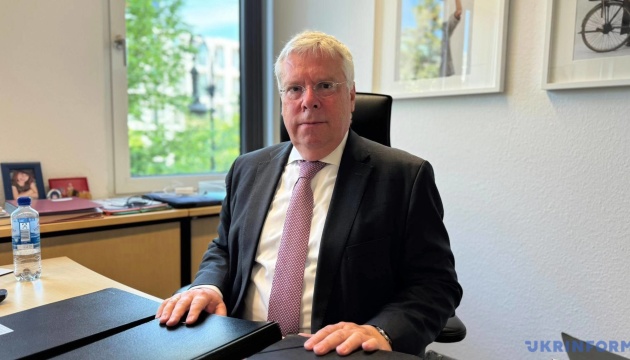
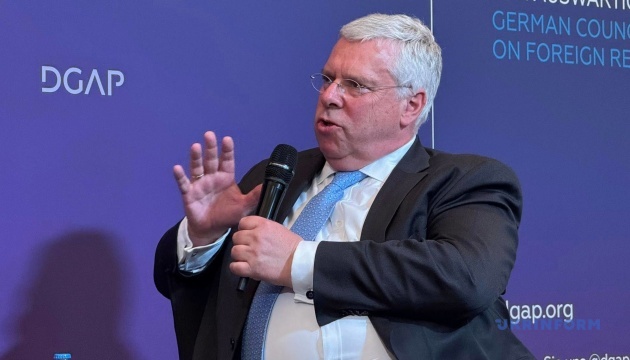
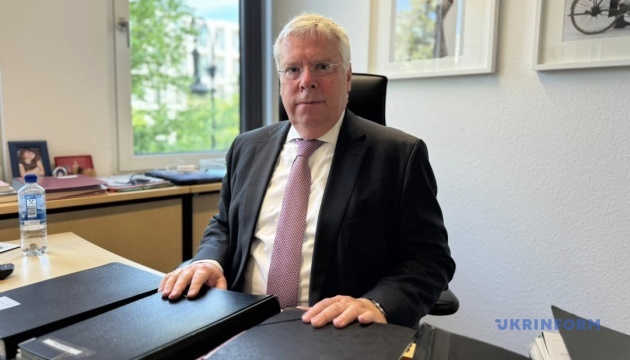
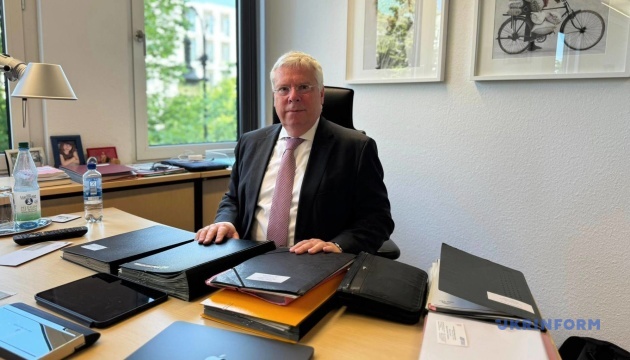
Ukrinform’s staff correspondent in Germany spoke with one of the most influential conservative voices on security and foreign policy — Jürgen Hardt, a CDU member of the Bundestag and foreign policy spokesman for the CDU/CSU parliamentary group.
The conversation covered a range of key issues: whether Berlin’s strategic objective is Ukraine’s victory or merely preventing its defeat; the prospects of the pro-Russian Alternative for Germany coming to power and what that could mean for continued support for Ukraine; how Berlin envisions the path toward peace in Ukraine; and how German policymakers assess the Kremlin’s willingness to negotiate. The interview also touched on Taurus missiles, Nord Stream, “mediator” Gerhard Schröder, the prospect of a special tribunal for Vladimir Putin, and other issues.