Patient panels offer Stanford Health Care a window into what patients want from AI tools
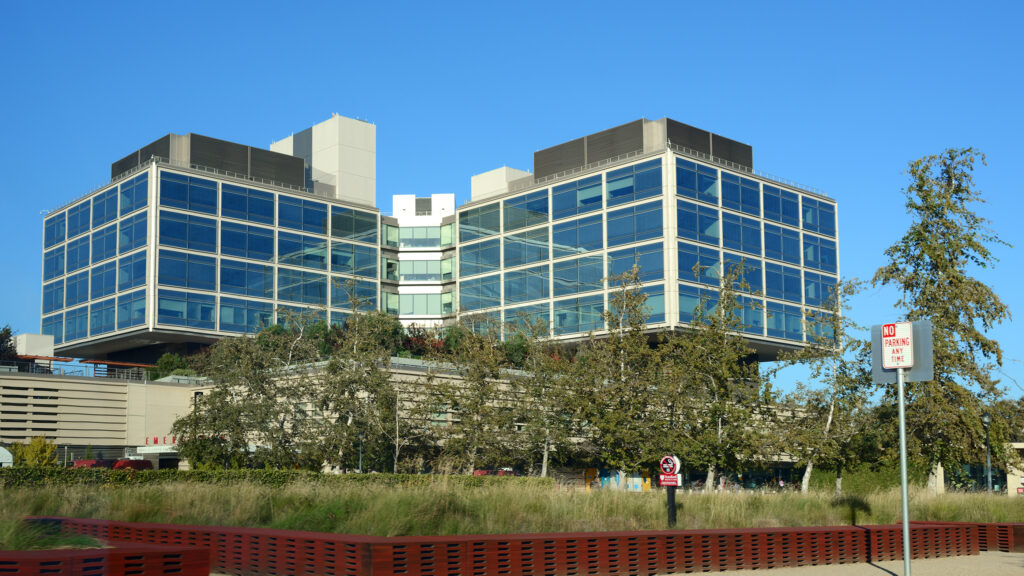
Stanford University Medical Center in Palo Alto, Calif.Adobe
Brittany Trang, Ph.D., covers AI in health and medicine: Does it actually work? Who benefits, or might be harmed? She writes the weekly AI Prognosis newsletter. Follow her on Threads, Mastodon, and Bluesky. You can reach Brittany on Signal at btrang.01.
At Stanford University, it’s easy to get carried away with technology. The computer mouse was invented there. So was Google. And now, it’s pumping out a myriad of tools for artificial intelligence in health care.
But for the last year and a half, Stanford’s hospital has been asking patients about new AI tools before they roll them out.