Hoërskool Waterkloof provided a first-hand look at the technology rollout that changed the school's technology ecosystem. HPE Networking and One80 SA combined their expertise to meet the specific needs and budget constraints of a government school and enable digital transformation to nurture future talent.
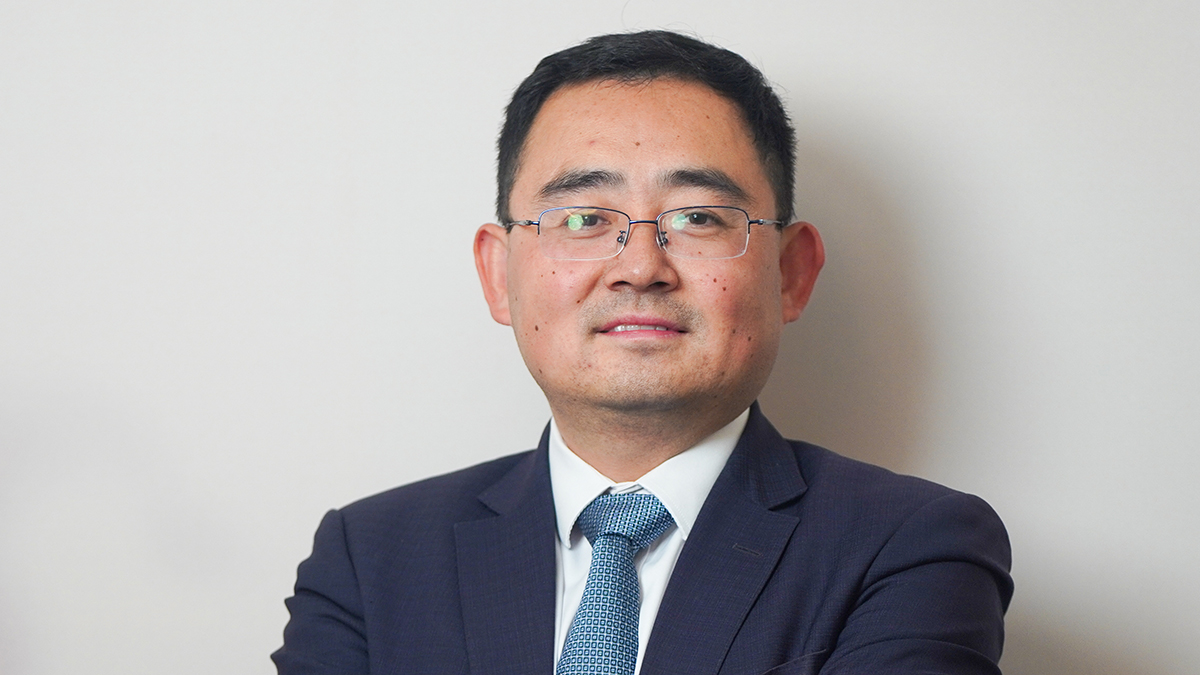
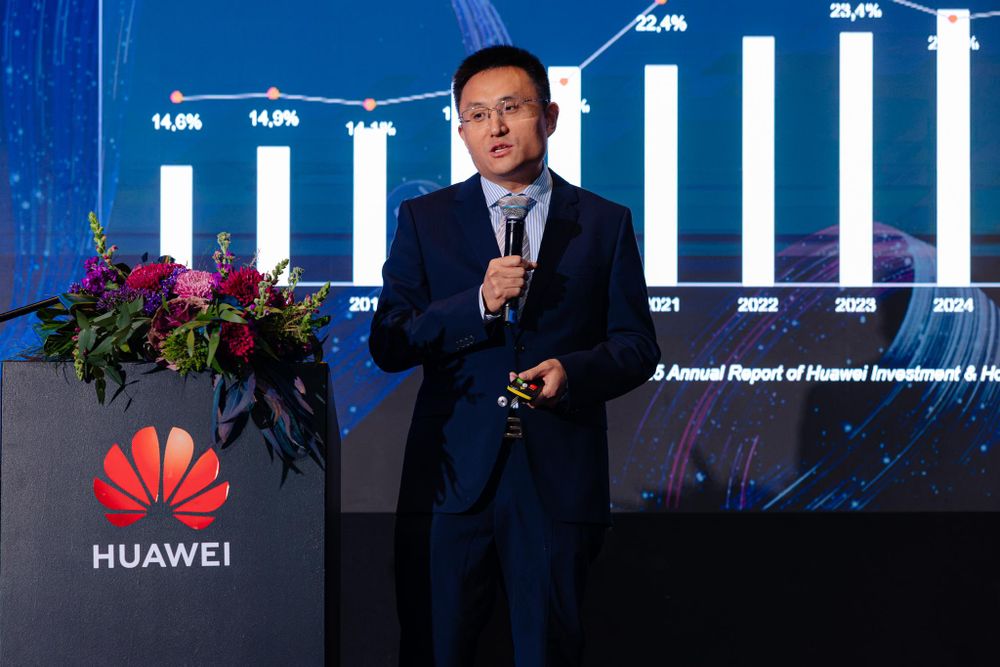
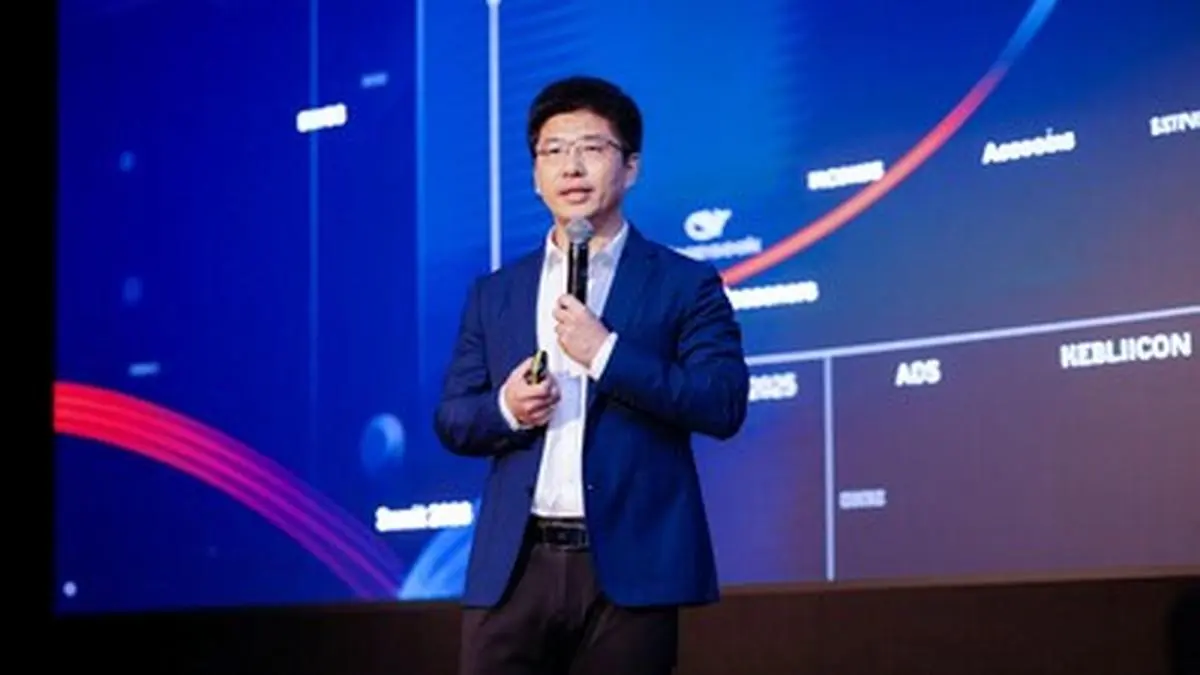
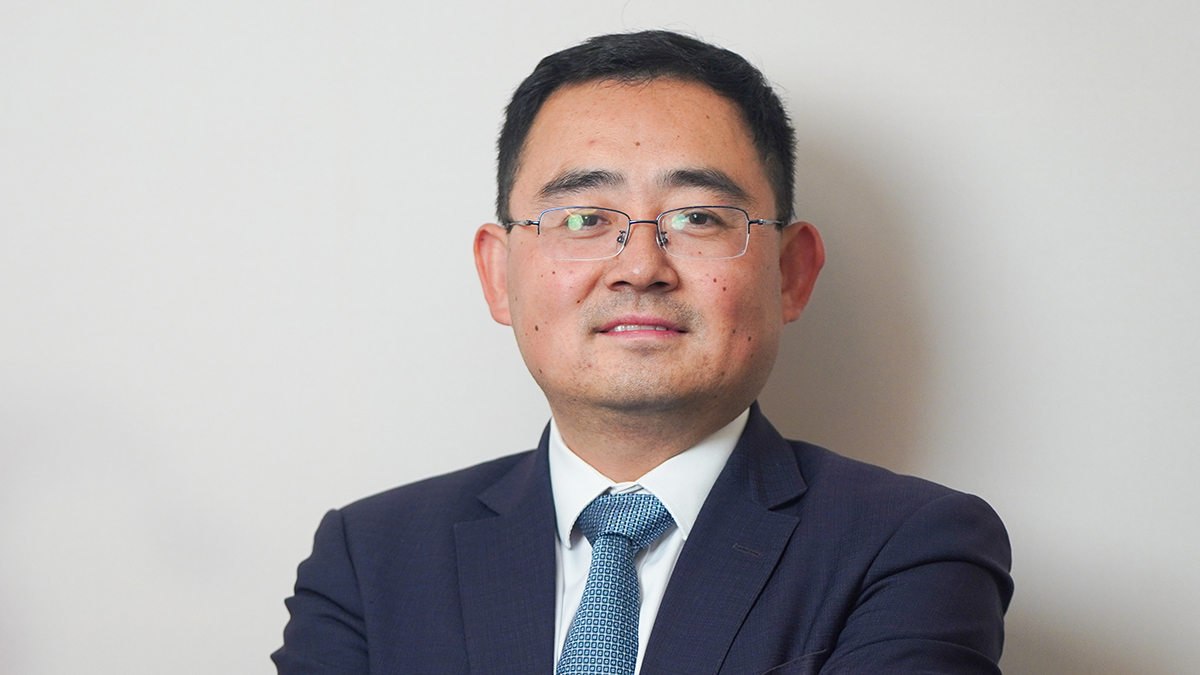
#hpe #one80technologygroup #klofiesKui Zheng has a close relationship with Africa. He led Huawei in Mauritius for several years, then moved up to focus on state and public service digitisation across the continent. At the start of 2026, he stepped into the top seat at Huawei Enterprise South Africa, taking the reins at a very crucial and opportune moment for the country.There isn't a major business or public sector organisation in SA that is not thinking about artificial intelligence. According to World Wide Worx's South African Generative AI Roadmap 2025 report, over two-thirds of people in local organisations report actively using AI, and 15% of organisations are already providing approved AI tools.Yet, while such trends are encouraging, they don't reveal the technical and infrastructure challenges that organisations need to address if they want AI's long-term benefits.AI is not just a step up; it's a new level for how companies can improve their insights, productivity and competitiveness. Those ambitions rest on how they can exploit their infrastructure, data and digital services, areas that require a robust partner with broad experience and capabilities.Huawei is that partner, says Zheng, noting that it is one of very few vendors with a true full-stack view of AI and digitisation."Huawei has been deep-diving into the AI industry for several years. We have the Huawei AI chipsets, we have our data centres, our networks. We're aiming to be the long-term partner in driving this digital and intelligence transformation across industries, especially in South Africa."This strategy resonated during Huawei IT Day, hosted at the Houghton Hotel in Johannesburg. Hundreds of attendees gathered to see what Huawei brings to the table.As a pioneer in cloud (in 2019, Huawei was the first global cloud provider to open data centres locally), telecommunications infrastructure including 5G, consumer devices and full-range enterprise solutions, it's recognised as a digital trailblazer.During Huawei IT Day, it expanded that reputation, presenting new appliances such as OceanStor Dorado storage for high throughput and low latency; OceanProtect with advanced ransomware protection; and the Huawei DCS/HCS full-stack data centre solution. Focusing specifically on AI, Huawei has developed the Atlas 950 SuperPoD, which improves efficiency and reliability for hosting AI models.The capabilities of these appliances reflect two of Huawei's strategic priorities. One is around utilising data, says Zheng."The data quality is quite high in South Africa. Data infrastructure is evolving from traditional support systems into AI production systems. After you accumulate the data, you have to consider how to use this data. But the more data is accumulated, the greater the data security and protection you need. No matter the storage, computing, network or cloud, we are the ones who provide this full stack."Kui Zheng, CEO, Huawei Enterprise South Africa. AI also opens new use cases for cold data, adding to storage, protection and delivery requirements. But the shift is not only about infrastructure. Expertise and skills, the second priorities, are also crucial."We will continue to invest in the local market, including talent development, and strengthen our partner ecosystem. We will use our knowledge and our global practice to grow the entire ecosystem in South Africa."This global reach and capacity overlaps into a new area of concern: procurement. Market demand has led to supply shortages of crucial digital equipment, and enterprises of all types are relying on vendors and their partners to solve supply chain dilemmas.Huawei has a particular advantage over these market disruptions. No stranger to supply chain challenges, over the past several years it has logistically and culturally attuned itself to find workable and lasting solutions."Huawei puts the customer at the centre, and we think about how we will diversify our supply chain. We ensure supply stability through measures such as strategic inventory planning and flexible capacity allocation. That's how we can constantly provide products to our customers. We focus on how to solve the customer's challenges, no matter the problem or their requirements."Zheng is excited about taking the lead at Huawei Enterprise South Africa. A diverse population, robust economy and well-developed digital industry form the foundation for a prosperous country and a prosperous continent, he says."In the SA market, the demand for digitalisation is growing very rapidly and increasing," says Zheng. "Huawei is very excited to be a part of that."