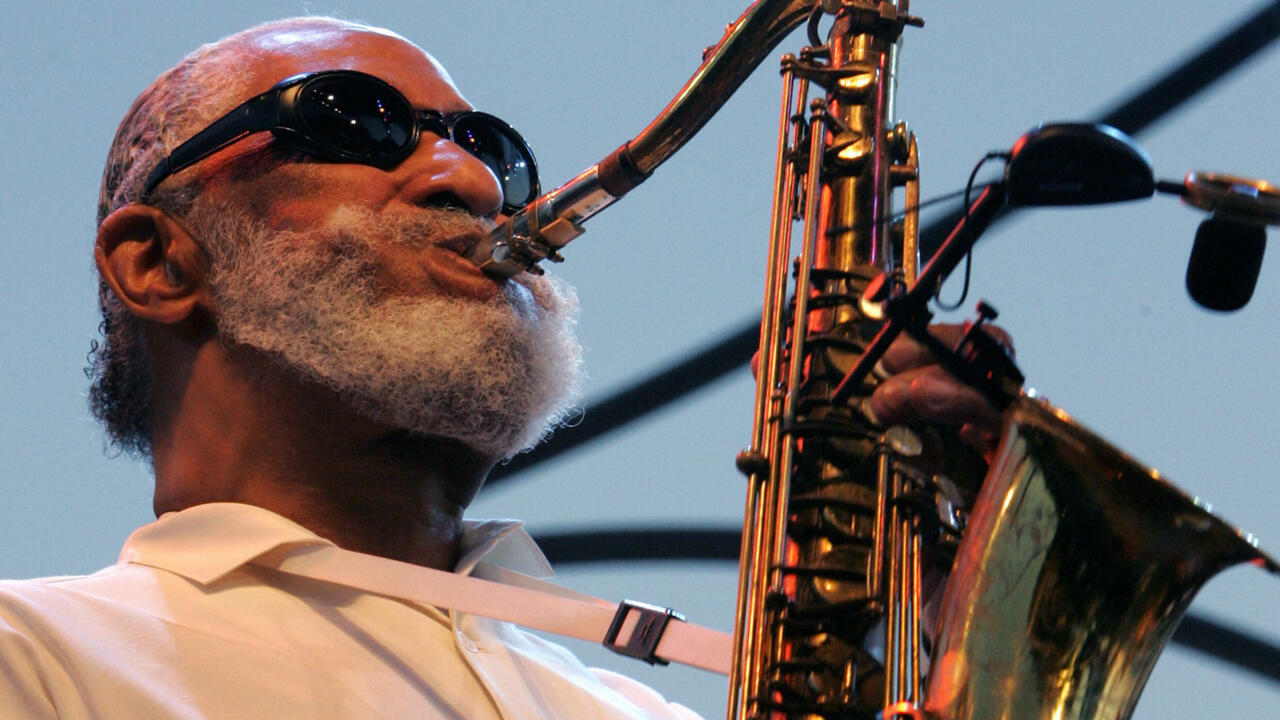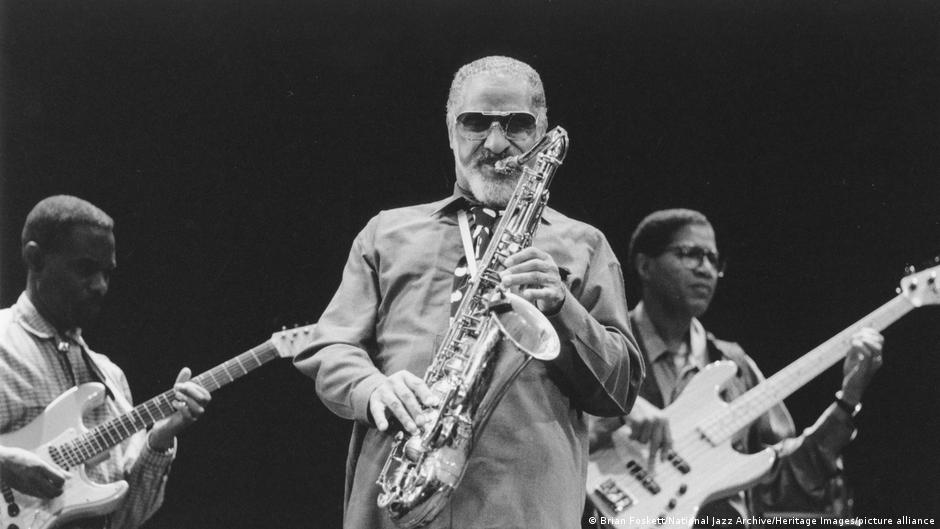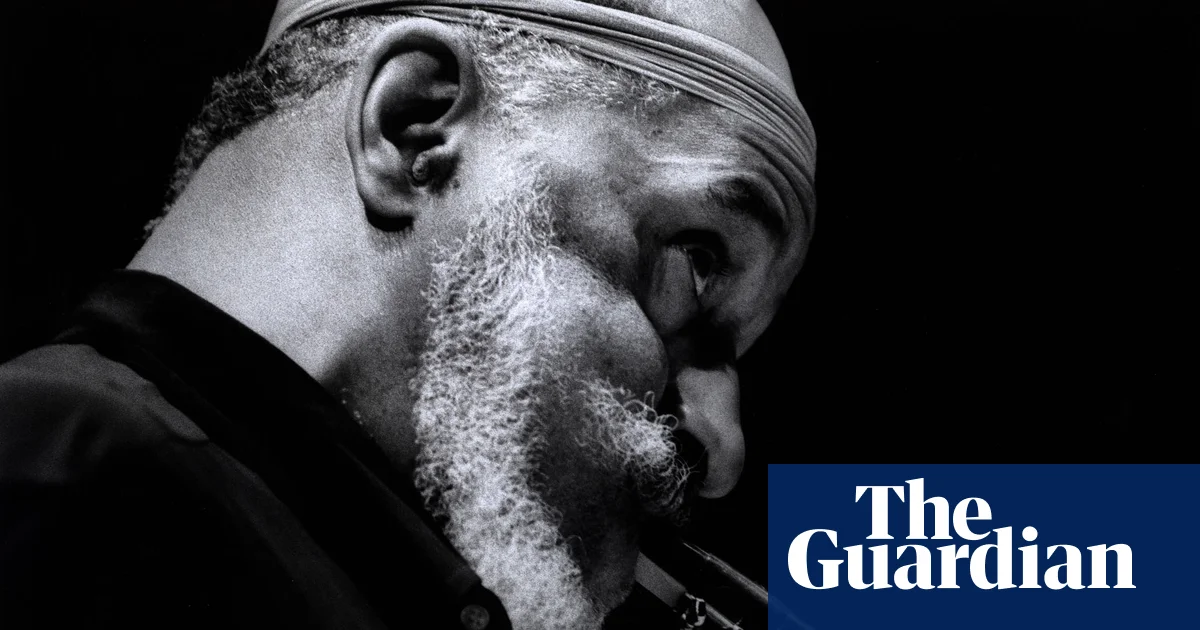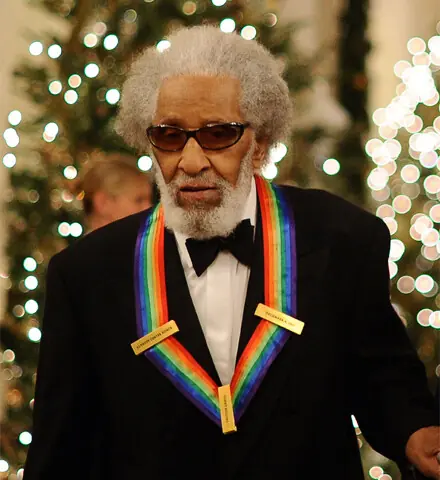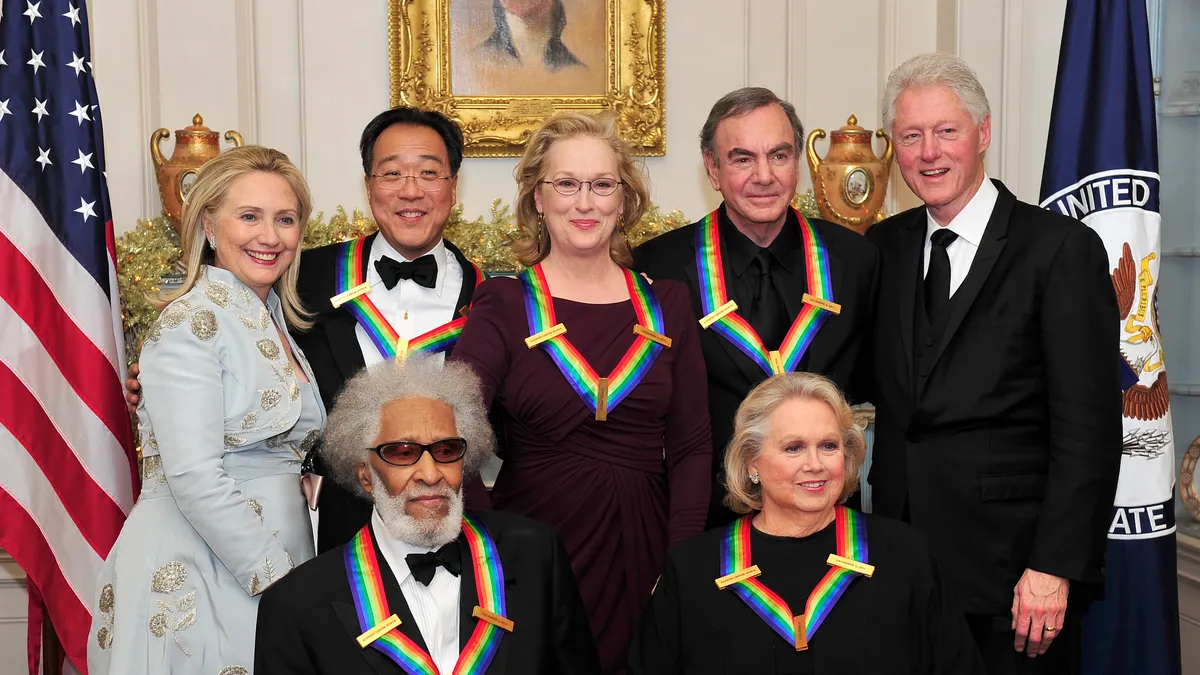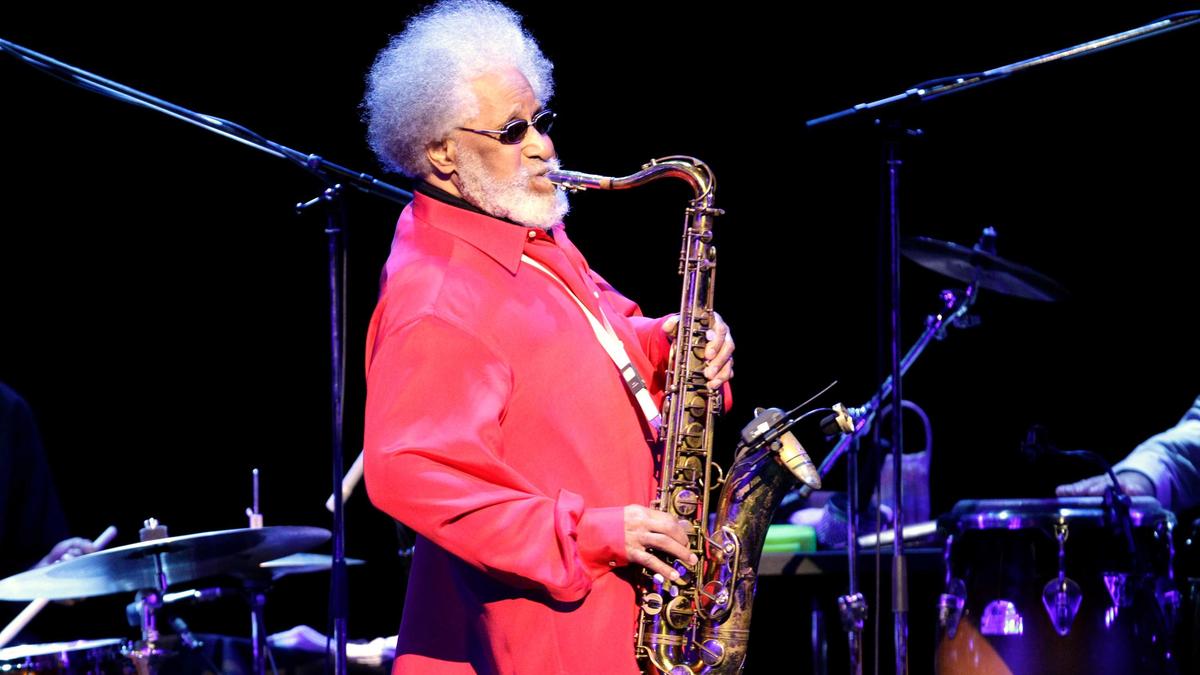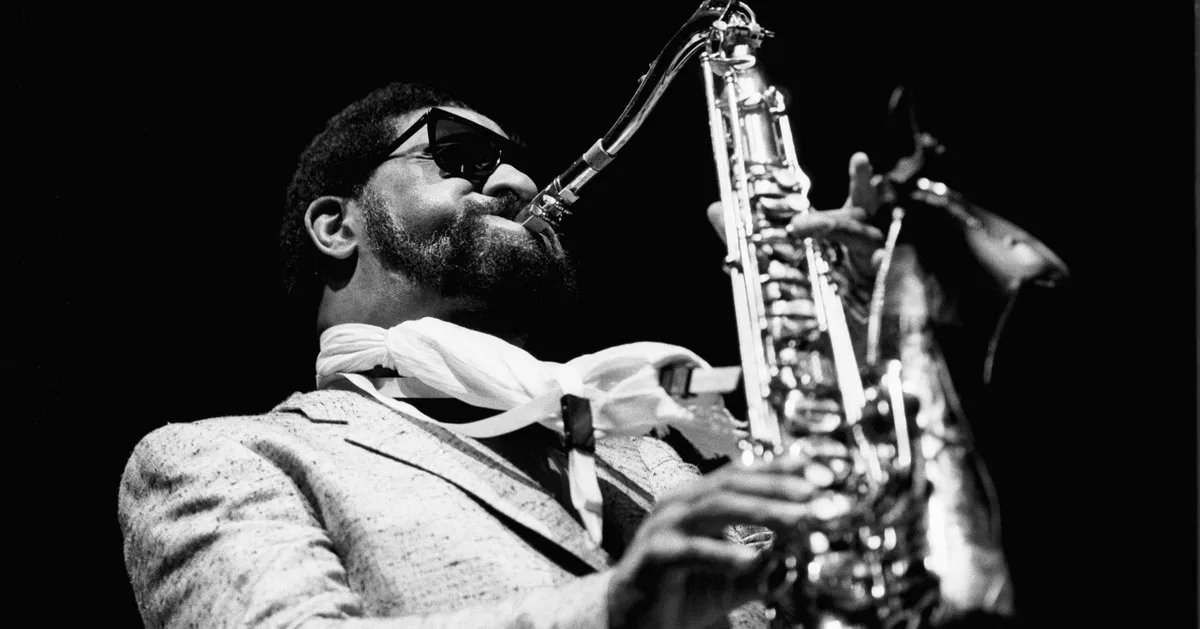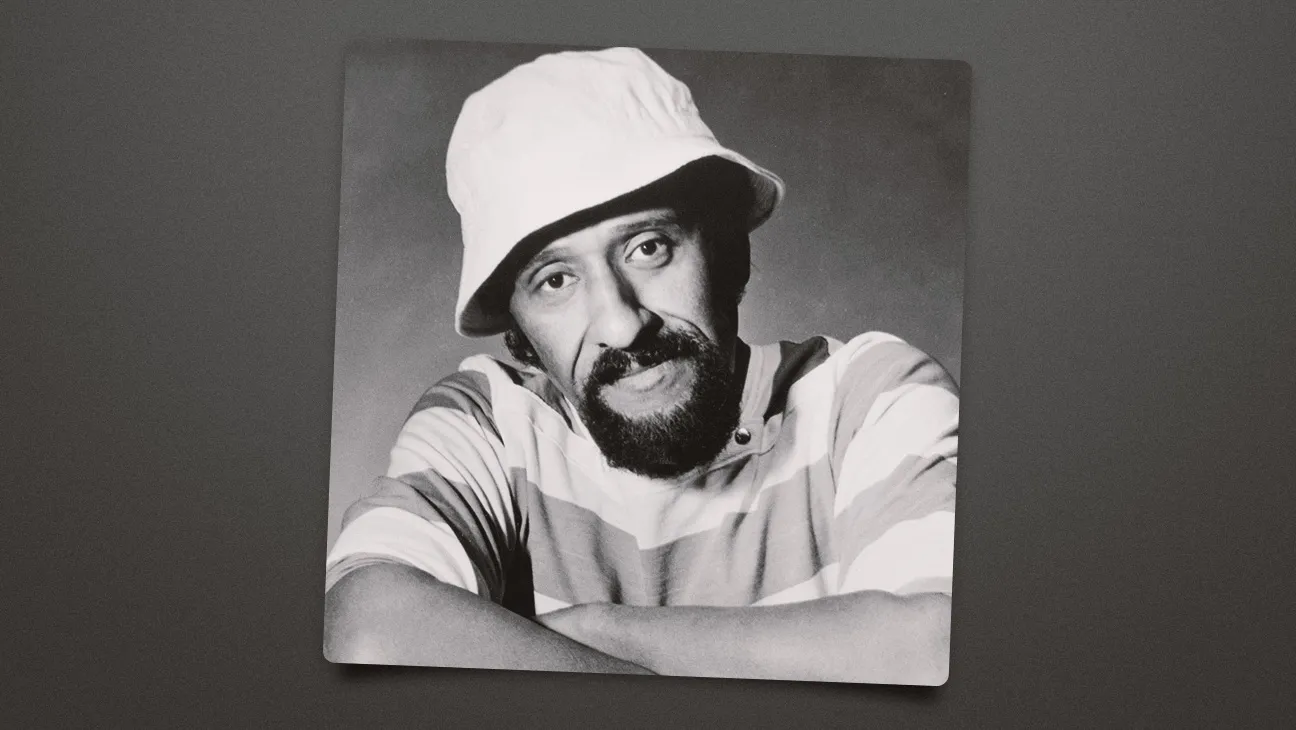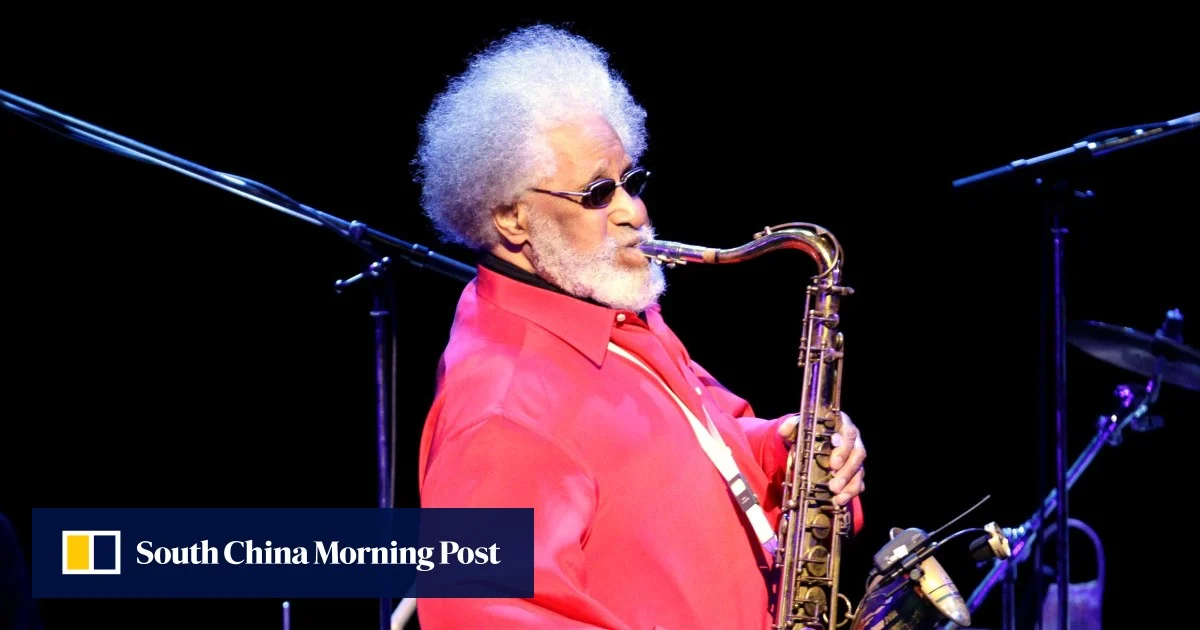
Lord – use my troubles to bring beautiful harmony to my lifeLord – shine your light on every problem I have and show me its beautyThese are two prayers from the notebook of Walter Theodore “Sonny” Rollins, who passed away on May 25 in his home in Woodstock, New York. He was 95 years old, the last of a generation. He was the final surviving member from A Great Day in Harlem. I hung a copy of this photograph on my wall as a teenager and my eyes often drifted to Sonny Rollins and Thelonious Monk in their sunglasses.🎶 Iconic Photo Spotlight — A Great Day in HarlemOn August 12, 1958, photographer Art Kane (1925–1995) captured one of the most legendary images in jazz history—57 musicians gathered on a Harlem stoop for Esquire magazine. pic.twitter.com/3v6fyIKZ3q— Huey K. Bridgeforth (@hkb73) May 18, 2025
Several years ago, I went to Harlem myself to read some of Rollins’s personal papers, which the Schomburg Center for Research in Black Culture acquired in 2017. I was especially interested in Rollins’s extended engagement with India, where he visited for the first time in 1968 during one of his self-imposed sabbaticals from public performance. While his hiatus from 1959 to 1962 is ingrained in jazz lore, Rollins took another break between 1968 and 1971, during which he spent time studying yoga at an ashram in Bombay.At the peak of the Vietnam War and backlash against the Civil Rights movement, he got to the essence of his decision: “In order to avoid becoming a hateful person, I have to remove myself from this society.” In the same year that Rollins visited India for the first time, he also sought refuge on the outskirts of the city whose Williamsburg Bridge was his second home between 1959 and 1962. A 1968 film shows him practicing with the trees and flowers outside of New York City, where he went to find peace alone, together with nature. When asked why he withdrew from public appearances, Rollins said, “Of course I want to communicate, you know? But it might take being alone to communicate.”