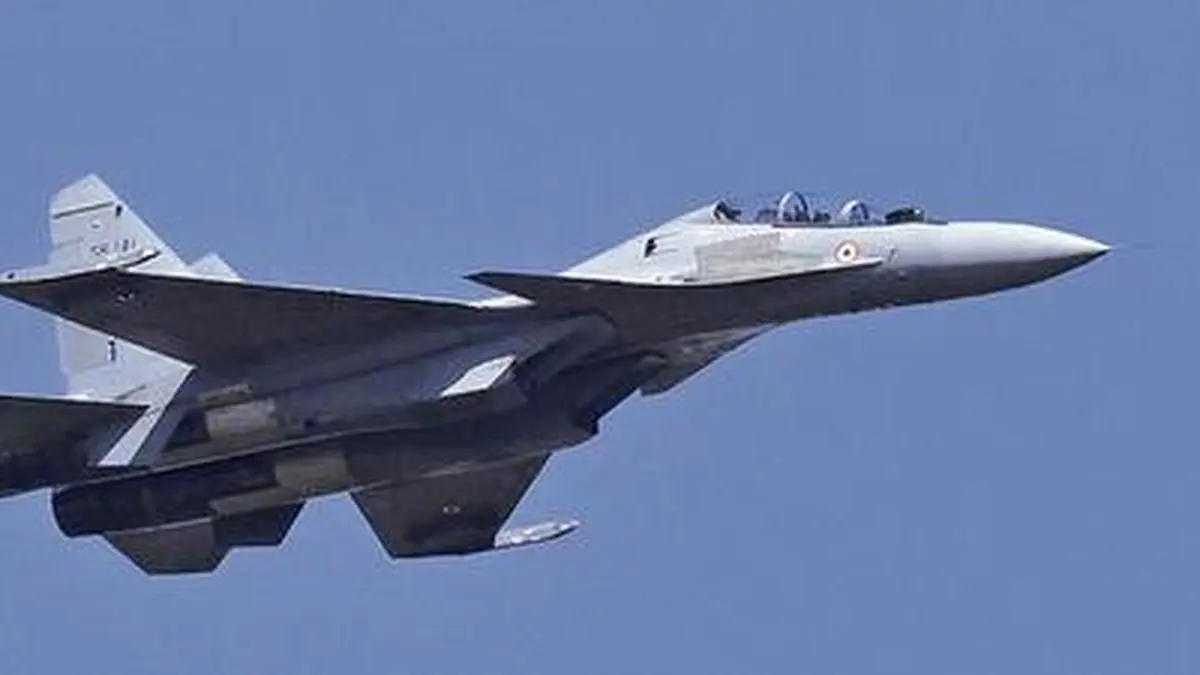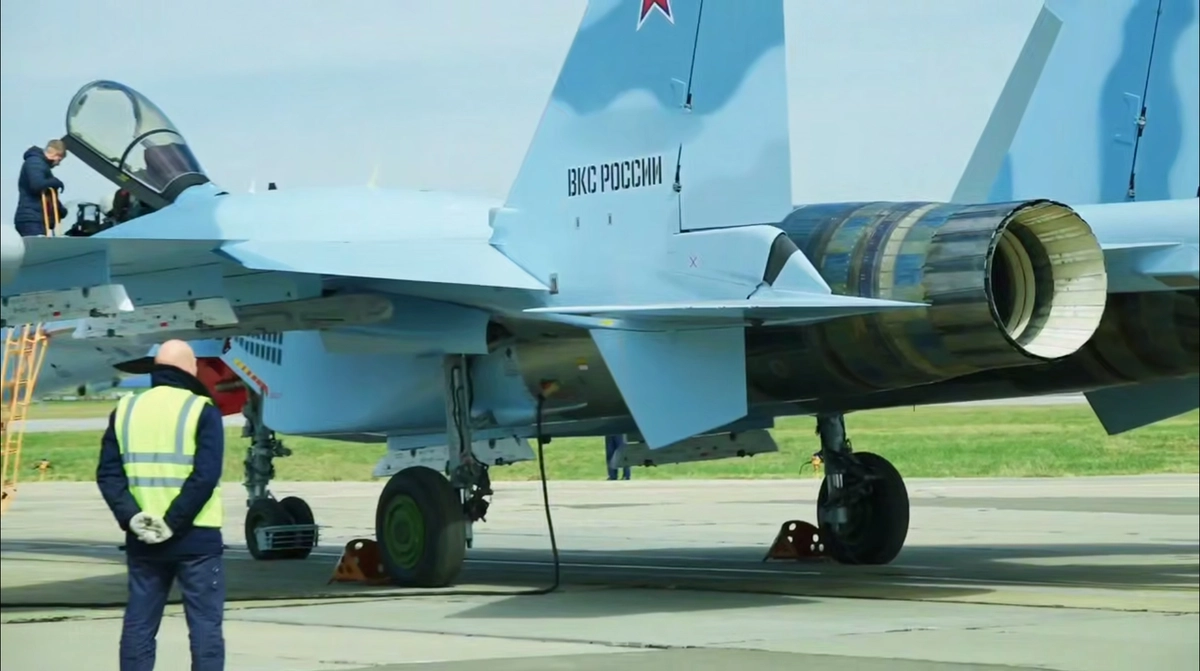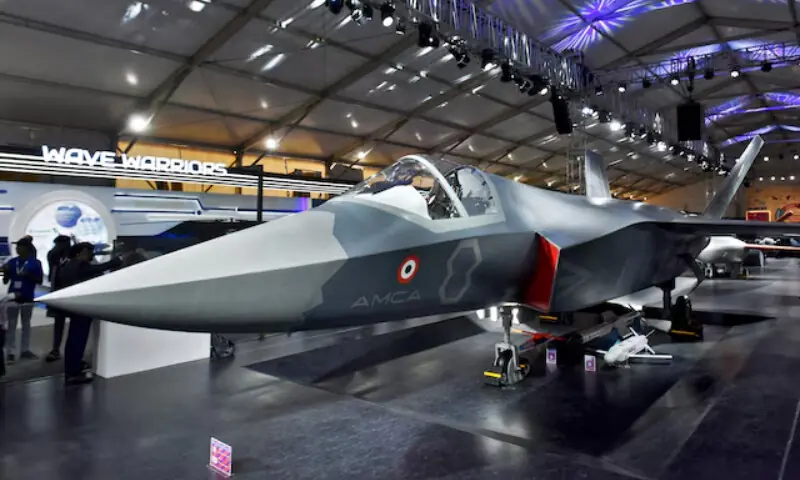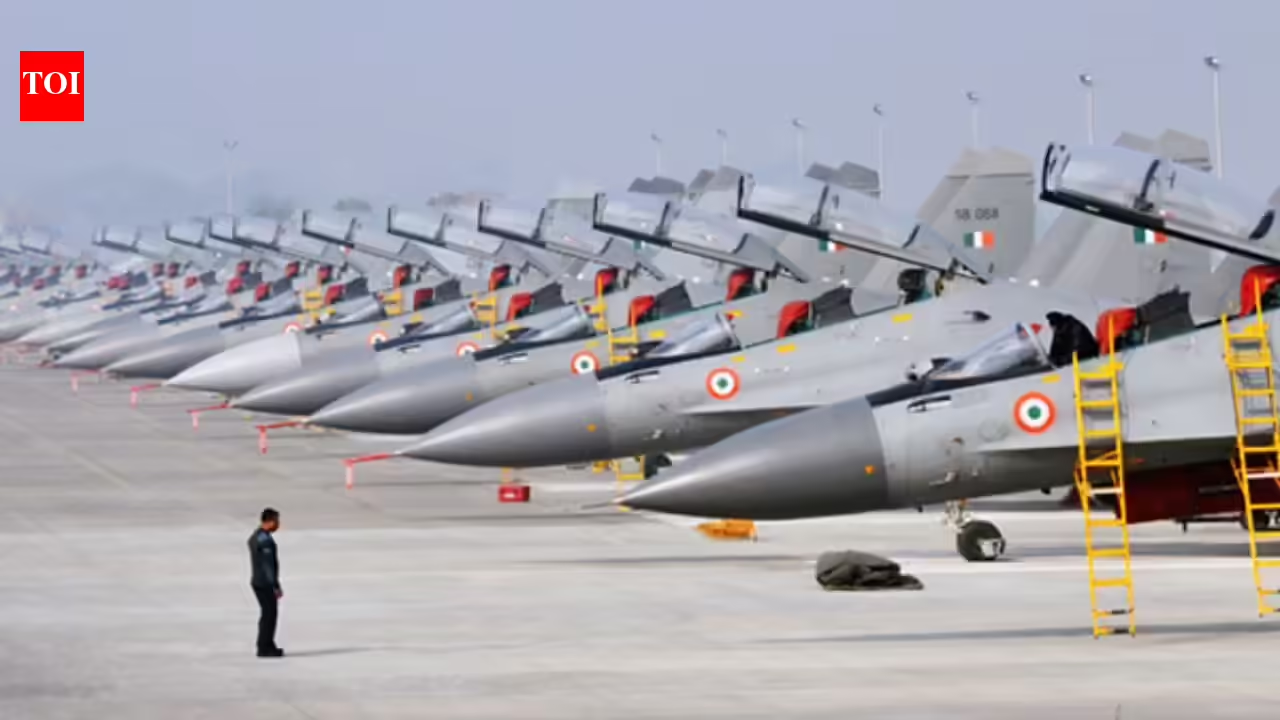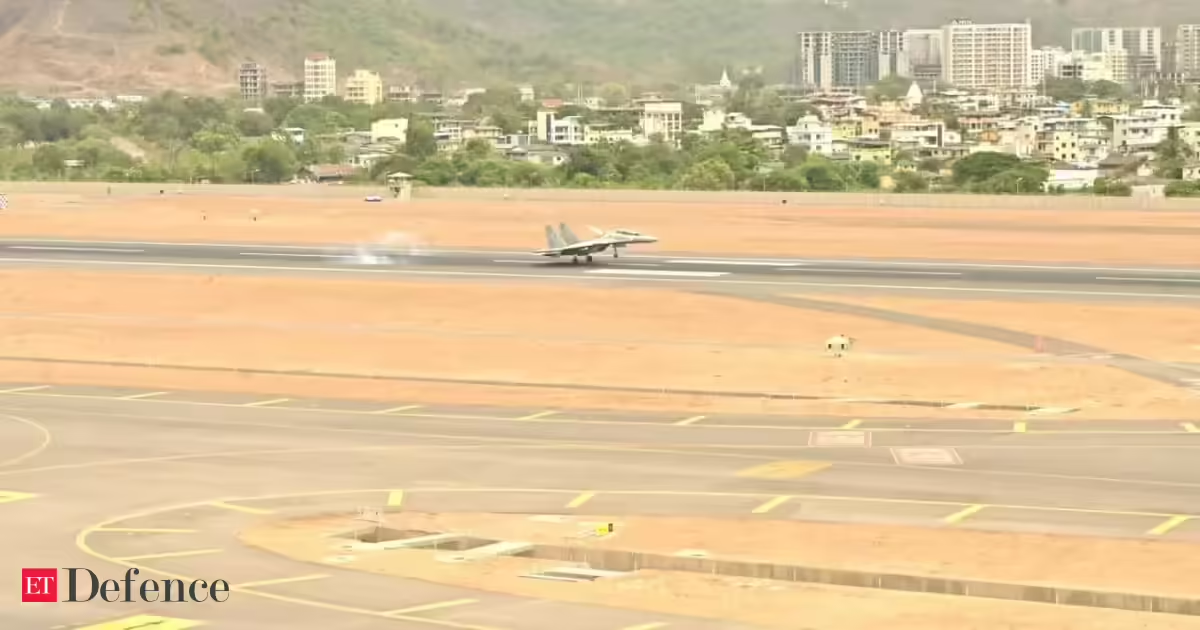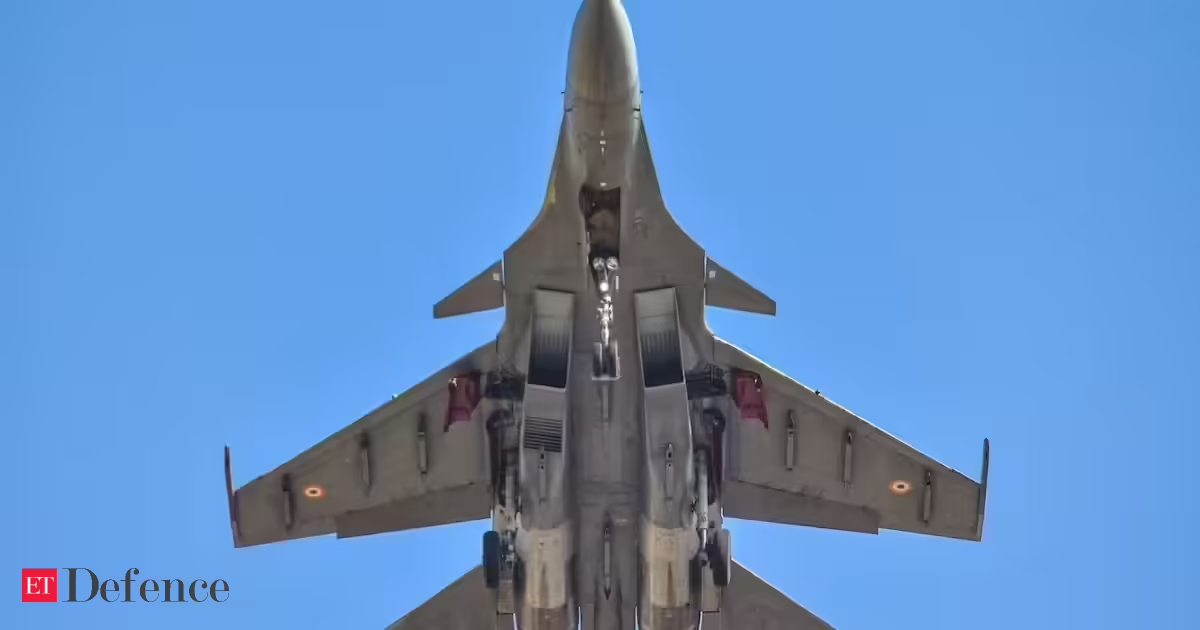
SynopsisSu-30MKI jets' upgrade news: The Indian Air Force is upgrading its Su-30MKI fighter jets. A new advanced GPS antenna will enhance electronic warfare capabilities. This upgrade will protect against jamming and spoofing. The system will work with multiple satellite constellations, including India's NaVIC. This modernization is part of the Super Sukhoi program. The project aims to boost the fighter jets' performance and reach.PTIA file image of a Su-30 MKISu-30MKI jets will get a major technical upgrade to strengthen the electronic warfare capabilities of the Indian Air Force’s frontline fighter fleet, with the defence ministry issuing a request for proposal (RFP) to upgrade the jets with advanced anti-jamming and anti-spoofing multi-constellation GPS antennas, reported TOI's Surendra Singh.As per the TOI report, jamming and spoofing are key forms of electronic warfare. While jamming blocks or disrupts signals from reaching the receiver, spoofing involves sending false signals to mislead navigation systems.The upgrade is part of the wider “Super Sukhoi” modernisation programme for the IAF’s Su-30MKI fleet, which currently includes over 250 aircraft and forms the backbone of India’s combat air power.The new antenna system will allow the fighter jets to simultaneously access multiple satellite navigation networks, including India’s NaVIC system, GPS, GLONASS, BeiDou, Galileo and GAGAN. This is expected to improve navigation accuracy, survivability and operational capability in contested environments.According to the RFP, the system must function across the aircraft’s full operational range, including altitudes up to 21 km, speeds of Mach 1.5 and acceleration levels between -2g and 9g.The ministry has sought delivery of 300 antenna systems, along with 50 field-level testers and 10 base-level testers. The project is to be completed within 24 months of signing the contract. Bids must be submitted online by June 22, 2026, while technical bids will be opened the following day.What is 'Super Sukhoi'?The “Super Sukhoi” modernisation programme is being led by Hindustan Aeronautics Limited (HAL) and Defence Research and Development Organisation (DRDO), with support from the Russian original equipment manufacturer (OEM), to significantly upgrade the capabilities of the Su-30MKI fighter fleet.At the heart of the upgrade is the new Gallium Nitride-based Virupaksha AESA radar, considered the most critical enhancement. The advanced radar is expected to boost detection range by nearly 50% while offering stronger resistance against enemy jamming systems.The fighter jets will also receive an advanced electronic warfare suite aimed at improving survivability in hostile environments. This includes indigenous systems such as the Dhruti next-generation radar warning receiver and an external Airborne Self Protection Jammer (ASPJ).The cockpit will be modernised with a new mission computer, upgraded digital displays and enhanced sensor fusion capability, enabling pilots to process battlefield information more efficiently.To strengthen network-centric warfare capabilities, the aircraft will also be equipped with secure new-generation data links for real-time sharing of information with AWACS aircraft and ground-based radar systems.The upgraded Su-30MKI fleet is also expected to carry a wider range of indigenous stand-off weapons and long-range missiles, including newer versions of the Astra missile and the supersonic BrahMos missile.Around 84 aircraft are expected to be upgraded in the first phase, followed by nearly 200 more fighters under a broader modernisation effort involving around 51 system upgrades.The programme reflects a wider global trend in which major air forces continue investing heavily in advanced fourth-generation fighters despite the rise of fifth-generation stealth aircraft. The United States Air Force, for instance, continues to induct and modernise the F-15EX Eagle II fleet.The importance of the Su-30MKI fleet was demonstrated during Operation Sindoor last year, reinforcing its role as the backbone of the Indian Air Force’s combat capability. With the planned upgrades, the aircraft is expected to remain a critical part of the IAF fleet well into the 2050s.As warfare increasingly shifts towards drones, loyal wingmen and network-centric combat systems, the Su-30MKI is expected to evolve beyond a conventional fighter jet into a multi-role combat platform integrated into a larger future warfare ecosystem.(with TOI inputs)Read More News on
'Su-30MKI' upgrade: Op Sindoor hero to get big anti-jamming update under 'Super Sukhoi' programme
Su-30MKI jets' upgrade news: The Indian Air Force is upgrading its Su-30MKI fighter jets. A new advanced GPS antenna will enhance electronic warfare capabilities. This upgrade will protect against jamming and spoofing. The system will work with multiple satellite constellations, including India's NaVIC. This modernization is part of the Super Sukhoi program. The project aims to boost the fighter jets' performance and reach.
647 words~3 min read