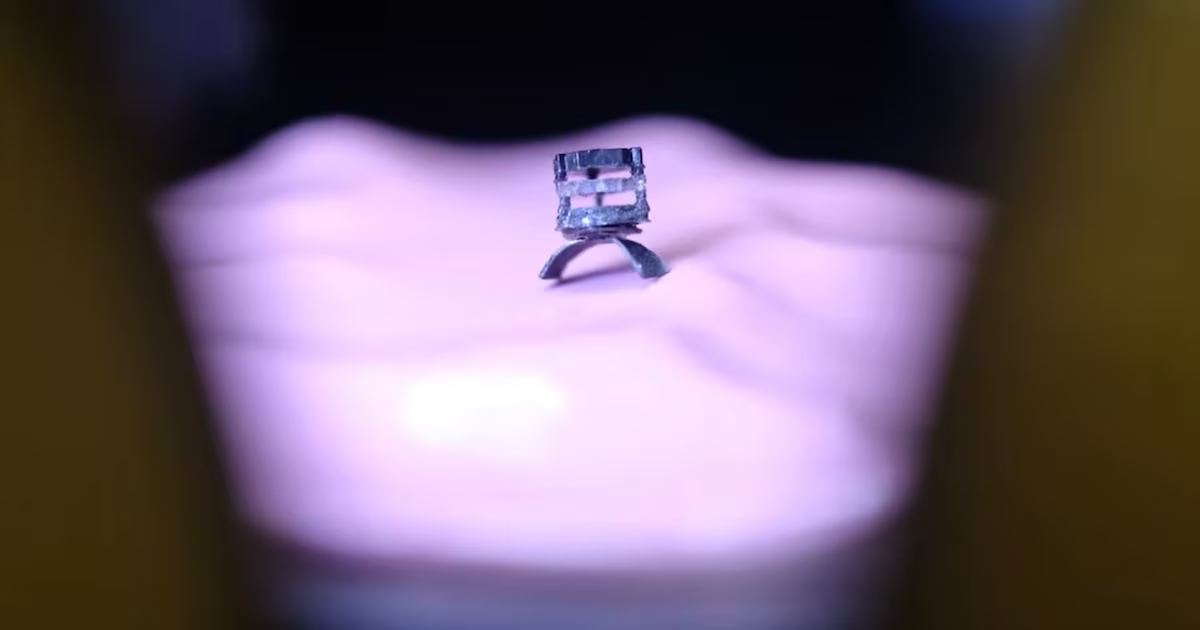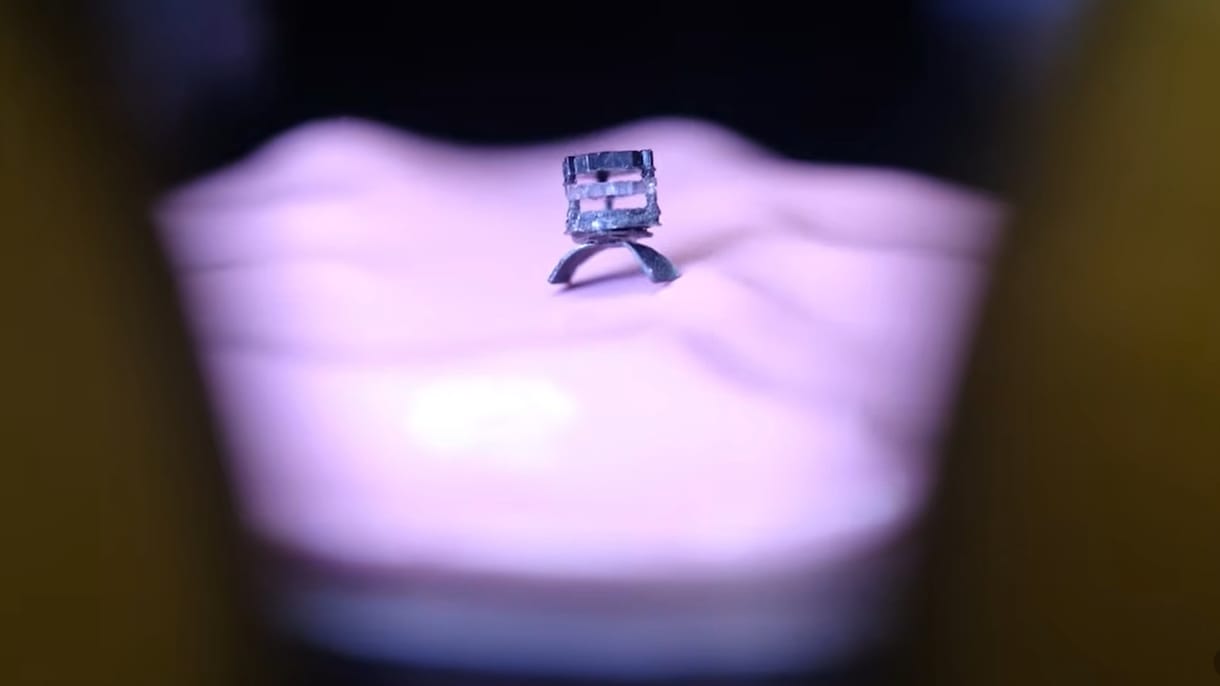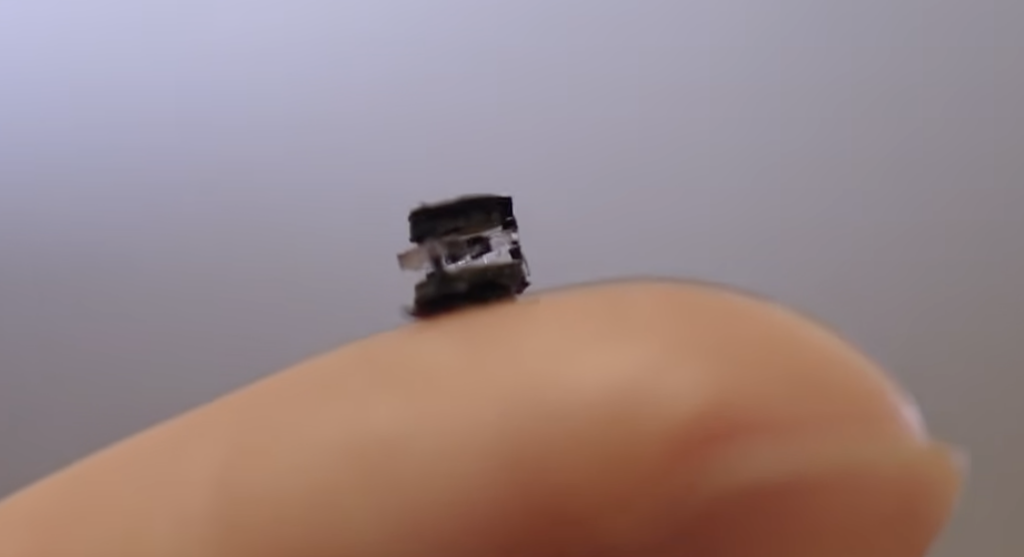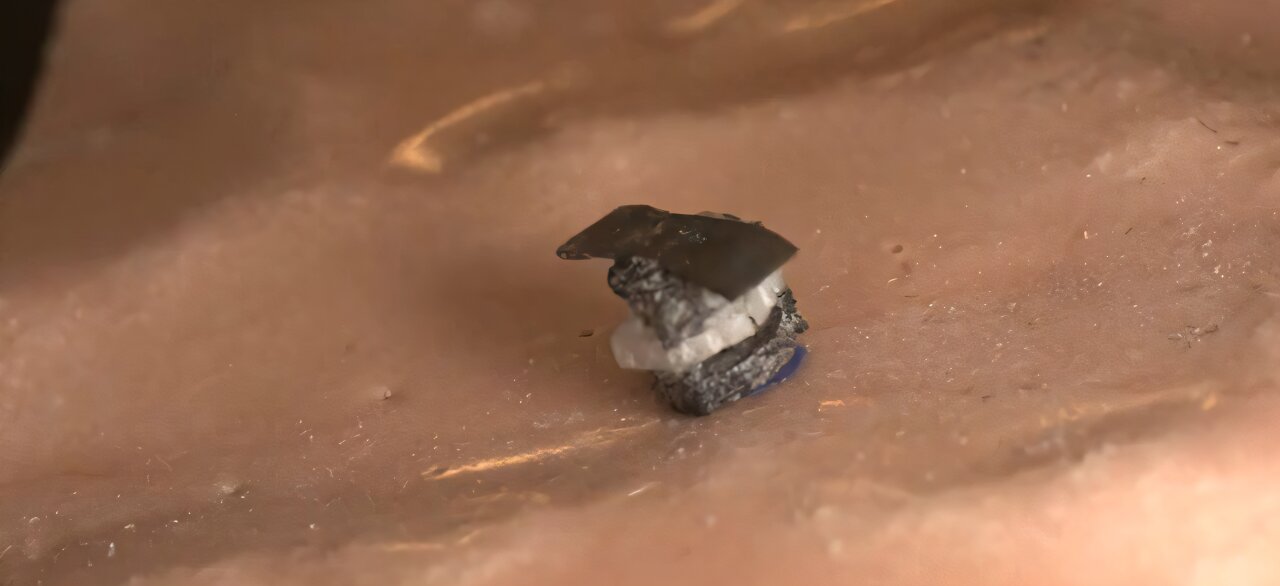
Scientists from Nanyang Technological University, Singapore (NTU Singapore) have developed a tiny seed-sized robot that can navigate across soft and uneven surfaces to perform five surgical functions wirelessly, paving the way for developing robots to make surgeries and medical treatments more precise.
The miniature robot, measuring just 4.4 mm in length and controlled by weak magnetic fields, can move, cut biological tissues, release drugs, grip and store tissue samples, or generate heat remotely at any one time. It takes under a second to switch between these functions.
Led by Associate Professor Lum Guo Zhan from NTU's School of Mechanical and Aerospace Engineering (MAE), the work was published in the journal Advanced Materials.
Using magnetic coils in the laboratory to remotely control the robot, the team was able to make the robot deploy different tools and perform different functions, such as activating a tiny blade to cut through tissue, or emitting heat to a targeted area, which could be relevant for approaches being studied that use heat for cancer treatment.
"Most magnetic robots like this can perform only one or two functions. Our latest invention can now do five, and our long-term goal is for doctors to use these mini robots in the body, navigate them to a targeted location, and use them to perform treatments," said Assoc Prof Lum, who is a pioneer in miniature robots made from soft, flexible materials.