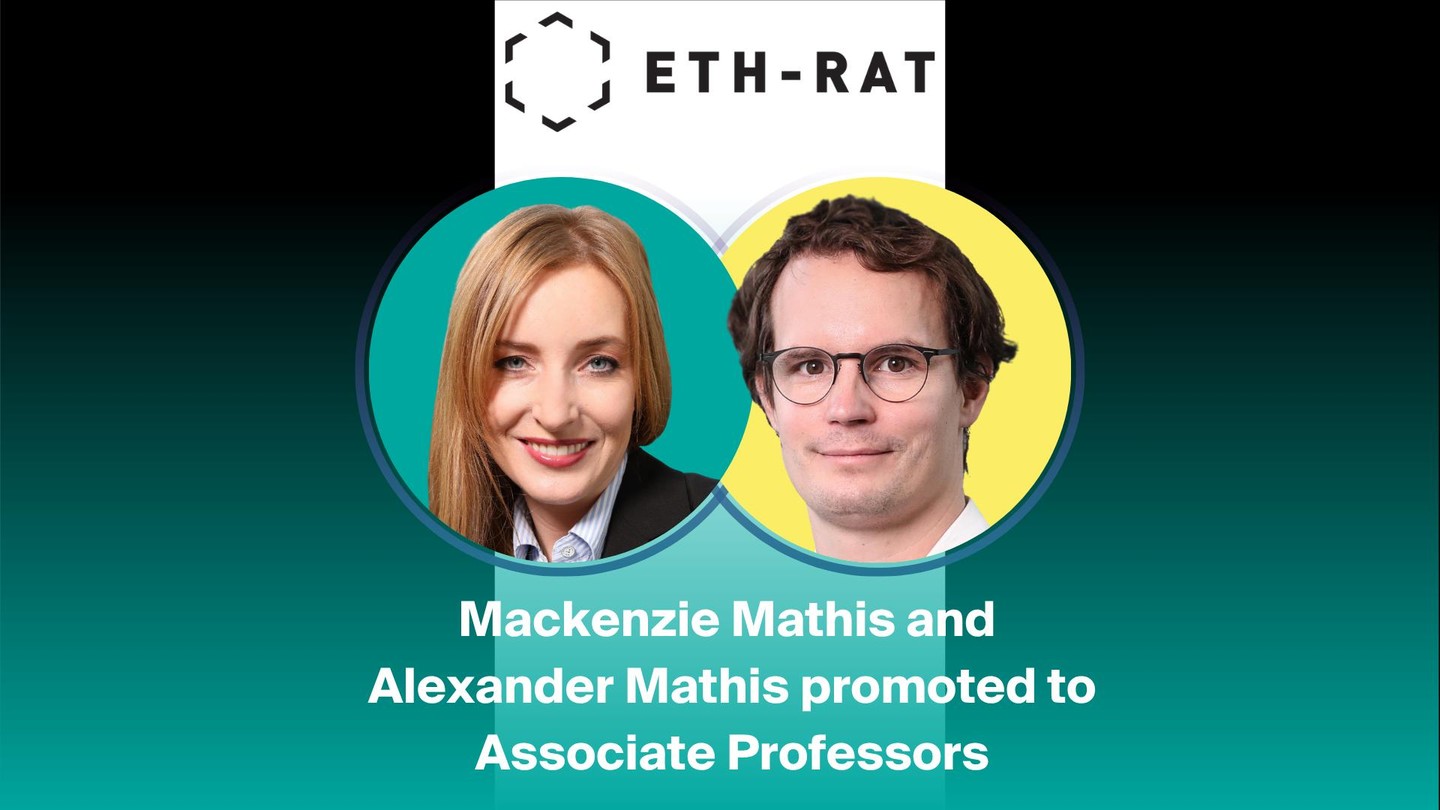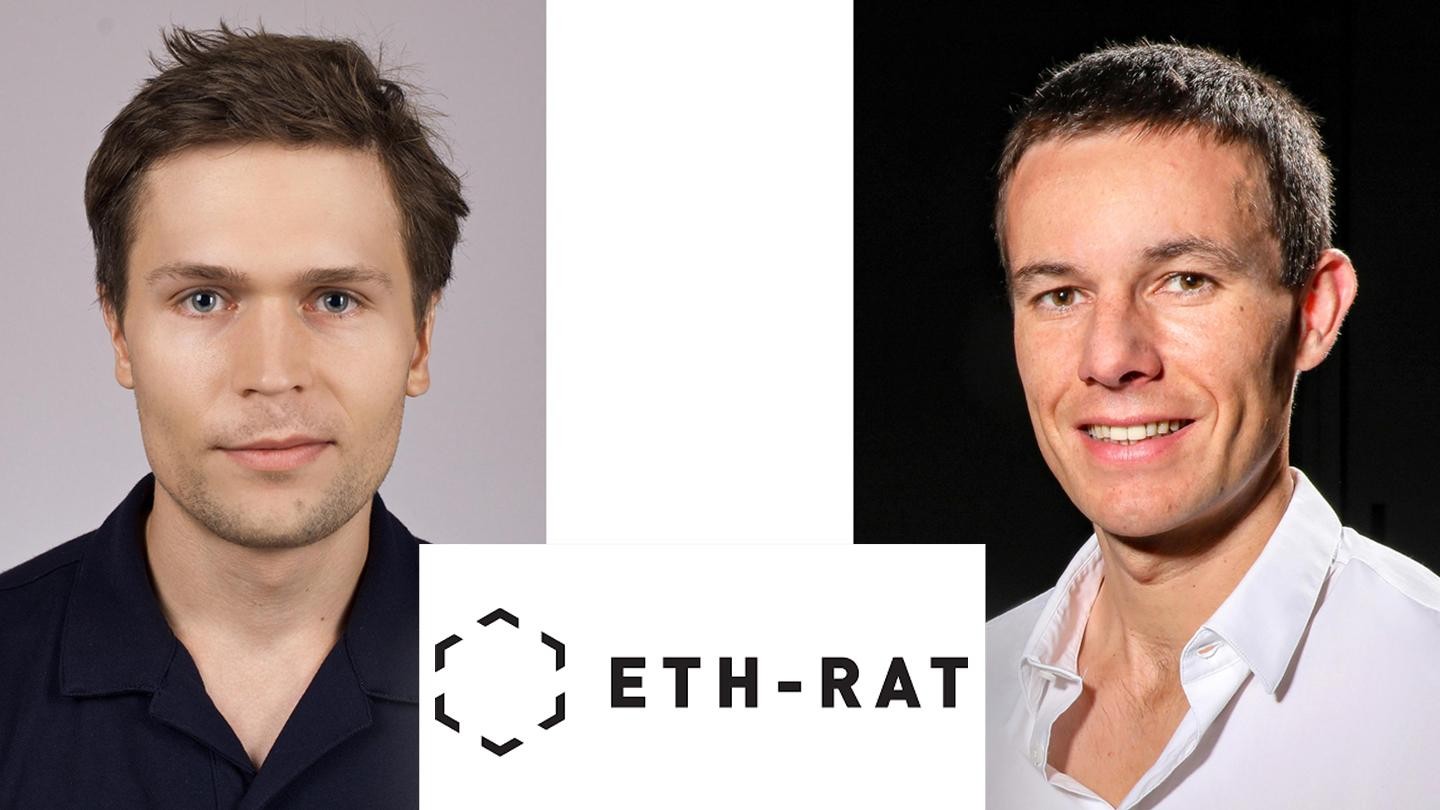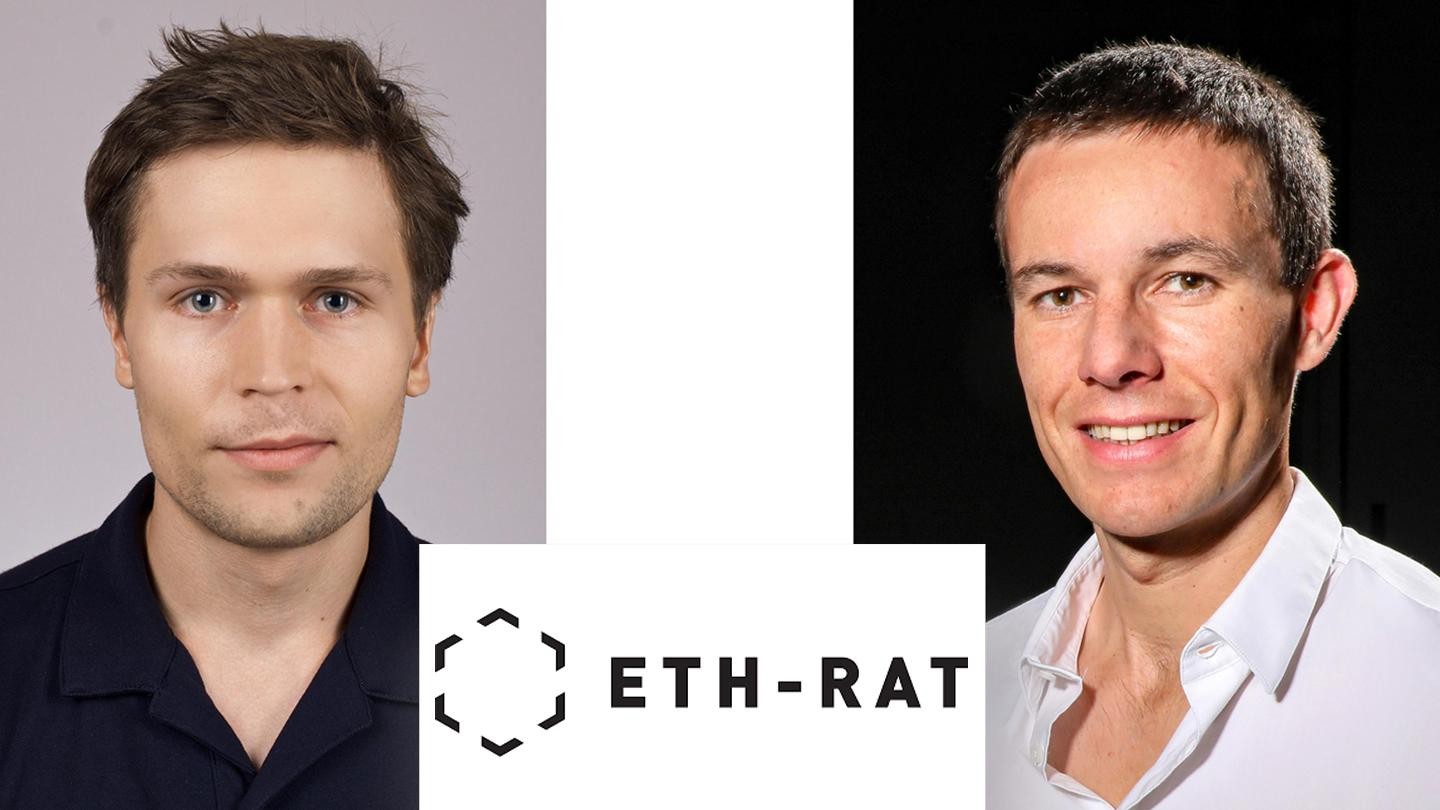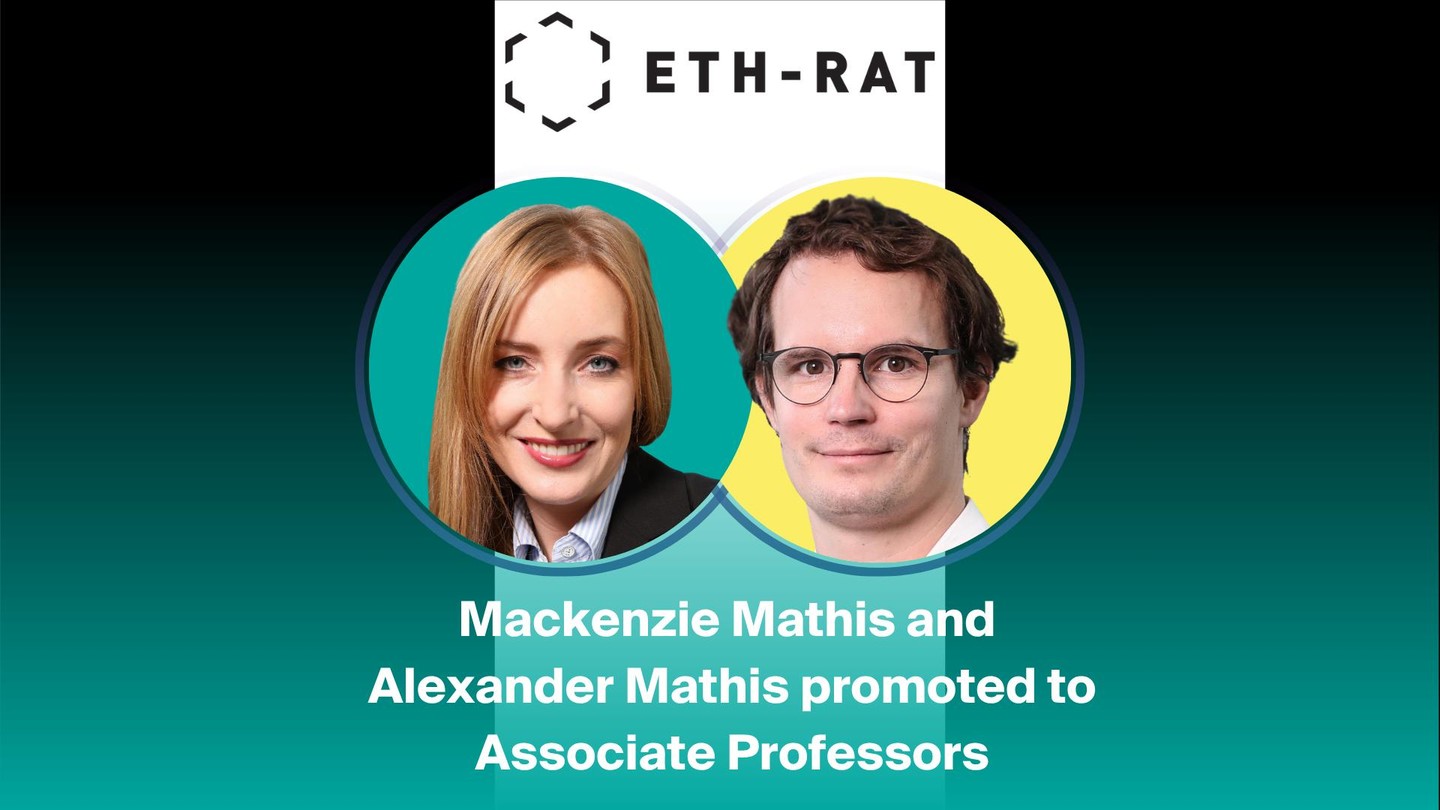
The Board of the Swiss Federal Institutes of Technology has announced the appointment of professors at EPFL. Among them, Alexander Mathis and Mackenzie Mathis (BMI) are promoted to Associate Professors.© 2026 EPFLProfessor Alexander Mathis, currently Tenure Track Assistant Professor at EPFL, as Associate Professor of Life Sciences in the School of Life Sciences (SV) (Biotech Campus, Geneva). Alexander Mathis works at the interface between computational neuroscience and machine learning. The aim of his research is to develop tools for analysing complex behaviours and achieve a better understanding of their neural basis. He co-developed the open source software DeepLabCut, which is used for investigating animal movements in videos without the use of obtrusive markers; this has made a significant contribution to understanding the motor control system. His work makes use of a wide range of skills, from software development and machine learning to computational neuroscience. Alexander Mathis is an internationally renowned scientist and lecturer who is a great asset to teaching at EPFL.© 2026 EPFLProfessor Mackenzie Mathis, currently Tenure Track Assistant Professor at EPFL, as Associate Professor of Life Sciences in the School of Life Sciences (SV) In her research, Mackenzie Mathis aims to understand the neural circuits and computational processes that underlie motor learning and control. She is a co-founder of DeepLabCut, an open source software used for investigating animal movements in videos without the use of obtrusive markers. Mackenzie Mathis went on to develop the CEBRA algorithm, for analysing how neural circuits affect movement in parts of the body. This new tool enables behaviours to be linked to large-scale recordings of neural activity. Among other awards, Mackenzie Mathis received an ERC transition grant from the SNSF for her research programme, and won the Swiss Science Prize Latsis in 2024.
Mackenzie and Alexander Mathis promoted to Associate Professors
The Board of the Swiss Federal Institutes of Technology has announced the appointment of professors at EPFL. Among them, Alexander Mathis and Mackenzie Mathis (BMI) are promoted to Associate Professors.
290 words~1 min read