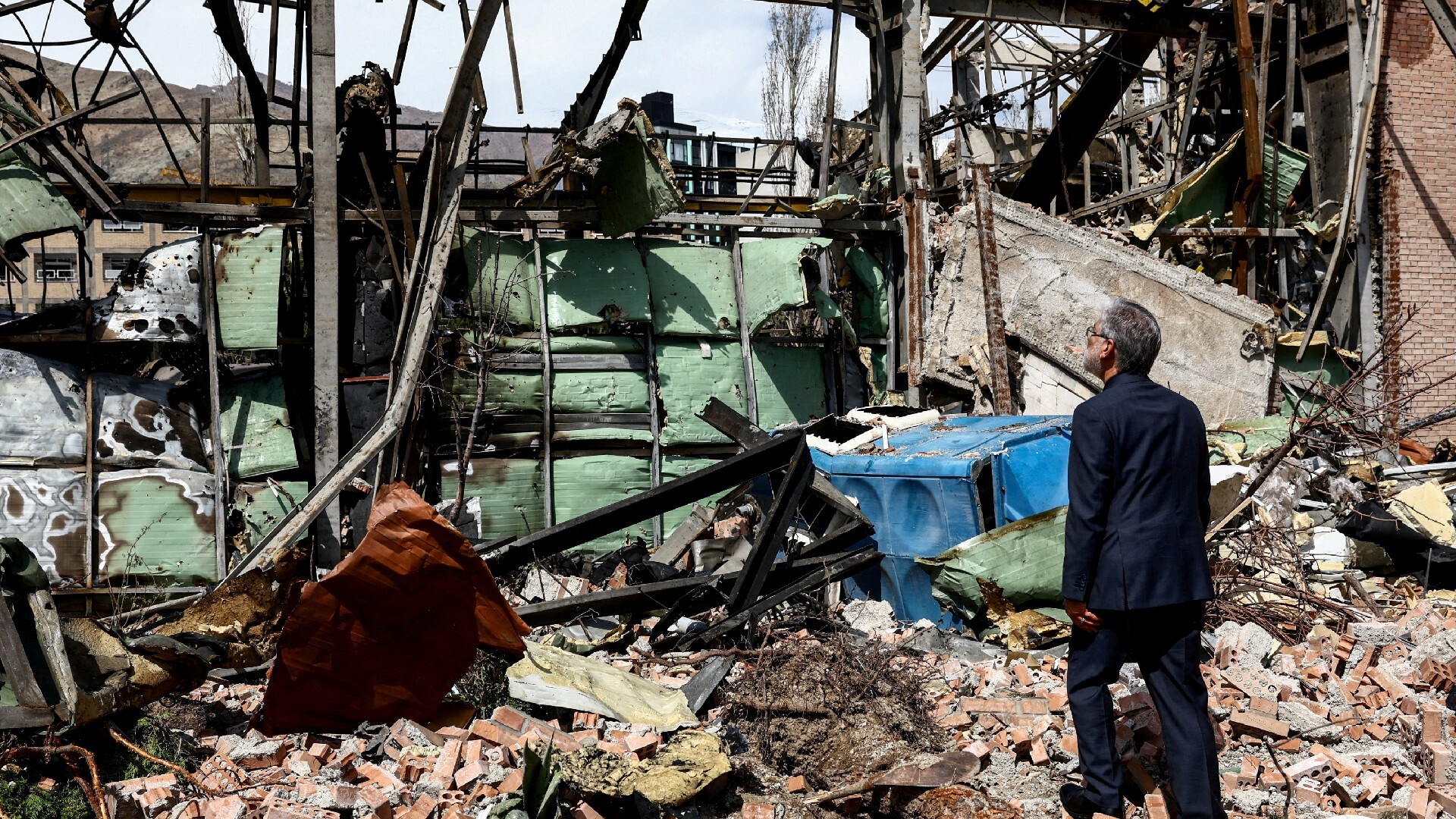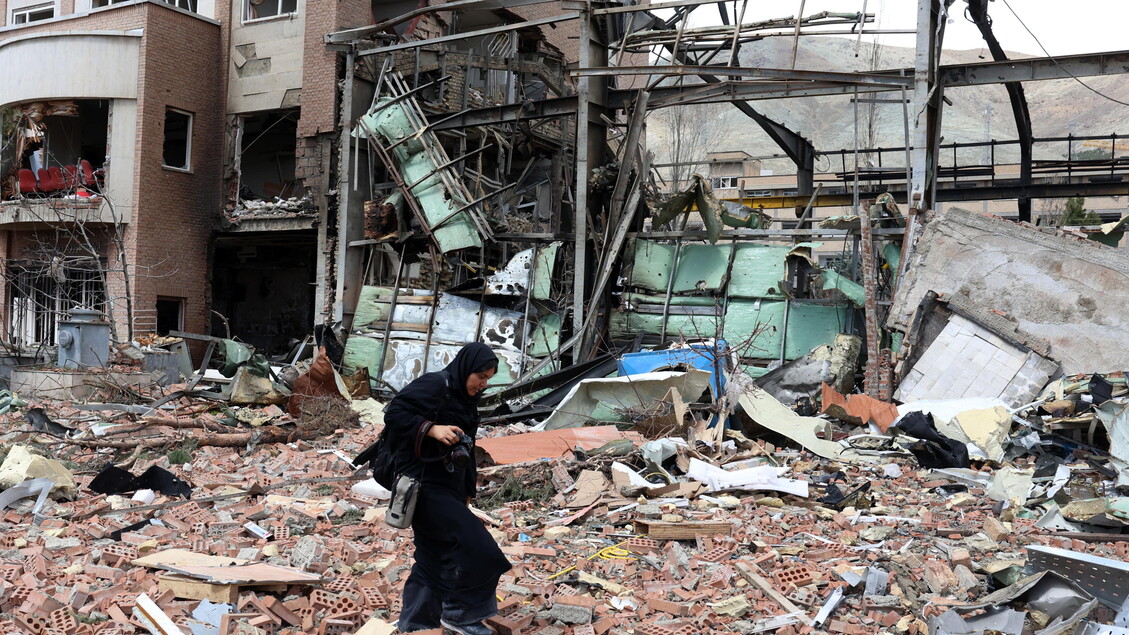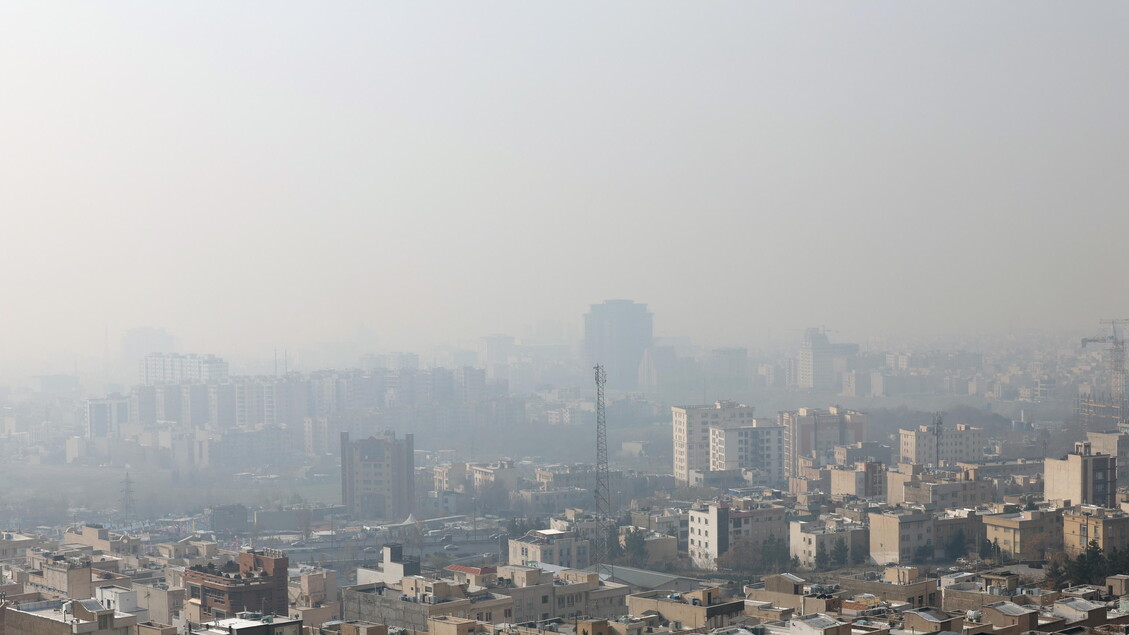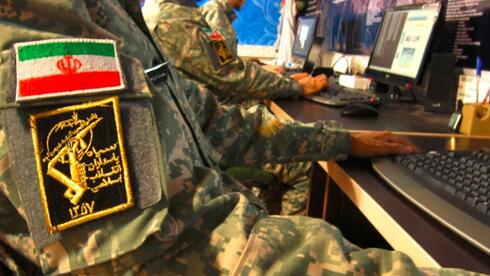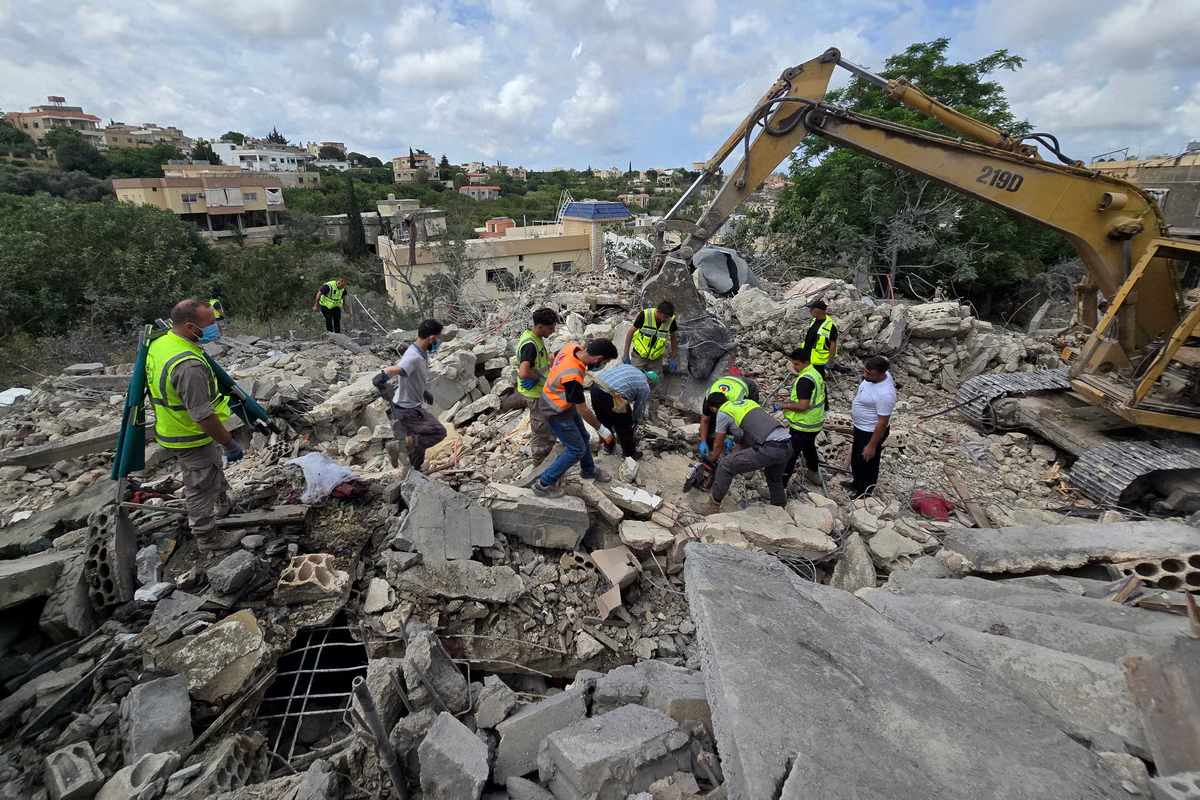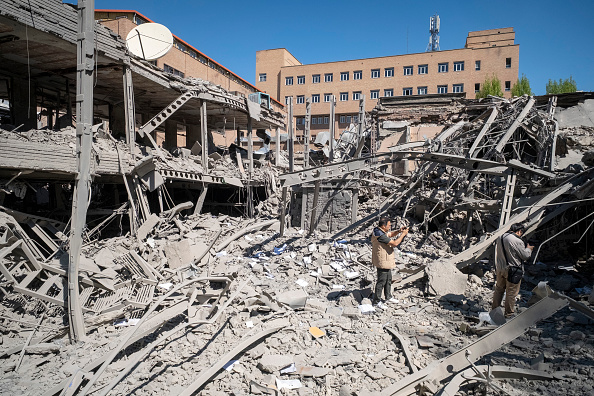
As they rebuild after the recent strikes by US and Israeli forces, should Iranian universities distance themselves from research areas that could attract future military targeting?
This question was raised in a recent article in Times Higher Education, in recognition of the fact that Iranian universities, research centres and scientists had been targeted because of their alleged relevance to Iran’s nuclear programme.
But the idea that the burden of avoiding attack lies with universities is deeply troubling. This is precisely the wrong starting point. Under international humanitarian law, universities – in Iran as much as anywhere else – are civilian institutions. Their protection does not depend on how powerful actors choose to label their research. It depends on one question only: whether they are directly participating in military operations. And this is a deliberately high legal threshold.
Dual-use research does not count. And that is just as well because it is it is far from an exceptional undertaking confined to Iran. Degrees of academic autonomy vary, and in some countries researchers face greater political and security pressures than in others. But the structural entanglement of universities with state interests is universal.