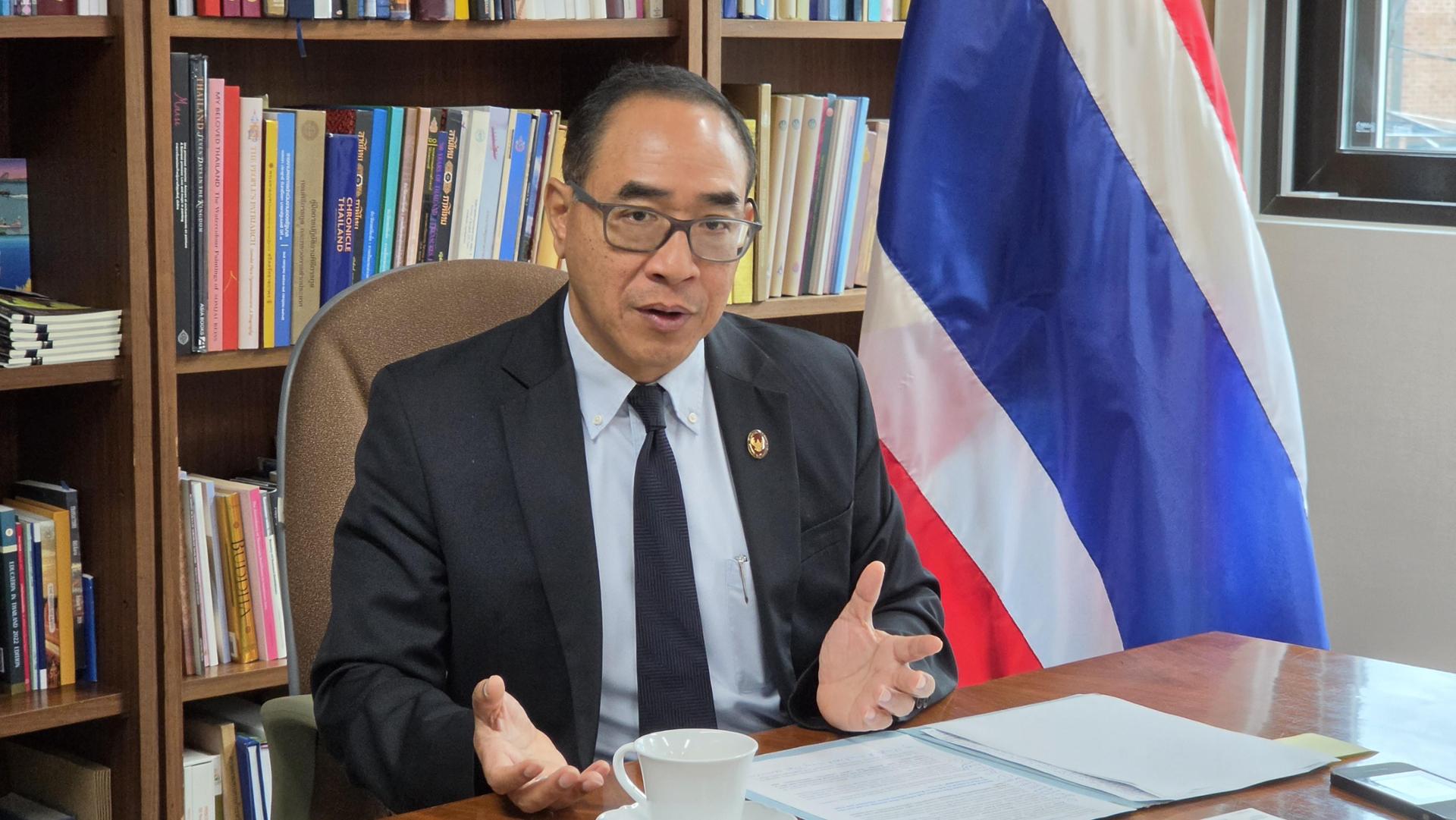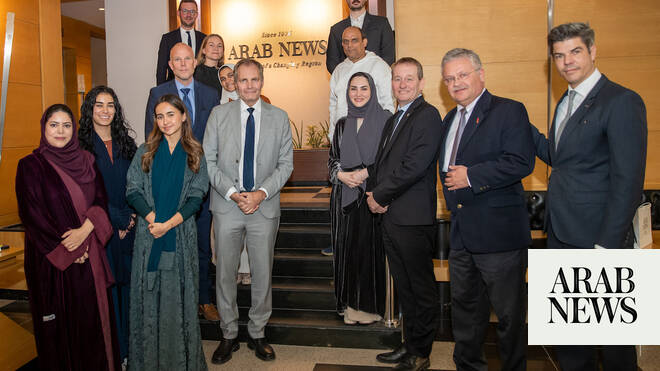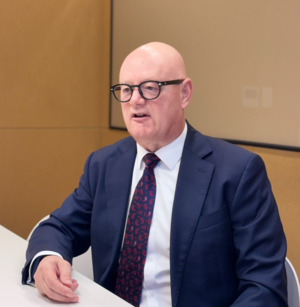
Chamber launches with 34 member firms as Denmark, Korea deepen cooperation in green energy, shipping, tech Jan Benggaard, chairman of the Danish Chamber of Commerce in Korea, speaks during an interview with The Korea Herald in Seoul on May 21. (No Kyung-min/The Korea Herald) Until recently, Denmark was one of the few European countries without its own chamber of commerce in Seoul.That changed Tuesday with the launch of the Danish Chamber of Commerce in Korea, a move inaugural chairman Jan Benggaard sees as reflecting deepening economic ties and growing business opportunities between the two countries.The chamber launches with 34 member companies, including Maersk, Novo Nordisk, Copenhagen Offshore partners, CS Wind and Lego, as Korean industrial capabilities gain importance in Danish companies’ broader Asia strategies."There is tremendous potential in closer cooperation between Korea and Denmark," Benggaard said in an interview with The Korea Herald ahead of the chamber's launch. He has worked in Korea since 1998 and is now president of Oerlikon South Korea. Oerlikon is a global leader in surface technologies and advanced materials.According to the chairman, Korea is already extremely popular in Denmark, both commercially and culturally, with the interest and respect running both ways."Korea is developing into not only a high-tech development hub but a powerhouse in certain businesses," Benggaard said of a market he believes can serve as a springboard into the Asia-Pacific region.The biggest opportunities lie in combining the two countries' strengths across pharmaceuticals, maritime decarbonization and sustainable food — areas where Danish companies have already built strong positions. The next wave could center on carbon reduction and energy transition.Korea's manufacturing scale and Denmark's decades of renewable energy experience make the two countries natural partners for what comes next."Danish industry is pioneering offshore wind and has been doing so for more than 30 years in Europe," he said. "Now we have developers and suppliers already established in Korea, serving and supporting the targets of the Korean government."Korea's plan to build 10.5 gigawatts of offshore wind capacity by 2030 has already created opportunities for Danish companies such as Vestas and Copenhagen Offshore Partners, while emerging sectors such as small modular reactors could open new areas of cooperation.Operating in Korea comes with its share of challenges, from a shrinking workforce and tightening labor supply to growing competition from regional rivals such as Hong Kong and Singapore.Benggaard, however, considers the country's fundamental strengths intact. "The speed of implementation in Korea is extremely impressive," he said.On labor issues such as the so-called Yellow Envelope bill, Benggaard said foreign companies were closely watching Korea's evolving regulatory landscape, though businesses ultimately "have to follow the law." Many remain in a "wait-and-see" mode, he added. The Yellow Envelope bill extends contractor liability for subcontracted workers and broadens the scope of permissible labor disputes.In the years ahead, Benggaard envisions the DCCK becoming more than a traditional business network, growing into a lasting institution that connects companies, executives and Danes living and working in Korea."The long-term ambition is for the DCCK to become a permanent and trusted platform for Danish business in Korea, creating new and meaningful connections not only between companies but also across the wider Danish-Korean community," he said."As a small country, Denmark believes in strong collaboration." Jan Benggaard (third from right, front row) and representatives of member companies pose for a photo at the launch event of the Danish Chamber of Commerce in Korea on Tuesday. (DCCK)
New Danish chamber sees shared industrial future with Korea
Until recently, Denmark was one of the few European countries without its own chamber of commerce in Seoul. That changed Tuesday with the launch of the Danish C
566 words~3 min read