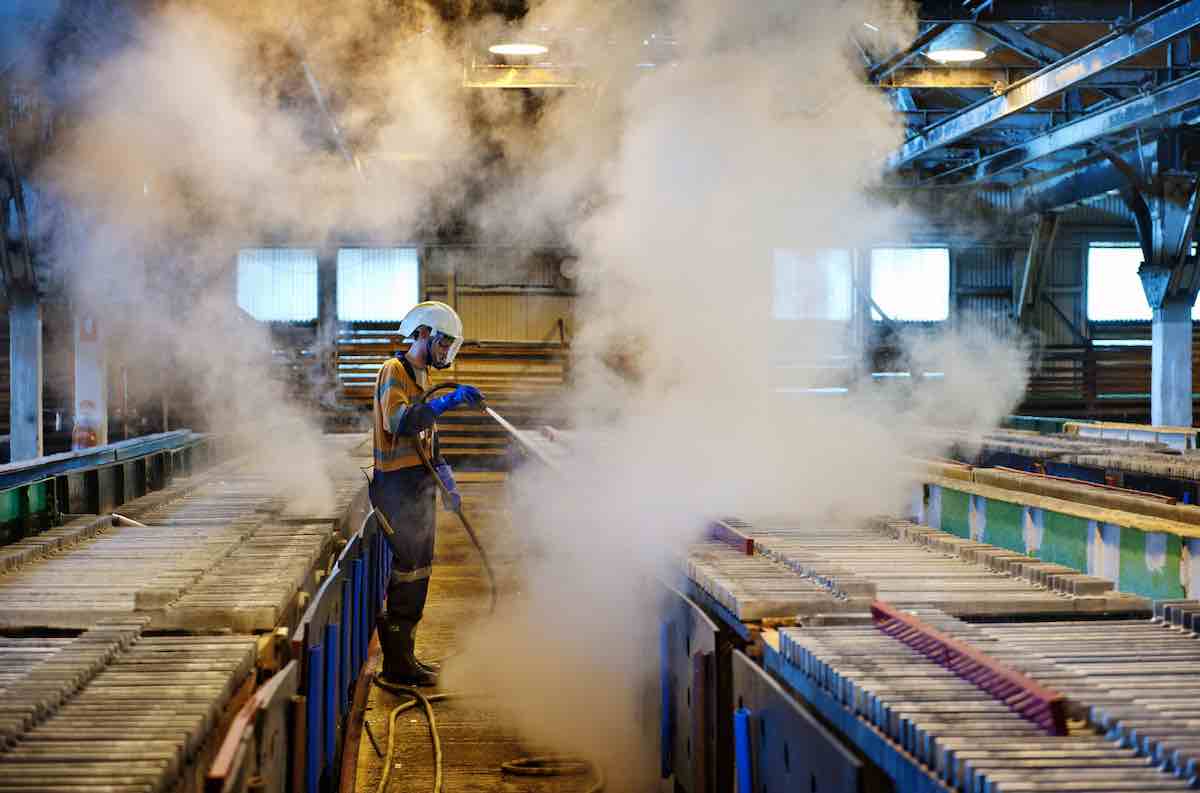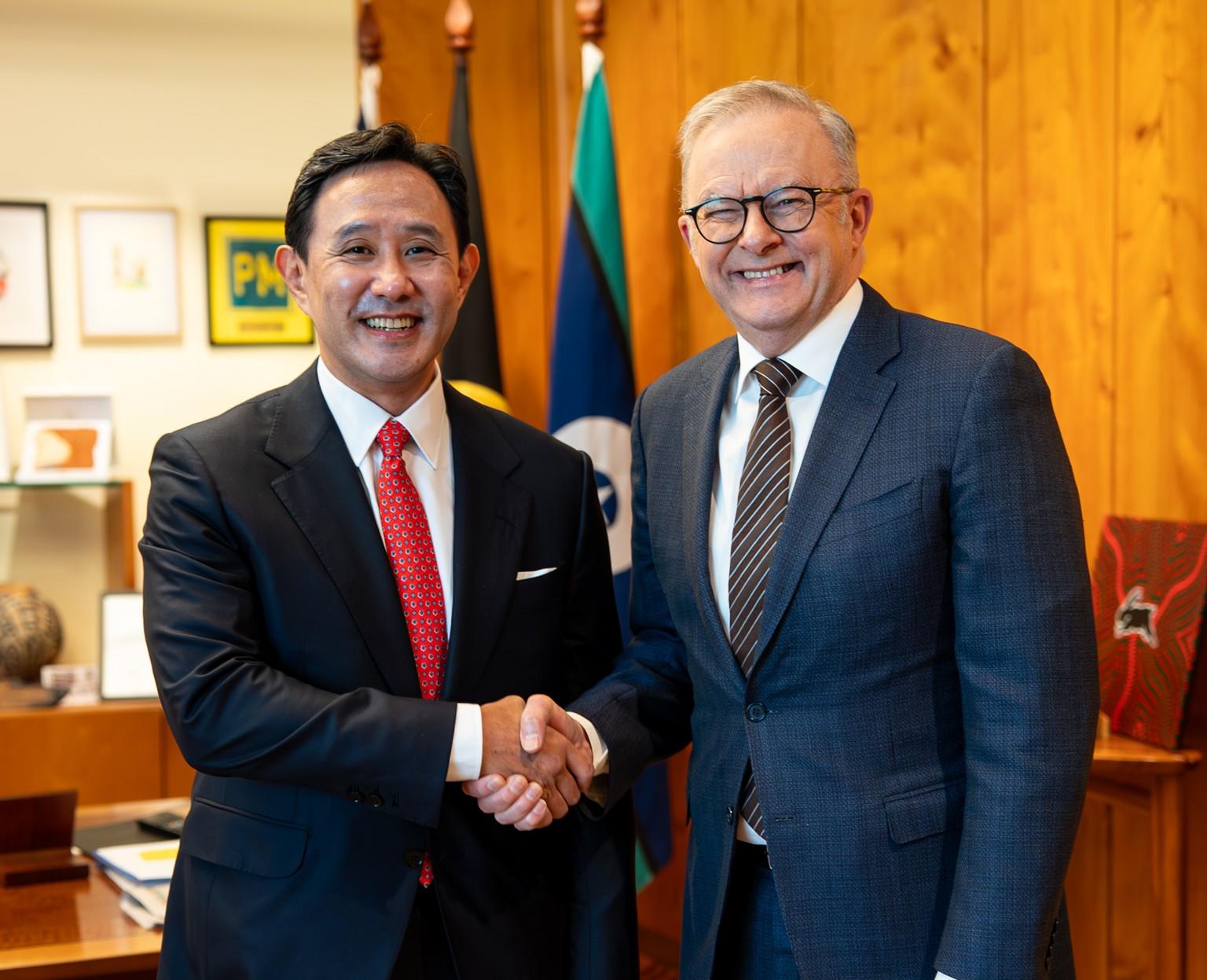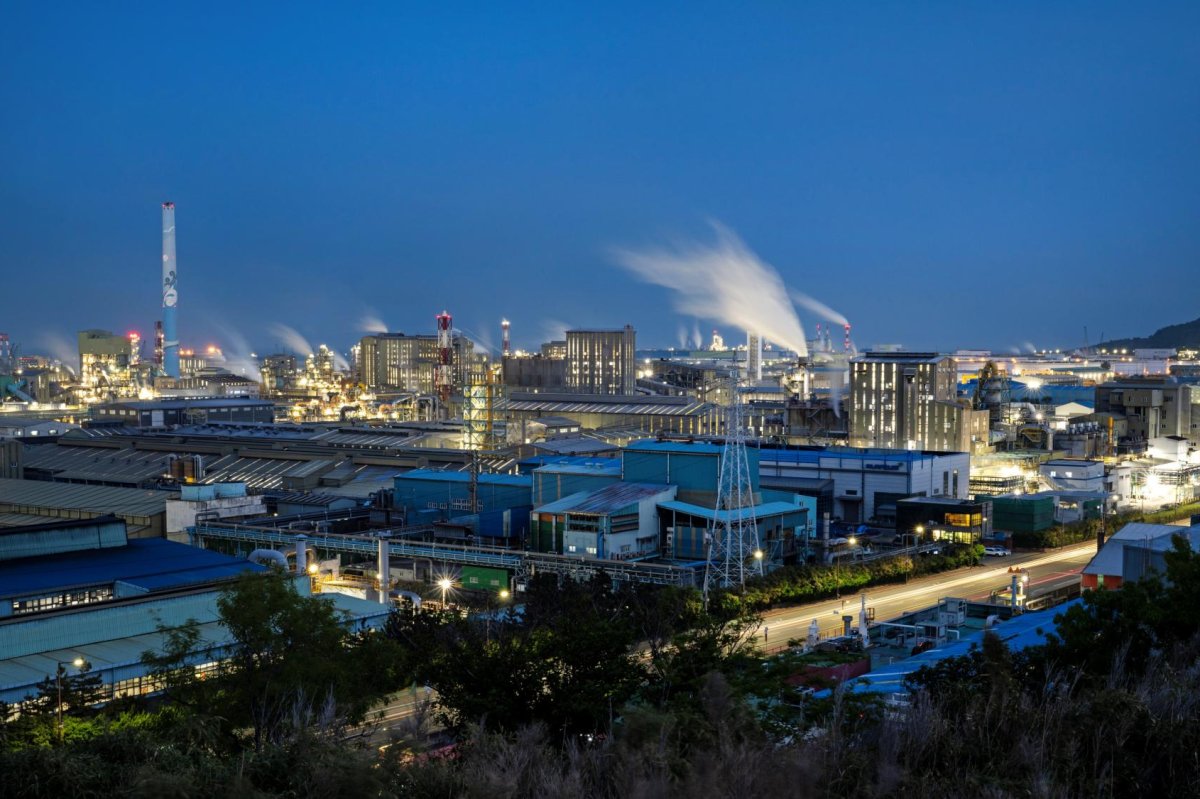
US, Australian officials back allied refining partnership centered on Korea Zinc Korea Zinc's Australian subsidiary Sun Metals Corporation's zinc refinery in Townsville, North Queensland (Sun Metals Corp.) Korea Zinc, the world’s biggest refined zinc smelter, is weighing a potential expansion of its Australian refining operation amid growing calls for a three-way critical minerals supply chain linking South Korea, the US and Australia.Political and business leaders in Townsville, North Queensland, are pushing for Korea Zinc’s Australian subsidiary Sun Metals Corporation to expand into an integrated processing facility covering copper, lead and other critical minerals, according to Australia local media reports on Wednesday.In response, SMC said at the Townsville Enterprises 2026 Mining and Manufacturing Forum on Tuesday that it had acknowledged growing calls from local communities to expand its operations beyond zinc refining and would continue discussions on potential feasibility studies and future development plans.Ron Lee, CEO of SMC, said the company is "seriously considering a request to apply the technological capabilities of Korea Zinc, accumulated through the Onsan Smelter, to North Queensland following ‘Project Crucible,'” Lee was quoted as saying.“This forum will serve as an opportunity to begin concrete discussions to strengthen Australia’s core mineral capabilities.”The proposal comes as Korea Zinc announced last year it would invest $7.4 billion into building a large mineral processing facility in Tennessee, under “Project Crucible," with backing from the US government.Construction is set to start in 2027 with full commercial operations expected by 2029. Once completed, the facility will produce 13 nonferrous metals, including 11 minerals designated as critical by the US government, as well as semiconductor-grade sulfuric acid.At the forum, US officials also signaled support for closer trilateral cooperation between South Korea, the US and Australia.Jeremy Cornforth, the US consul general in Australia, said combining Australia’s mineral resources and mining capabilities with US investment and Korea Zinc’s industrial expertise could create synergies for allied supply chains.Australia is one of the world’s largest producers of lithium and rare earth materials, yet much of its raw materials are processed overseas, predominantly in China. At the same time, the US has moved aggressively to build domestic refining and manufacturing capacity, driven by mounting pressure to reduce its reliance on China amid escalating trade tensions between the two powers.Once discussions with Australian communities advance into concrete business arrangements, analysts expect a Korea-US-Australia trilateral framework on critical minerals to deepen considerably. If realized, the tie-up could also extend into defense, shipbuilding and energy, potentially bolstering the economic and security alignment among the three countries.Industry observers say Korea Zinc’s advanced nonferrous refining technology positions the company as a key player to take part in allied supply chain partnerships.Townsville Enterprise CEO Claudia Brumme said SMC has been a “pillar” of the regional economy for nearly three decades, adding that expanding the operation into an integrated critical minerals hub could become a “transformational” for North Queensland and Australia in manufacturing and jobs. Korea Zinc Chair Choi Yun-beom (Korea Zinc) Korea Zinc Chairman Choi Yun-beom is also seen as having deep ties with Australia’s political and business communities.Choi served as CEO of SMC from 2014 to 2019, helping turn around the once loss-making operation while expanding renewable energy and hydrogen-related projects in the region.During his tenure, SMC completed a 125-megawatt industrial solar power facility near the Townsville zinc smelter in 2018, which was considered Australia’s largest industrial-scale solar farm at the time.
Korea Zinc weighs Australia expansion amid critical minerals push
Korea Zinc, the world’s biggest refined zinc smelter, is weighing a potential expansion of its Australian refining operation amid growing calls for a three-way
560 words~3 min read