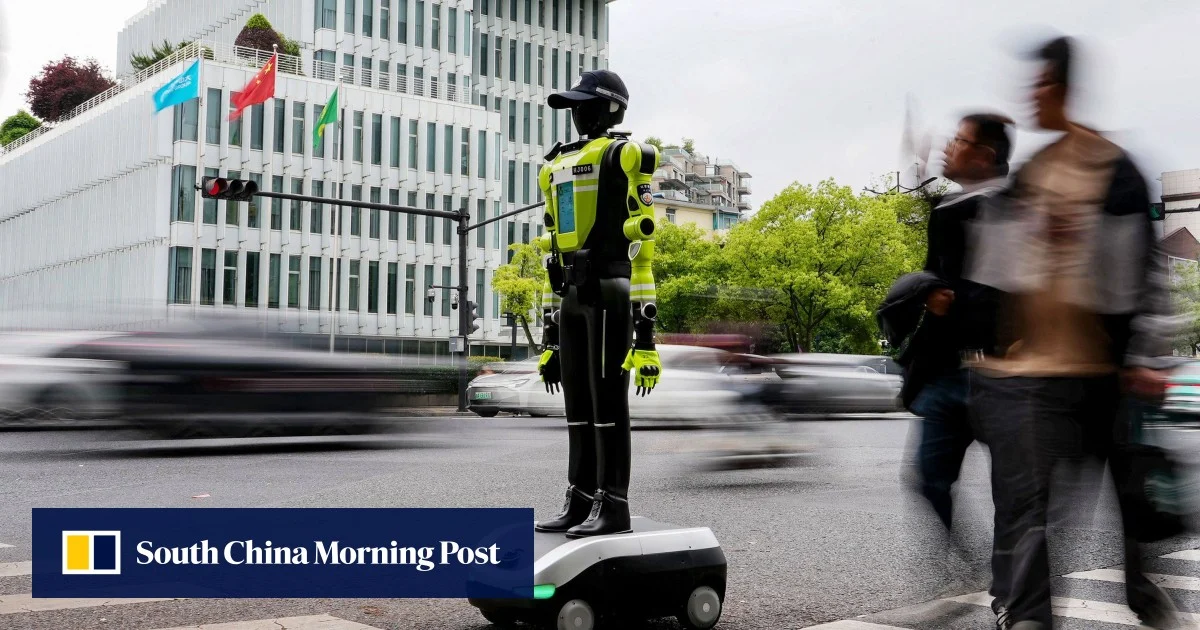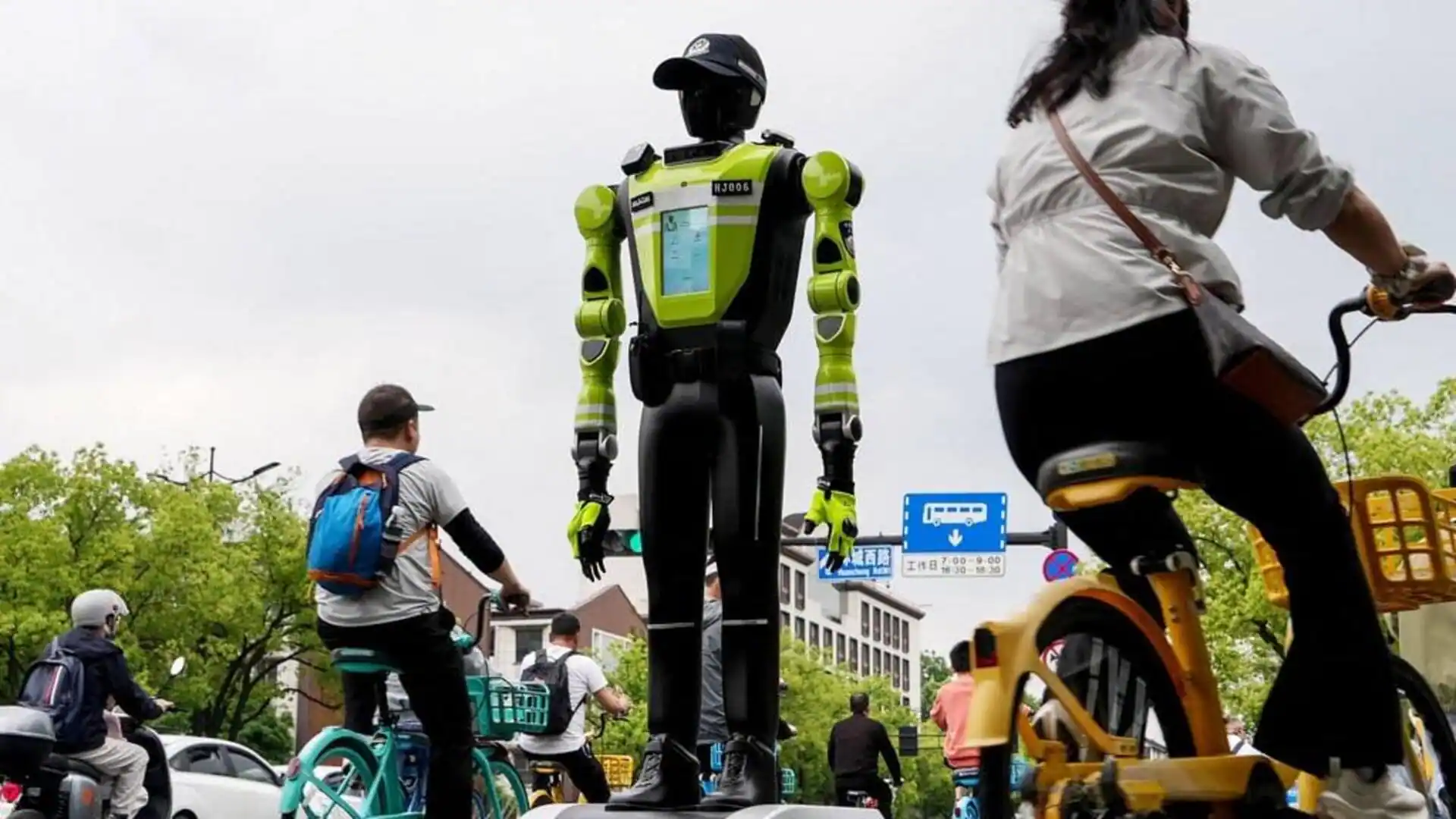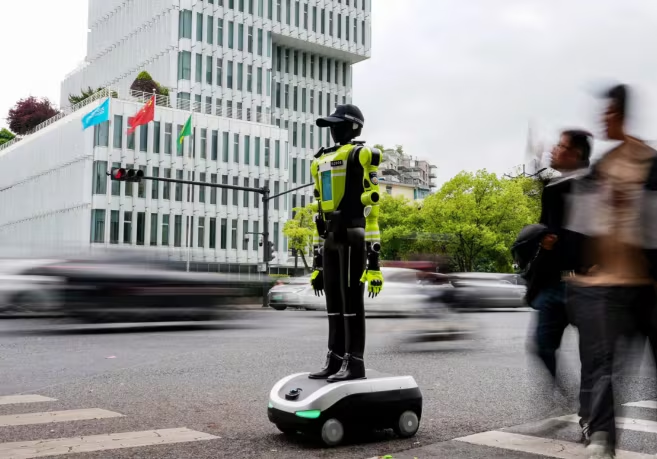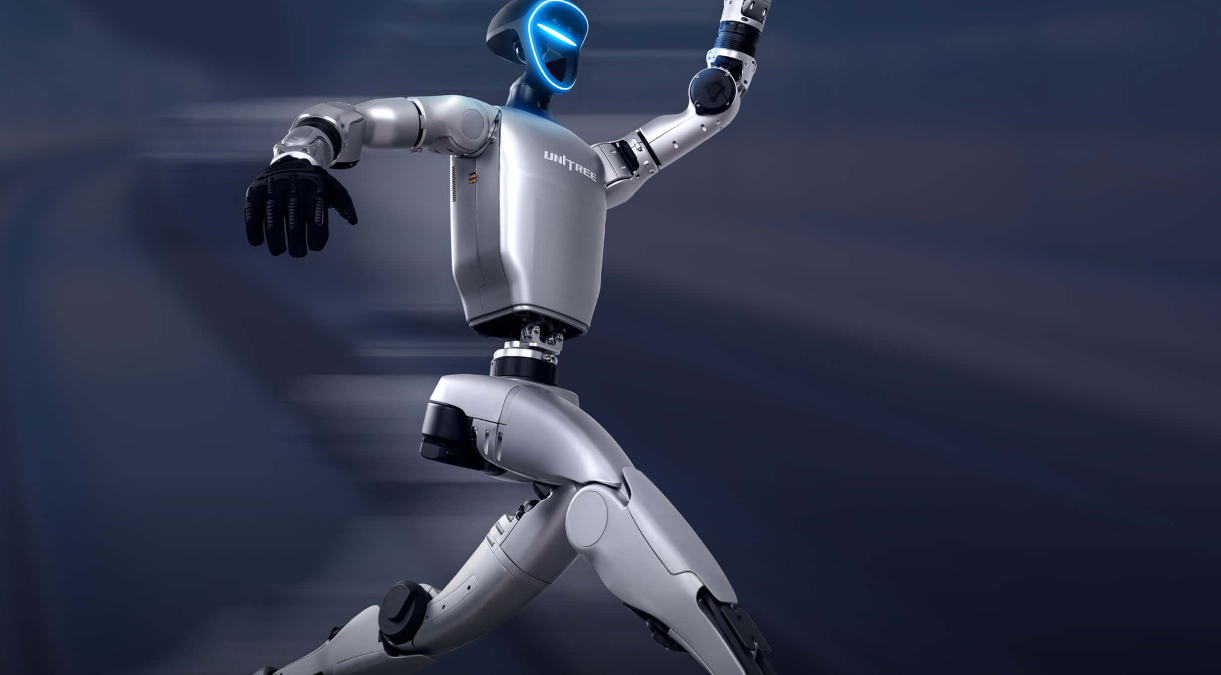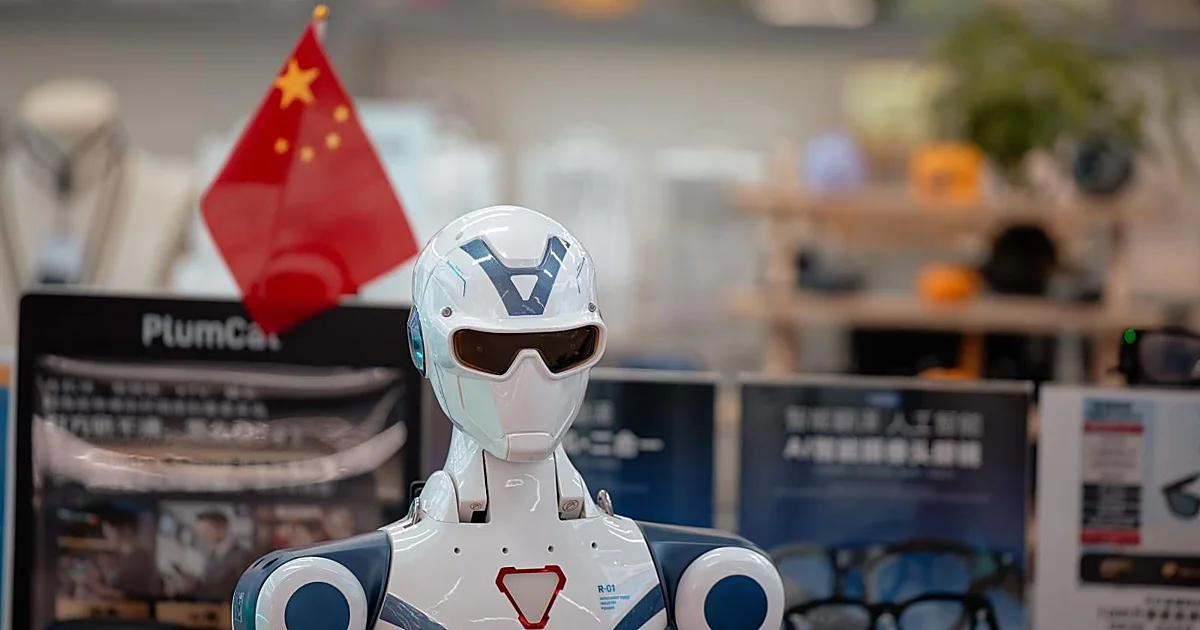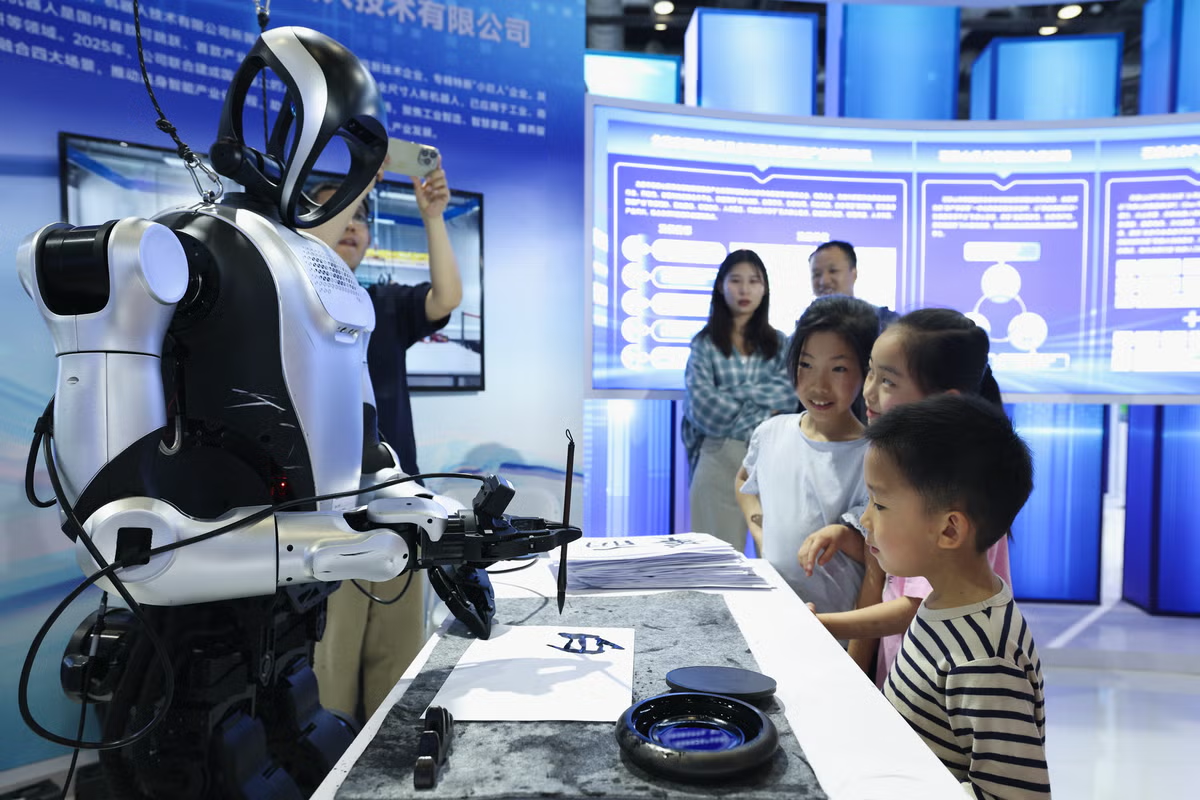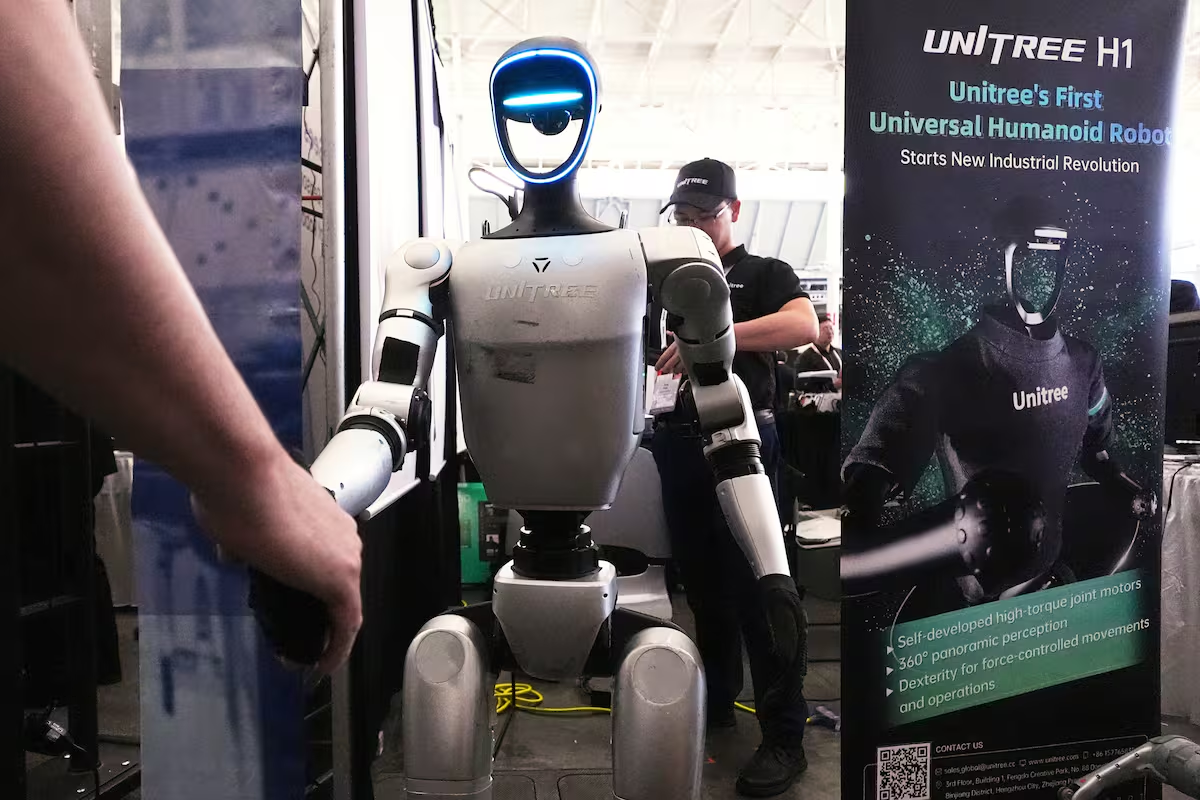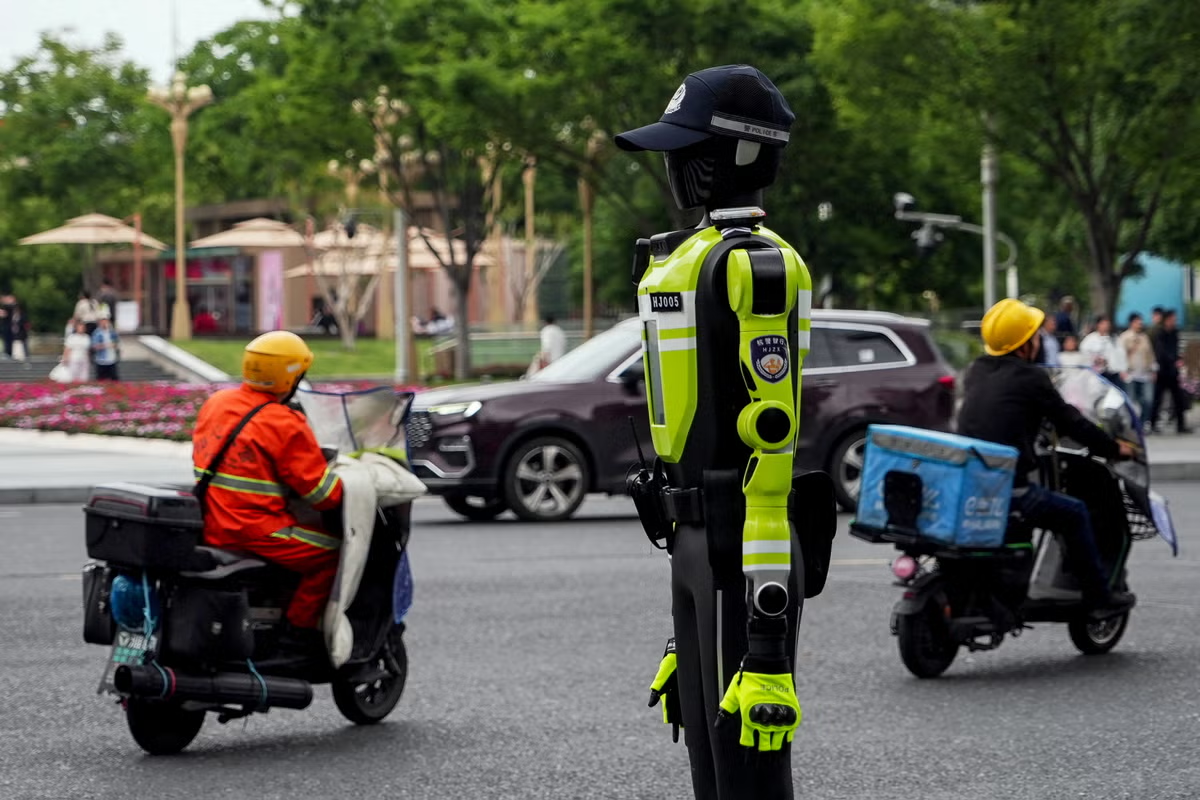
China is planning to roll out unique digital identity numbers for all its humanoid robots to track them better throughout their lifecycle, according to state broadcaster CCTV.The programme is designed to help authorities monitor humanoid robot products for safety risks from the point of production to their eventual recycling, as China seeks to promote rapid growth in the sector.The Chinese authorities have also released new guidelines on how humanoid robots should be managed, and how the unique IDs can be tracked.The unique humanoid IDs consist of four parts, including a two-digit code for tracking cross-border shipments, and a four-digit code identifying the Chinese firm that manufactured the robot.Then a six-digit product code will help identify the humanoid’s type, and another 17-digit serial code will distinguish the individual robots, according to the new guidelines.Currently, the initiative applies to over 100 Chinese manufacturers and over 28,000 humanoid robots across 200 models have been assigned a digital ID.The entire programme is being led by China’s Humanoid Robotics and Embodied Intelligence Standardisation (HEIS) under the Ministry of Industry and Information Technology.People ride past a humanoid robot police officer in Hangzhou (AFP via Getty Images)While at the moment humanoid robots are mostly being used in China by universities, research labs and for manufacturing, the country is also gearing up for large-scale rollouts for commercial applications like eldercare and domestic cleaning, experts say.The country is also rapidly localising its hardware supply chain, stepping away from reliance on US-made Nvidia chips.Humanoids currently used in the country are also far from being fully autonomous, according to local reports, often lacking precision and the dexterity required to carry out a range of tasks.They are mostly used to perform site-specific trials across different industries, but even for these tasks, experts have noted that the robots are only partially efficient compared to humans due to their limited dexterity.Companies including GigaAI, Unitree, and Agibot are leading the market with key hardware innovations.For instance, GigaAI recently unveiled China’s first general-purpose humanoid robot to perform household tasks.GigaAI’s SeeLight S1 robot was built in collaboration with Hubei Humanoid Robot Innovation Centre and Hubei Humanoid Robotics Industry Alliance. It is slated to be given to families in Wuhan for testing free of charge as early as the first half of 2027, SCMP reported.The robotics company released a video on WeChat showing the two-armed wheeled humanoid performing a range of household tasks, including chopping vegetables, frying eggs, and loading a washing machine.
China gives humanoid robots unique ID numbers to monitor safety risks
Measure currently applies to over 100 Chinese humanoid manufacturers, with 28,000 robots already in service given digital IDs
405 words~2 min read