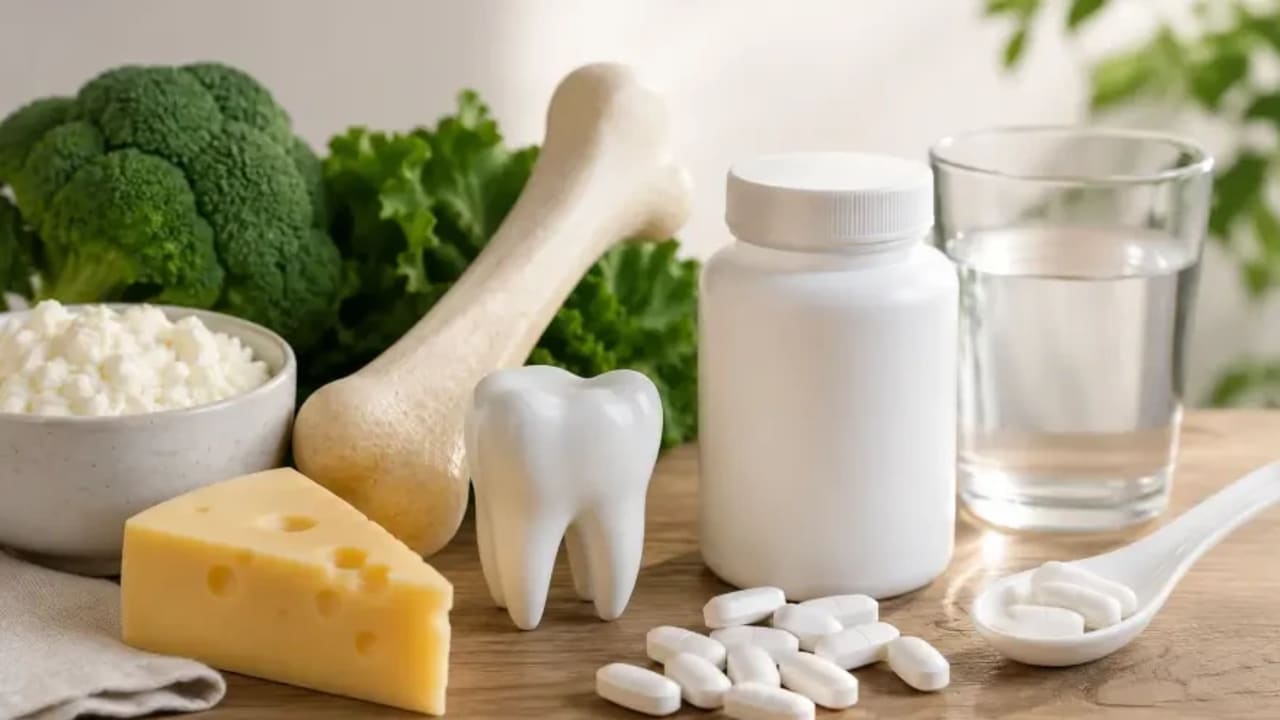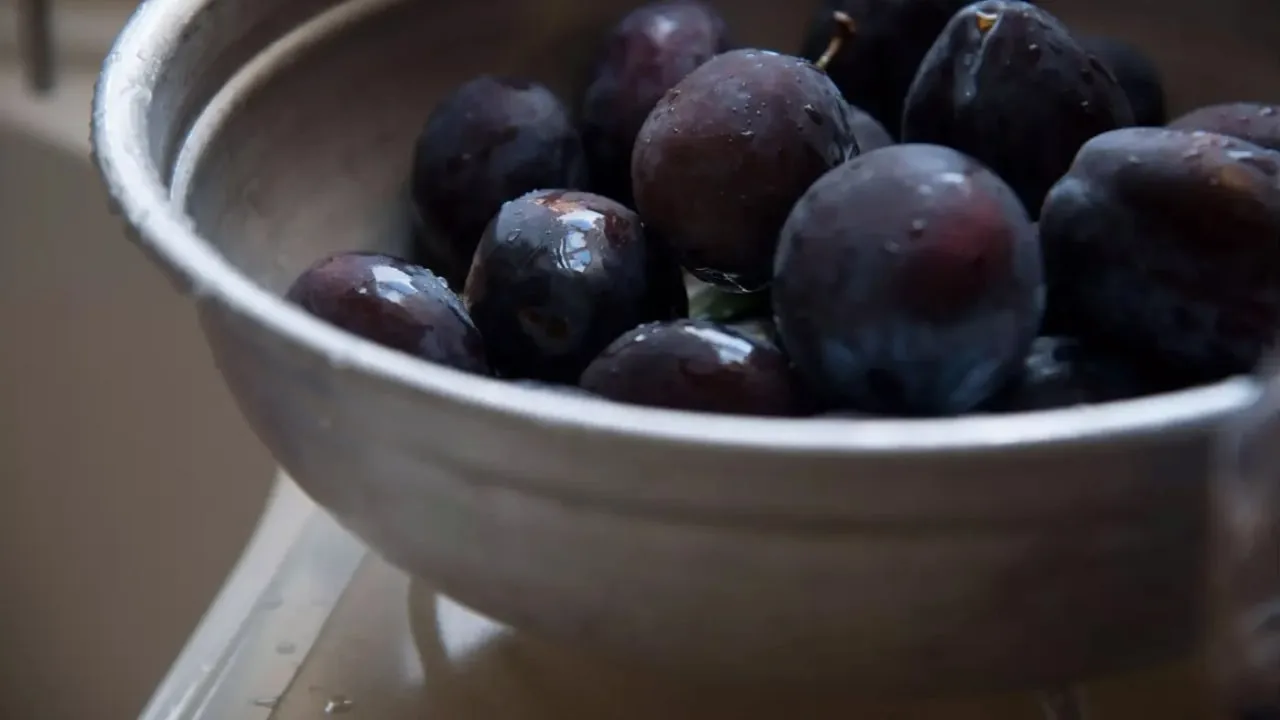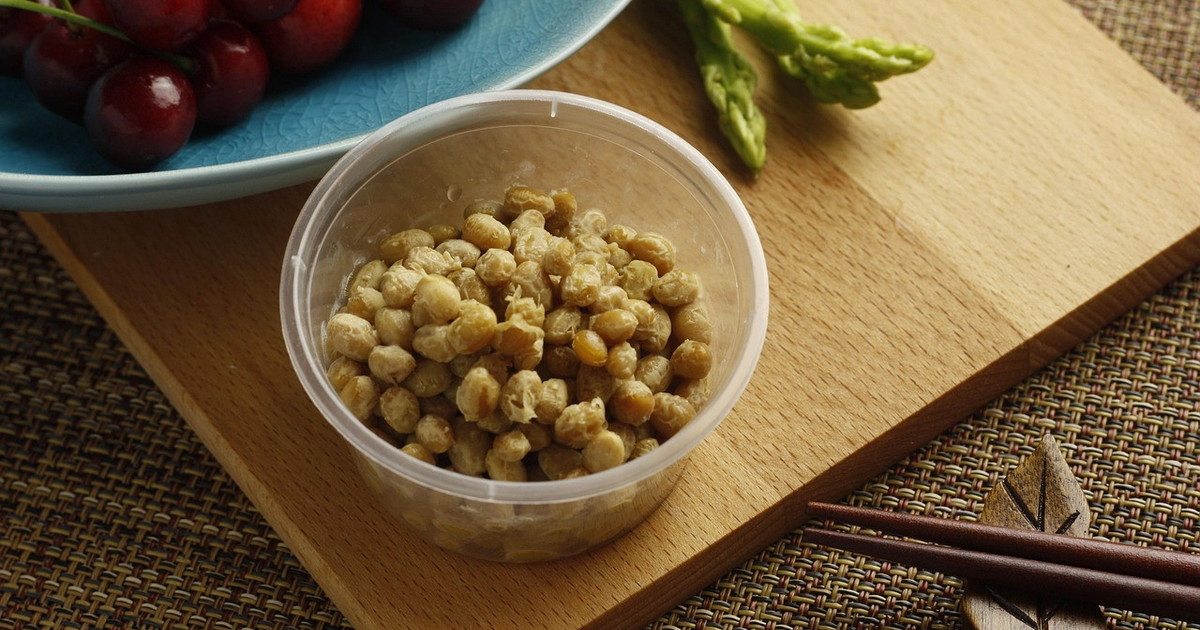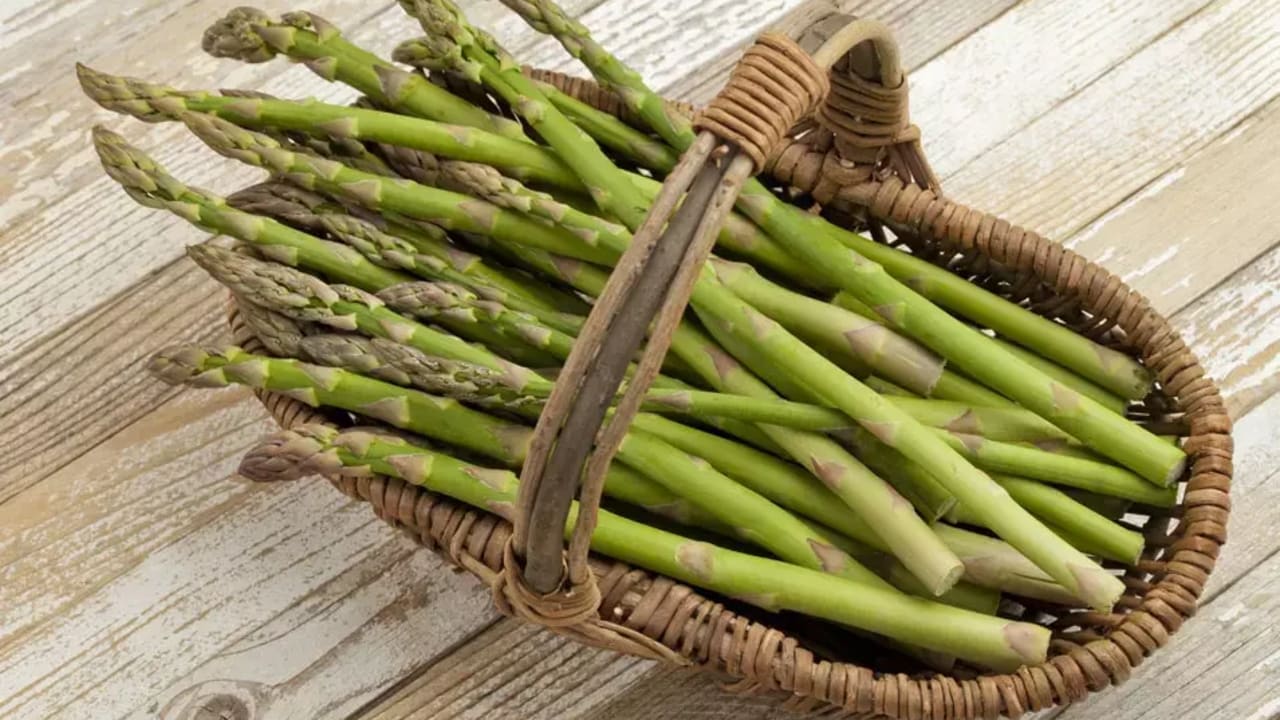
ByWALLA! HEALTHMAY 26, 2026 12:00Vitamin K may not receive the same attention as vitamin C or D, but it is one of the most important vitamins in the body. It is essential for proper blood clotting, bone health, and even contributes to balancing calcium levels and maintaining heart health.According to dietitians, regularly incorporating foods rich in vitamin K into your daily menu can assist with bone density, reduce the risk of fractures, and even support normal blood pressure.What is the Difference Between Vitamin K1 and K2?Vitamin K appears in two main forms:K1 – found primarily in green vegetablesK2 – present in animal-based foods and fermented foodsThe daily recommendation stands at approximately 120 mcg for men and 90 mcg for women.Swiss chard (credit: SHUTTERSTOCK)The 10 Leading Foods in Vitamin K1. Swiss chardOne cup of raw Swiss chard contains an immense amount of vitamin K – well beyond the recommended daily intake. In addition, it is rich in fiber, iron, and magnesium.2. Collard greensThey assist with heart health, better sleep, and the digestive system – thanks to an especially rich nutritional composition.3. Brussels sproutsRich also in vitamin C and fiber, and contributes to the health of the immune system.4. SpinachOne of the most well-known foods in the context of vitamin K, and also a source of antioxidants and additional vitamins.5. Turnip greensThey support proper digestion and blood clotting, and also assist with blood vessel health.6. PrunesNot only good for digestion – studies show they may also assist in preventing bone mass loss.7. BroccoliA super-vegetable with numerous benefits: Reducing inflammation, balancing blood sugar, and supporting the immune system.8. KaleConsidered one of the healthiest vegetables, with a contribution to heart, eye, and skin health.9. KiwiA fruit rich in antioxidants and vitamin C, which also contributes to good sleep and digestion.10. AsparagusLow in calories but rich in fiber and vitamins, including vitamin K.How to Improve Absorption?Vitamin K is a fat-soluble vitamin, and therefore it is recommended to combine these foods with a healthy source of fat such as olive oil, avocado, nuts, or dairy products.Additionally, light cooking such as steaming or sautéing can actually improve the availability of the vitamin in the body.If you are taking blood thinners, it is important to consult a physician. In many cases, it is not required to avoid vitamin K – but rather to maintain a consistent and uniform intake.The Bottom Line: Vitamin K is a key component for bodily health, and a simple integration of green vegetables, fruits, and natural foods can make a significant difference. Beyond its contribution to blood clotting, it supports the bones, heart, and immune system – proving that even "quiet" components in the diet can be critical to health.Follow us on Google
For the heart, bones, and blood: Foods packed with vitamin K | The Jerusalem Post
Here is what you need to know about vitamin K – and where to get it.
449 words~2 min read