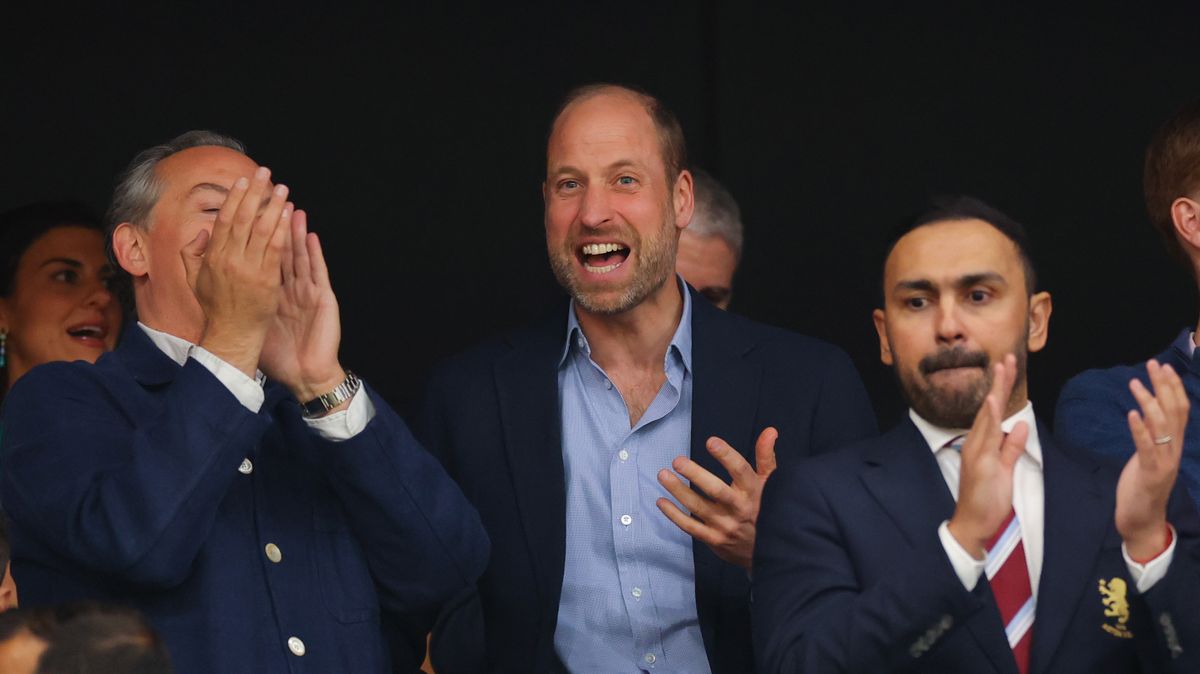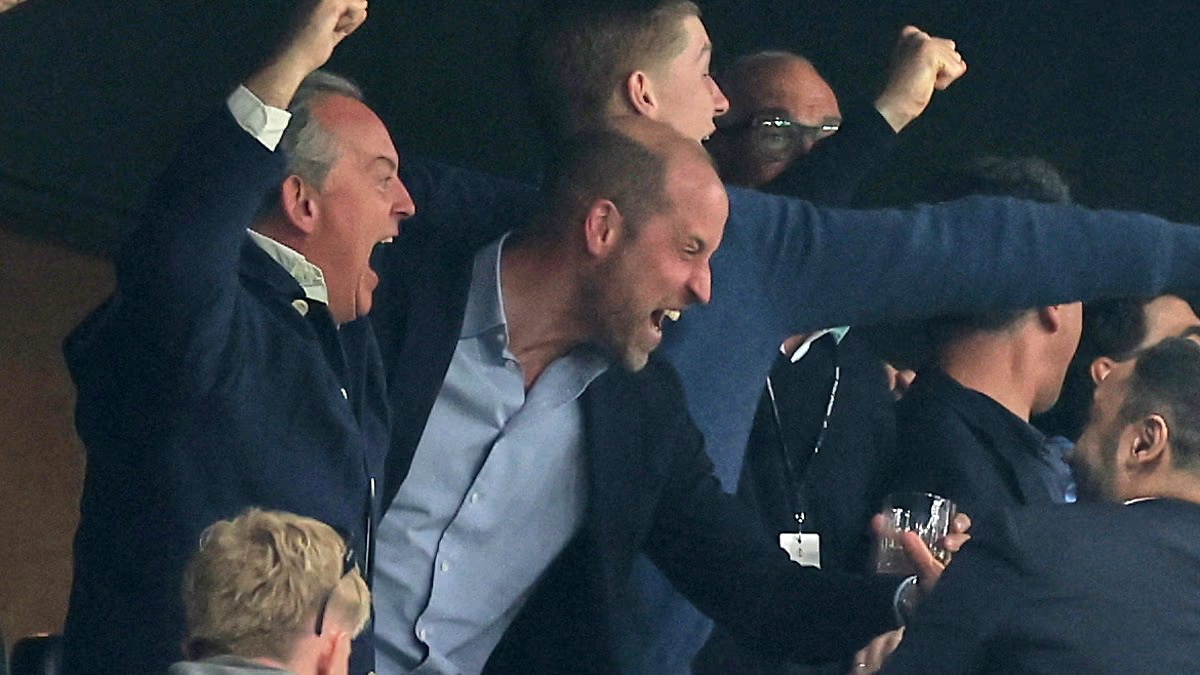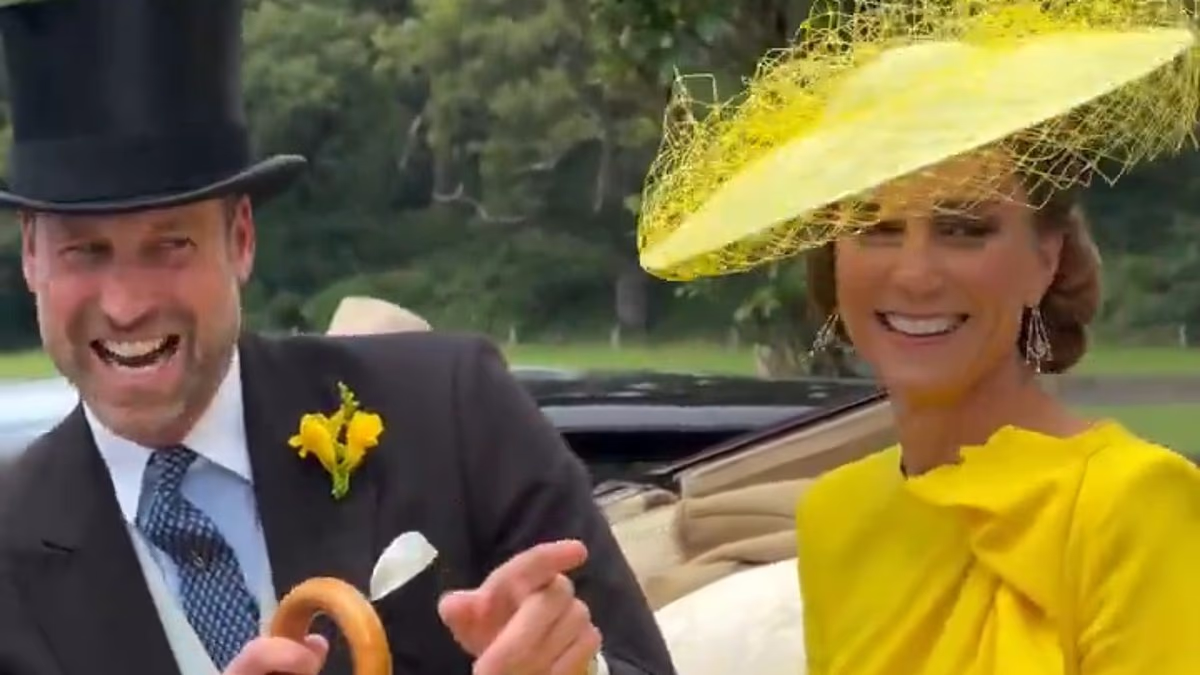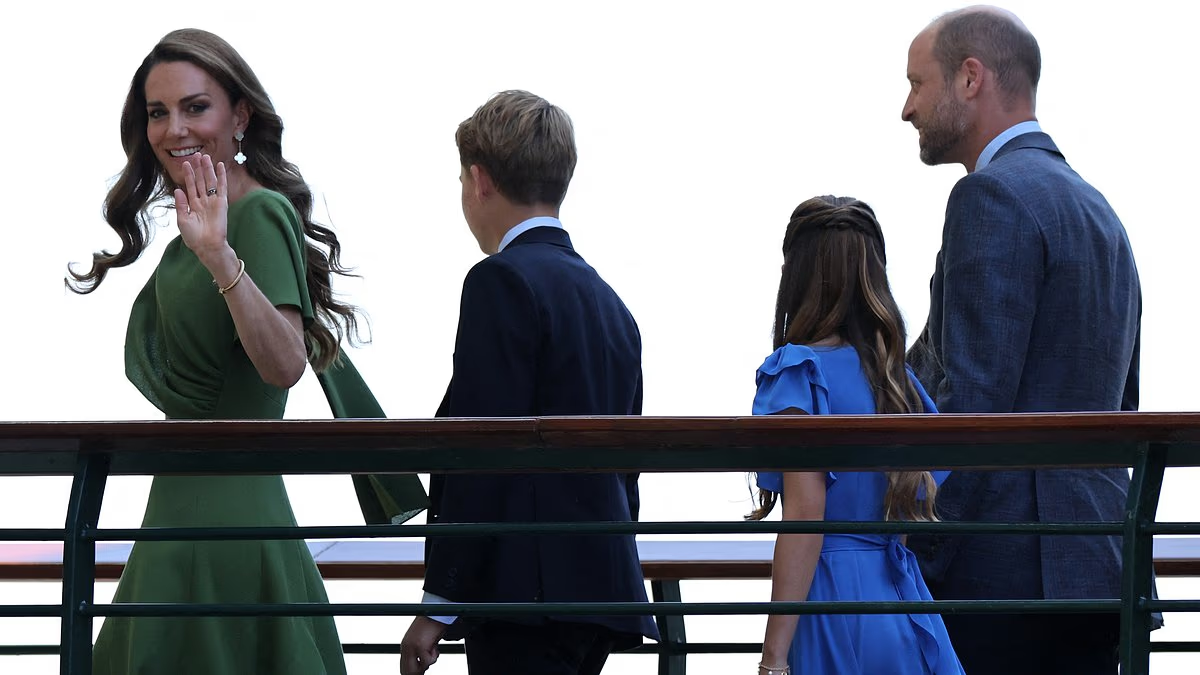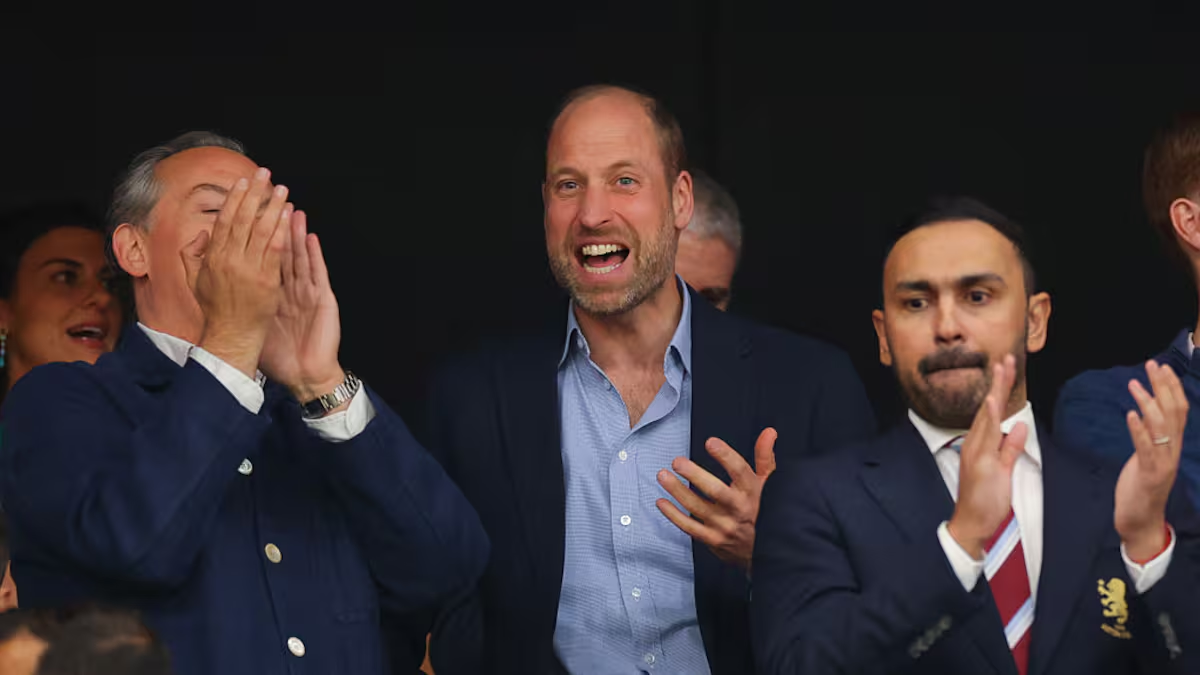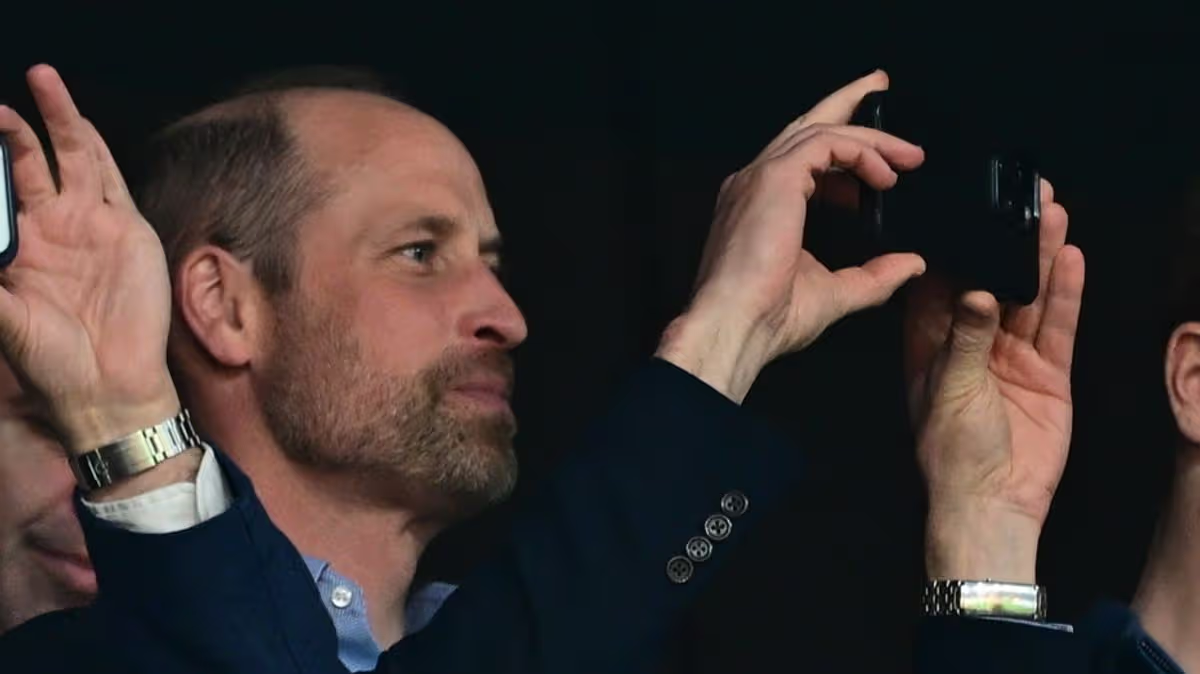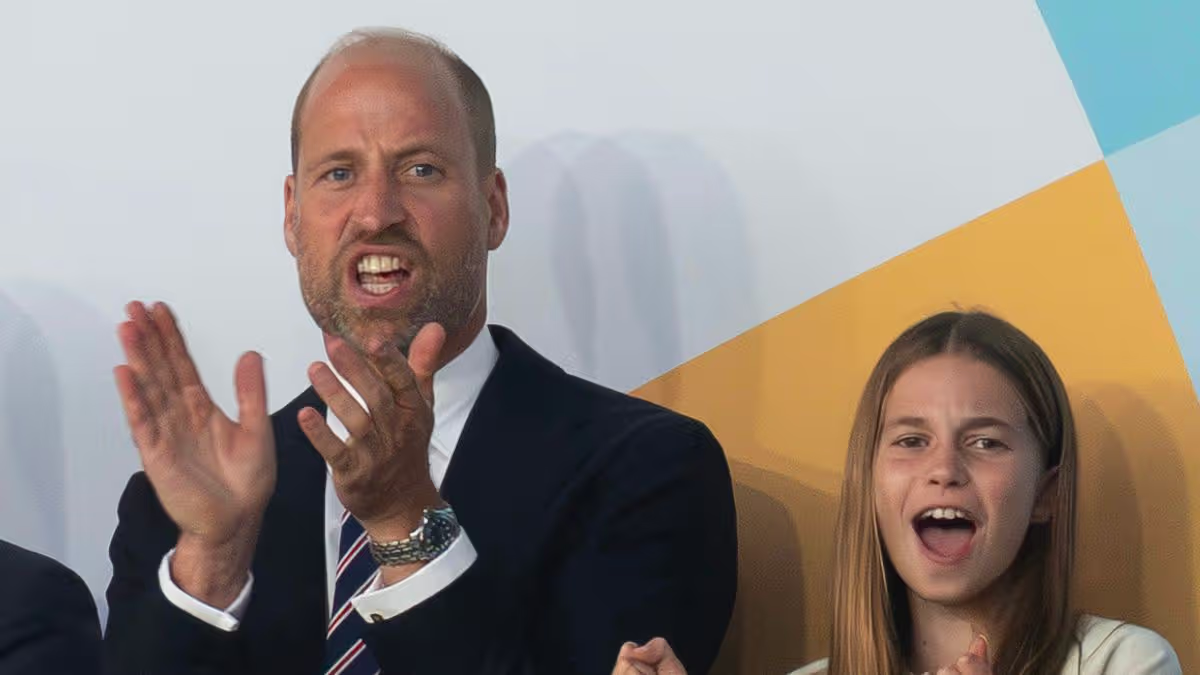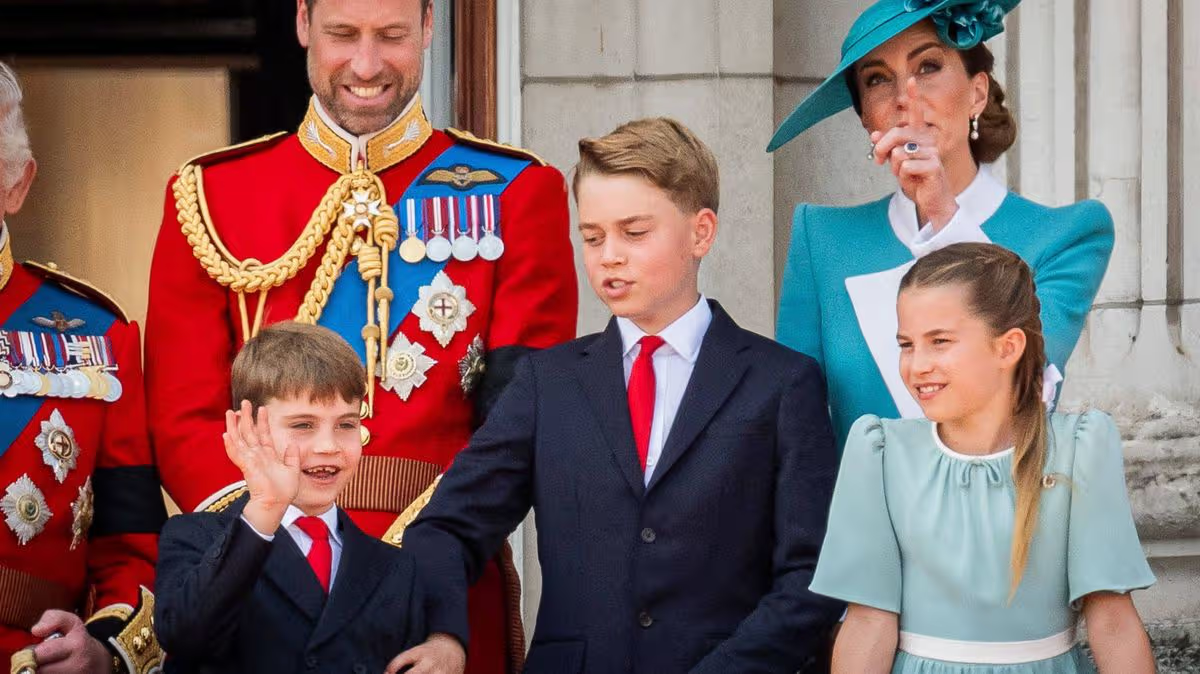
Cheering on his beloved Aston Villa at the Europa League last month, shedding a tear of joy and enjoying a beer, Prince William might have looked like just a normal football fan. He has talked about the very relatable parenting stress of chaotic school runs, remembering the right instrument or bit of school kit, and his son Louis leaving “jam fingerprints throughout the car”. He recently revealed himself to be a fan of all the American Pie films, those very silly and fun late 90s American coming-of-age sex comedies. The social media posts that he and his family share to their 17.2 million followers show not only their official engagements, but also snippets of the ruckus of normal family life, their children laughing together in the woods.
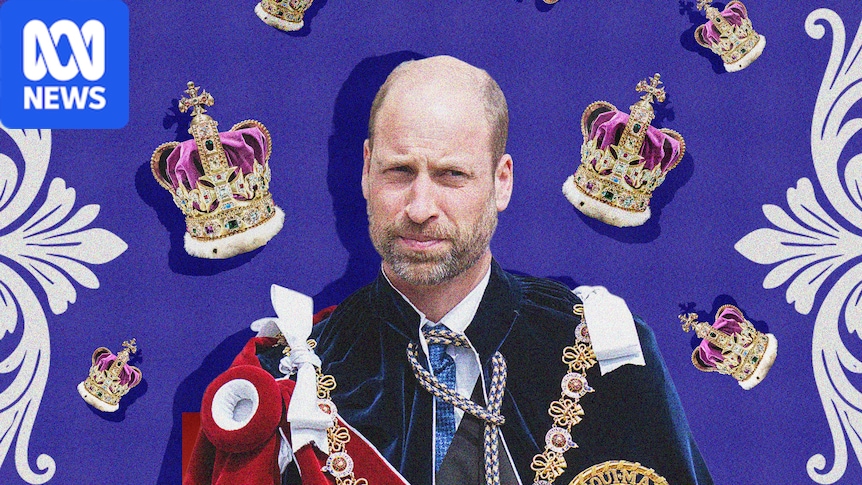
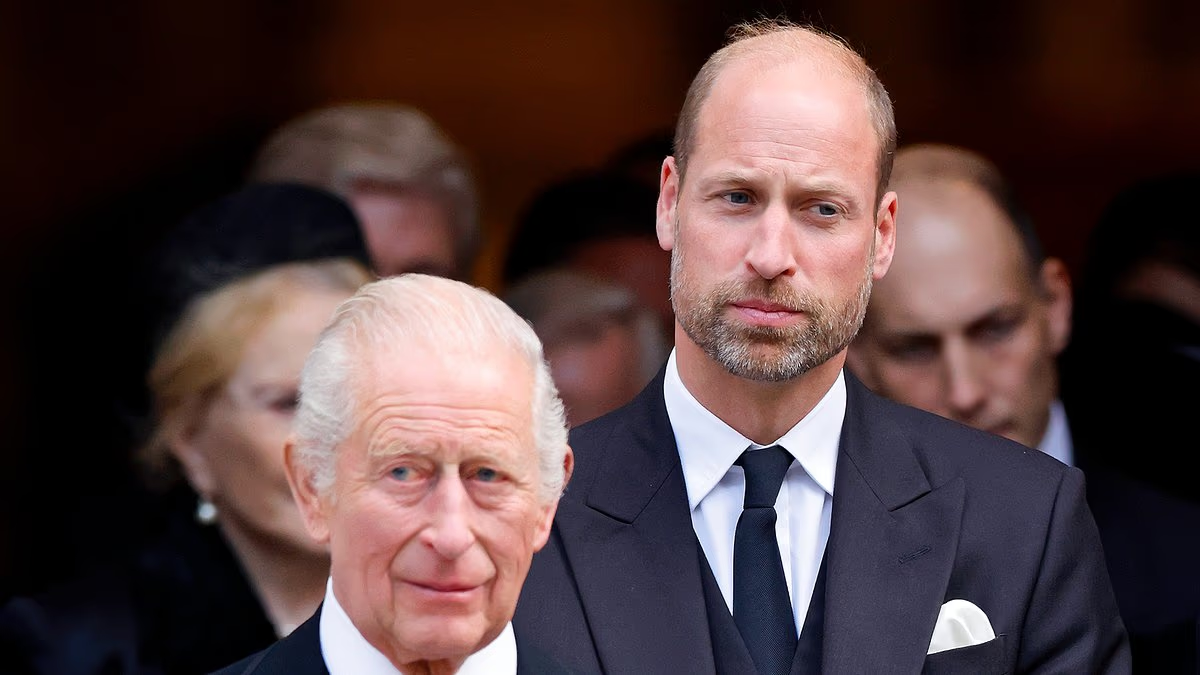
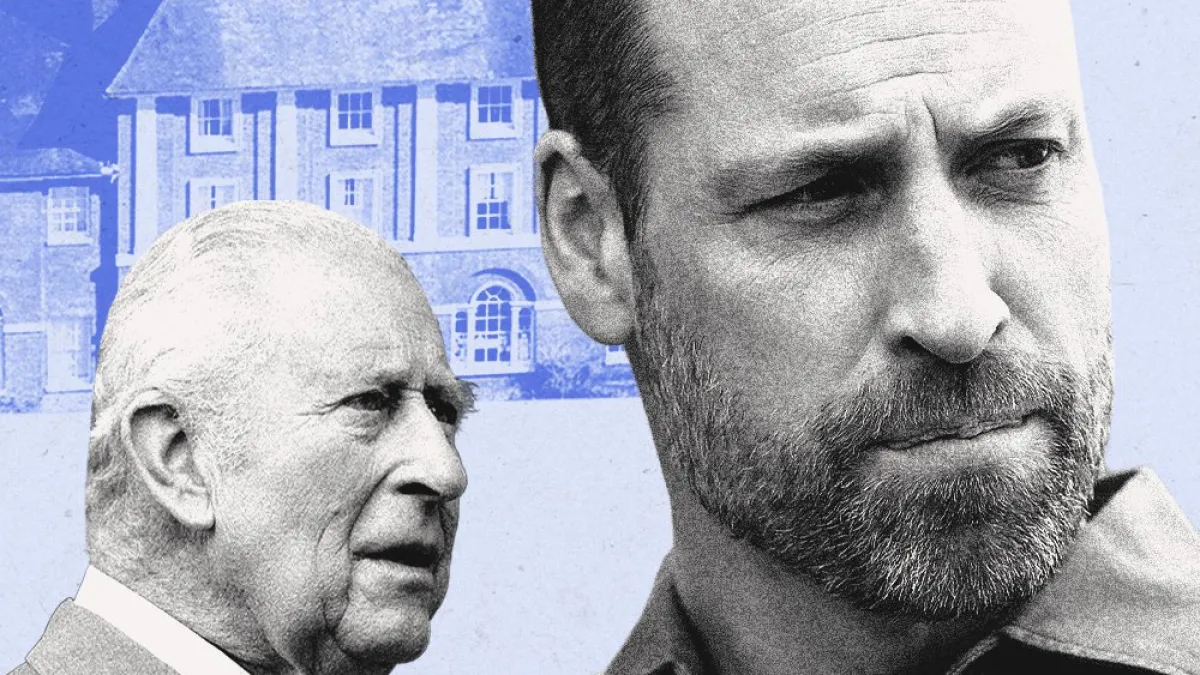
The heir to the throne has always exuded normalcy – an approach the broadcaster David Dimbleby has described as “an ordinary Joe”. Yet, beneath this, there lies something else. In the years since his father became King, William has demonstrated a surprising ruthlessness. When it comes to his role in the royal family, and preserving the legacy of The Firm, observers say he’s proving to be no ordinary Joe, but, in fact, a sharp-eyed strategist.
Andrew Lownie is a historian and royal biographer, and author of the recent Entitled: The Rise and Fall of the House of York. “William is calling the shots more now that we’re in this transitional phase towards him taking over,” he says. One of the clearest examples of William’s power, argues Lownie, is in the royal family’s handling of the Andrew Mountbatten-Windsor crisis.