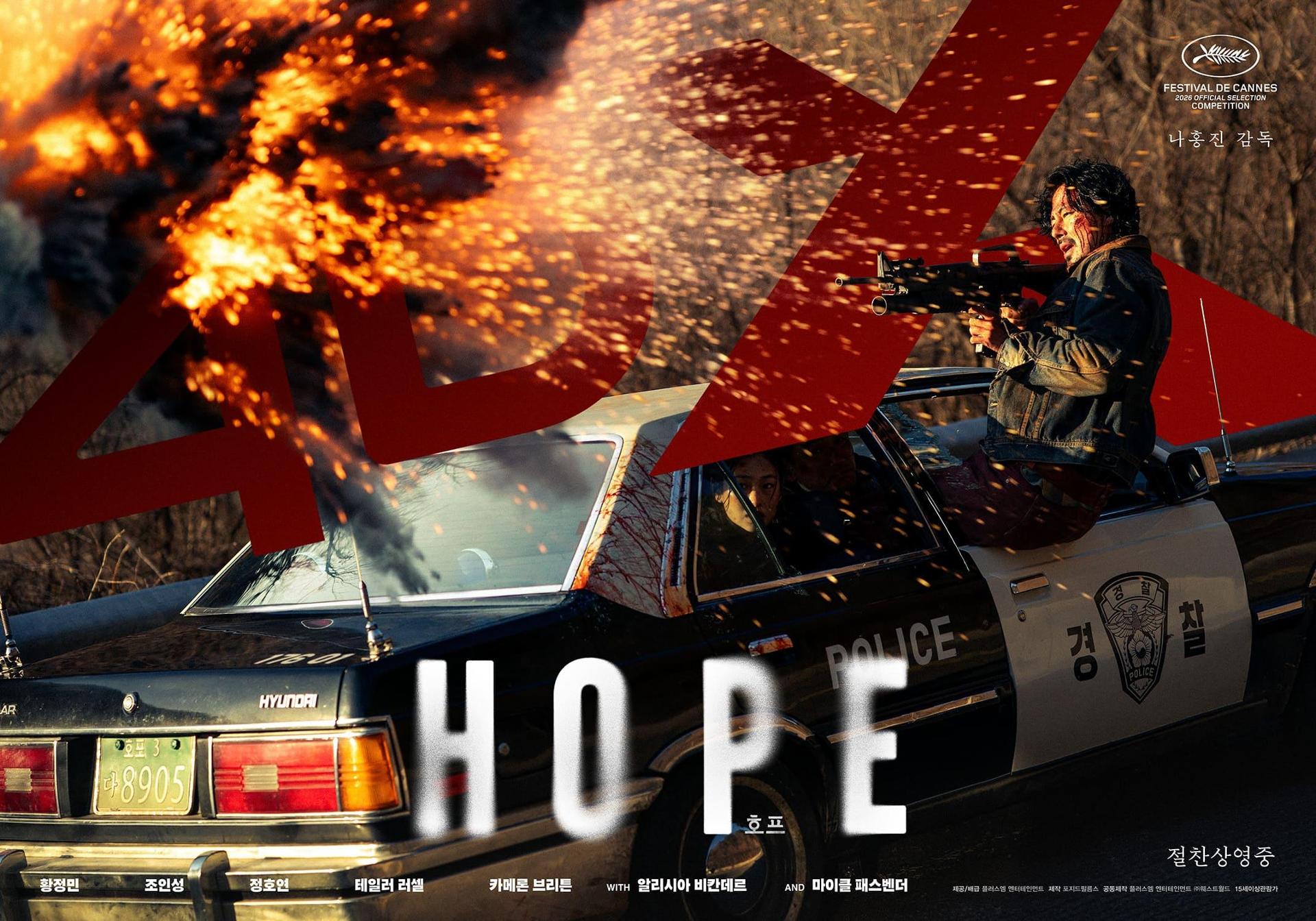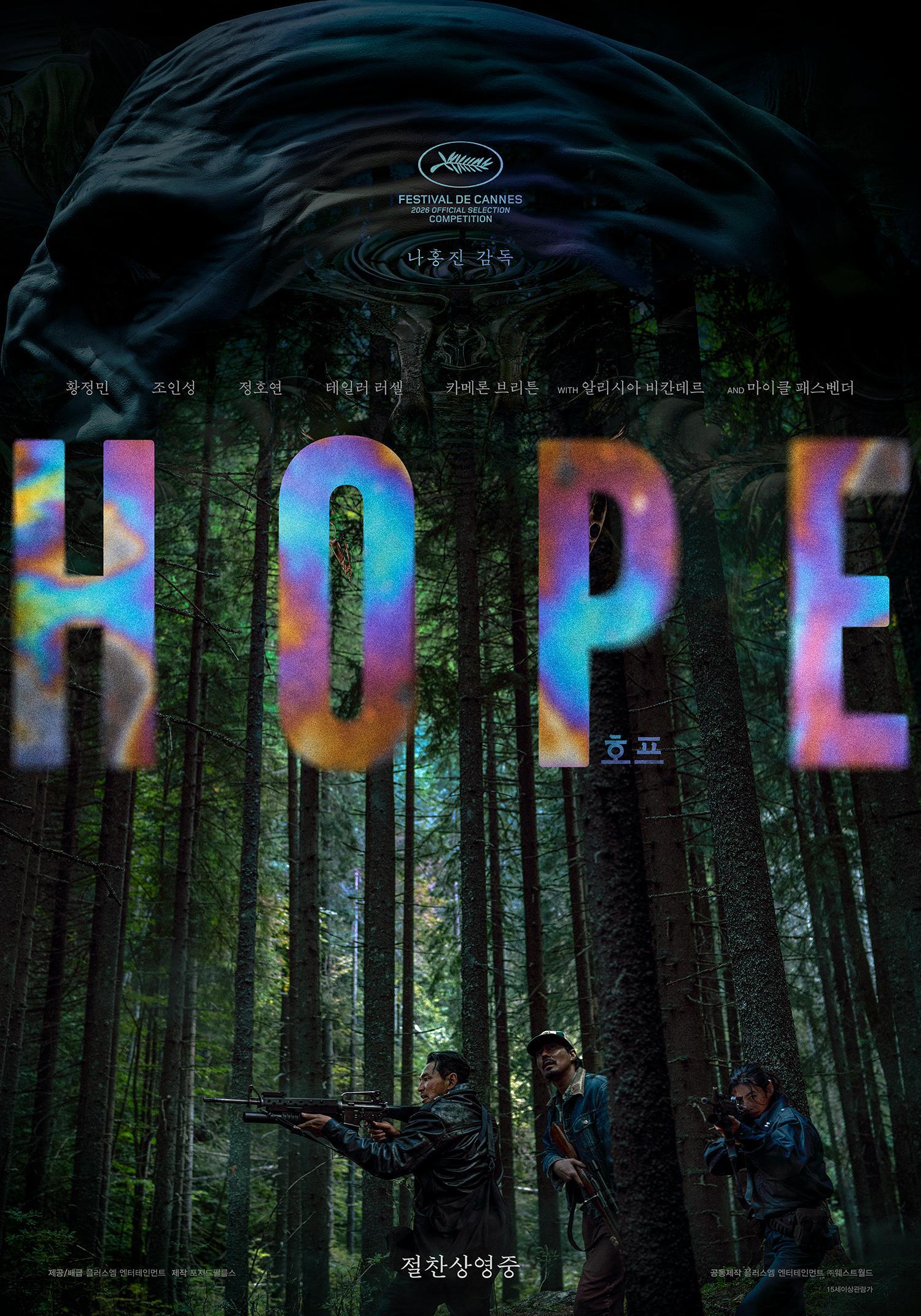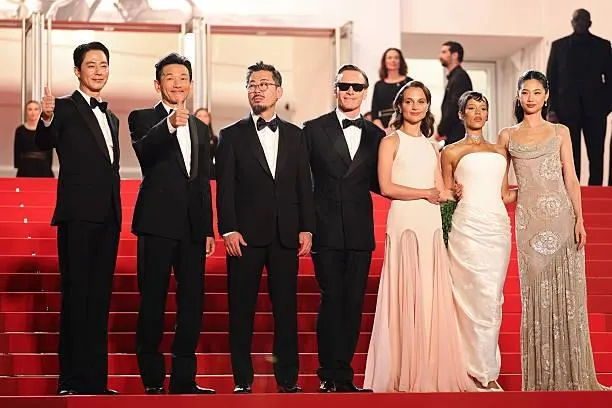
CANNES: “Hope” arrives 10 years after South Korean director Na Hong-jin’s “The Wailing” premiered at the Cannes Film Festival in the competition section in 2016. Since “The Chaser” in 2008, Na’s cinema has always been built on a kind of controlled action-driven collapse in stories that begin within recognizable genre territory, before spiraling toward paranoia and grotesque comedy. And with “Hope,” Na pushes this tendency further than anything he has done before, as the movie becomes an experiment of how much movement, absurdity and tonal instability a film can absorb.
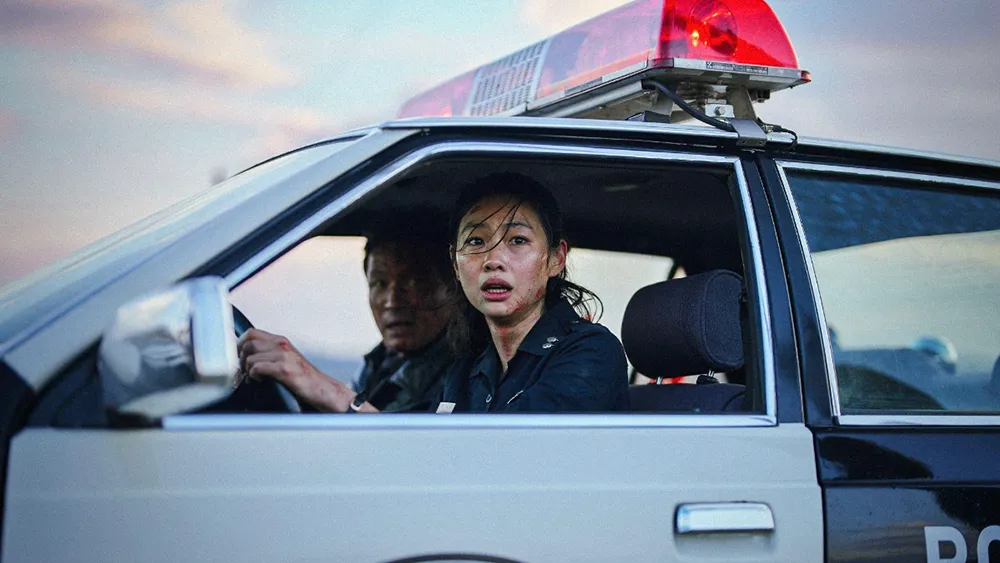
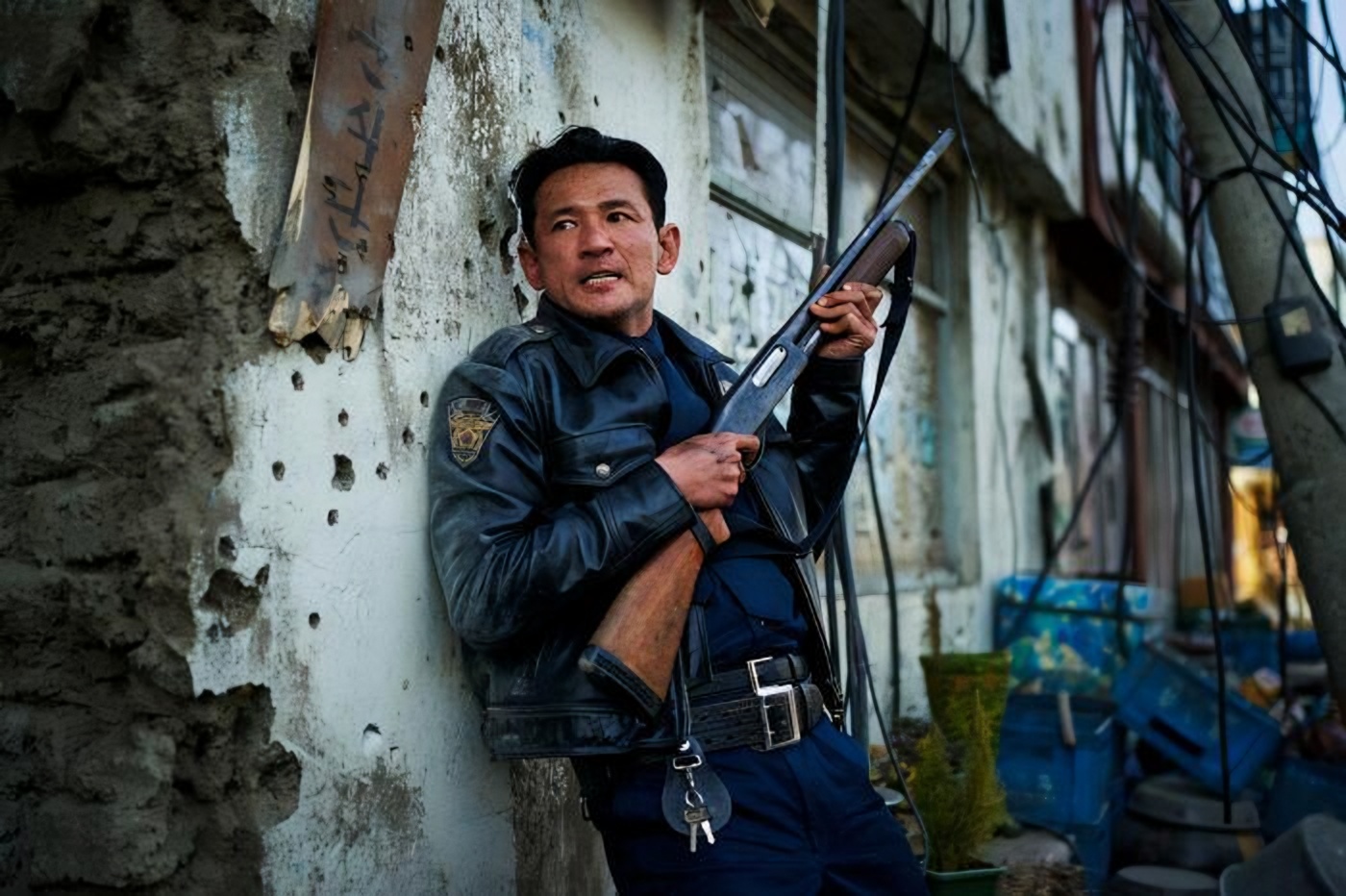
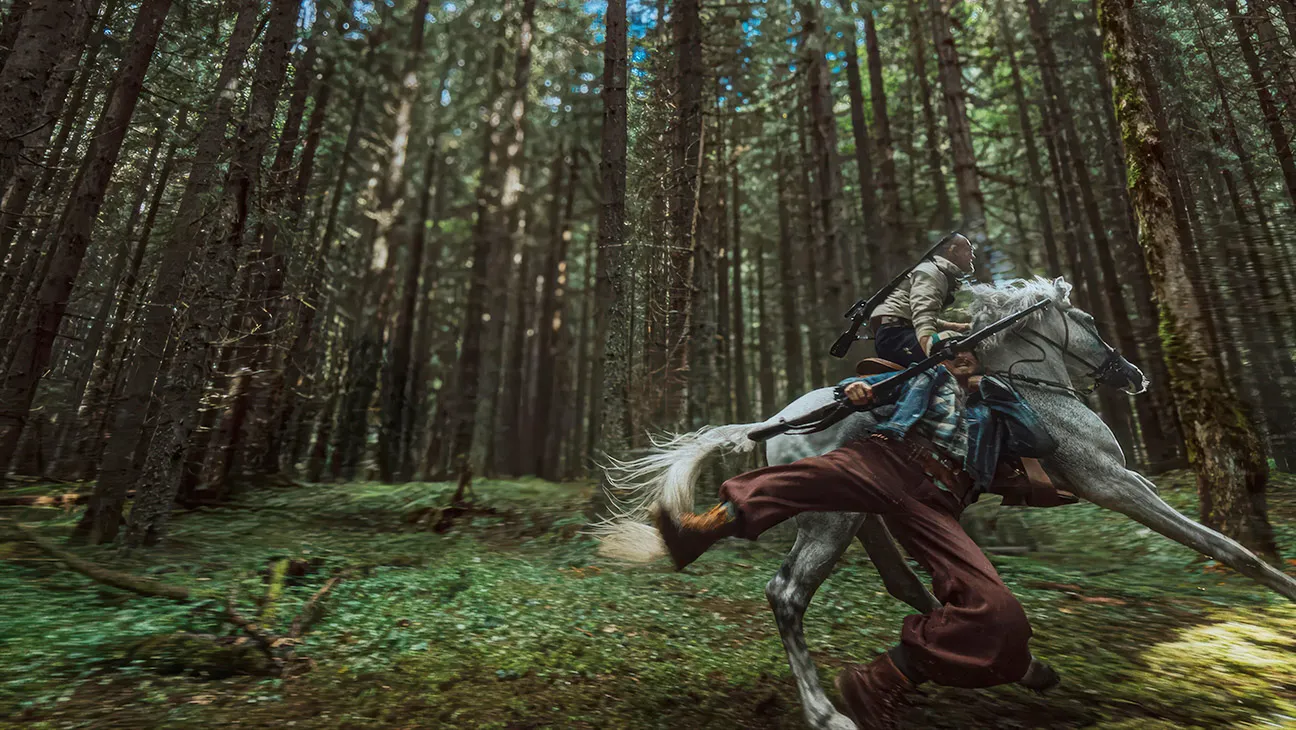
Set inside a remote harbor town named Hope, the film initially disguises itself as rural mystery cinema. Dead livestock appear in the mountains and strange attacks spread through the village, while policemen wander through muddy roads and collapsing buildings trying to understand what exactly is happening. But Na has never really cared about mystery in the regular sense. Suspense, for him, is a mechanism for destabilization as he delays revelation to trap the viewer inside movement and physical tension.
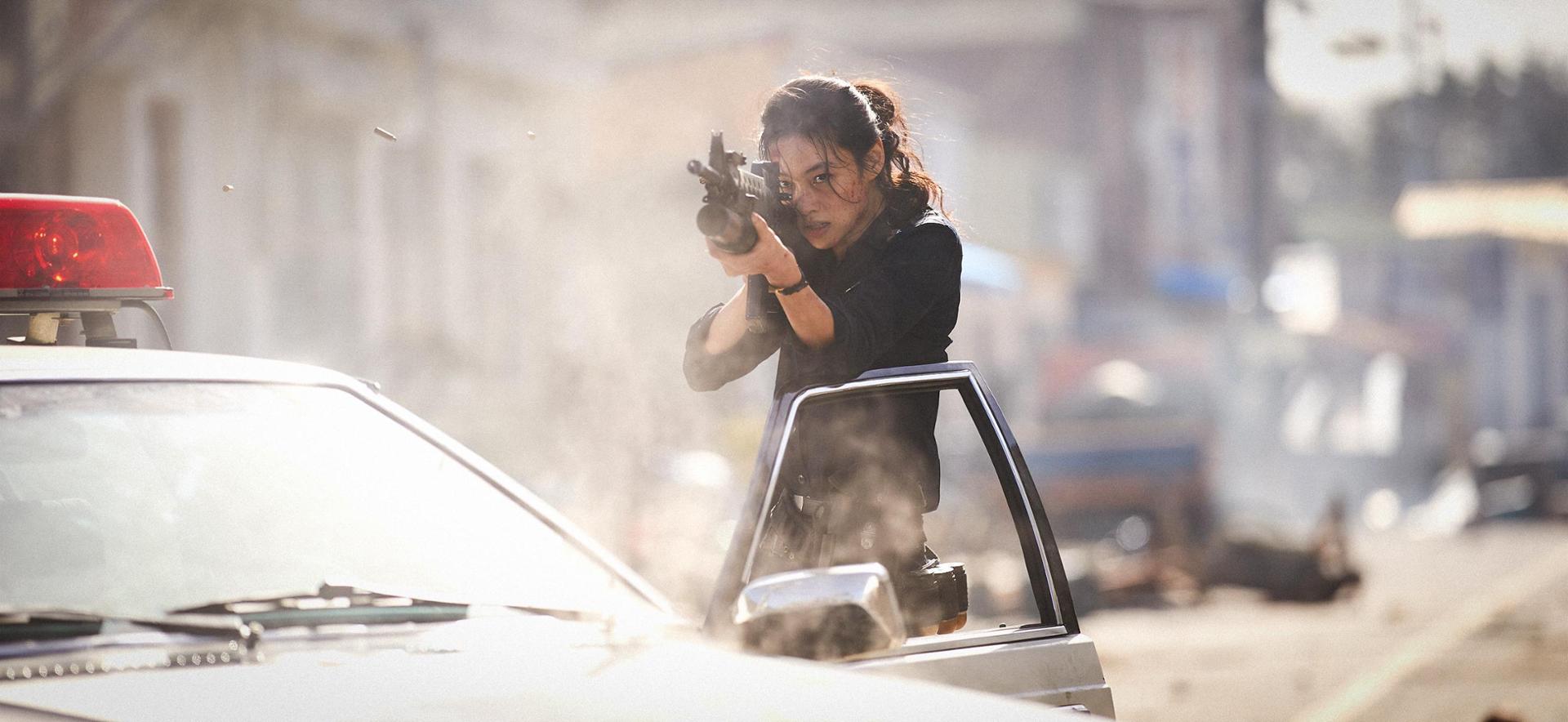
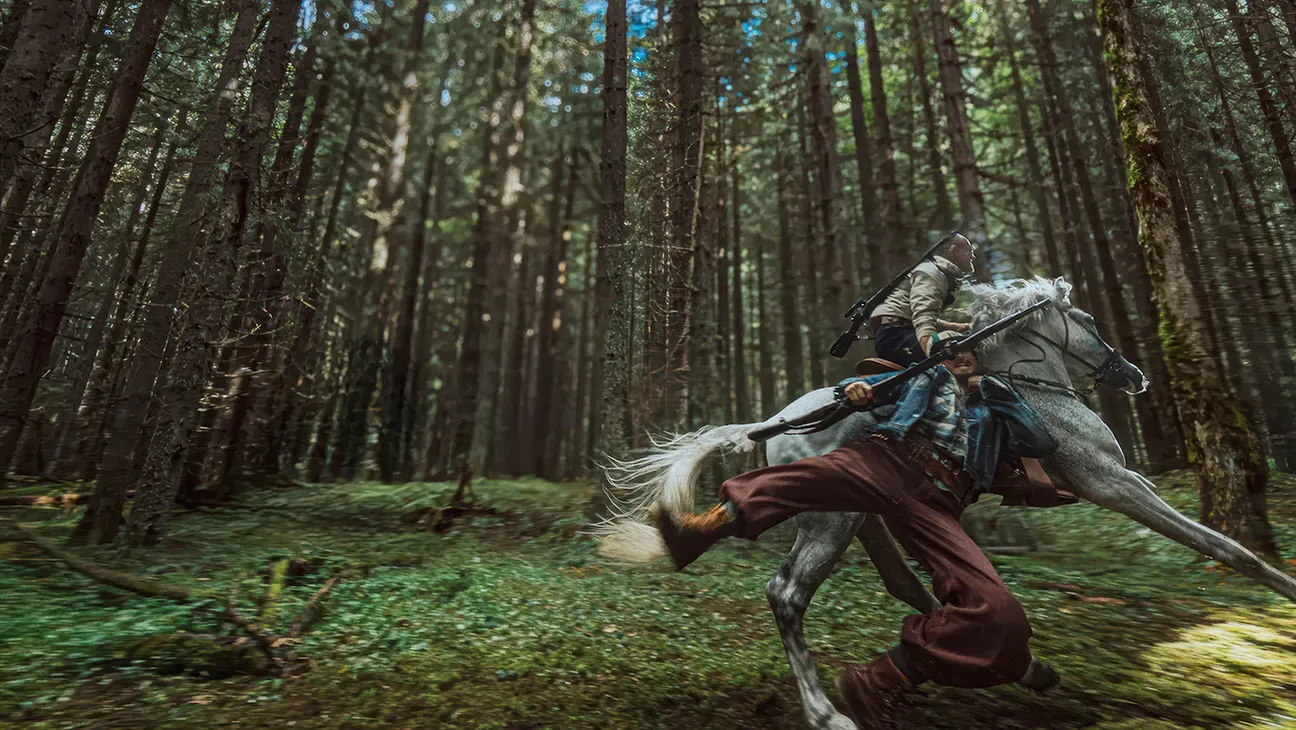
What follows during the film’s first hour might be the strongest stretch of action filmmaking this year, when it transforms itself into one extended pursuit sequence: vehicles crashing through narrow roads, policemen firing uselessly into the distance while destruction spreads faster than comprehension. The chase functions as the narrative here, and together with cinematographer Hong Kyung-pyo — who worked on Lee Chang-dong’s “Burning” in 2018 and the Academy Award Winner Bong Joon Ho’s “Parasite” in 2019 — the pair demonstrate these sequences with overwhelming physical intensity.