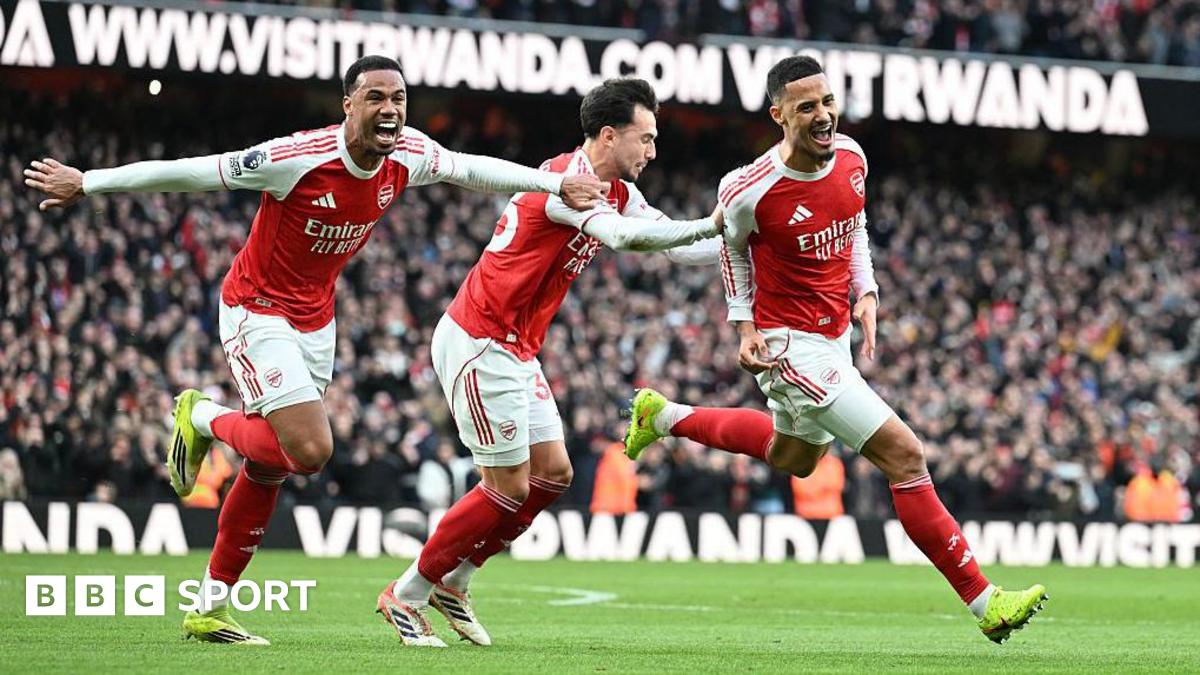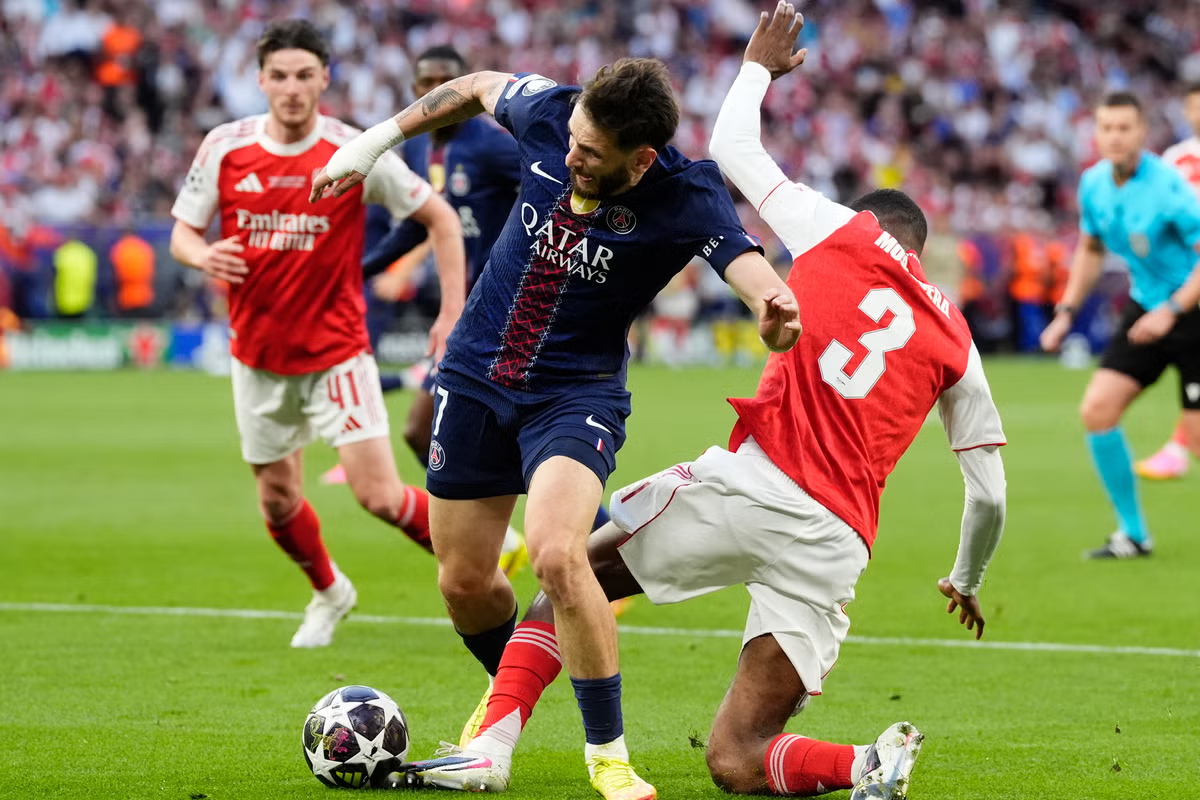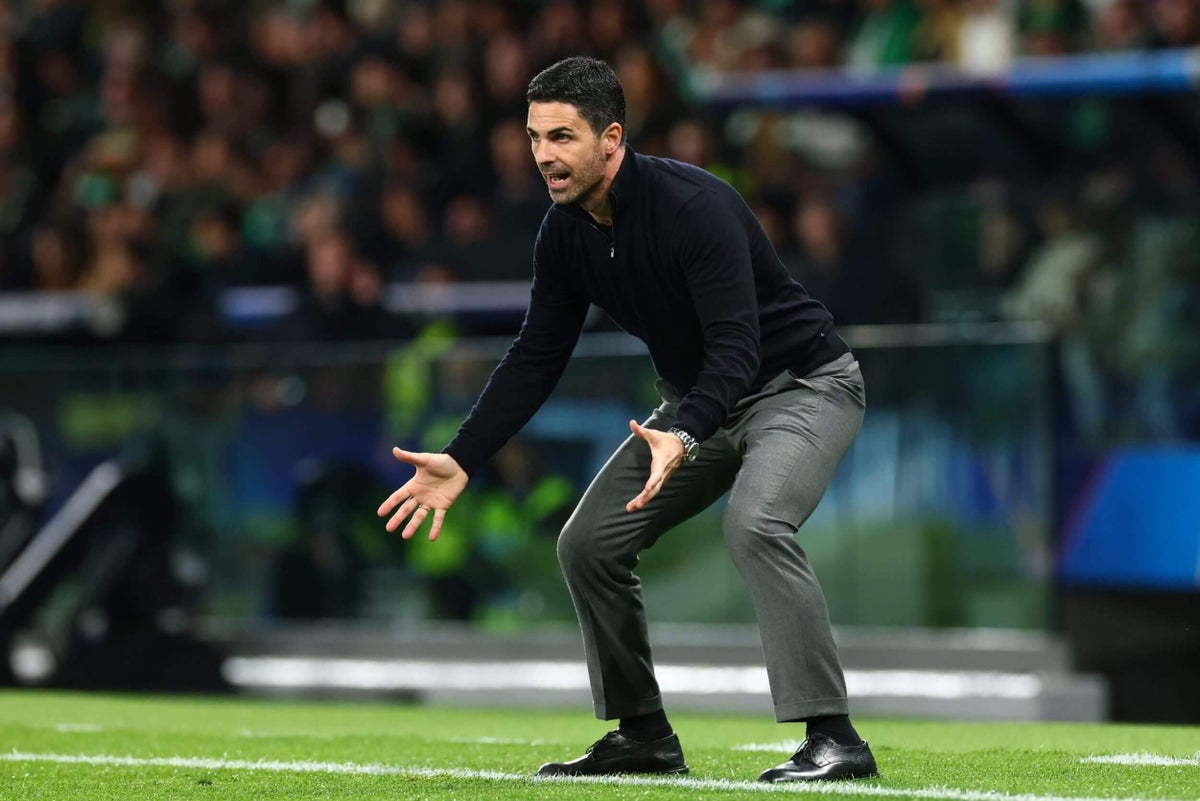
Arsenal triumphed in the Premier League this season primarily due to their excellent defensive record. Yet they also conceded sloppy late goals in unglamorous away fixtures where an aerial bombardment was always on the cards. In trips to Sunderland, Brentford and Wolverhampton — the latter two in the space of a week in mid-February — Arsenal conceded basic goals and dropped points.Were they bottling it? Well, not really, and they generally defended excellently when under pressure. The real issue is that they weren’t, by the standards of title challengers, outstanding in attack in open play.They weren’t scoring enough goals to ensure the odd concession was a consolation goal, rather than an equaliser.This was generally attributed to Mikel Arteta’s strategy, but Arteta probably isn’t any more defensive-minded than two years ago, when Arsenal scored fully 20 more goals (and conceded only two more). To win the Premier League, Arteta’s Arsenal didn’t need to become better than ever. If they simply returned to the level from 2023-24, they would likely lift the title. In the end, they actually won four fewer points than two seasons ago — OK, in a harder division — and still had a seven-point cushion over Manchester City.Arsenal of two seasons ago were a better side, largely because their attackers provided more moments of magic, offered more penetrative combination play and, put simply, scored more goals.Bukayo Saka and Martin Odegaard worked brilliantly together. Kai Havertz played the false-ish nine role astutely. Leandro Trossard and Gabriel Martinelli offered regular goal contributions from the left. They were pipped at the post by City but they were on the right level. Arteta didn’t recruit further creative attackers the following summer, instead signing Mikel Merino and Riccardo Calafiori: not because he was suddenly all-in on set pieces and defence, but because he, entirely reasonably, thought the attack was already at the right level.Then, Havertz, Saka and Odegaard’s fitness and form dipped in 2024-25. So the signings last summer — Viktor Gyokeres, Noni Madueke and Eberechi Eze — cost serious money, but were likely to be substitutes in the biggest games if Havertz, Saka and Odegaard were fit. Arteta was trusting that his ‘original’ attackers, when afforded extra rest, would become top-class again, and that the newcomers would chip in too.Summer signing Viktor Gyokeres is Arsenal’s top scorer this season with 21 goals (Dan Mullan/Getty Images)The latter happened more than the former. The new signings all made an impact but not a single Arsenal attacker has been in contention for the Premier League’s best XI, for example. Yes, more than ever, football is a squad game. You can retrofit this and pretend it was entirely intentional, but the reality is that Arsenal’s best attacking players — Havertz, Saka and Odegaard — haven’t been capable of regular decisive contributions. Without those moments, Arsenal have fallen back on set pieces and defending.You can argue that Arsenal haven’t played electric football because opponents have sat deep but this is a challenge top sides have always faced. If anything, there’s less of an incentive to play that way against Arsenal because they aren’t overwhelmingly reliant on speed in behind and are excellent at optimising set pieces (which you inevitably have to face when sitting deep).In the last 15-odd years of football, dead-ball situations have been on an interesting journey. Around 2010, they were primarily seen as a manner for underdogs to defeat favourites, who were based around midfield playmakers. A few years ago, the favourites bulked up and added set-piece prowess as a bonus, in addition to their technical play. But Arsenal are surely the first champions whose main attacking strength has been their set pieces.That, of course, is fine. The Premier League has changed. That was obvious from when Pep Guardiola started fielding four centre-backs together in 2022-23. But, equally, last season’s champions Liverpool ran away with the league title with an emphasis upon attacking full-backs, midfield fluidity and giving their best attacker freedom.In the 2023-24 season, Martin Odegaard, Kai Havertz and Bukayo Saka, pictured left to right, scored 11, 14 and 20 goals respectively (Stuart MacFarlane/Arsenal FC via Getty Images)Sometimes, outcome is confused with intent. A curious part of modern football discourse is supporters suggesting their team played badly because they were too defensive and arguing they play better when taking the game to the opposition. But taking the game to the opposition is often a reflection of them playing well, rather than vice-versa.Arteta doesn’t want this type of football. Not to this extent. Two years ago, Arsenal often played fantastic football. His defence is still very tight but it doesn’t necessarily follow that Arsenal are two goals better defensively because they’re 20 goals worse going forward.Odegaard and Saka aren’t suddenly doing more defensive work or being given less positional freedom. They just haven’t quite been on it. The underlying numbers support the feeling that Arsenal’s attack (blue) hasn’t reached the heights of two years ago, while the defence (red) is roughly on the same level.Arsenal do actually want to attack. When they went away to title rivals Manchester City in April, a draw would have put them on course for the title. It made sense for Arsenal to play cautiously. Instead, Arteta named a highly technical and attacking side. Havertz, Eze and Odegaard played together for the first time — Saka wasn’t fit — and they played some great football. They were defeated 2-1 in a brilliant end-to-end encounter they could have won, but regardless of the result, when presented with the perfect excuse to play defensively, Arteta went for it.Last week against relegated Burnley, Arteta used Eze and Odegaard together as No 8s, with Rice in the deep role, then Saka on the right, Trossard on the left and Havertz up front. This was basically Arsenal’s most adventurous and technical side, as you’d expect given the venue and opposition. But Arsenal won 1-0 thanks to a header from an inswinging corner. Was this really the intention? Or were Arsenal simply not quite clicking in the final third as they intended, needed a goal from another source and then could — as more of a last resort than the game plan — rely on a solid defence?What Arsenal have done impressively is the ultimate cliche: winning while not playing well. And when they have played well, like when going 3-0 up against Fulham before half-time recently, supporters have almost found themselves bemused, such was the regularity of Arsenal looking scrappy but winning 1-0. The constant talk about bottle was because Arsenal were not established as regular champions. Had they won the title last year, for example, this season’s campaign would have been viewed differently: wily old foxes, the sign of champions, showing all their experience.The irony is that, after all this, in Budapest this weekend, Arsenal have reason to play defensively in the Champions League final. Paris Saint-Germain are better technically in midfield and more devastating in attack. An open match would suit Luis Enrique’s side. As a general rule, English sides tend to win European Cup finals against foreign opposition by not really competing in midfield and somehow scraping a somewhat ‘undeserved’ win.We know Arsenal can defend and we know they can score from set pieces — and against PSG in a one-off final, that is an entirely reasonable plan. But it wasn’t the plan throughout the season. Arsenal want to be better in attack than this, as they were two seasons ago, and as they might well be next season too.
Arsenal haven’t been defensive this season – they just haven’t been as good in attack as they hoped
Arsenal have shown they can defend and score from set pieces - but that wasn’t the plan throughout the season
1,249 words~6 min read