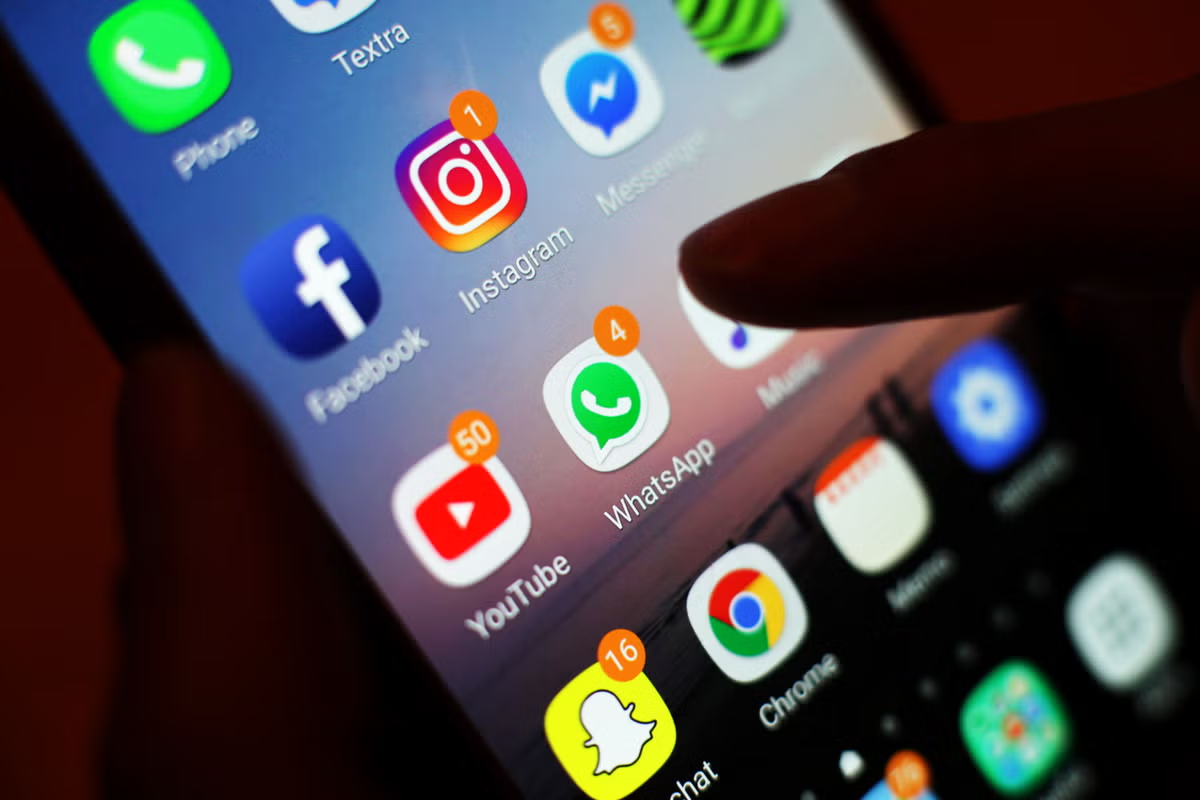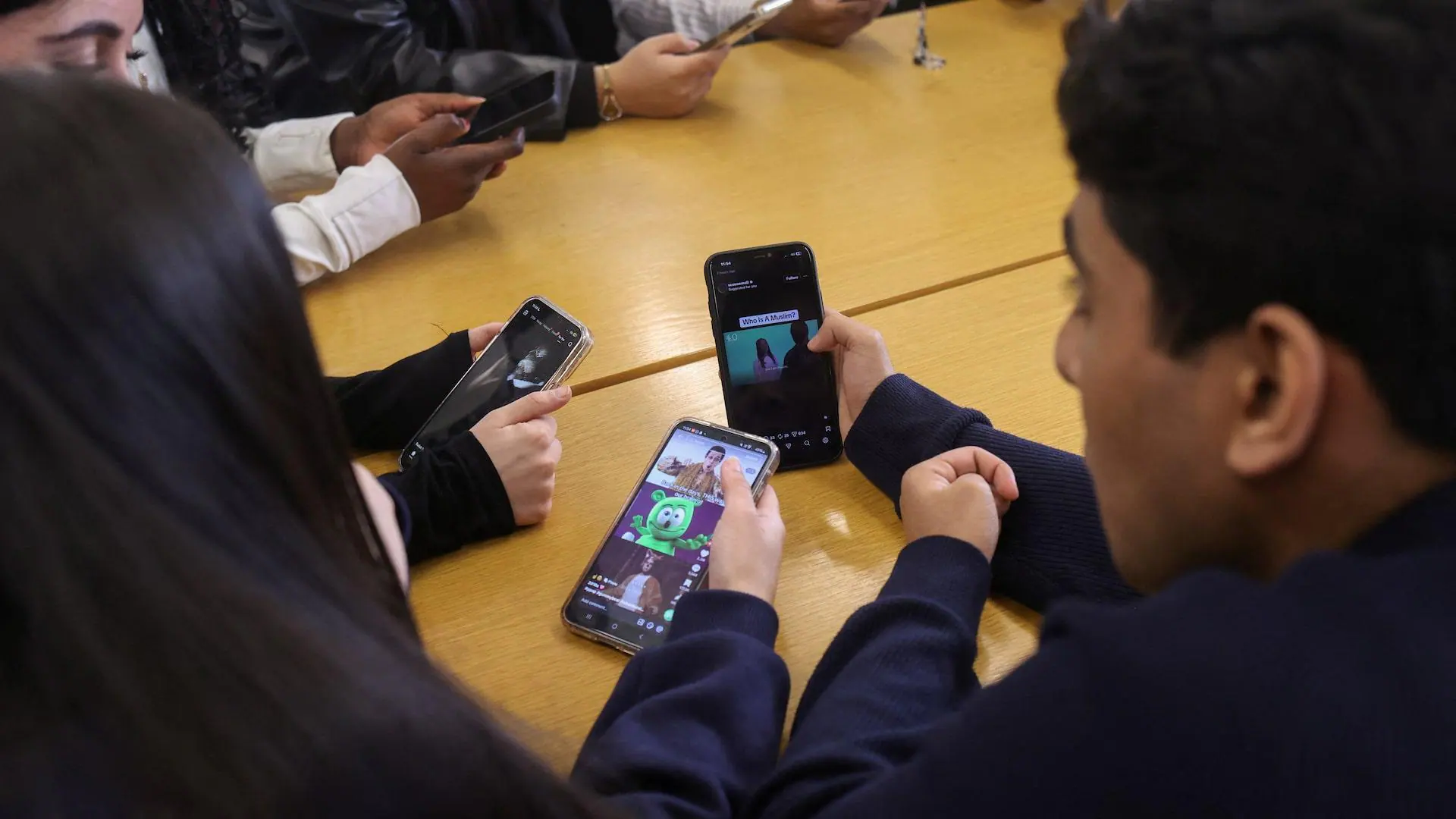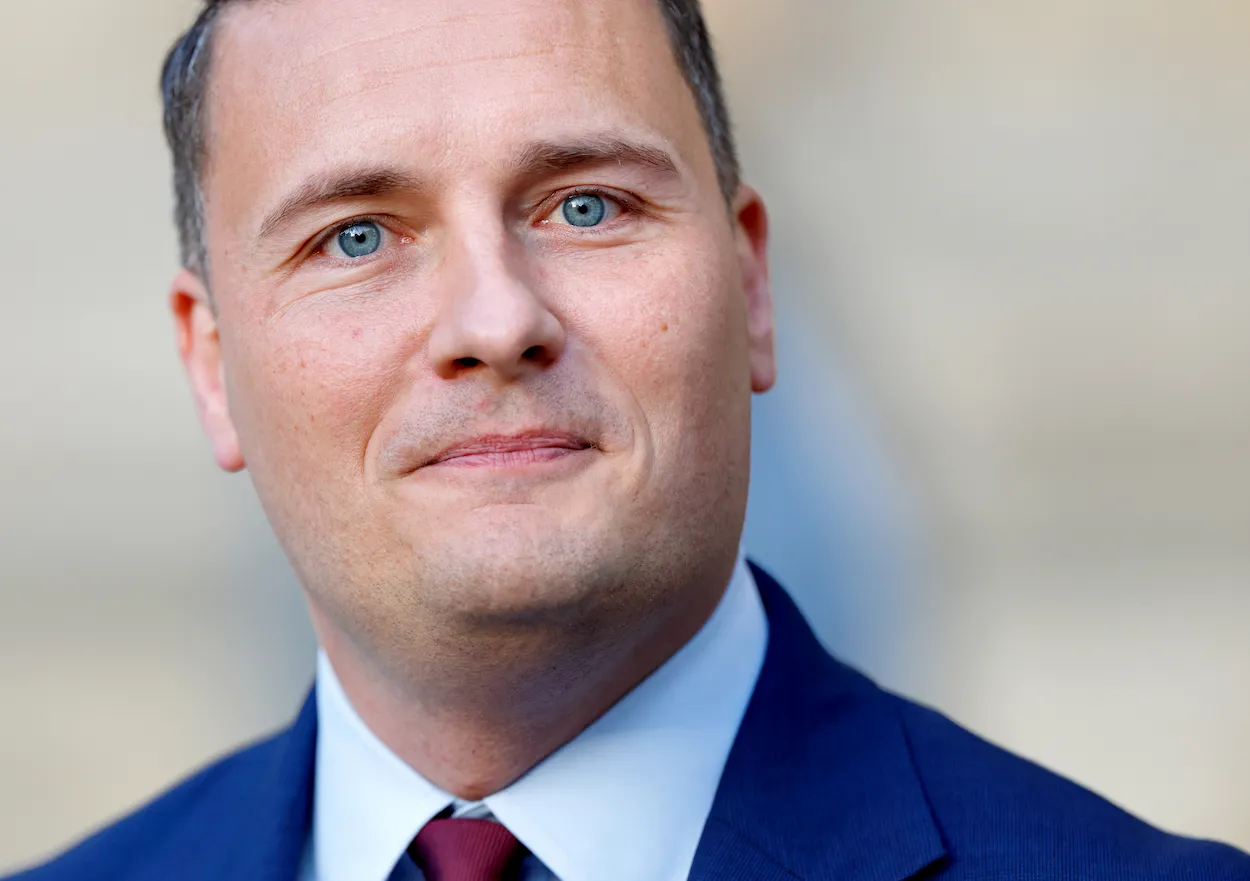
‘Technology is addling young people’s brains, impacting on their education and attainment, impacting on their health and wellbeing,’ Wes Streeting said on the Today programme this morning. It followed his remarks yesterday that ‘social media should be treated like tobacco – it’s extremely addictive, and bad for our health’. He was commenting on the Academy of Medical Royal Colleges’ (AOMRC’s) response to a consultation, launched by Sir Keir Starmer at the beginning of the year, on the impact of social media on teenagers.
Streeting’s comments echoed the AOMRC’s report, which quoted Professor Tracy Daszkiewicz of the Faculty of Public Health, saying social media has created a ‘structural conflict between profitability and child wellbeing, a pattern public health has confronted before in industries such as tobacco, alcohol and gambling’.
To draw a comparison between smoking and social media you must demonstrate that, like nicotine, social media is addictive and that, like nicotine, social media is demonstrably causing harm to users. One of the reasons that the government ordered a consultation is because the evidence is so thin.
It is often asserted that the impact of social media on teenagers’ mental health is a settled question, partly thanks to Jonathan Haidt’s popular psychology book The Anxious Generation. His research identified a correlation between rising social media use in the late 2000s and early 2010s and rising self-reported mental health issues among young people. But while these two trends coincided, the evidence proving that social media caused mental health problems is lacking, as psychology professor Christopher Ferguson explained recently in The Spectator.