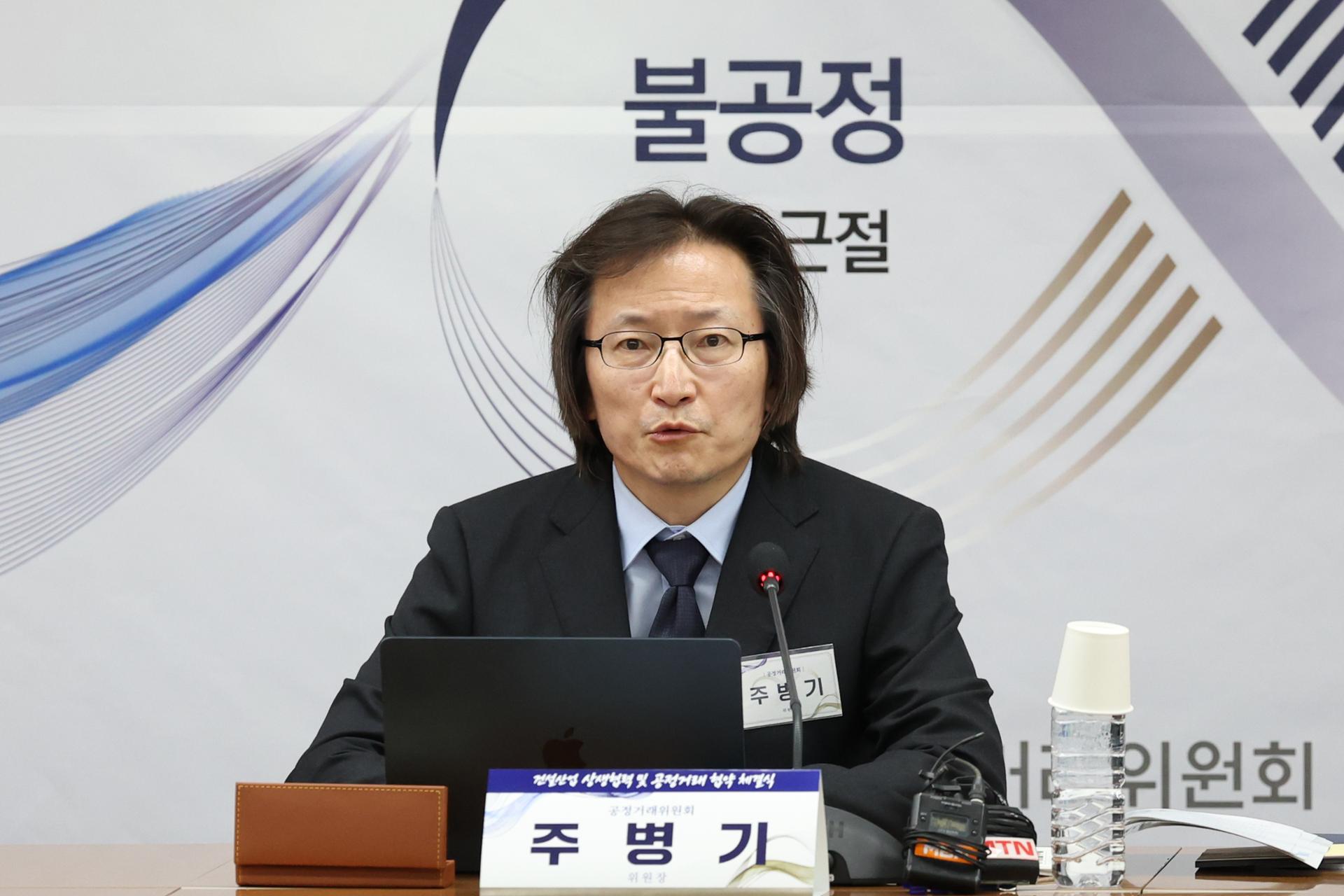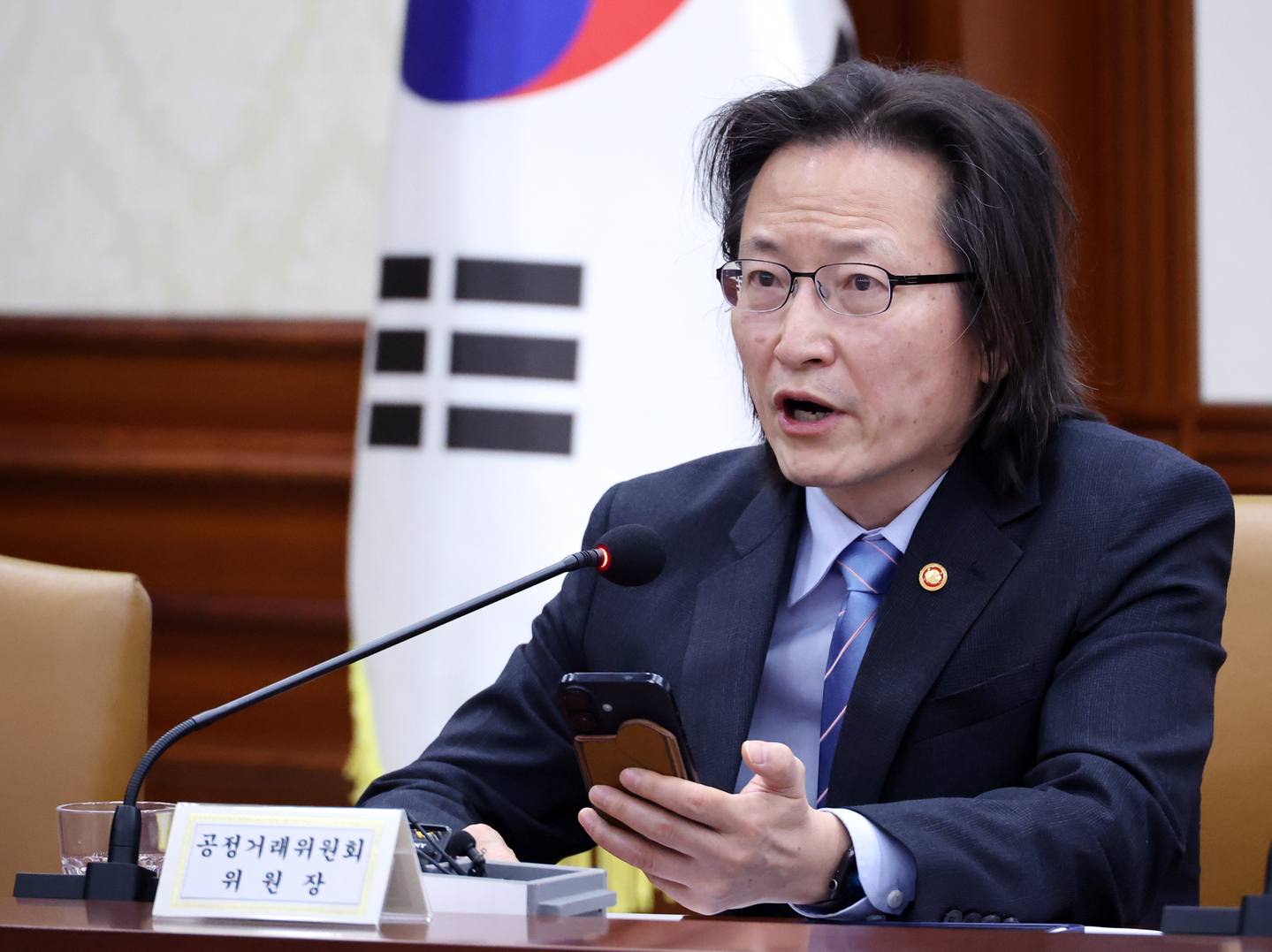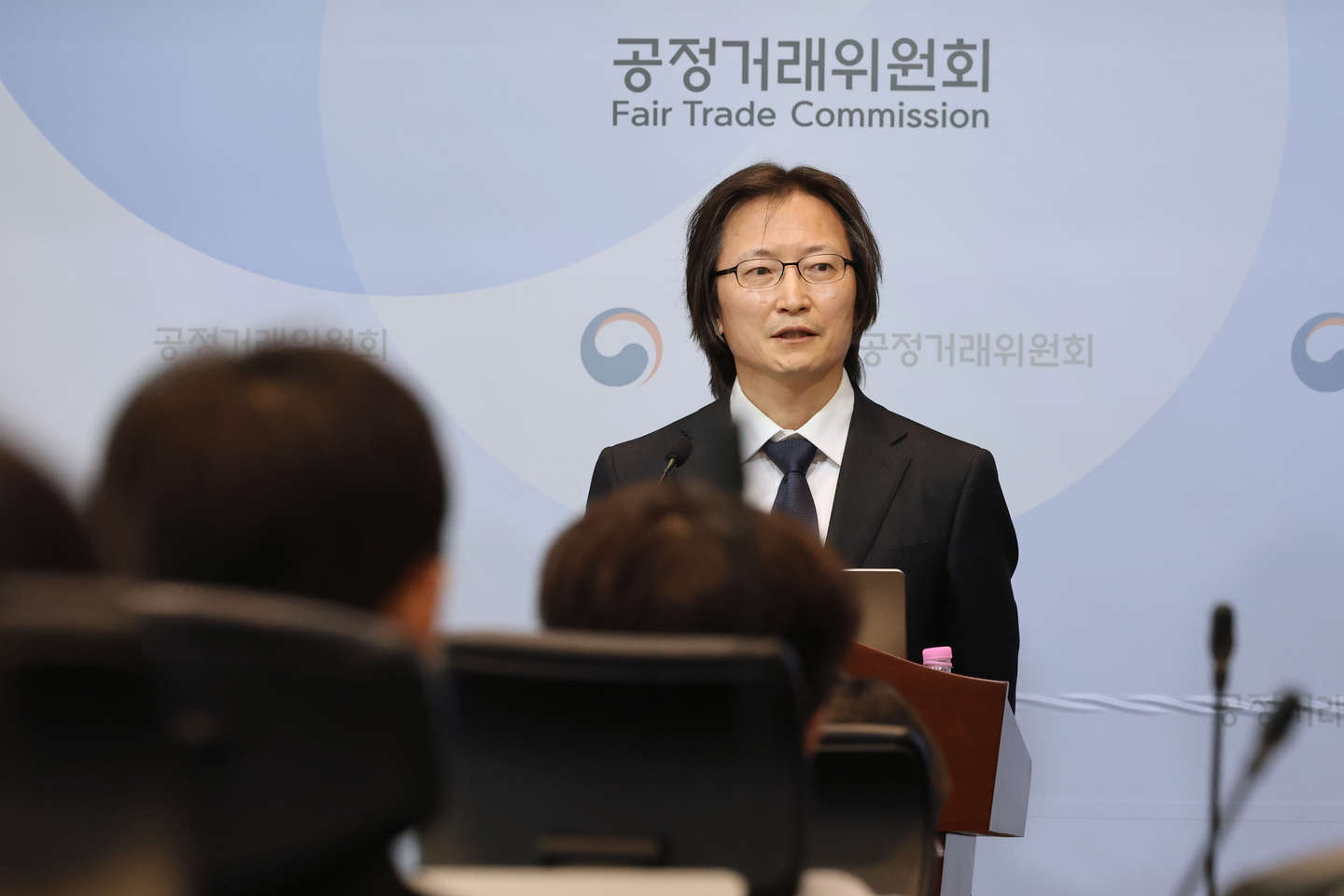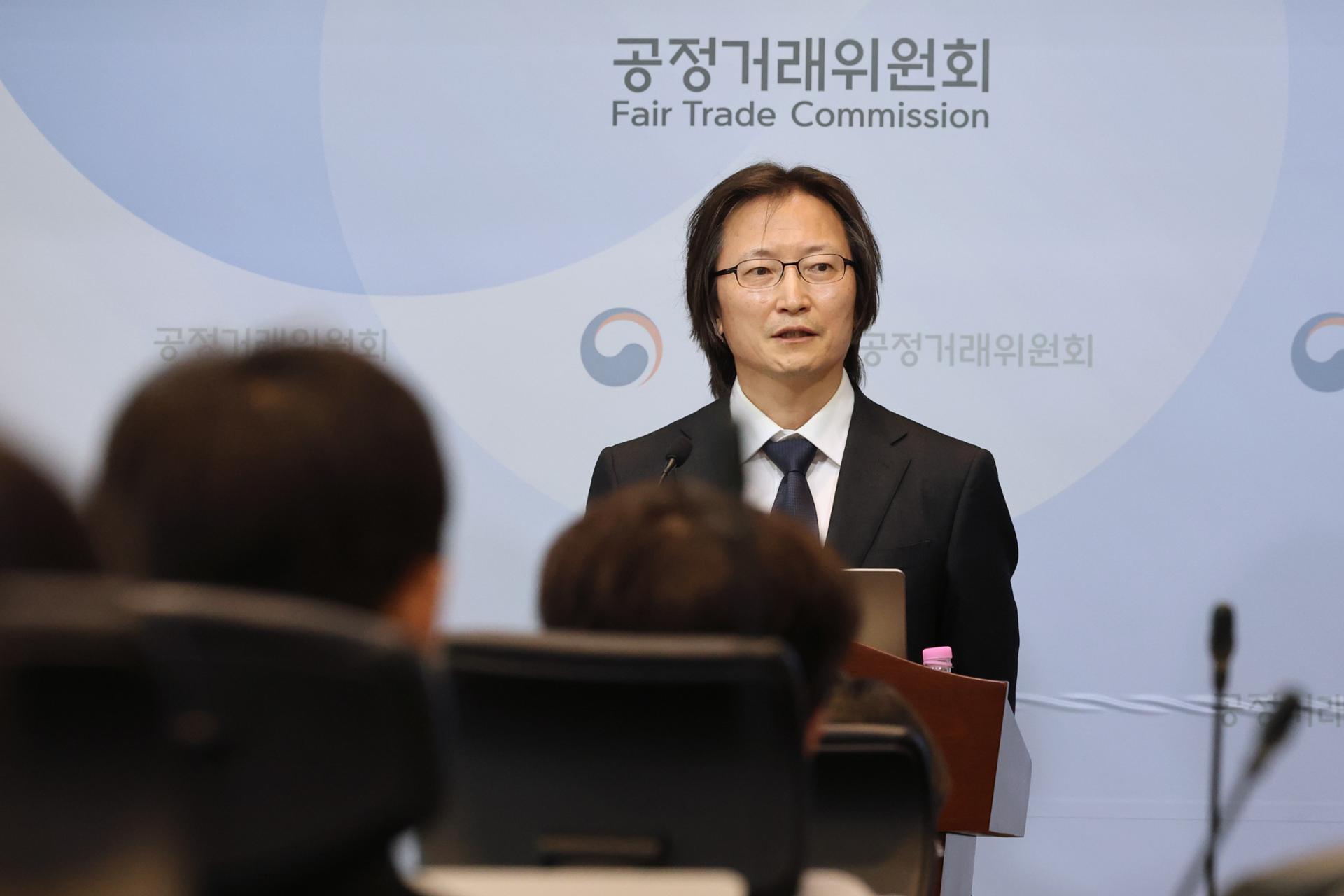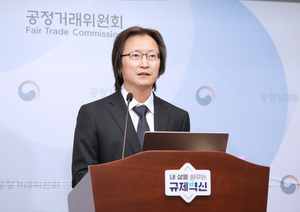
Watchdog chief says antitrust front line is shifting from legal arguments to data and statistics Korea Fair Trade Commission Chair Ju Biung-ghi speaks during a press conference held at Sejong Government Complex in Sejong on Tuesday. (Fair Trade Commission) SEJONG — The Korea Fair Trade Commission will execute one of its biggest organizational expansions in years, signaling a tougher and more data-driven antitrust push under the Lee Jae Myung administration, KTFC Chair Ju Biung-ghi announced Tuesday.The KFTC plans to add 237 officials and establish new investigation and economic analysis units to better handle increasingly complex cases involving online platforms, consumer cartels and large conglomerates.The overhaul comes as the regulator faces a wider range of disputes tied to platform dominance, price-fixing in daily necessities, and intra-group transactions among chaebol groups.“Platform cases are not simple anymore,” Ju told reporters at a briefing marking the government’s first year in office, held at the Sejong Government Complex in Sejong.Referring to Coupang, Naver and Baedal Minjok, Ju said suspected violations in platform markets are becoming increasingly layered and harder to address under the KFTC’s current structure.“When different violations are intertwined, looking at them piece by piece can miss the real weight of the case,” he said. “One plus one does not always make two. It can be three or four.”At the center of the overhaul is a new bureau-level major investigation planning unit staffed by about 40 officials across three divisions. The unit will focus on large or structurally significant cases involving digital platforms, consumer-facing monopolistic sectors and major business groups.The regulator will also establish a new economic analysis bureau by upgrading its current division-level operation to a 37-member bureau led by a chief economist.Ju said antitrust enforcement is shifting rapidly in digital markets shaped by data concentration, algorithms and network effects.“The front line is moving from legal arguments to data and statistics,” he said.The expansion follows a year of aggressive enforcement activity. Since June last year, the KFTC has imposed or decided on more than 2 trillion won ($1.33 billion) in penalties, including fines tied to flour, sugar and printing paper cartels, and unfair intra-group transactions involving conglomerates.Ju defended the scale of recent penalties, arguing that sanctions must evolve alongside changing market conditions.“Fines must recover unlawful gains and have real deterrent power,” he said. “If we keep sanctioning companies the way we did 15 or 20 years ago, we risk creating a precedent where breaking the law still pays even after getting caught.”The KFTC is also considering stronger penalties for conglomerates that submit false data during designation reviews tied to Korea’s disclosure and anti-self-dealing rules.Ju said the regulator is reviewing fixed administrative fines of up to 20 billion won against controlling persons responsible for false filings, though the final level has not been finalized.The agency is additionally examining structural remedies, including possible divestitures and business transfers, to address repeated violations and entrenched platform dominance.The KFTC expects to complete consultations with related ministries and revise organizational rules by June. New personnel are expected to be deployed from the fourth quarter.
KFTC readies AI-era antitrust overhaul
SEJONG — The Korea Fair Trade Commission will execute one of its biggest organizational expansions in years, signaling a tougher and more data-driven antitrust
506 words~2 min read