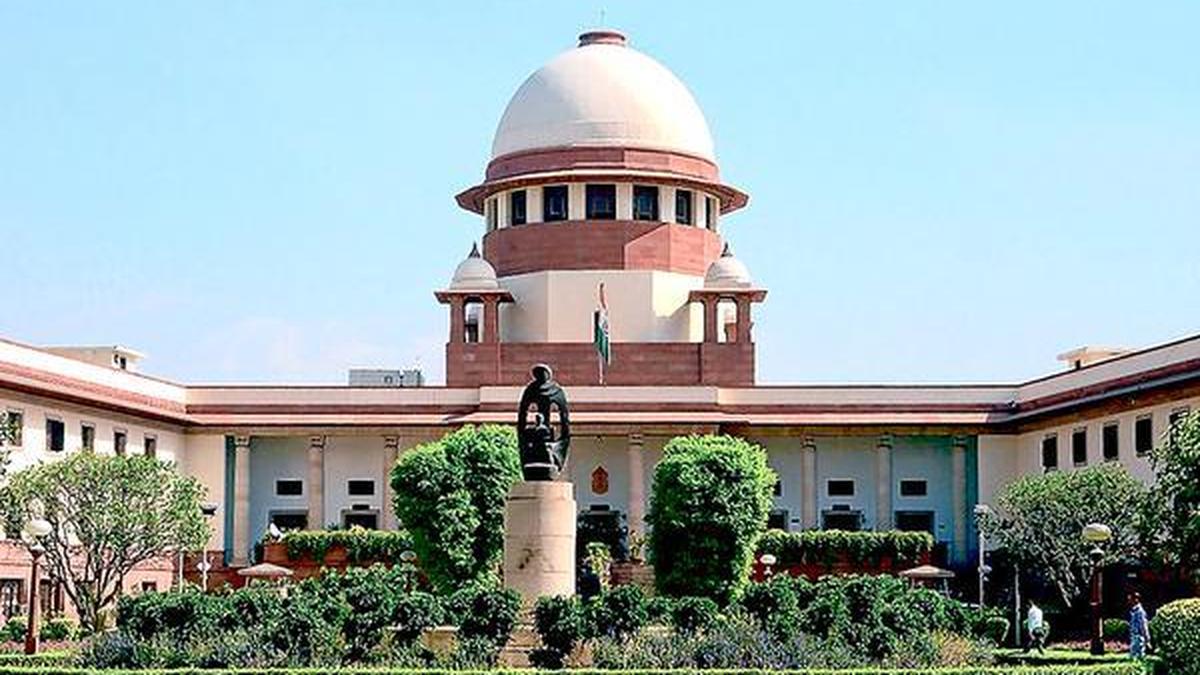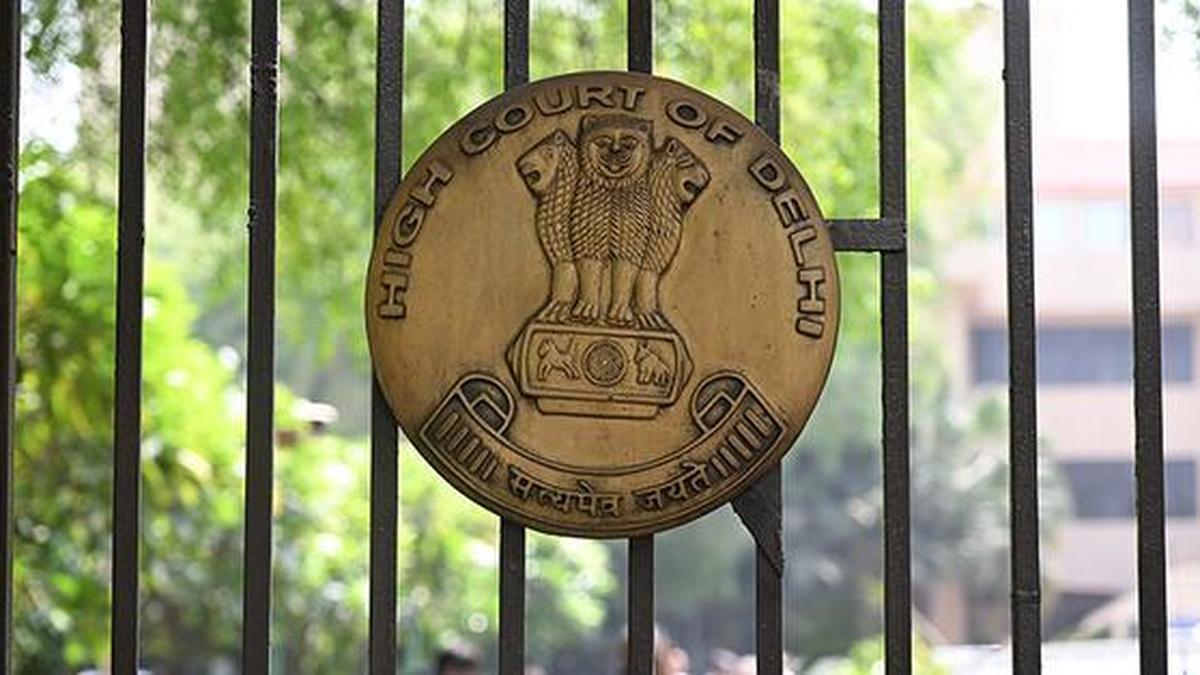
The Supreme Court on Tuesday stayed a key direction in a Delhi High Court judgment that barred law colleges from preventing students with insufficient attendance from appearing in examinations, observing that the ruling had created difficulties for legal education institutions across the country.SC stays HC directive on law students’ attendanceA bench of justices Vikram Nath and Sandeep Mehta passed the interim order while issuing notice on a petition filed by the Bar Council of India (BCI) challenging the November 2025 judgment of the Delhi high court.“Issue notice returnable on July 21. In the meantime, effect and operation of paragraph 249 of the impugned judgment shall remain stayed. However, the same shall be effective prospectively,” the bench ordered.During the hearing, the court said the consequences of the high court ruling were being felt by law institutions, particularly National Law Universities (NLUs), with students increasingly resisting mandatory attendance requirements.“All the NLUs are suffering. No student wants mandatory attendance. Even those who have passed out are supporting the students,” the bench observed.The court also questioned the delay in the BCI approaching the apex court against the judgment. “Why did you come so late?” the bench asked.BCI chairman and senior advocate Manan Kumar Mishra acknowledged the delay and termed it a lapse on the regulator‘s part.Senior advocate Mukul Rohatgi, appearing in a connected matter, argued that the Delhi High Court judgment had virtually rewarded indiscipline among students. “They are not going to colleges,” Rohatgi submitted.The bench, while interacting with counsel, observed that the high court ruling appeared to have gone beyond interpretation and entered the legislative domain. “Does the judgment give a right to students not to go to colleges? The high court has legislated literally,” it remarked.The Delhi High Court had held in November 2025 that students enrolled in recognised law institutions could not be detained from examinations or denied academic progression solely because of inadequate attendance.The ruling arose out of proceedings linked to the alleged suicide of law student Sushant Rohilla in 2017 at Amity University. Allegations were raised that Rohilla had been subjected to harassment over low attendance and forced to repeat an academic year in the BA LLB course, which allegedly contributed to his suicide.The high court had observed that attendance regulations should not be enforced with such rigidity that they result in mental distress or extreme consequences for students. It also directed the BCI to revisit mandatory attendance requirements for three-year and five-year law courses in light of the National Education Policy, 2020 and evolving educational frameworks.The judgment prompted challenges from law colleges and universities across the country, which argued that it undermined academic discipline and institutional autonomy.On May 13, while hearing a plea by Narsee Monjee Institute of Management Studies (NMIMS), the Supreme Court had already expressed serious reservations about the ruling. At that stage, the bench observed that if attendance ceased to matter, law college hostels would become “just boarding and lodging facilities”.The court had further noted that institutions known for classroom teaching and faculty engagement would lose their purpose if students were no longer required to attend classes.NMIMS argued that the high court ruling had opened the “floodgates” to litigation by students seeking permission to sit examinations despite failing to meet attendance requirements. The institution relied on Rule 12 of the BCI Rules on Legal Education, 2008, which prescribes a minimum attendance requirement of 70%, with limited relaxation up to 65% in exceptional circumstances. The institute also contended that lectures, tutorials, moot courts, practical training and classroom interaction remain central to legal education, particularly in integrated five-year law programmes.
SC stays HC directive on law students’ attendance
The Supreme Court stayed a Delhi High Court ruling allowing students with low attendance to take exams, citing issues for legal education institutions. | India News
593 words~3 min read