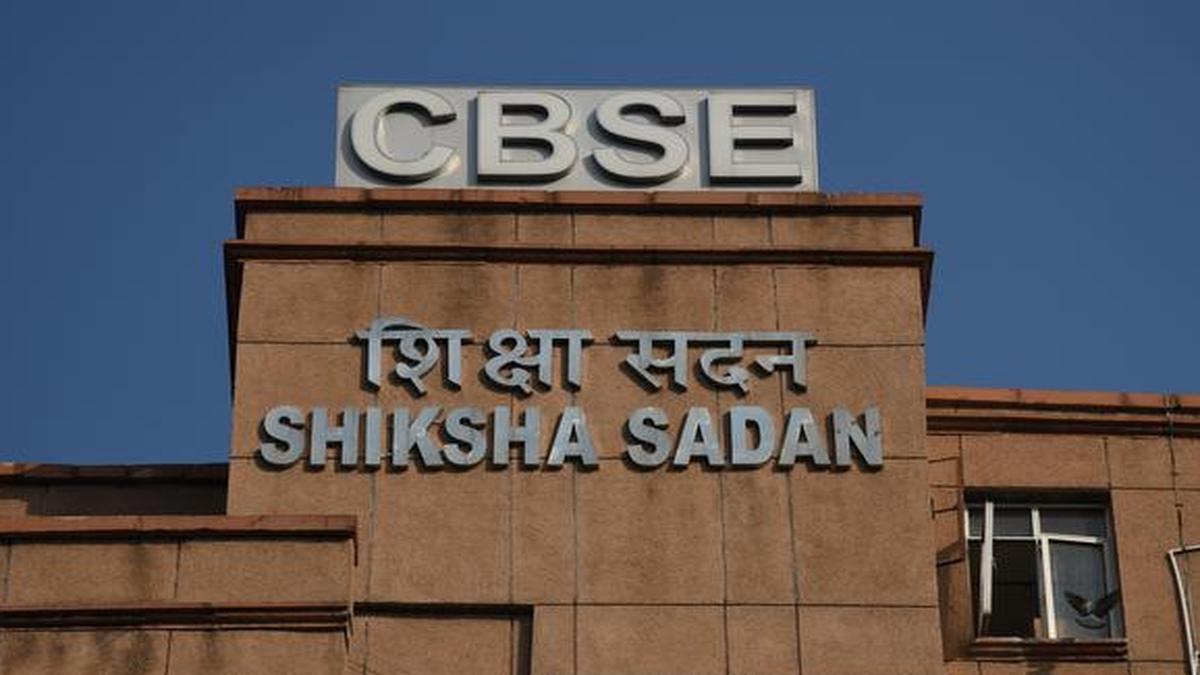
CBSE OSM security flaw exposed; IIT-M steps in for system auditA young ethical hacker, Nisarga Adhikary, has uncovered a serious vulnerability in CBSE’s new On-Screen Marking (OSM) system, part of its Digital India push. Developed by Hyderabad-based Coempt EduTeck Pvt Ltd, the platform was so poorly secured that unauthorized users could potentially access and alter scanned Class 12 answer sheets.Adhikary reported the flaw to CERT-In on February 25, 2026, but received only a generic acknowledgement and saw no corrective action for months. He eventually went public with the issue in a May 22 blog post, also highlighting institutional apathy.Amid growing concerns over glitches and weak access controls, a team from IIT Madras is now in Delhi conducting a third-party audit of the system. IIT-M director V. Kamakoti said the review will help identify what went wrong and guide fixes.Quad to mobilise $20 bn to strengthen critical minerals supply chainCountering China’s tight grip on global supplies of critical minerals, Quad partners India, the US, Australia, and Japan have signed a framework to mobilise up to $20 billion to strengthen supply chains across mining, processing, and recycling.“The Quad partners intend to support the development of secure critical minerals supply chains, which are essential for advanced technologies, economic growth, and the resilience of our industrial bases,” a statement on the `Quad critical minerals initiative framework’ issued by the MEA on Tuesday said.The four countries intend to work together to use economic policy tools and coordinated investment to accelerate the development of diversified and fair critical mineral markets and support the supply of critical minerals that are crucial to our region’s economic growth and security, it added.The framework was finalised at the Quad Foreign Ministers’ meeting in New Delhi hosted by External Affairs Minister S Jaishankar and attended by Foreign Minister of Australia Penny Wong, Foreign Minister of Japan Toshimitsu Motegi, and US Secretary of State Marco Rubio.Airtel Priority sparks parliamentary scrutiny over net neutrality and equal accessAmid a growing debate triggered by the launch of Airtel Priority post-paid plan, a Parliamentary panel on Tuesday asked the Department of Telecommunications (DoT) and the Telecom Regulatory Authority of India (TRAI) to study the impact of 5G network slicing services in countries such as Singapore and the UK, while also examining whether the interests of India’s largely prepaid mobile subscriber base are adequately protected.The Standing Committee on Communications and Information Technology, headed by BJP MP Nishikant Dubey, also decided to call major digital and social media companies, including Meta, X, Google and Amazon, for discussions on net neutrality and preferential access practices. The meeting was convened to review “Quality of Service (QoS) Standards and Consumer Protection in Telecom Sector,” with a specific focus on net neutrality, reports Shishir Sinha.India’s bank education loans record decade-high 15% jump to ₹8.58 lakh crore in FY26Rising tuition fees, growing overseas education aspirations, and wider lender participation pushed education loans from banks to their sharpest annual growth in a decade in FY26.Outstanding education loans from banks rose nearly 15 per cent year-on-year to ₹8.58 lakh crore in FY26 from ₹7.46 lakh crore in FY25, according to data from Reserve Bank of India’s latest bulletin. The loan book had contracted in FY22 and FY23 before recovering in the last two fiscals.Experts attributed the rise to increasing education costs, rupee depreciation, and a growing willingness among families to finance higher education through borrowings, writes Yashaswani Chauhan.(Research and VO: Siddharth Mathew Cherian)Published on May 27, 2026
Top Business & Market Headlines Today — BL Morning Report, May 27, 2026
BL Morning Report May 27, 2026: Get today’s top business news, market headlines about the Stock Market, Sensex & Nifty trends, key market insights, economic highlights, and the latest updates from India and global markets.
572 words~3 min read