May 27, 2026
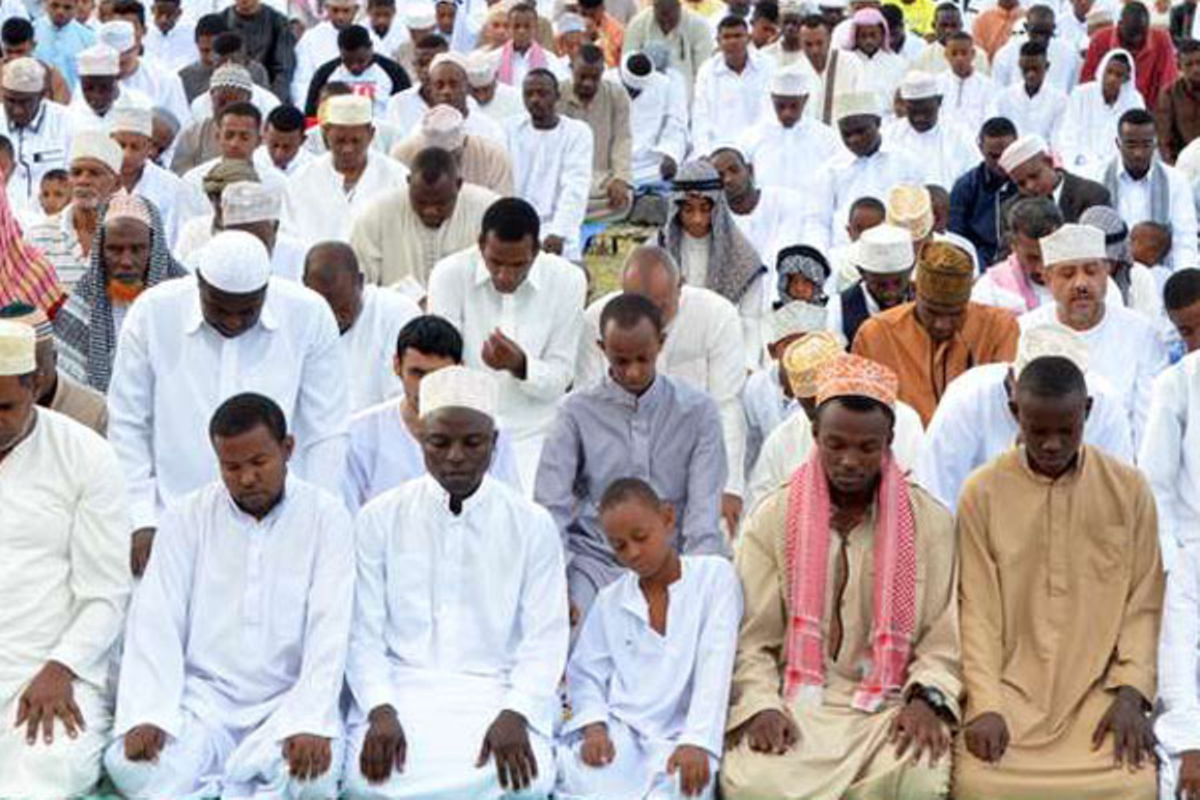
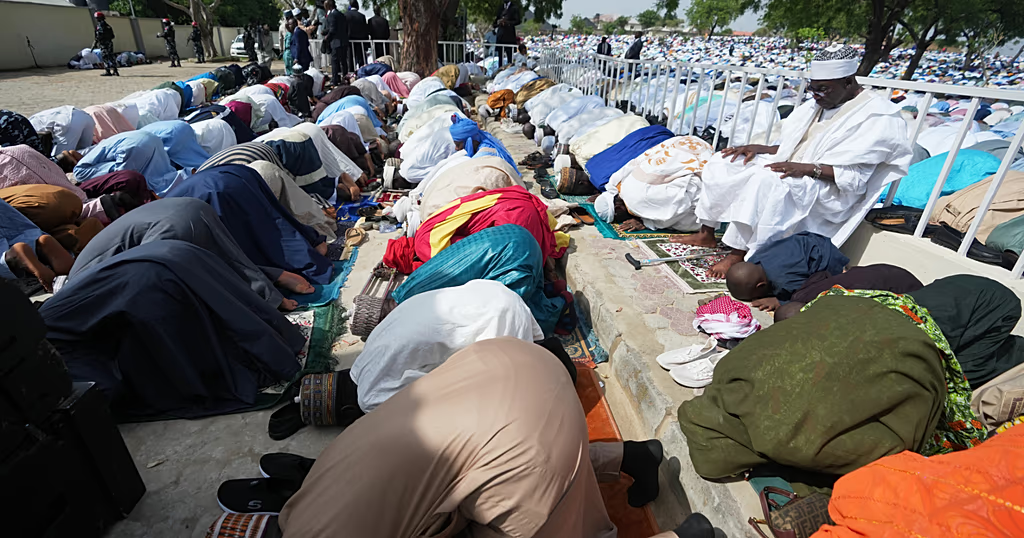
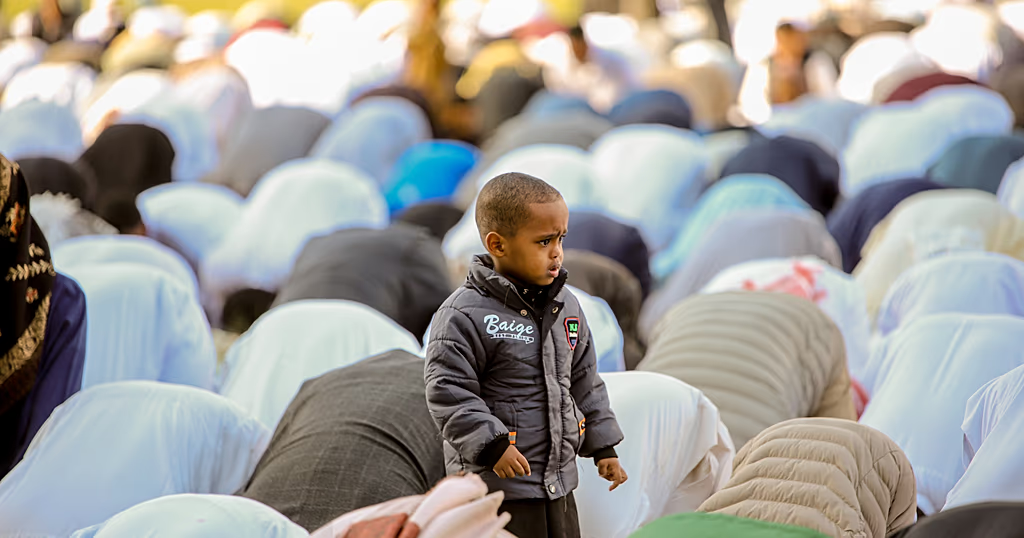
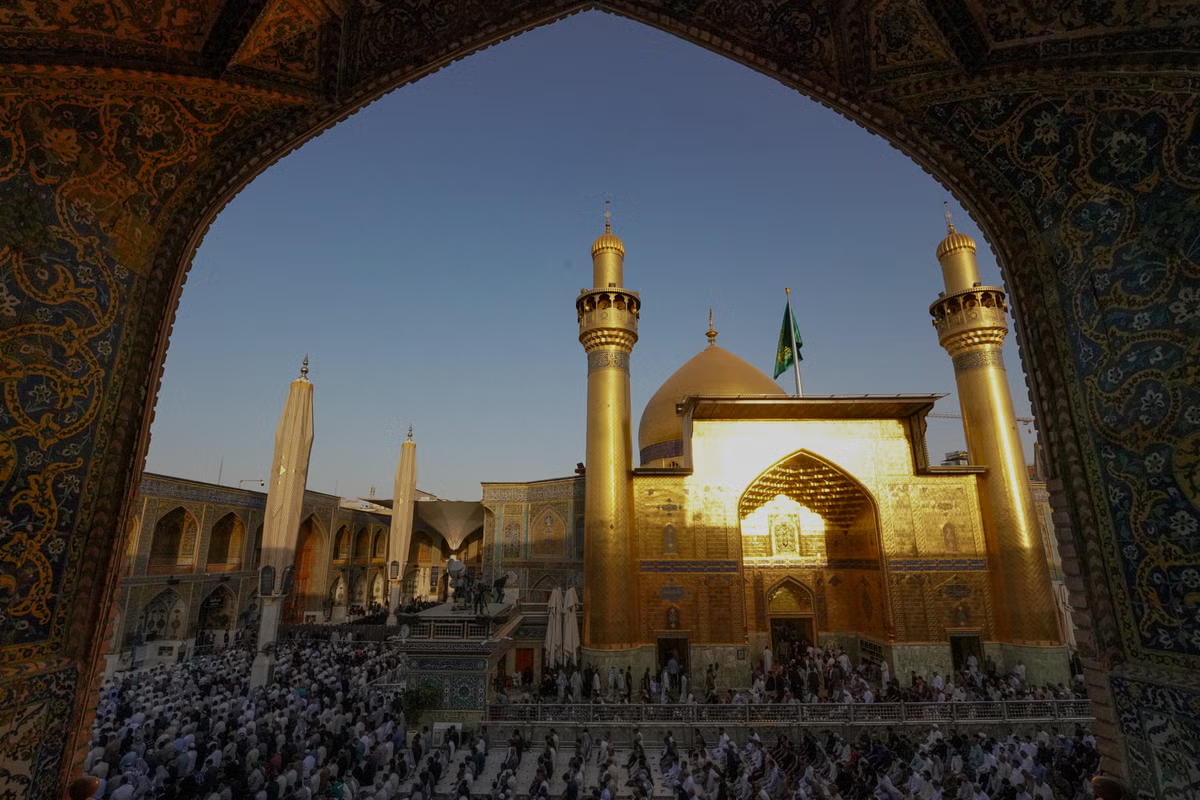
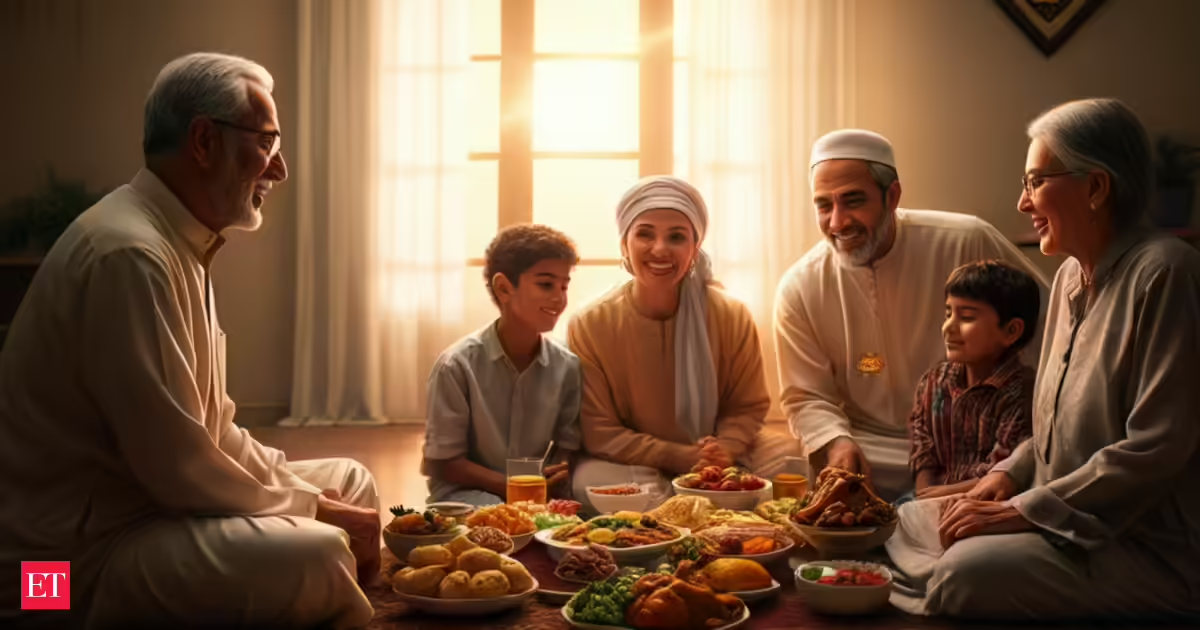
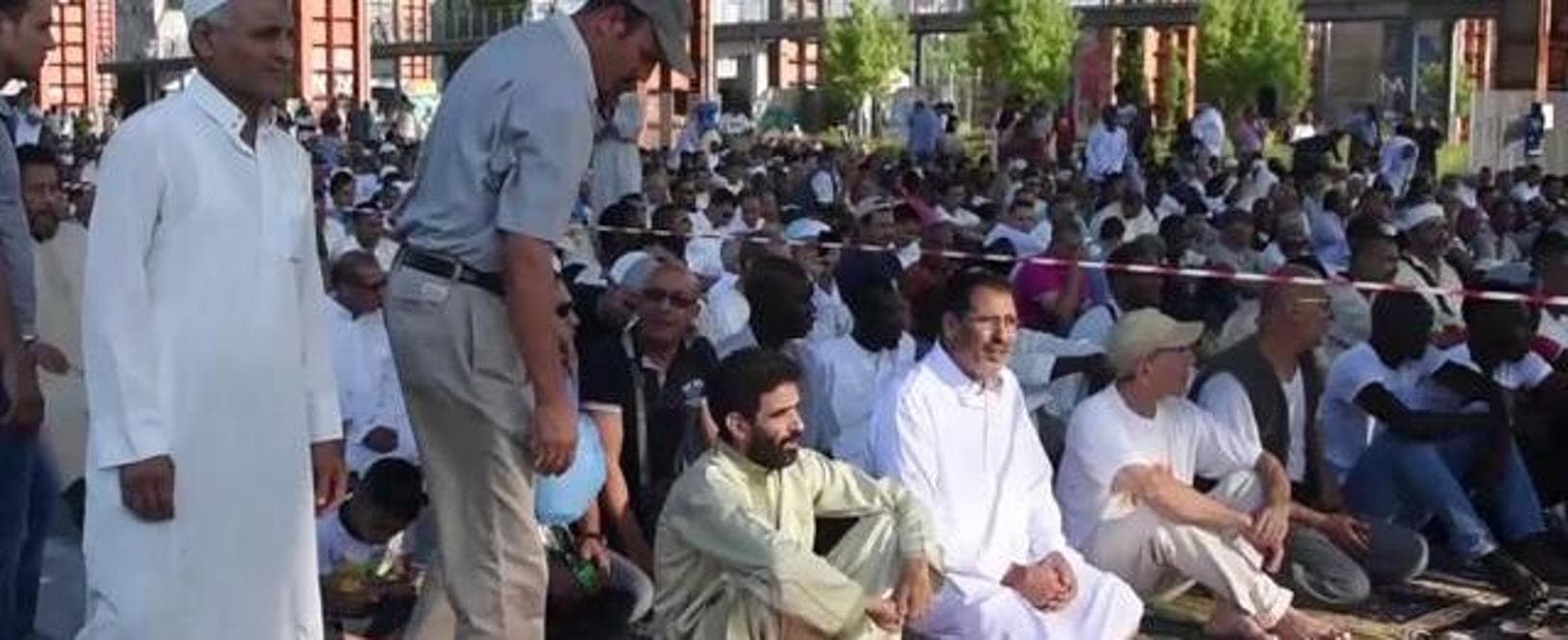
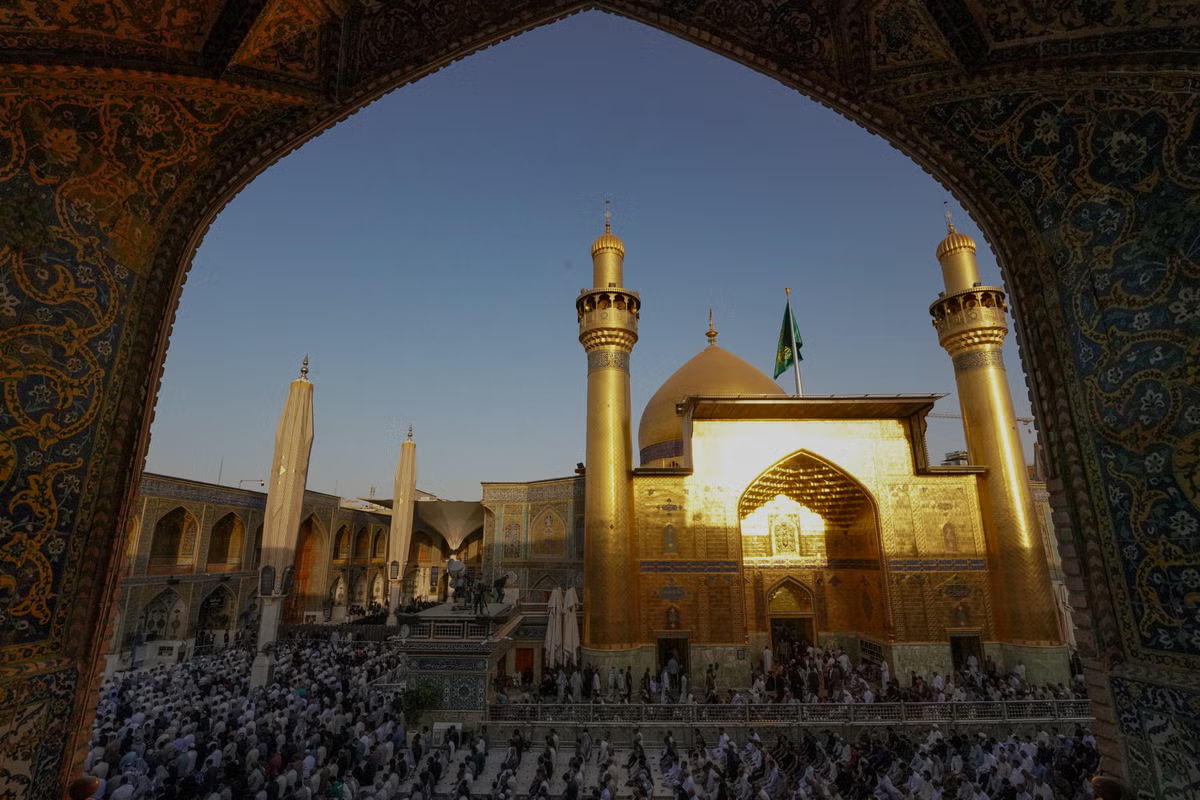
Nigerian Muslims join the global Ummah to celebrate Eid al-Adha, the Festival of Sacrifice. Rooted in the profound narrative of Prophet Ibrahim’s unwavering obedience to God, this day stands as a timeless celebration of faith, humility, and total submission to Allah’s will. Marked by congregational prayers, the symbolic slaughter of livestock, and the sharing of meat, Eid is far more than a routine seasonal ritual. It represents a deeply spiritual tradition centered on charity, empathy, and the enduring strength of community solidarity.
Yet, as families gather, the core message of this festival carries an undeniable, urgent weight for contemporary Nigeria. If Prophet Ibrahim was prepared to fulfill Allah’s command to sacrifice his own son, then our political leaders must find the moral courage to fulfill their basic promises to the citizens of this country. Governance, at its peak, is an act of service. True leadership requires a profound spirit of selflessness and a genuine commitment to the common good—virtues that often seem in short supply within our political landscape. This year’s celebration arrives during a period of acute economic anxiety. Ongoing global inflationary pressures and regional supply chain disruptions have hit home hard, drastically driving up fuel and transportation costs. When coupled with the domestic shocks of the fuel subsidy removal and currency floatation reforms, the resulting economic headwinds have sent food and livestock prices soaring.