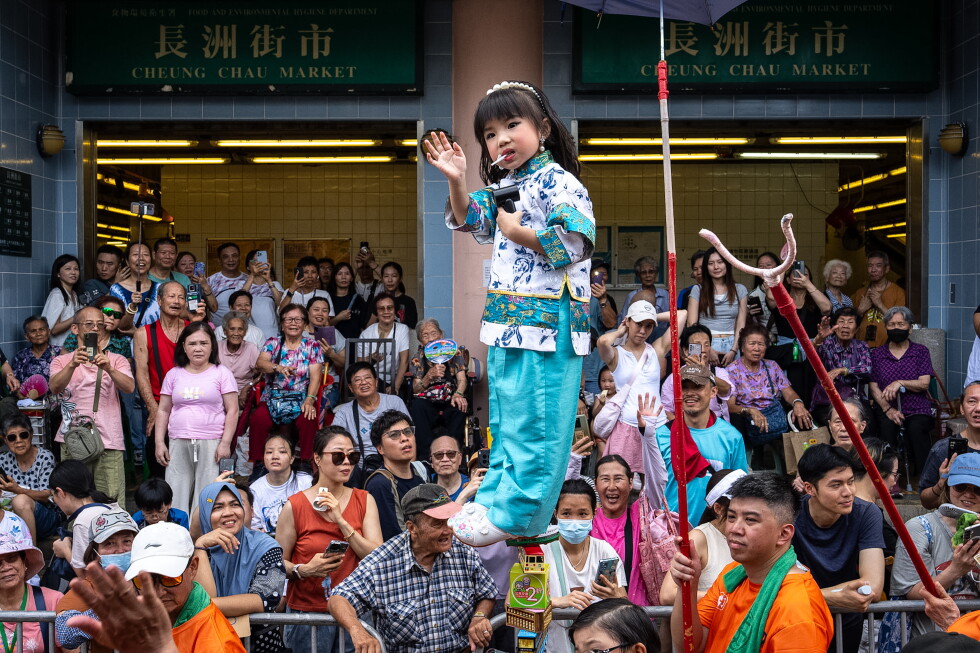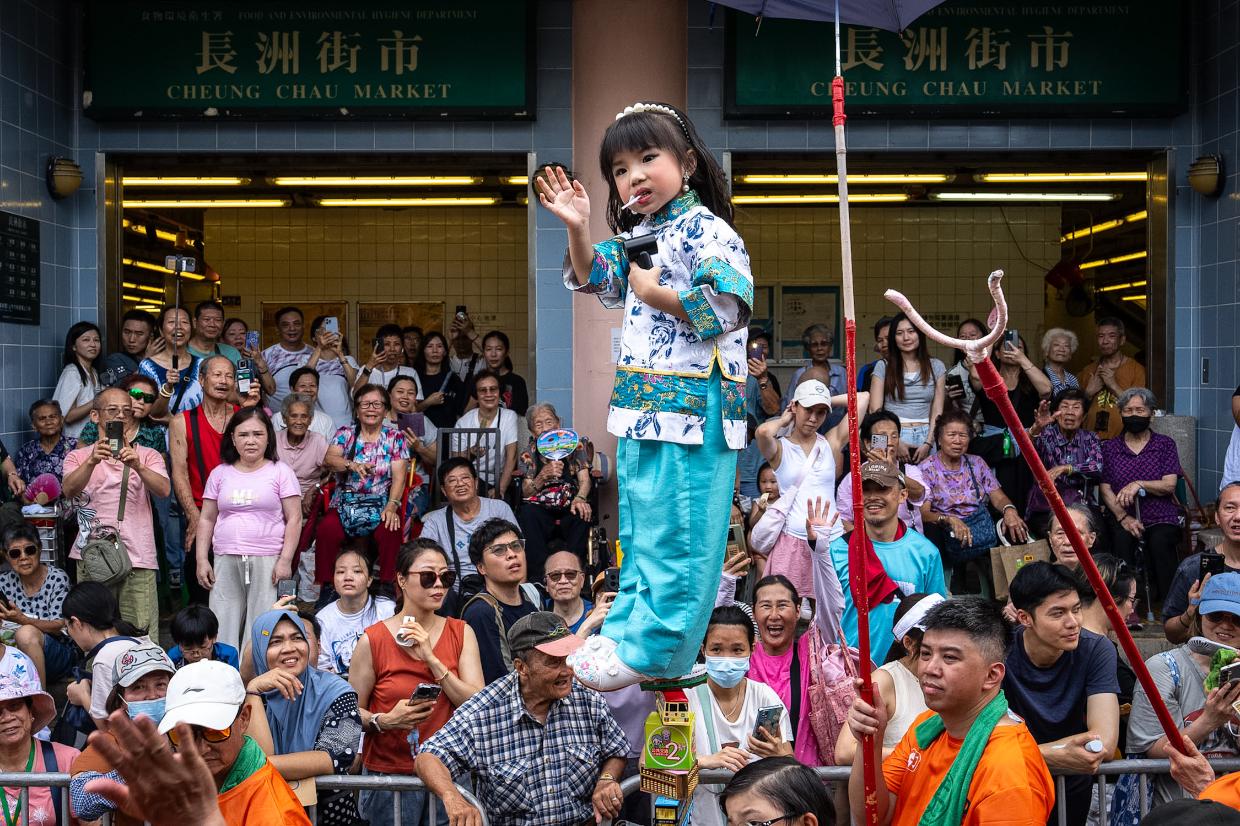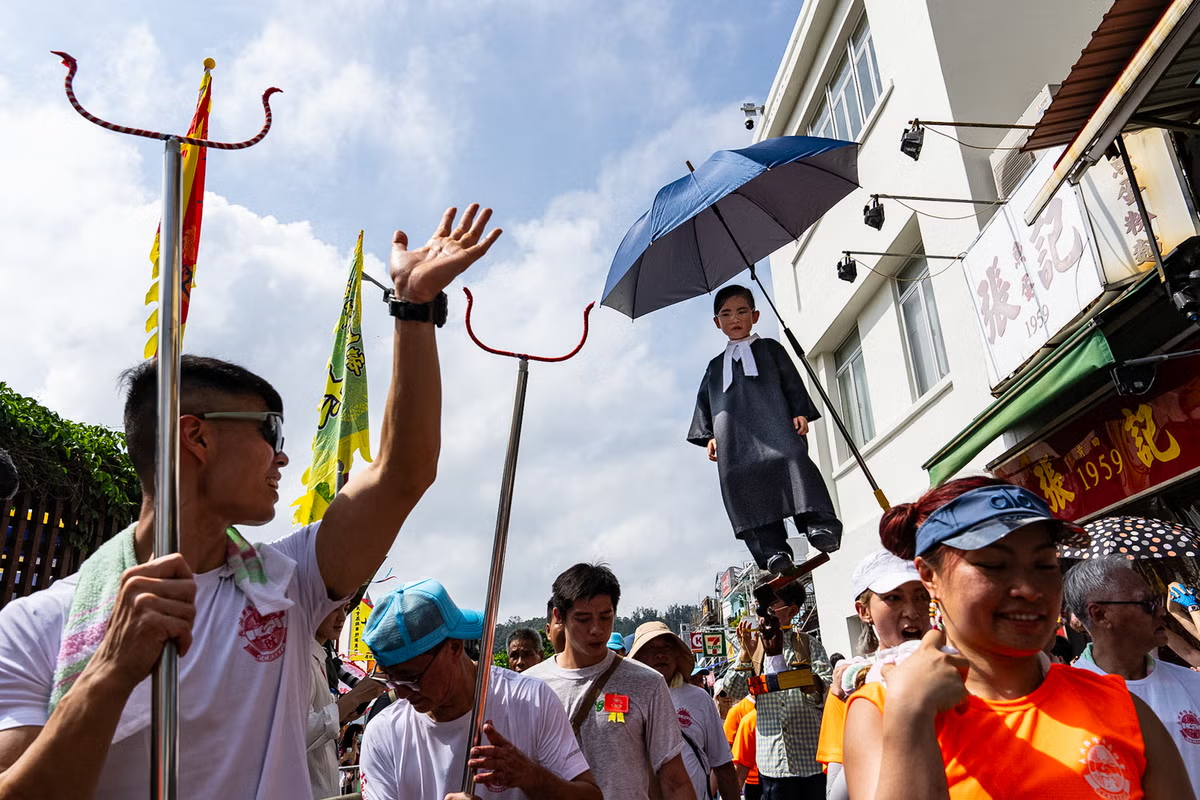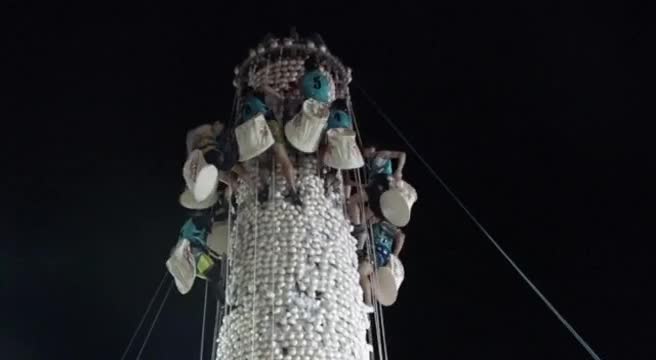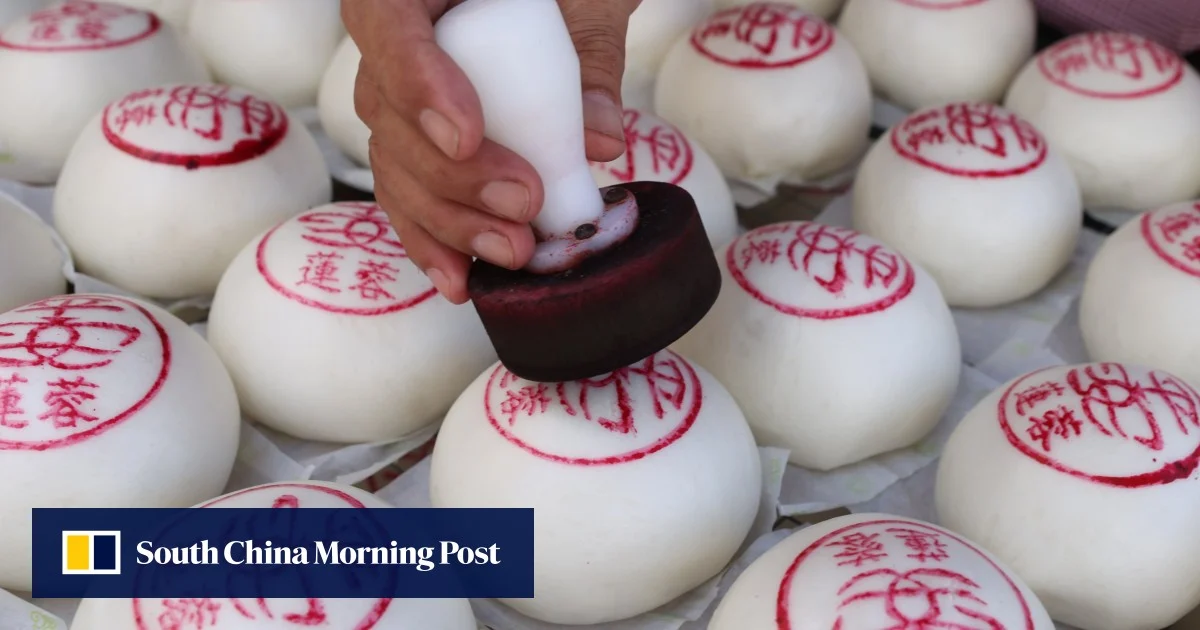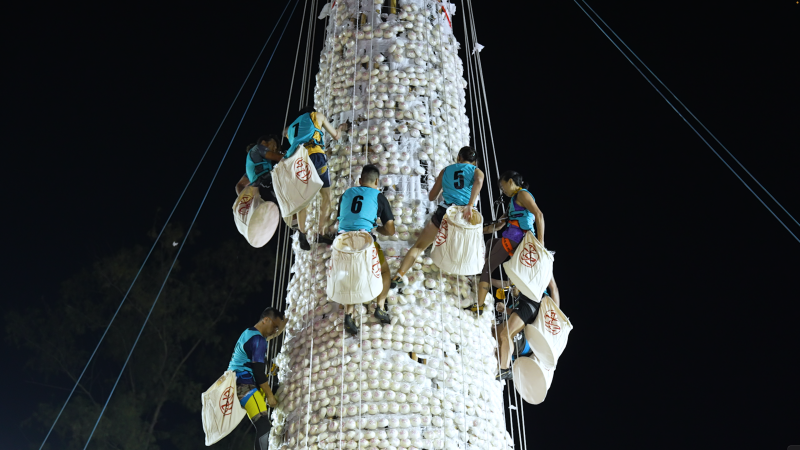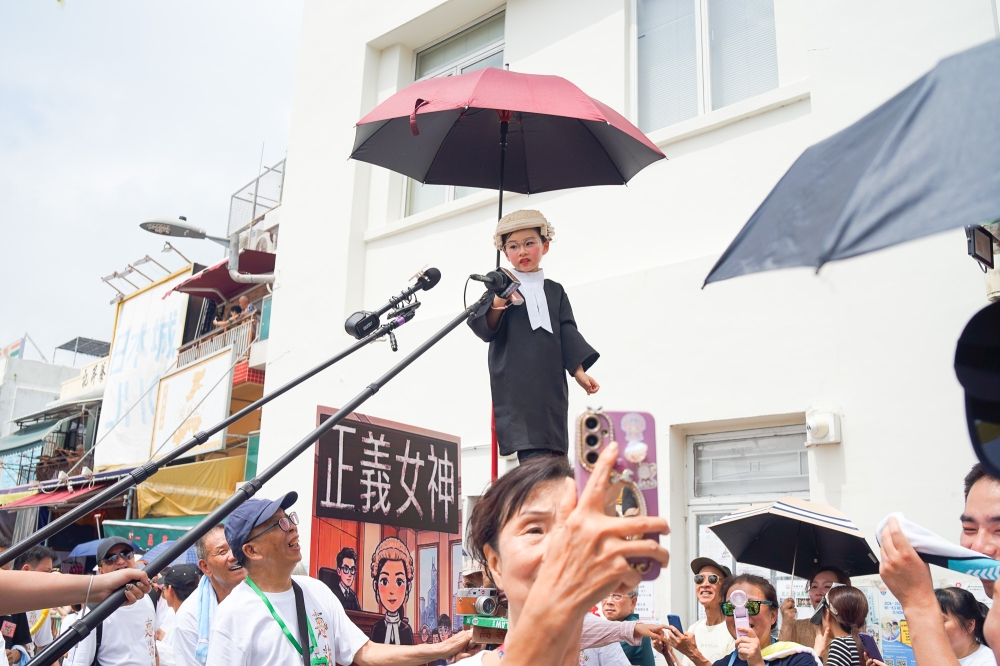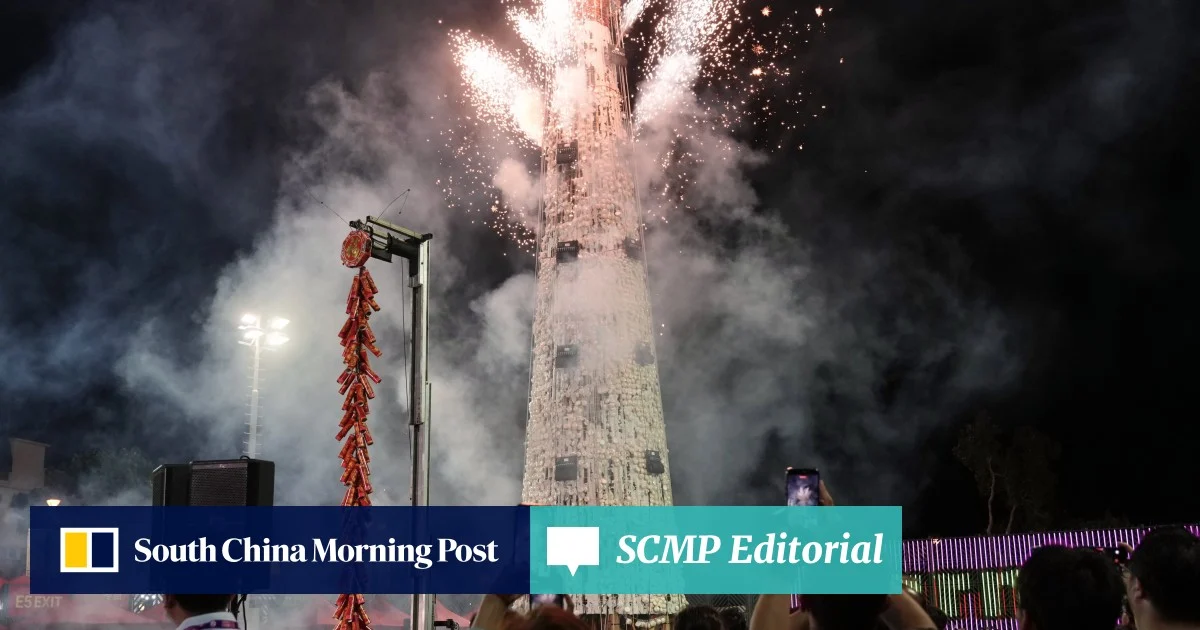
Hong Kong’s bun festival testifies to the value of the city’s cultural heritage beyond preserving customs and memory. Originating from the outlying island of Cheung Chau in the 18th century, the annual spectacle continues to reinforce community spirit and sustain the distinct Hong Kong story. Its success is a good example of how heritage and traditions can strengthen tourism and cultural identity.The festival works not because it is a flashy mega-event made with a big budget and heavy promotions. Featuring Taoist rituals, a colour parade and the much-anticipated bun-scrambling contest finale, the island-based attraction is rooted in local history, community spirit and long-held beliefs, making it one of the most compelling and captivating tales to residents and visitors alike.The marriage of tradition and spectacle makes the festival unique and popular. Legend has it that Cheung Chau villagers banished the evil spirits behind a plague and pirate raids that ravaged the fishing community during the late Qing dynasty by erecting an altar at the Pak Tai Temple and marching statues of their patron deities through the streets. An annual thanksgiving festival with the offering of ping on bao – peace buns – to roaming spirits and victims of the epidemic gradually became a draw for people near and far and eventually made it into Hong Kong’s intangible cultural heritage (ICH) list.Riding on last year’s success, a month-long citywide cultural heritage promotion drive by the Hong Kong authorities returns this weekend. Echoing the slogan of “tourism everywhere”, more than 50 performances, 80 promotion booths and 40 field visits will be held under the theme of “ICH around town”. Among the wealth of attractions are nine thematic routes for participants to engage with different crafts, while travellers can try out local-style milk tea prepared by artisans at Hong Kong International Airport.Despite its small area and short history, Hong Kong boasts as many as 507 major and subsidiary items on its officially recognised intangible cultural heritage list. With the right recipe and promotion efforts, these rich assets can continue to enrich city life, drive tourism and reinforce cultural identity and community spirit.
Editorial | Cheung Chau Bun Festival flies flag for Hong Kong’s cultural heritage
The festival’s success adds momentum to the citywide heritage promotion drive aiming to bolster the city’s cultural identity.
348 words~2 min read